Public Steam disclosure research25,383 disclosures tracked
Where do games disclose AI use?
Search developers’ Steam disclosures, compare classified AI use across
games, and follow recorded changes.
This index adds cross-game classifications and statistics to
statements published on individual store pages.
Groups reflect automatic analysis of public disclosures; mature records are excluded. These counts do not measure AI use across all of Steam.
Missing or unclear statements cannot establish whether a game uses AI.
Some pre-generated visual assets used in the game and its store/marketing materials, including certain splash images and UI icons, were created with the assistance of generative AI tools. These assets were integrated as pre-generated content during development. The game does not use live-generated AI content during gameplay and does not connect to external AI services while running.
This game contains content created with the assistance of generative AI during development.
Generative AI tools were used to help create and iterate on parts of the game code, sound effects, music, artwork, images, and multilingual translations. All AI-assisted content was reviewed, edited, selected, and integrated by the developer.
The game does not use generative AI to create content during gameplay.
Generative AI tools were used to assist with the creation and editing of artwork for some Steam Store and Library assets, as well as with the translation and localization of game-related text. All AI-assisted content was reviewed, edited, and finalized by the development team. Generative AI is not used to generate content during gameplay, and the game does not connect to any external AI services.
Artificial intelligence was used to create a portion of the game's visual assets. This includes illustrations within the herbal book, as well as loading, summary, and game-over screens.
AI tools were used to generate localizations for languages other than English and Polish.
Dialogue voice lines are currently generated using TTS tools. The game is still in development, and these generated voices are temporary placeholders that will be replaced by voice actors once the story and scripts are finalized.
This application uses generative artificial intelligence tools to assist in the creation of certain visual assets, such as store artwork.
All core functionality, structure, and content of the application were designed and implemented by the developer.
No user data is processed or generated using AI within the application itself.
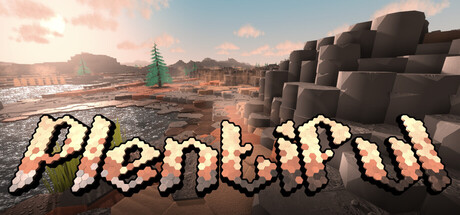
The Early Access version of Plentiful uses AI-assisted machine translation for localization. No generative AI was used to create gameplay content, art, or audio.
Gameplay trailer on storepage uses song made with the help of suno.ai
Some backgrounds in the game are made with the help of various generative AI tools like Adobe Firefly.
This game incorporates generative AI to produce visual elements, character interactions, and narrative sequences. All generated content is carefully directed, reviewed, and integrated to maintain a cohesive artistic experience.
The development of War Lab is aided by AI as a tool. This is, as of now, a single dev project, no jobs are being taken by AI.
-Coding: script templates, help refactoring, commenting, and optimizing human-written code. It also helps solve problems, errors/warnings and find more optimized ways of doing human-designed functionality.
-Sound effects: some computer interactions with fictional devices, and voices (NOT MUSIC)
-Textures: some textures have been upscaled using AI or edited to better depict the desired effects we were aiming for.
-No decisions are taken by AI
-No lore/story elements are written or decided by AI
-No 3D models have been made using AI
Last updated: March 22 2026 (5th game anniversary)
Possible changes in the future:
-Realtime AI NPC actions
-AI-driven text-to-speech for NPCs
-Player mimics (takes in player voices and movements to create player "doppelgangers")
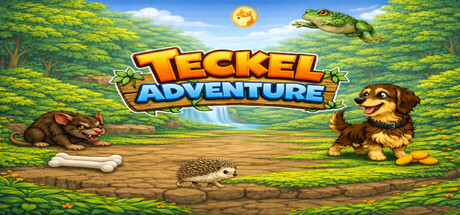
Some promotional or artistic visual assets in Teckel Adventure were initially generated with the help of AI tools and then edited or integrated by the developer.
No content is generated by AI during gameplay. All gameplay systems and interactive content are fully predefined.
This game was developed using AI-assisted tools in multiple areas of development, including programming, writing, music, and visual assets. AI tools were used during the creation process to help generate and prototype content, which was then reviewed, edited, and integrated into the game by the developer.
I used a text-based generative AI (LLM) to assist with the English translation (localization) of all in-game text (dialogue, UI, system messages) and to help write the English descriptions for the Steam store page.
This game uses generative AI during development to assist with concept art, creature design, and prototyping. All AI-generated content is reviewed, edited, and finalized by the developer. No AI is used for real-time gameplay or player interaction.
The images were refined by artificial intelligence based on real photos taken in the city of Aix-les-Bains. The music was also arranged using an artificial intelligence tool.
We use generative AI in a limited capacity to extend backgrounds (canvas expansion) and remove unwanted elements in some of the live-action miniature images.
The original source materials are real photographs, and all content is reviewed and adjusted by the developer.
Generative AI is also used as a writing assistant for parts of the in-game text.
I was the archaic and fragmented DNA in the amber bound insect. AI was the frog DNA.
Original Card Game: All card art is original, hand painted on canvas and physically printed on real cards (5,000 in total). The face images are scans of those pained canvas prints/ cards. AI was used to generate the card's backs and some of the playing surfaces/backgrounds.
Coding: While I on and off experience in JavaScript since 2002, AI was used to help generate and debug portions of the code. I especially used AI when predicting potential conflicts and integration problems (especially Steam integration) before implementing new code. I found it very helpful when changing long sets of repetitive blocks of code. The volume of human error that was cut down was tremendous.
Localization: Localization will be finalized in Beta. Initial translations were done with AI. Corrections and finalization will be done after input from the community (new game, some new terms).
Music: We are Streamer first. Streamer need background music that won't affect their monetization. From the beginning, music that was all original, was critical to me. I wanted Streamers to have no worries when letting our background music play for hours. Musicians want astronomical payments and deals that will leave me perpetually paying them. I generated all of our music in Suno and own it all. I plan on releasing more, in two hour blocks, that will be available as free DLC's.
All AI I used was after human talent quoted cost ineffective numbers or outright turned me down. This is a simple card game. A vehicle for a game and art I have made. I set out to make an affordable, sturdy, reliable, user focused game. AI helped me make the best product I could.
The store promotional images were generated using AI with manual modifications. Some in-game upgrade icons were generated using AI and then manually refined. Most of the game's multilingual translations were created using AI.
Generative AI tools were used during development to create some supporting materials, including store page and promotional text, as well as certain marketing/community images.
In addition, the in-game music was generated using Suno.
Generative AI is not used in real time during gameplay; all content was reviewed and, where necessary, edited by the developer.
During development, AI tools were utilized to assist in the creation and optimization of technical scripts and gameplay logic
No images, textures, 3D models were generated using AI.
Some of the images in this game, especially the artwork, were created using AI tools as a visual supplement.
This creative choice allowed me to focus more time and resources on what matters most, delivering longer, more engaging, and fun gameplay.
Some visual elements of the game, including certain artwork and UI assets, were created with the assistance of generative AI tools during development.
All AI-generated assets were curated, edited, and integrated by the developer to ensure visual consistency and artistic direction.
The game does not use live AI generation during gameplay.
AI was used to assist with writing/editing text (I’m a non-native English speaker), as well as for calculations and development troubleshooting. No AI-generated art, audio, or in-game writing is included in the game, and the game does not generate AI content during gameplay.
Neofold includes real-time generated AI content, such as its recommended "Infinity Mode", which uses a local diffusion model to generate infinite unique creatures in real-time using your GPU. No external servers are used. No generation happens without your prior input, ensuring stable performance during your work and gaming sessions.
Neofold includes pre-generated AI content, such as its alternate "Lite Mode", which uses a giant set of pre-generated creatures for players without a suitable video card.
We use AI tools to generate English voiceovers. These voice lines were manually tuned and refined (using SSML) to ensure emotional accuracy and quality. Additionally, some 2D assets, including UI elements and model textures, were created with the assistance of AI generation tools.
Generative AI tools were used solely for the creation of the store capsule images to enhance visual presentation quality, cinematic atmosphere, and narrative depth. No real-time AI generation is used within the game itself.
The core textual content of this application, including the multilingual translations of the Tao Te Ching and the in-depth semantic analysis of each individual ancient Chinese character, is pre-generated utilizing advanced Large Language Models (such as Claude and Gemini). The powerful logical reasoning and cross-linguistic mapping capabilities of AI help us break down the barriers of language and time, delivering a highly accurate, modern deconstruction of classical Eastern philosophy from over two thousand years ago.
This game uses AI tools for translation of in-game text and content, creation of select art assets and visual elements, and for generating the cover image displayed on the Steam store page. All AI-assisted content has been reviewed and curated to ensure quality and alignment with the game's creative vision.
Use of Generative AI
This Demo was developed by a solo developer using generative artificial intelligence as a primary development tool. AI was used to generate visual assets (images) and to generate the game’s source code. All AI-generated code and assets were reviewed, tested, and integrated by the developer to ensure proper functionality, stability, and alignment with the intended gameplay experience.
Some pre-generated visual assets used in the game and its store/marketing materials, including certain splash images and UI icons, were created with the assistance of generative AI tools. These assets were integrated as pre-generated content during development. The game does not use live-generated AI content during gameplay and does not connect to external AI services while running.
This game contains content created with the assistance of generative AI during development.
Generative AI tools were used to help create and iterate on parts of the game code, sound effects, music, artwork, images, and multilingual translations. All AI-assisted content was reviewed, edited, selected, and integrated by the developer.
The game does not use generative AI to create content during gameplay.
Generative AI tools were used to assist with the creation and editing of artwork for some Steam Store and Library assets, as well as with the translation and localization of game-related text. All AI-assisted content was reviewed, edited, and finalized by the development team. Generative AI is not used to generate content during gameplay, and the game does not connect to any external AI services.
Artificial intelligence was used to create a portion of the game's visual assets. This includes illustrations within the herbal book, as well as loading, summary, and game-over screens.
AI tools were used to generate localizations for languages other than English and Polish.
Dialogue voice lines are currently generated using TTS tools. The game is still in development, and these generated voices are temporary placeholders that will be replaced by voice actors once the story and scripts are finalized.
This application uses generative artificial intelligence tools to assist in the creation of certain visual assets, such as store artwork.
All core functionality, structure, and content of the application were designed and implemented by the developer.
No user data is processed or generated using AI within the application itself.
The Early Access version of Plentiful uses AI-assisted machine translation for localization. No generative AI was used to create gameplay content, art, or audio.
Gameplay trailer on storepage uses song made with the help of suno.ai
Some backgrounds in the game are made with the help of various generative AI tools like Adobe Firefly.
This game incorporates generative AI to produce visual elements, character interactions, and narrative sequences. All generated content is carefully directed, reviewed, and integrated to maintain a cohesive artistic experience.
The development of War Lab is aided by AI as a tool. This is, as of now, a single dev project, no jobs are being taken by AI.
-Coding: script templates, help refactoring, commenting, and optimizing human-written code. It also helps solve problems, errors/warnings and find more optimized ways of doing human-designed functionality.
-Sound effects: some computer interactions with fictional devices, and voices (NOT MUSIC)
-Textures: some textures have been upscaled using AI or edited to better depict the desired effects we were aiming for.
-No decisions are taken by AI
-No lore/story elements are written or decided by AI
-No 3D models have been made using AI
Last updated: March 22 2026 (5th game anniversary)
Possible changes in the future:
-Realtime AI NPC actions
-AI-driven text-to-speech for NPCs
-Player mimics (takes in player voices and movements to create player "doppelgangers")
Some promotional or artistic visual assets in Teckel Adventure were initially generated with the help of AI tools and then edited or integrated by the developer.
No content is generated by AI during gameplay. All gameplay systems and interactive content are fully predefined.
This game was developed using AI-assisted tools in multiple areas of development, including programming, writing, music, and visual assets. AI tools were used during the creation process to help generate and prototype content, which was then reviewed, edited, and integrated into the game by the developer.
I used a text-based generative AI (LLM) to assist with the English translation (localization) of all in-game text (dialogue, UI, system messages) and to help write the English descriptions for the Steam store page.
This game uses generative AI during development to assist with concept art, creature design, and prototyping. All AI-generated content is reviewed, edited, and finalized by the developer. No AI is used for real-time gameplay or player interaction.
The images were refined by artificial intelligence based on real photos taken in the city of Aix-les-Bains. The music was also arranged using an artificial intelligence tool.
We use generative AI in a limited capacity to extend backgrounds (canvas expansion) and remove unwanted elements in some of the live-action miniature images.
The original source materials are real photographs, and all content is reviewed and adjusted by the developer.
Generative AI is also used as a writing assistant for parts of the in-game text.
I was the archaic and fragmented DNA in the amber bound insect. AI was the frog DNA.
Original Card Game: All card art is original, hand painted on canvas and physically printed on real cards (5,000 in total). The face images are scans of those pained canvas prints/ cards. AI was used to generate the card's backs and some of the playing surfaces/backgrounds.
Coding: While I on and off experience in JavaScript since 2002, AI was used to help generate and debug portions of the code. I especially used AI when predicting potential conflicts and integration problems (especially Steam integration) before implementing new code. I found it very helpful when changing long sets of repetitive blocks of code. The volume of human error that was cut down was tremendous.
Localization: Localization will be finalized in Beta. Initial translations were done with AI. Corrections and finalization will be done after input from the community (new game, some new terms).
Music: We are Streamer first. Streamer need background music that won't affect their monetization. From the beginning, music that was all original, was critical to me. I wanted Streamers to have no worries when letting our background music play for hours. Musicians want astronomical payments and deals that will leave me perpetually paying them. I generated all of our music in Suno and own it all. I plan on releasing more, in two hour blocks, that will be available as free DLC's.
All AI I used was after human talent quoted cost ineffective numbers or outright turned me down. This is a simple card game. A vehicle for a game and art I have made. I set out to make an affordable, sturdy, reliable, user focused game. AI helped me make the best product I could.
The store promotional images were generated using AI with manual modifications. Some in-game upgrade icons were generated using AI and then manually refined. Most of the game's multilingual translations were created using AI.
Generative AI tools were used during development to create some supporting materials, including store page and promotional text, as well as certain marketing/community images.
In addition, the in-game music was generated using Suno.
Generative AI is not used in real time during gameplay; all content was reviewed and, where necessary, edited by the developer.
During development, AI tools were utilized to assist in the creation and optimization of technical scripts and gameplay logic
No images, textures, 3D models were generated using AI.
Some of the images in this game, especially the artwork, were created using AI tools as a visual supplement.
This creative choice allowed me to focus more time and resources on what matters most, delivering longer, more engaging, and fun gameplay.
Some visual elements of the game, including certain artwork and UI assets, were created with the assistance of generative AI tools during development.
All AI-generated assets were curated, edited, and integrated by the developer to ensure visual consistency and artistic direction.
The game does not use live AI generation during gameplay.
AI was used to assist with writing/editing text (I’m a non-native English speaker), as well as for calculations and development troubleshooting. No AI-generated art, audio, or in-game writing is included in the game, and the game does not generate AI content during gameplay.
Neofold includes real-time generated AI content, such as its recommended "Infinity Mode", which uses a local diffusion model to generate infinite unique creatures in real-time using your GPU. No external servers are used. No generation happens without your prior input, ensuring stable performance during your work and gaming sessions.
Neofold includes pre-generated AI content, such as its alternate "Lite Mode", which uses a giant set of pre-generated creatures for players without a suitable video card.
We use AI tools to generate English voiceovers. These voice lines were manually tuned and refined (using SSML) to ensure emotional accuracy and quality. Additionally, some 2D assets, including UI elements and model textures, were created with the assistance of AI generation tools.
Generative AI tools were used solely for the creation of the store capsule images to enhance visual presentation quality, cinematic atmosphere, and narrative depth. No real-time AI generation is used within the game itself.
The core textual content of this application, including the multilingual translations of the Tao Te Ching and the in-depth semantic analysis of each individual ancient Chinese character, is pre-generated utilizing advanced Large Language Models (such as Claude and Gemini). The powerful logical reasoning and cross-linguistic mapping capabilities of AI help us break down the barriers of language and time, delivering a highly accurate, modern deconstruction of classical Eastern philosophy from over two thousand years ago.
This game uses AI tools for translation of in-game text and content, creation of select art assets and visual elements, and for generating the cover image displayed on the Steam store page. All AI-assisted content has been reviewed and curated to ensure quality and alignment with the game's creative vision.
Use of Generative AI
This Demo was developed by a solo developer using generative artificial intelligence as a primary development tool. AI was used to generate visual assets (images) and to generate the game’s source code. All AI-generated code and assets were reviewed, tested, and integrated by the developer to ensure proper functionality, stability, and alignment with the intended gameplay experience.