Public Steam disclosure research25,383 disclosures tracked
Where do games disclose AI use?
Search developers’ Steam disclosures, compare classified AI use across
games, and follow recorded changes.
This index adds cross-game classifications and statistics to
statements published on individual store pages.
Groups reflect automatic analysis of public disclosures; mature records are excluded. These counts do not measure AI use across all of Steam.
Missing or unclear statements cannot establish whether a game uses AI.
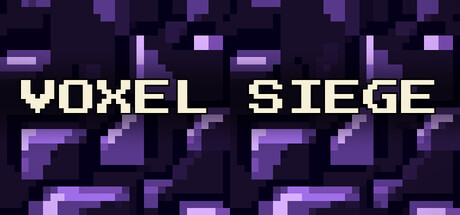
Voxel Siege uses generative AI for some pre-generated content, all reviewed by the developer before inclusion. Specifically: some in-game material/block textures were created with AI image tools; the music and sound effects were created with AI audio-generation tools; the store page description and some marketing copy were drafted with AI assistance; and some level/fortress layouts were generated with AI-assisted tooling. All AI-generated content was created during development (not live or at runtime), was reviewed by the developer, and does not incorporate third-party intellectual property. The game does not generate any AI content live during gameplay.
This game utilizes pre-generated AI tools to create SFXs, music, UI images, texts, and one 3D model. Some of which are edited and all of which are selected with care.
Quarter Mile contains no AI-generated art, music, voice or in-game text.
Every visual in the game is rendered in real time from geometry and materials authored by hand in code — there are no image assets. Every sound is synthesized by the game while you play, from a physical model of the engine; no audio files ship with the game. All car data and track layouts are hand-authored.
The store page capsule art and screenshots are rendered by the game itself, using the same renderer that draws the game — they are not concept art, not painted, and not AI-generated.
The game description and other store page text were written with the assistance of an AI writing assistant, and portions of the game's source code were written with the assistance of an AI coding assistant. All of it was reviewed and edited by the developer.
The game does not use generative AI at runtime. Nothing is generated while you play, there is no network connection of any kind, and the game is fully playable offline.
Generative AI was used during development to create and iterate on selected pre-rendered 2D artwork, environmental textures, decals, and billboard/sign graphics. These assets were selected, edited, processed, and integrated by the developer. No AI content is generated during gameplay, and the game does not connect to external AI services.
Generative AI was used during development to create some concept art, early promotional images, certain 3D assets, and UI illustrations. All AI-generated content was reviewed, edited, and integrated by the developer. The game does not use AI-generated content during gameplay.
Generative AI was used to assist in the creation of some promotional artwork used on the Steam store page, including store and library artwork. The resulting assets were reviewed and selected by the developer before publication.
The game does not use generative AI to create content dynamically during gameplay.
This game uses generative AI during development to create some image assets, music assets, and text drafts. All generated content was reviewed by the developer and edited or processed as necessary before being included in the game. The game does not generate content using generative AI during gameplay.
During Early Access, AI placeholders might be used in lieu of handcrafted assets to speed up development and to improve the game’s visual fidelity. It is currently our plan to gradually replace all AI-generated assets by the final release.
During the development of Star Surge, generative AI tools were used to assist in designing certain in-game visuals (such as achievement icons) and promotional materials. AI was utilized as an aid to accelerate the visual production process, and all generated content was adjusted to fit the game's sci-fi theme. The core mechanics and coding of the game were developed entirely by hand.
Generative AI was used to help create certain visual assets and promotional materials. Originally hand-drawn building graphics were processed with AI tools to increase detail and were subsequently manually edited.
Generative AI tools were used to assist in the creation of promotional store assets (such as store banners and visual graphics). Additionally, AI-assisted tools were used during development to help write and optimize procedural C# code for dynamic map generation and environment layout variation. The game itself does not generate content or call external AI models in real-time while running.
This game uses AI-generated audio effects (via ElevenLabs) for a limited set of sound effects, layered and processed alongside licensed library sounds. As a solo developer on a tight budget, this let me create specific, bespoke sounds without the cost of a full custom audio pack for assets that are only used a handful of times.
Some of these may be replaced with human-composed audio as the game develops.
Generative AI tools were used during the development of ScrapBound to assist with the creation of some visual and audio assets. AI-generated imagery was used as a starting point for various game assets, which were then modified, edited, and integrated to fit the game's visual style. Many of these assets will over time be replaced as the development of the game continues.
Some of the artwork in this game — including bumper, ball, table and mark sprites — was created with AI-assisted pixel art tools and then reviewed, edited and assembled by hand. The world and boss music comes from licensed artists who state that they work with AI assistance; the sound effects are not AI-generated. Parts of the source code were written with AI assistance. No content is generated by AI while playing.
- AI coding agents were used to assist with general game programming for Sudden Death Golf in order to iterate over gameplay ideas faster as a solo dev
- Some parts of in-game UI/UX design were created with the assist of AI
- No 3D models or textures were made with AI. Most were made by hand by me, some were bought or commissioned
Development of PUCKVPUCK was assisted by an AI coding assistant. It helped write and review the game's code — including the sound effects, which are synthesised mathematically in code rather than recorded or sampled — and it drafted text for this store page. No AI image, audio or video generation models were used: the visuals are drawn procedurally by hand-written code, every screenshot and trailer clip is real captured gameplay, and all music was written and performed by the developers. Nothing is generated live while you play.
Some Steam store and library presentation artwork was created with assistance from generative AI tools, then selected and edited by the developer. Localization was completed conventionally, with AI used to assist in verification and quality checks.
Generative AI was used extensively during development to create pre-generated artwork, visual assets, text, and localization included in the game and its store and marketing materials. All AI-generated content was reviewed and edited by the developer. No AI content is generated live during gameplay.
Generative AI was used only to create selected pre-generated promotional artwork for the Steam store page and other marketing materials. All resulting images were manually reviewed, selected, and edited by the developer.
The game does not use generative AI during gameplay and does not generate any live AI content.
We use generative AI tools to assist in producing some pre-rendered visual assets, including concept art and promotional imagery used on this store page. All AI-assisted output is reviewed, edited and art-directed by our team. The game contains no live-generated AI content.
We use generative AI tools to assist in producing some pre-rendered visual assets, including concept art and promotional imagery used on this store page. All AI-assisted output is reviewed, edited and art-directed by our team. The game contains no live-generated AI content.
Generative AI tools were used during development to assist with the creation of some voice-over content, images, and written content. All AI-assisted content was generated and reviewed by the developer before being included in the game or its promotional materials. No generative AI is used during gameplay.
Generative AI tools were used during development to create pre-generated content included in the game. Suno AI was used to create the music tracks under a paid commercial-use plan. AI-assisted tools were also used to help create some 3D and environmental assets, as well as localization text. All outputs were reviewed, edited, and integrated by the developer before release. The game does not generate AI content during gameplay and does not connect to any generative AI service at runtime.
Generative AI tools were used during development to assist in the creation of some 3D assets. All AI-assisted content was reviewed, edited, and integrated by the developer before being included in the game.
Generative AI was used as an assistive tool in preparing parts of the game’s Steam store presence and marketing materials. This includes some store page artwork and promotional assets, short and long descriptions, store metadata, and localized versions of these materials.
All AI-assisted content was reviewed, edited, and approved by the development team before publication. No content is generated by AI during gameplay.
We use generative AI to help identify coding errors that could otherwise take a significant amount of time to find manually.
We also use it during brainstorming to generate textures that would take a long time to create by hand and may ultimately be discarded.
All AI-generated feedback/content is reviewed and modified by a team member until it fits what we really want to do.
Voxel Siege uses generative AI for some pre-generated content, all reviewed by the developer before inclusion. Specifically: some in-game material/block textures were created with AI image tools; the music and sound effects were created with AI audio-generation tools; the store page description and some marketing copy were drafted with AI assistance; and some level/fortress layouts were generated with AI-assisted tooling. All AI-generated content was created during development (not live or at runtime), was reviewed by the developer, and does not incorporate third-party intellectual property. The game does not generate any AI content live during gameplay.
This game utilizes pre-generated AI tools to create SFXs, music, UI images, texts, and one 3D model. Some of which are edited and all of which are selected with care.
Quarter Mile contains no AI-generated art, music, voice or in-game text.
Every visual in the game is rendered in real time from geometry and materials authored by hand in code — there are no image assets. Every sound is synthesized by the game while you play, from a physical model of the engine; no audio files ship with the game. All car data and track layouts are hand-authored.
The store page capsule art and screenshots are rendered by the game itself, using the same renderer that draws the game — they are not concept art, not painted, and not AI-generated.
The game description and other store page text were written with the assistance of an AI writing assistant, and portions of the game's source code were written with the assistance of an AI coding assistant. All of it was reviewed and edited by the developer.
The game does not use generative AI at runtime. Nothing is generated while you play, there is no network connection of any kind, and the game is fully playable offline.
Generative AI was used during development to create and iterate on selected pre-rendered 2D artwork, environmental textures, decals, and billboard/sign graphics. These assets were selected, edited, processed, and integrated by the developer. No AI content is generated during gameplay, and the game does not connect to external AI services.
Generative AI was used during development to create some concept art, early promotional images, certain 3D assets, and UI illustrations. All AI-generated content was reviewed, edited, and integrated by the developer. The game does not use AI-generated content during gameplay.
Generative AI was used to assist in the creation of some promotional artwork used on the Steam store page, including store and library artwork. The resulting assets were reviewed and selected by the developer before publication.
The game does not use generative AI to create content dynamically during gameplay.
This game uses generative AI during development to create some image assets, music assets, and text drafts. All generated content was reviewed by the developer and edited or processed as necessary before being included in the game. The game does not generate content using generative AI during gameplay.
During Early Access, AI placeholders might be used in lieu of handcrafted assets to speed up development and to improve the game’s visual fidelity. It is currently our plan to gradually replace all AI-generated assets by the final release.
During the development of Star Surge, generative AI tools were used to assist in designing certain in-game visuals (such as achievement icons) and promotional materials. AI was utilized as an aid to accelerate the visual production process, and all generated content was adjusted to fit the game's sci-fi theme. The core mechanics and coding of the game were developed entirely by hand.
Generative AI was used to help create certain visual assets and promotional materials. Originally hand-drawn building graphics were processed with AI tools to increase detail and were subsequently manually edited.
Generative AI tools were used to assist in the creation of promotional store assets (such as store banners and visual graphics). Additionally, AI-assisted tools were used during development to help write and optimize procedural C# code for dynamic map generation and environment layout variation. The game itself does not generate content or call external AI models in real-time while running.
This game uses AI-generated audio effects (via ElevenLabs) for a limited set of sound effects, layered and processed alongside licensed library sounds. As a solo developer on a tight budget, this let me create specific, bespoke sounds without the cost of a full custom audio pack for assets that are only used a handful of times.
Some of these may be replaced with human-composed audio as the game develops.
Generative AI tools were used during the development of ScrapBound to assist with the creation of some visual and audio assets. AI-generated imagery was used as a starting point for various game assets, which were then modified, edited, and integrated to fit the game's visual style. Many of these assets will over time be replaced as the development of the game continues.
Some of the artwork in this game — including bumper, ball, table and mark sprites — was created with AI-assisted pixel art tools and then reviewed, edited and assembled by hand. The world and boss music comes from licensed artists who state that they work with AI assistance; the sound effects are not AI-generated. Parts of the source code were written with AI assistance. No content is generated by AI while playing.
- AI coding agents were used to assist with general game programming for Sudden Death Golf in order to iterate over gameplay ideas faster as a solo dev
- Some parts of in-game UI/UX design were created with the assist of AI
- No 3D models or textures were made with AI. Most were made by hand by me, some were bought or commissioned
Development of PUCKVPUCK was assisted by an AI coding assistant. It helped write and review the game's code — including the sound effects, which are synthesised mathematically in code rather than recorded or sampled — and it drafted text for this store page. No AI image, audio or video generation models were used: the visuals are drawn procedurally by hand-written code, every screenshot and trailer clip is real captured gameplay, and all music was written and performed by the developers. Nothing is generated live while you play.
Some Steam store and library presentation artwork was created with assistance from generative AI tools, then selected and edited by the developer. Localization was completed conventionally, with AI used to assist in verification and quality checks.
Generative AI was used extensively during development to create pre-generated artwork, visual assets, text, and localization included in the game and its store and marketing materials. All AI-generated content was reviewed and edited by the developer. No AI content is generated live during gameplay.
Generative AI was used only to create selected pre-generated promotional artwork for the Steam store page and other marketing materials. All resulting images were manually reviewed, selected, and edited by the developer.
The game does not use generative AI during gameplay and does not generate any live AI content.
We use generative AI tools to assist in producing some pre-rendered visual assets, including concept art and promotional imagery used on this store page. All AI-assisted output is reviewed, edited and art-directed by our team. The game contains no live-generated AI content.
We use generative AI tools to assist in producing some pre-rendered visual assets, including concept art and promotional imagery used on this store page. All AI-assisted output is reviewed, edited and art-directed by our team. The game contains no live-generated AI content.
Generative AI tools were used during development to assist with the creation of some voice-over content, images, and written content. All AI-assisted content was generated and reviewed by the developer before being included in the game or its promotional materials. No generative AI is used during gameplay.
Generative AI tools were used during development to create pre-generated content included in the game. Suno AI was used to create the music tracks under a paid commercial-use plan. AI-assisted tools were also used to help create some 3D and environmental assets, as well as localization text. All outputs were reviewed, edited, and integrated by the developer before release. The game does not generate AI content during gameplay and does not connect to any generative AI service at runtime.
Generative AI tools were used during development to assist in the creation of some 3D assets. All AI-assisted content was reviewed, edited, and integrated by the developer before being included in the game.
Generative AI was used as an assistive tool in preparing parts of the game’s Steam store presence and marketing materials. This includes some store page artwork and promotional assets, short and long descriptions, store metadata, and localized versions of these materials.
All AI-assisted content was reviewed, edited, and approved by the development team before publication. No content is generated by AI during gameplay.
We use generative AI to help identify coding errors that could otherwise take a significant amount of time to find manually.
We also use it during brainstorming to generate textures that would take a long time to create by hand and may ultimately be discarded.
All AI-generated feedback/content is reviewed and modified by a team member until it fits what we really want to do.