Public Steam disclosure research25,383 disclosures tracked
Where do games disclose AI use?
Search developers’ Steam disclosures, compare classified AI use across
games, and follow recorded changes.
This index adds cross-game classifications and statistics to
statements published on individual store pages.
Groups reflect automatic analysis of public disclosures; mature records are excluded. These counts do not measure AI use across all of Steam.
Missing or unclear statements cannot establish whether a game uses AI.
Currently, all locales are generated by an LLM. However, I am making significant efforts to ensure that all supported UI languages 100% human-made for the future.
If the user chooses to, there are alternative translation models to download & use through the community repository. These are all text generative AI.
Throughout our development, we may leverage AI-based tools to assist our team in programming logic and audio production. Please rest assured that the final gameplay and soundscapes reflect the creativity and hard work of our team. Examples include code optimization and musical composition aids.
We want to be transparent about our use of AI:
AI is used for: assisting with code development (debugging, refactoring, technical guidance during programming sessions).
AI is NOT used for: the story, the dialogue, the music, the illustrations, the character designs, or any creative content. A Piano Tale is a deeply personal project, and its soul comes entirely from human hands.
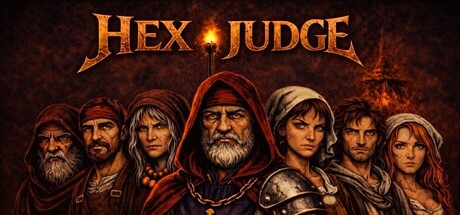
This game uses AI-assisted systems to support dynamic dialogue during interrogations with villagers. The AI helps generate variations in conversations to enhance immersion and replayability while maintaining the game’s narrative structure.
The game also uses AI-assisted systems to generate epilogues based on the player’s verdicts and the relationships between villagers. These epilogues help reflect the consequences of the player’s decisions and provide varied outcomes across playthroughs.
The dialogue and epilogue generation systems operate within structured prompts and developer-defined constraints to ensure consistency with the game’s design.
The AI systems are designed with safeguards to prevent inappropriate or harmful outputs. AI-assisted content is reviewed and refined during development to ensure it remains appropriate for the game’s setting and narrative.
Some visual assets were created with the assistance of generative AI tools. These assets were reviewed, edited, and refined by the developer before being implemented into the game.
All assets were checked to ensure they are appropriate and consistent with the game’s artistic direction.
Methodox uses AI-assisted tools during both development and gameplay, with human oversight at every stage.
During production, AI tools were used to help generate certain visual assets and explore design concepts. All assets were reviewed, curated, and integrated by human designers. Final artistic direction and implementation were handled by the development team.
In gameplay, characters use AI-driven systems to simulate conversation. These systems include multiple safety measures and have been thoroughly tested to help ensure generated content remains appropriate. If you encounter an issue, please report it to our support team at contact@methodox.io so we can review and address it.
The team will continue refining and improving gameplay systems and visual assets over time.
Thank you for your support!
This game used generative AI tools during development: some art assets were generated with generative AI and then reviewed/curated (and adjusted when needed) by the developer; coding and refactoring were assisted by GPT-5.2, with all changes reviewed and finalized by the developer. The game does not include any in-game generative AI features for players at runtime.
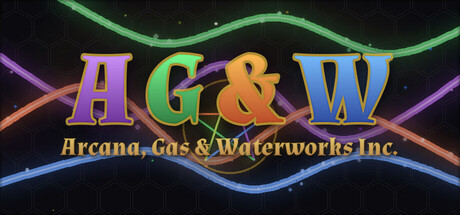
The pipes, ley lines, and gas mains of Arcana, Gas & Waterworks Inc. were designed, debated, and duct-taped together by a single developer. All music was licensed from real indie musicians, who did NOT use generative AI in any way, and who are credited in the game. Generative AI tools helped bring AGW Inc. to life by turning hand-drawn sketches into finished art, scripting sound effects, and contributing early drafts of in-game text. All of this content was rewritten, expanded, or replaced by the developer to fit the game's voice and world. Thanks to the help of these AI tools, I was able to finally answer the burning question, "What if fantasy worlds needed infrastructure?"
Some assets in this game were created with the assistance of generative AI tools during development.
All content was reviewed, edited, and curated by the developer before being included in the game.
The images were refined by artificial intelligence based on real photos taken in the city of Aix-les-Bains. The music was also arranged using an artificial intelligence tool.
We use generative AI in a limited capacity to extend backgrounds (canvas expansion) and remove unwanted elements in some of the live-action miniature images.
The original source materials are real photographs, and all content is reviewed and adjusted by the developer.
Generative AI is also used as a writing assistant for parts of the in-game text.
Remove virus does not use generative AI to generate gameplay content, dialogue, code, or assets during play. The game does not connect to external AI services. All content included in the build is pre-created by the developer.
Some graphical assets and sounds were created using generative AI tools during development. These were manually refined to ensure quality and unique identity.
The game utilizes pre-generated content created with the assistance of Artificial Intelligence (AI). As a solo developer, I used AI tools in the following areas:
2D Graphics: Generation and processing of backgrounds, character portraits (e.g., images of Saints in the notebook), and user interface elements.
Coding: Assistance in writing and optimizing scripts within the Godot engine.
All generated content has been manually verified, edited, and approved by the author to ensure consistency with the story and values presented in the game.
I am a software engineer with over 20 years of professional experience in fields from robotics to AI (writing actual neural networks, not typing prompts) to healthcare. I used some generated content for scaffolding of UI/UX, as well as music and some background VFX, but I am responsible for and able to understand and modify every line of code. The game itself is built on a program I wrote by hand several months ago from time of release.
Some of the images in this game, especially the artwork, were created using AI tools as a visual supplement.
This creative choice allowed me to focus more time and resources on what matters most, delivering longer, more engaging, and fun gameplay.
Some visual assets and text were created with the assistance of generative AI tools. All AI-generated content has been reviewed and edited by the developer to ensure originality and compliance with Steam policies.
The game utilizes generative AI tools to assist in the creative process. This includes generating assets such as 2D artwork/textures, 3D model concepts, coding scripts assistance, and background music/audio elements. All AI-generated content has been manually reviewed and edited by the developer to ensure it fits the game's artistic vision and standards.
This title uses generative AI tools to assist in the creation of some written content and visual assets. All AI-assisted content is curated, edited, and finalized by the developer, and no AI-generated content is created dynamically during gameplay.
Generative AI tools were used during development in a supportive role. This includes assistance with grammar checks and text refinement, as well as helping translate original German game content into clear and natural English.
In addition, AI assisted image generation was used as a basis for selected HUD elements and inventory item visuals, as well as for a small number of in game visual assets. AI assisted tools were used during the creation of the game’s background music. All AI generated content was reviewed, edited, and integrated manually to ensure consistency with the game’s art style and overall presentation.
Some pre-rendered visual assets, music, and marketing materials were created with the assistance of generative AI. No live AI generation is used in gameplay.
Some visual and marketing materials for Regret To Inform were assisted by generative AI tools. All generated content was reviewed, edited, and integrated by the developer to ensure consistency with the game's artistic direction and quality standards.
[About the Developer]We are TEAM OLDBOY, a group of developers with over 20 years of experience, experimenting with various complex genres through the integration of AI technology.[AI Disclosure]Throughout our development pipeline—spanning planning, art, and programming—we have utilized AI agents and generative AI technologies. Specifically, they were used to generate character dialogue based on narrative settings, create character concepts and art, produce ending animation sequences, and compose music and voice-overs.While we leverage AI to streamline production, every element has been meticulously reviewed and finalized by our human developers to ensure our core creative philosophy is reflected in the final product.Dialogue Generation: AI was used to generate character scripts and dialogues based on each character's unique personality and traits.Visual Assets: A portion of the character illustrations and the ending animation sequences were created using generative AI tools.Audio & Voice: The game's background music and character voice-overs (dubbing) were produced through AI-powered audio technology.General Development: Generative AI was integrated into the overall development workflow to enhance efficiency in a short-term development environment.
Some images in the game were created with the help of artificial intelligence to enhance the atmosphere and the visual design of cards and environments. The AI was used only for artistic purposes and does not affect gameplay.
We use pre-generated AI assets for background images. However, we do not use any raw AI-generated content directly. All AI-generated images are strictly used only as a base and are manually retouched and polished by human artists
Portions of the game's source code were authored with the assistance of AI tools. All AI-assisted code has been manually reviewed, refined, and tested by the development team.
Our game utilizes neural networks for creating visually stunning and immersive environments. AI technology is employed in the production pipeline to assist in rendering backgrounds and character designs, ensuring a unique and high-quality artistic style. While AI aids in the creative process, all generated content is carefully reviewed, refined, and finalized by our team of professional artists to meet the highest standards of originality and quality.
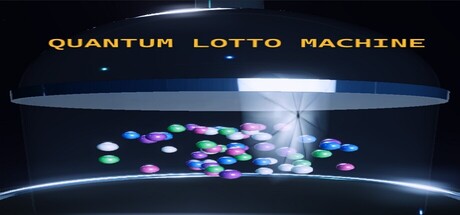
In the upper left corner of the game screen (highlighted in yellow), AI-generated numbers are selected based on an analysis of all possible combinations, including probability calculations. The AI retrieves data from a database of previous draws and uses it to calculate the possible combinations of numbers that could be drawn in the next lotto draw.
Some visual assets in this game were created using generative AI tools. All such content has been reviewed, edited, and manually integrated into the game by the developer. The usage rights for these assets belong to the developer. The game does not generate AI content in real time during gameplay.
This game uses generative and pre-generated AI to create environmental artwork, such as in-game pictures and frames. Additionally, AI tools were used during the development process to refine and polish the game's narrative elements and marketing copy. All AI generated and assisted content has been manually curated, edited, and integrated by the developer to ensure a high quality and cohesive experience
Generative artificial intelligence is utilized in game development for the artistic creation of images rendering scenic spots and historical sites and horses.
Currently, all locales are generated by an LLM. However, I am making significant efforts to ensure that all supported UI languages 100% human-made for the future.
If the user chooses to, there are alternative translation models to download & use through the community repository. These are all text generative AI.
Throughout our development, we may leverage AI-based tools to assist our team in programming logic and audio production. Please rest assured that the final gameplay and soundscapes reflect the creativity and hard work of our team. Examples include code optimization and musical composition aids.
We want to be transparent about our use of AI:
AI is used for: assisting with code development (debugging, refactoring, technical guidance during programming sessions).
AI is NOT used for: the story, the dialogue, the music, the illustrations, the character designs, or any creative content. A Piano Tale is a deeply personal project, and its soul comes entirely from human hands.
This game uses AI-assisted systems to support dynamic dialogue during interrogations with villagers. The AI helps generate variations in conversations to enhance immersion and replayability while maintaining the game’s narrative structure.
The game also uses AI-assisted systems to generate epilogues based on the player’s verdicts and the relationships between villagers. These epilogues help reflect the consequences of the player’s decisions and provide varied outcomes across playthroughs.
The dialogue and epilogue generation systems operate within structured prompts and developer-defined constraints to ensure consistency with the game’s design.
The AI systems are designed with safeguards to prevent inappropriate or harmful outputs. AI-assisted content is reviewed and refined during development to ensure it remains appropriate for the game’s setting and narrative.
Some visual assets were created with the assistance of generative AI tools. These assets were reviewed, edited, and refined by the developer before being implemented into the game.
All assets were checked to ensure they are appropriate and consistent with the game’s artistic direction.
Methodox uses AI-assisted tools during both development and gameplay, with human oversight at every stage.
During production, AI tools were used to help generate certain visual assets and explore design concepts. All assets were reviewed, curated, and integrated by human designers. Final artistic direction and implementation were handled by the development team.
In gameplay, characters use AI-driven systems to simulate conversation. These systems include multiple safety measures and have been thoroughly tested to help ensure generated content remains appropriate. If you encounter an issue, please report it to our support team at contact@methodox.io so we can review and address it.
The team will continue refining and improving gameplay systems and visual assets over time.
Thank you for your support!
This game used generative AI tools during development: some art assets were generated with generative AI and then reviewed/curated (and adjusted when needed) by the developer; coding and refactoring were assisted by GPT-5.2, with all changes reviewed and finalized by the developer. The game does not include any in-game generative AI features for players at runtime.
The pipes, ley lines, and gas mains of Arcana, Gas & Waterworks Inc. were designed, debated, and duct-taped together by a single developer. All music was licensed from real indie musicians, who did NOT use generative AI in any way, and who are credited in the game. Generative AI tools helped bring AGW Inc. to life by turning hand-drawn sketches into finished art, scripting sound effects, and contributing early drafts of in-game text. All of this content was rewritten, expanded, or replaced by the developer to fit the game's voice and world. Thanks to the help of these AI tools, I was able to finally answer the burning question, "What if fantasy worlds needed infrastructure?"
Some assets in this game were created with the assistance of generative AI tools during development.
All content was reviewed, edited, and curated by the developer before being included in the game.
The images were refined by artificial intelligence based on real photos taken in the city of Aix-les-Bains. The music was also arranged using an artificial intelligence tool.
We use generative AI in a limited capacity to extend backgrounds (canvas expansion) and remove unwanted elements in some of the live-action miniature images.
The original source materials are real photographs, and all content is reviewed and adjusted by the developer.
Generative AI is also used as a writing assistant for parts of the in-game text.
Remove virus does not use generative AI to generate gameplay content, dialogue, code, or assets during play. The game does not connect to external AI services. All content included in the build is pre-created by the developer.
Some graphical assets and sounds were created using generative AI tools during development. These were manually refined to ensure quality and unique identity.
The game utilizes pre-generated content created with the assistance of Artificial Intelligence (AI). As a solo developer, I used AI tools in the following areas:
2D Graphics: Generation and processing of backgrounds, character portraits (e.g., images of Saints in the notebook), and user interface elements.
Coding: Assistance in writing and optimizing scripts within the Godot engine.
All generated content has been manually verified, edited, and approved by the author to ensure consistency with the story and values presented in the game.
I am a software engineer with over 20 years of professional experience in fields from robotics to AI (writing actual neural networks, not typing prompts) to healthcare. I used some generated content for scaffolding of UI/UX, as well as music and some background VFX, but I am responsible for and able to understand and modify every line of code. The game itself is built on a program I wrote by hand several months ago from time of release.
Some of the images in this game, especially the artwork, were created using AI tools as a visual supplement.
This creative choice allowed me to focus more time and resources on what matters most, delivering longer, more engaging, and fun gameplay.
Some visual assets and text were created with the assistance of generative AI tools. All AI-generated content has been reviewed and edited by the developer to ensure originality and compliance with Steam policies.
The game utilizes generative AI tools to assist in the creative process. This includes generating assets such as 2D artwork/textures, 3D model concepts, coding scripts assistance, and background music/audio elements. All AI-generated content has been manually reviewed and edited by the developer to ensure it fits the game's artistic vision and standards.
This title uses generative AI tools to assist in the creation of some written content and visual assets. All AI-assisted content is curated, edited, and finalized by the developer, and no AI-generated content is created dynamically during gameplay.
Generative AI tools were used during development in a supportive role. This includes assistance with grammar checks and text refinement, as well as helping translate original German game content into clear and natural English.
In addition, AI assisted image generation was used as a basis for selected HUD elements and inventory item visuals, as well as for a small number of in game visual assets. AI assisted tools were used during the creation of the game’s background music. All AI generated content was reviewed, edited, and integrated manually to ensure consistency with the game’s art style and overall presentation.
Some pre-rendered visual assets, music, and marketing materials were created with the assistance of generative AI. No live AI generation is used in gameplay.
Some visual and marketing materials for Regret To Inform were assisted by generative AI tools. All generated content was reviewed, edited, and integrated by the developer to ensure consistency with the game's artistic direction and quality standards.
[About the Developer]We are TEAM OLDBOY, a group of developers with over 20 years of experience, experimenting with various complex genres through the integration of AI technology.[AI Disclosure]Throughout our development pipeline—spanning planning, art, and programming—we have utilized AI agents and generative AI technologies. Specifically, they were used to generate character dialogue based on narrative settings, create character concepts and art, produce ending animation sequences, and compose music and voice-overs.While we leverage AI to streamline production, every element has been meticulously reviewed and finalized by our human developers to ensure our core creative philosophy is reflected in the final product.Dialogue Generation: AI was used to generate character scripts and dialogues based on each character's unique personality and traits.Visual Assets: A portion of the character illustrations and the ending animation sequences were created using generative AI tools.Audio & Voice: The game's background music and character voice-overs (dubbing) were produced through AI-powered audio technology.General Development: Generative AI was integrated into the overall development workflow to enhance efficiency in a short-term development environment.
Some images in the game were created with the help of artificial intelligence to enhance the atmosphere and the visual design of cards and environments. The AI was used only for artistic purposes and does not affect gameplay.
We use pre-generated AI assets for background images. However, we do not use any raw AI-generated content directly. All AI-generated images are strictly used only as a base and are manually retouched and polished by human artists
Portions of the game's source code were authored with the assistance of AI tools. All AI-assisted code has been manually reviewed, refined, and tested by the development team.
Our game utilizes neural networks for creating visually stunning and immersive environments. AI technology is employed in the production pipeline to assist in rendering backgrounds and character designs, ensuring a unique and high-quality artistic style. While AI aids in the creative process, all generated content is carefully reviewed, refined, and finalized by our team of professional artists to meet the highest standards of originality and quality.
In the upper left corner of the game screen (highlighted in yellow), AI-generated numbers are selected based on an analysis of all possible combinations, including probability calculations. The AI retrieves data from a database of previous draws and uses it to calculate the possible combinations of numbers that could be drawn in the next lotto draw.
Some visual assets in this game were created using generative AI tools. All such content has been reviewed, edited, and manually integrated into the game by the developer. The usage rights for these assets belong to the developer. The game does not generate AI content in real time during gameplay.
This game uses generative and pre-generated AI to create environmental artwork, such as in-game pictures and frames. Additionally, AI tools were used during the development process to refine and polish the game's narrative elements and marketing copy. All AI generated and assisted content has been manually curated, edited, and integrated by the developer to ensure a high quality and cohesive experience
Generative artificial intelligence is utilized in game development for the artistic creation of images rendering scenic spots and historical sites and horses.