Public Steam disclosure research25,376 disclosures tracked
Where do games disclose AI use?
Search developers’ Steam disclosures, compare classified AI use across
games, and follow recorded changes.
This index adds cross-game classifications and statistics to
statements published on individual store pages.
Groups reflect automatic analysis of public disclosures; mature records are excluded. These counts do not measure AI use across all of Steam.
Missing or unclear statements cannot establish whether a game uses AI.
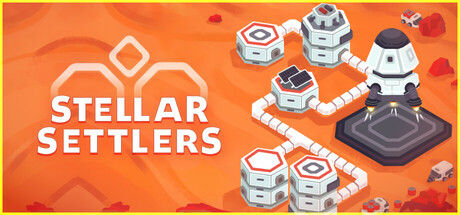
In-game settler busts and some concepts of planets are generated with self-trained generative image techniques. Some ideas for flavor text of settlers, planets and/or artifacts were created with the help of NLP technologies. (only for idea and concept generation, not for text)
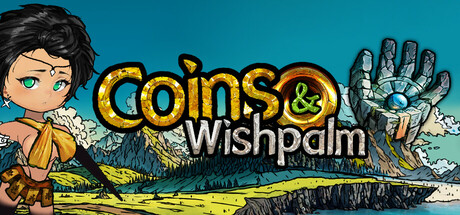
The game uses AI generated art for dragons, items, perks, landscapes and creatures.
Map, UI elements, battle effects and steam capsule are made by human beings.
Core design elements including units, animations, visual effects and sound effects were all created by real artists. AI tools were used solely for supporting assets like background images, portraits, buttons, and background music. These AI-generated assets were subsequently modified by our team. This approach enabled our three-person team to concentrate on core design and game mechanics.
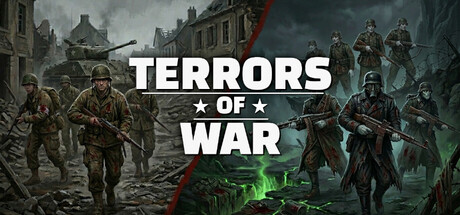
Terrors of War is being developed solo on a tight budget. To get the project to its current state I've used generative AI for a handful of placeholder assets: some voice lines, sound effects, UI iconography and the current Steam capsule art. These are all temporary. Every AI-assisted asset is flagged in the project as a placeholder and will be replaced with custom work from freelance artists progressively through Early Access. Wherever possible I use in-game screenshots and footage. What you see represents actual gameplay. No content is generated at runtime. All AI-assisted assets ship pre-generated in the build.
The visual assets in this game were created using AI-generated artwork. AI tools were used to generate images that were then curated and integrated into the game. AI-generated artwork was also used for the game's Steam capsule art and store page assets.
As a solo developer, I use AI to brainstorm drafts for some of the 2D assets, which I then edit by hand. These will be replaced with hand-drawn assets by release.
This game is the handcrafted work of a solo indie developer and artist. During the development process, generative tools were used as supportive instruments within the creative workflow for specific assets. The final game experience fully reflects the developer’s original creative vision and craftsmanship.
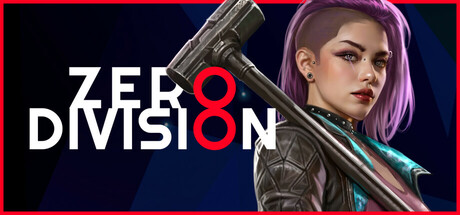
All of the art used in Zero Division is commissioned from (human) artists. However, one of the artists uses generative AI tools in the production of the commissioned work.
There is one song which uses lyrics we wrote and AI generated music to back it. There are a small number of AI generated images based on our sketches. The one AI character uses an AI generated voice.
In the interest of transparency, illustrations were created with the help of AI-assisted tools, used as creative support within a human-led artistic process.
Generative AI Integration:
During the early access phase, Morgenstern leverages generative AI to create placeholder assets, including images, sound effects, and text. This approach allows for rapid prototyping and iterative development, ensuring a dynamic and evolving gaming experience as we refine and enhance the final content.
A majority of the static image content, the character portrait animations in the Character Select screen, and some flavor text on playable cards, had AI play a role in their development.
Some notable exceptions to this are:
The card frame artwork for all cards, which were created by a contracted artist.
Our capsule and header images, which were created by a contracted artist.
Some enemy portraits.
Marketing materials which include artwork from the capsule and header.
All narrative and dialogue text, which was written by the team.
We would like to extend a special thank you to the select family and friends who volunteered their likenesses for use as models for some of our main characters. It is deeply appreciated and we enjoyed working with you.
AI voice cloning has been used, however, all acting has been performed by the voice actor, only the voice has been changed through AI technology.
ChatGPT was used to generate model numbers and descriptions for the in game parts store.
During our creative processes, we may use modern digital tools that include AI-based features to assist with content creation. This helps us stay innovative without losing sight of what makes our games truly unique, while ensuring the final product preserves the distinctive style and quality our development team strives for.
We employ generative AI technologies during the creation of some assets. Typically this involves the ideation of content and visual reference material. These elements represent a minor component of the overall development. AI has been used to generate voices for an AI antagonist and a player advisor.
This game used AI to help quickly iterate through designs for some UI elements using our own artwork as a baseline. AI is also used to help translate the game; and is used for the AlienGPT custom species system using player inputs.
Chat GPT is used to search for programming solutions and
to generate names.
AI is used to translate to other languages than English.
The paintings are prepared with a mixed canvas of AI images, 3D models, photos, textures and other paintings. And is then manually painted over, together with some filters and effects.
Generated audio melodies, voices and sound filters for game events are used.
The storefront Logo for this game was created with the help of AI-assisted tools and was then further developed through manual work — modified, improved, and integrated to align with the game’s overall style and vision. No other AI generation was used in the development of this game.
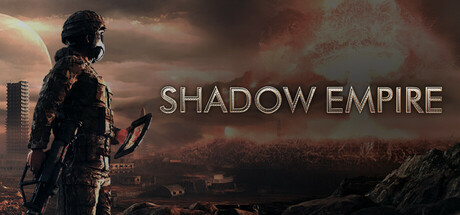
Usage of AI-Generated and Assisted Illustrations in Shadow Empire
Post-release Illustration Creation Process
The developers use Midjourney and Nano Banana to generate high-resolution illustrations for new functionality added post-release, particularly for Vidcom and Stratagem artwork.
These images are often post-processed by hand, as well as enhanced using tools like Magnific, Topaz Labs, or other upscaling and refinement software.
AI in Post-release Portrait Art
Portraits: A base image is generated using Midjourney with a generic prompt such as “portrait of young woman, military.”
Smaller parts (eyes, nose, mouth, hair, etc.) are overlaid using DALL·E to create variations.
Aging effects are achieved by rendering an older skin texture with partial transparency over the younger base face. The older the character, the more opaque the overlay becomes. (Note: Eyes and lips often retain a youthful appearance.)
This effect is gradually applied using a limited number of sprite layers, allowing nuanced visual transitions.
AI-Generated Art in Post-release Game Content
The game includes AI-generated and AI-assisted illustrations for Vidcoms and Stratagems.
All such AI-generated art is pre-generated — no generative AI tools are called or used in real-time by the game itself.
The intention is to provide players with an option to toggle between the original and updated AI-enhanced graphics via preferences. (Note: This is an aim and may not yet apply to all content.)
In-game settler busts and some concepts of planets are generated with self-trained generative image techniques. Some ideas for flavor text of settlers, planets and/or artifacts were created with the help of NLP technologies. (only for idea and concept generation, not for text)
The game uses AI generated art for dragons, items, perks, landscapes and creatures.
Map, UI elements, battle effects and steam capsule are made by human beings.
Core design elements including units, animations, visual effects and sound effects were all created by real artists. AI tools were used solely for supporting assets like background images, portraits, buttons, and background music. These AI-generated assets were subsequently modified by our team. This approach enabled our three-person team to concentrate on core design and game mechanics.
Terrors of War is being developed solo on a tight budget. To get the project to its current state I've used generative AI for a handful of placeholder assets: some voice lines, sound effects, UI iconography and the current Steam capsule art. These are all temporary. Every AI-assisted asset is flagged in the project as a placeholder and will be replaced with custom work from freelance artists progressively through Early Access. Wherever possible I use in-game screenshots and footage. What you see represents actual gameplay. No content is generated at runtime. All AI-assisted assets ship pre-generated in the build.
The visual assets in this game were created using AI-generated artwork. AI tools were used to generate images that were then curated and integrated into the game. AI-generated artwork was also used for the game's Steam capsule art and store page assets.
As a solo developer, I use AI to brainstorm drafts for some of the 2D assets, which I then edit by hand. These will be replaced with hand-drawn assets by release.
This game is the handcrafted work of a solo indie developer and artist. During the development process, generative tools were used as supportive instruments within the creative workflow for specific assets. The final game experience fully reflects the developer’s original creative vision and craftsmanship.
All of the art used in Zero Division is commissioned from (human) artists. However, one of the artists uses generative AI tools in the production of the commissioned work.
There is one song which uses lyrics we wrote and AI generated music to back it. There are a small number of AI generated images based on our sketches. The one AI character uses an AI generated voice.
In the interest of transparency, illustrations were created with the help of AI-assisted tools, used as creative support within a human-led artistic process.
Generative AI Integration:
During the early access phase, Morgenstern leverages generative AI to create placeholder assets, including images, sound effects, and text. This approach allows for rapid prototyping and iterative development, ensuring a dynamic and evolving gaming experience as we refine and enhance the final content.
A majority of the static image content, the character portrait animations in the Character Select screen, and some flavor text on playable cards, had AI play a role in their development.
Some notable exceptions to this are:
The card frame artwork for all cards, which were created by a contracted artist.
Our capsule and header images, which were created by a contracted artist.
Some enemy portraits.
Marketing materials which include artwork from the capsule and header.
All narrative and dialogue text, which was written by the team.
We would like to extend a special thank you to the select family and friends who volunteered their likenesses for use as models for some of our main characters. It is deeply appreciated and we enjoyed working with you.
AI voice cloning has been used, however, all acting has been performed by the voice actor, only the voice has been changed through AI technology.
ChatGPT was used to generate model numbers and descriptions for the in game parts store.
During our creative processes, we may use modern digital tools that include AI-based features to assist with content creation. This helps us stay innovative without losing sight of what makes our games truly unique, while ensuring the final product preserves the distinctive style and quality our development team strives for.
We employ generative AI technologies during the creation of some assets. Typically this involves the ideation of content and visual reference material. These elements represent a minor component of the overall development. AI has been used to generate voices for an AI antagonist and a player advisor.
This game used AI to help quickly iterate through designs for some UI elements using our own artwork as a baseline. AI is also used to help translate the game; and is used for the AlienGPT custom species system using player inputs.
Chat GPT is used to search for programming solutions and
to generate names.
AI is used to translate to other languages than English.
The paintings are prepared with a mixed canvas of AI images, 3D models, photos, textures and other paintings. And is then manually painted over, together with some filters and effects.
Generated audio melodies, voices and sound filters for game events are used.
The storefront Logo for this game was created with the help of AI-assisted tools and was then further developed through manual work — modified, improved, and integrated to align with the game’s overall style and vision. No other AI generation was used in the development of this game.
Usage of AI-Generated and Assisted Illustrations in Shadow Empire
Post-release Illustration Creation Process
The developers use Midjourney and Nano Banana to generate high-resolution illustrations for new functionality added post-release, particularly for Vidcom and Stratagem artwork.
These images are often post-processed by hand, as well as enhanced using tools like Magnific, Topaz Labs, or other upscaling and refinement software.
AI in Post-release Portrait Art
Portraits: A base image is generated using Midjourney with a generic prompt such as “portrait of young woman, military.”
Smaller parts (eyes, nose, mouth, hair, etc.) are overlaid using DALL·E to create variations.
Aging effects are achieved by rendering an older skin texture with partial transparency over the younger base face. The older the character, the more opaque the overlay becomes. (Note: Eyes and lips often retain a youthful appearance.)
This effect is gradually applied using a limited number of sprite layers, allowing nuanced visual transitions.
AI-Generated Art in Post-release Game Content
The game includes AI-generated and AI-assisted illustrations for Vidcoms and Stratagems.
All such AI-generated art is pre-generated — no generative AI tools are called or used in real-time by the game itself.
The intention is to provide players with an option to toggle between the original and updated AI-enhanced graphics via preferences. (Note: This is an aim and may not yet apply to all content.)