Public Steam disclosure research25,376 disclosures tracked
Where do games disclose AI use?
Search developers’ Steam disclosures, compare classified AI use across
games, and follow recorded changes.
This index adds cross-game classifications and statistics to
statements published on individual store pages.
Groups reflect automatic analysis of public disclosures; mature records are excluded. These counts do not measure AI use across all of Steam.
Missing or unclear statements cannot establish whether a game uses AI.
Much of the artwork in Convoy Inc. was created with the help of AI image tools, including job and event scenes, driver portraits, truck and city illustrations, map decorations and parts of the interface art. Every image was selected, edited and composited by the developer to fit the game's vintage atlas style.
The illustrated story scenes and the music in the trailer were also created with AI-assisted tools.
The game's design, code, systems, map data and all written text were created by the developer. The game does not generate any AI content while it runs.
Game text translations and parts of the store page and marketing text were created with AI assistance. All art, music and sound effects are made without generative AI.
Some of the game's artwork (cards, bosses, mascot, icons) and music were initially created with generative AI tools, then reworked, edited and integrated by the developer. All code, game design, writing and balancing were made by the developer. No content is generated by AI while the game is running.
Generative AI was used during development to assist with the creation and refinement of some visual assets, marketing materials and localizations. No content is generated by AI during gameplay.
The songs currently featured in the ORECATRAZ demo and playtest were created using AI. During the playtest phase, we aim to connect with musicians who enjoy the game and share our creative vision. Our goal is to replace these AI-generated songs with original music composed specifically for Orecatraz.
A few in-game images were generated with an AI image tool and edited by the developer. The game's translations were drafted with AI tools and reviewed by the developer. All other art, sound and design were made by the developer.
Character art, portraits, monsters, backgrounds, item and skill icons, and story illustrations were created with AI image-generation tools, then selected, reviewed and laid out in the game by the developers. The background music was created with an AI music-generation tool (Suno). The code and text were written with AI assistance and reviewed by the developers. The game does not generate any AI content while it runs.
This game contains pre-generated content only: no AI generates content during gameplay. The game's translations (English, German, Italian, Spanish) and the store page texts were produced with the help of AI tools, then reviewed. All in-game visuals are rendered from the game's own 3D models.
Generative AI tools were used during development to assist with certain pre-generated content, including localization and selected visual assets. All AI-assisted content was reviewed and edited by the developer before being included in the game. The game does not use generative AI during gameplay and does not connect to external AI services.
Character art, UI graphics and icons were created with generative AI image tools, then selected and edited by the developer. Some in-game text, translations and store page text were drafted with AI assistance and reviewed by the developer. Nothing is generated by AI while you play.
This game contains no pre-generated content. Everything in the game is generated in real time by AI as you play. We want it to respond to every culinary idea a player has with something interesting and one of a kind. We use top-tier Claude models (such as Claude Fable 5.1) to deliver the best possible experience.
Generative AI tools were used during the development of Loth to create certain game assets. These AI-generated assets were reviewed, edited, and integrated into the game by the developer. No generative AI is used to create content in real time during gameplay.
The music, most sound effects and a few sprites and icons were made with AI assistance and reviewed by the team. Store graphics were assembled with AI assistance from the team's own artwork. No AI generates content while you play.
ZANOKA is made by a solo developer. All of its art began as hand-made drawings, sketches and pixel art, including concept art by artist Malaika Raheel. AI-assisted tools were used for polishing, frame interpolation and translation.
Some store artwork (key art, logo and capsule images) and some in-game icons were created with the help of generative AI tools, then reviewed and edited by the developer. Some in-game text translations were drafted with AI and reviewed by the developer. 3D models, textures and animations come from licensed asset packs. No content is generated by AI while you play.
AI tools assisted with game development, particularly multiplayer systems, and with the creation of in-game artwork, animations, and music as well as store and marketing visuals, including the logo.
Some translations were generated with AI and are in beta, so more players can enjoy the game in their language.
The art and music were made without AI.
Some graphics and sound assets included in this game were created with the assistance of Generative AI and were subsequently reviewed and retouched by humans.
Pre-generated: the music and SFX was created with generative AI tools and then edited and mixed by the developer. No generative AI is used while the game is running.
Some music, sound effects, artwork and translations were made with AI tools and edited by hand. The map, units and interface you see in play are drawn by the game's own code. No generative AI is used at runtime.
No art, audio, levels, or other authored game content was created using generative AI.
However, a small local AI model runs during gameplay to interpret the player's commands and control the character accordingly. Rest assured, it's dumb as a rock. It won't take over the world or your computer. It can barely take over the test subject.
Some pre-generated assets were created with generative AI tools and then reviewed and edited by the developer: chapter illustrations and mission background images shown in the menus, some badge (achievement) artwork, four mission-category icons, and six short cockpit voice alerts (text-to-speech). Gameplay, terrain, aircraft models, flight physics, mission design, and all in-game text were authored by the developer. The game does not generate any content at runtime.
Generative AI was used during development to create some environment artwork and branding, and to assist with localization and store text. The game does not generate AI content during play or connect to external AI services.
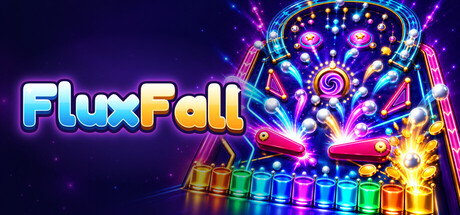
Generative AI tools assisted with creating content for FluxFall and its promotional materials. The developer revied and refined the results, guiding the creative direction, gameplay design, and final presentation.
The player portraits, mascots, team emblems, box paintings and a few event images were generated with image models from the developer's prompts, then hand-keyed and placed. All other art is drawn in the game's own code. No live generation: the game contacts no service.
The music is synthesized from hand-written scores and is not AI audio.
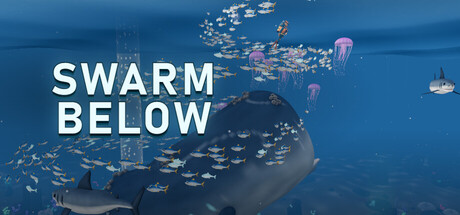
Swarm Below was built with help from an AI assistant. Its 3D models (built by scripts in Blender), its synthesized music and sound effects, and parts of the store page text and art were created with AI assistance under the developer's direction. Nothing is generated by AI while you play.
Generative AI tools were used during development to create visual assets, including images and artwork, as well as sound assets. AI tools were also used to assist with localization and the creation of store page descriptions and marketing materials. These assets and texts are prepared in advance. The game does not generate AI content during gameplay.
Some of the promotional and storefront images were created with AI tools and then refined by hand. All of the in-game assets were designed by a Pixel Art artist.
Art assets (card, mode and boss illustrations, backgrounds and store art) were created with generative AI tools and edited by the developer. No AI-generated content is created live during play.
Generative AI assisted with portions of the artwork, audio, code, and store promotional materials during development. These outputs were reviewed, adjusted, and integrated by the development team.
The game's characters, environment tiles, and totem were created by the developer in Aseprite. Additional enemy variants and animation frames were produced with the help of an AI coding assistant that draws sprites programmatically from authored pixel data. The menu music was created with the help of AI music tools. All promotional and store artwork was created by a human artist. No content is generated by AI while the game is running.
Generative AI was used to translate the game's text from Japanese into the other supported languages (English, Simplified Chinese, Traditional Chinese, Russian, German and French). The original Japanese text was written by a human.
During development, generative AI tools including OpenAI image generation and Higgsfield assisted with pre-generated visual source material for characters, enemies, bosses, animation strips, world props and floors, menu and capsule art, icons, and achievement art. AI coding assistants also contributed to production code, QA tooling, documentation, player-facing copy, and localization drafts. The developer selected, edited, cleaned, composited, animated, integrated, and QA-reviewed the resulting material. All player-visible content is fixed in the shipped build: no prompt, generative model, or external generation service runs at runtime, and the game has no live-generated AI feature.
Various visual and audio assets, translations, and promotional materials were created with the assistance of generative AI tools. All AI-assisted content was selected, reviewed, and integrated by the developer.
No generative AI is used during gameplay, and the game does not generate content in real time.
The track announcer and color commentator voices, including the horse-name calls, use AI text-to-speech voices (ElevenLabs), pre-generated during development and built into the game - no AI voice generation happens while you play. All game design, race simulation, wagering math, career systems, UI, code, and the horse and track roster were built by the developer.
Game music was pre-generated using AI tools and edited during development. Select non-English/German text localizations were pre-translated using AI translation tools and reviewed.
Some content in this game was created with the help of AI tools during development: the English and Japanese translations, the store page text, and parts of the pixel art, which is drawn in code written with an AI coding assistant. The game does not use AI to generate any content while you play.
Yes, AI helped make this game. Here's exactly how:
• I built it with an AI coding assistant. The design and direction are mine; the AI did a lot of the typing.
• The narrator's lines and item descriptions were drafted with AI and edited by me. So was this page.
• No image, music or voice generators. The art and sound are drawn and synthesized by code.
• Nothing is AI-generated while you play.
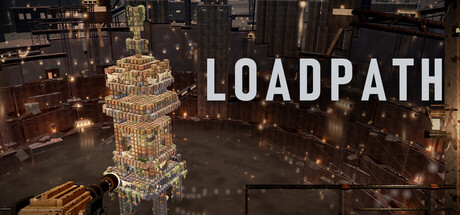
Generative AI tools assisted with LOADPATH’s development and the creation of game content, under the developer’s creative direction. The game was shaped through extensive iteration, selection and hands-on playtesting. The promotional trailer also uses AI-generated narration and music. All AI-generated content is prepared in advance; no generative AI runs during gameplay.
Part of the game were created with the help of generative AI tools, then reviewed, edited and assembled by the developer:
• visual art — the ambient background images and the animated background loop
• audio — background music and sound effects
Generative AI is used only during development to produce these assets. The game does NOT use any AI at runtime — there is no live AI generation while you play.
Puzzles and word lists are hand-curated, and level layouts are produced by our own deterministic algorithm (not AI).
Much of the artwork in Convoy Inc. was created with the help of AI image tools, including job and event scenes, driver portraits, truck and city illustrations, map decorations and parts of the interface art. Every image was selected, edited and composited by the developer to fit the game's vintage atlas style.
The illustrated story scenes and the music in the trailer were also created with AI-assisted tools.
The game's design, code, systems, map data and all written text were created by the developer. The game does not generate any AI content while it runs.
Game text translations and parts of the store page and marketing text were created with AI assistance. All art, music and sound effects are made without generative AI.
Some of the game's artwork (cards, bosses, mascot, icons) and music were initially created with generative AI tools, then reworked, edited and integrated by the developer. All code, game design, writing and balancing were made by the developer. No content is generated by AI while the game is running.
Generative AI was used during development to assist with the creation and refinement of some visual assets, marketing materials and localizations. No content is generated by AI during gameplay.
The songs currently featured in the ORECATRAZ demo and playtest were created using AI. During the playtest phase, we aim to connect with musicians who enjoy the game and share our creative vision. Our goal is to replace these AI-generated songs with original music composed specifically for Orecatraz.
A few in-game images were generated with an AI image tool and edited by the developer. The game's translations were drafted with AI tools and reviewed by the developer. All other art, sound and design were made by the developer.
Character art, portraits, monsters, backgrounds, item and skill icons, and story illustrations were created with AI image-generation tools, then selected, reviewed and laid out in the game by the developers. The background music was created with an AI music-generation tool (Suno). The code and text were written with AI assistance and reviewed by the developers. The game does not generate any AI content while it runs.
This game contains pre-generated content only: no AI generates content during gameplay. The game's translations (English, German, Italian, Spanish) and the store page texts were produced with the help of AI tools, then reviewed. All in-game visuals are rendered from the game's own 3D models.
Generative AI tools were used during development to assist with certain pre-generated content, including localization and selected visual assets. All AI-assisted content was reviewed and edited by the developer before being included in the game. The game does not use generative AI during gameplay and does not connect to external AI services.
Character art, UI graphics and icons were created with generative AI image tools, then selected and edited by the developer. Some in-game text, translations and store page text were drafted with AI assistance and reviewed by the developer. Nothing is generated by AI while you play.
This game contains no pre-generated content. Everything in the game is generated in real time by AI as you play. We want it to respond to every culinary idea a player has with something interesting and one of a kind. We use top-tier Claude models (such as Claude Fable 5.1) to deliver the best possible experience.
Generative AI tools were used during the development of Loth to create certain game assets. These AI-generated assets were reviewed, edited, and integrated into the game by the developer. No generative AI is used to create content in real time during gameplay.
The music, most sound effects and a few sprites and icons were made with AI assistance and reviewed by the team. Store graphics were assembled with AI assistance from the team's own artwork. No AI generates content while you play.
ZANOKA is made by a solo developer. All of its art began as hand-made drawings, sketches and pixel art, including concept art by artist Malaika Raheel. AI-assisted tools were used for polishing, frame interpolation and translation.
Some store artwork (key art, logo and capsule images) and some in-game icons were created with the help of generative AI tools, then reviewed and edited by the developer. Some in-game text translations were drafted with AI and reviewed by the developer. 3D models, textures and animations come from licensed asset packs. No content is generated by AI while you play.
AI tools assisted with game development, particularly multiplayer systems, and with the creation of in-game artwork, animations, and music as well as store and marketing visuals, including the logo.
Some translations were generated with AI and are in beta, so more players can enjoy the game in their language.
The art and music were made without AI.
Some graphics and sound assets included in this game were created with the assistance of Generative AI and were subsequently reviewed and retouched by humans.
Pre-generated: the music and SFX was created with generative AI tools and then edited and mixed by the developer. No generative AI is used while the game is running.
Some music, sound effects, artwork and translations were made with AI tools and edited by hand. The map, units and interface you see in play are drawn by the game's own code. No generative AI is used at runtime.
No art, audio, levels, or other authored game content was created using generative AI.
However, a small local AI model runs during gameplay to interpret the player's commands and control the character accordingly. Rest assured, it's dumb as a rock. It won't take over the world or your computer. It can barely take over the test subject.
Some pre-generated assets were created with generative AI tools and then reviewed and edited by the developer: chapter illustrations and mission background images shown in the menus, some badge (achievement) artwork, four mission-category icons, and six short cockpit voice alerts (text-to-speech). Gameplay, terrain, aircraft models, flight physics, mission design, and all in-game text were authored by the developer. The game does not generate any content at runtime.
Generative AI was used during development to create some environment artwork and branding, and to assist with localization and store text. The game does not generate AI content during play or connect to external AI services.
Generative AI tools assisted with creating content for FluxFall and its promotional materials. The developer revied and refined the results, guiding the creative direction, gameplay design, and final presentation.
The player portraits, mascots, team emblems, box paintings and a few event images were generated with image models from the developer's prompts, then hand-keyed and placed. All other art is drawn in the game's own code. No live generation: the game contacts no service.
The music is synthesized from hand-written scores and is not AI audio.
Swarm Below was built with help from an AI assistant. Its 3D models (built by scripts in Blender), its synthesized music and sound effects, and parts of the store page text and art were created with AI assistance under the developer's direction. Nothing is generated by AI while you play.
Generative AI tools were used during development to create visual assets, including images and artwork, as well as sound assets. AI tools were also used to assist with localization and the creation of store page descriptions and marketing materials. These assets and texts are prepared in advance. The game does not generate AI content during gameplay.
Some of the promotional and storefront images were created with AI tools and then refined by hand. All of the in-game assets were designed by a Pixel Art artist.
Art assets (card, mode and boss illustrations, backgrounds and store art) were created with generative AI tools and edited by the developer. No AI-generated content is created live during play.
Generative AI assisted with portions of the artwork, audio, code, and store promotional materials during development. These outputs were reviewed, adjusted, and integrated by the development team.
The game's characters, environment tiles, and totem were created by the developer in Aseprite. Additional enemy variants and animation frames were produced with the help of an AI coding assistant that draws sprites programmatically from authored pixel data. The menu music was created with the help of AI music tools. All promotional and store artwork was created by a human artist. No content is generated by AI while the game is running.
Generative AI was used to translate the game's text from Japanese into the other supported languages (English, Simplified Chinese, Traditional Chinese, Russian, German and French). The original Japanese text was written by a human.
During development, generative AI tools including OpenAI image generation and Higgsfield assisted with pre-generated visual source material for characters, enemies, bosses, animation strips, world props and floors, menu and capsule art, icons, and achievement art. AI coding assistants also contributed to production code, QA tooling, documentation, player-facing copy, and localization drafts. The developer selected, edited, cleaned, composited, animated, integrated, and QA-reviewed the resulting material. All player-visible content is fixed in the shipped build: no prompt, generative model, or external generation service runs at runtime, and the game has no live-generated AI feature.
Various visual and audio assets, translations, and promotional materials were created with the assistance of generative AI tools. All AI-assisted content was selected, reviewed, and integrated by the developer.
No generative AI is used during gameplay, and the game does not generate content in real time.
The track announcer and color commentator voices, including the horse-name calls, use AI text-to-speech voices (ElevenLabs), pre-generated during development and built into the game - no AI voice generation happens while you play. All game design, race simulation, wagering math, career systems, UI, code, and the horse and track roster were built by the developer.
Game music was pre-generated using AI tools and edited during development. Select non-English/German text localizations were pre-translated using AI translation tools and reviewed.
Some content in this game was created with the help of AI tools during development: the English and Japanese translations, the store page text, and parts of the pixel art, which is drawn in code written with an AI coding assistant. The game does not use AI to generate any content while you play.
Yes, AI helped make this game. Here's exactly how:
• I built it with an AI coding assistant. The design and direction are mine; the AI did a lot of the typing.
• The narrator's lines and item descriptions were drafted with AI and edited by me. So was this page.
• No image, music or voice generators. The art and sound are drawn and synthesized by code.
• Nothing is AI-generated while you play.
Generative AI tools assisted with LOADPATH’s development and the creation of game content, under the developer’s creative direction. The game was shaped through extensive iteration, selection and hands-on playtesting. The promotional trailer also uses AI-generated narration and music. All AI-generated content is prepared in advance; no generative AI runs during gameplay.
Part of the game were created with the help of generative AI tools, then reviewed, edited and assembled by the developer:
• visual art — the ambient background images and the animated background loop
• audio — background music and sound effects
Generative AI is used only during development to produce these assets. The game does NOT use any AI at runtime — there is no live AI generation while you play.
Puzzles and word lists are hand-curated, and level layouts are produced by our own deterministic algorithm (not AI).