Public Steam disclosure research25,383 disclosures tracked
Where do games disclose AI use?
Search developers’ Steam disclosures, compare classified AI use across
games, and follow recorded changes.
This index adds cross-game classifications and statistics to
statements published on individual store pages.
Groups reflect automatic analysis of public disclosures; mature records are excluded. These counts do not measure AI use across all of Steam.
Missing or unclear statements cannot establish whether a game uses AI.
This game uses generative AI tools to assist in the creation of select visual assets and localization.
Card illustrations and art assets: AI-generated concepts serve as an early creative foundation, developed under the direction of veteran concept artist Ni Li (ArtStation portfolio available, 10+ years of artistic experience).
Localization: AI-assisted translation is used for 30+ languages.
Some 2D vector artwork and portions of game text/localization were created with the assistance of generative AI (Claude); all AI-generated content was reviewed by the developer
During development, generative AI was used to assist in creating some of the game’s 2D visual assets and icons. All AI-assisted content was manually reviewed and curated by the developers, and modified where necessary before being included in the final version. AI was also used to refactor some early code that was not yet well-structured.
Generative AI was used as an assistive tool during development and for localization support. All such content was reviewed and edited by the developer before inclusion. The game does not generate AI content live during gameplay.
I am a solo indie developer and programmer. Some of the 2D graphics in the game and its store materials were created with the assistance of generative AI, then reviewed, edited, and integrated by me. No generative AI is used during gameplay.
Generative AI Disclosure:
This game utilizes generative AI tools to assist in creating player-facing assets, including base visual artwork, narrative script drafts, and voiceover audio (via ElevenLabs).
All AI-assisted dialogue, visuals, and audio undergo significant manual editing, human curation, and design to ensure high production quality and artistic cohesion before shipping with the game. No live or dynamic generative AI is executed while the game is running.
We used Gemini AI during the development process to assist in generating some ambient background music tracks. Additionally, AI tools were used for minor assistance in refining some visual components and lighting enhancements for marketing assets. All components have been carefully curated, hand-edited, and integrated by the developer to comply with Steam's content policies.
Generative AI tools were used during development to assist with programming and code generation, and to create or refine certain pre-generated visual assets, including promotional artwork and selected in-game UI and art assets. All AI-assisted code and assets were reviewed, tested, and edited by the developer before inclusion. The released game does not generate content or code during gameplay and does not connect to external AI services.
Some 2D art was made with generative AI as a starting point, cards are renders of our real 3D models with painted backgrounds. No in-game AI, no AI voices, no real people's likenesses. Art may be replaced during Early Access.
Development is AI-assisted: source code, the procedural asset factories (meshes, MetaSound hero sounds, code-driven UMG) and docs are written with AI tooling under human review in-repo. No external generative-AI image/audio assets are imported; everything ships from the code-authored pipeline.
During development, as a solo developer, Claude Code was especially helpful for debugging, development and testing. There is no LLM usage within Frontier Protocol and no external connection is required to play Frontier Protocol.
The core gameplay, rules, progression structure, level objectives, and detailed level designs were created, reviewed, and finalized by the human development team. Generative AI was used only as a development aid for research and reference gathering, code assistance, and the initial creation of visual assets and in-game scene images. All AI-assisted content was manually selected, edited, integrated, and reviewed before being included in the game.
The game's main soundtrack was created using generative AI. The game's promotional capsule artwork was also created with the assistance of generative AI. All other gameplay, programming, game design, pixel art, animations, visual effects, sound effects, UI, and game content were created by the developer.
AI was used to assist with code, art, and sfx. I have manually edited and polished all AI-assisted elements by hand to make them as unsloppy as I possibly can. If anything feels like slop, please let me know in the Community Discussions / Discord, and I'll do my best to fix it. Thanks! :)
MonsterBash includes pre-generated AI-assisted artwork for certain menu backgrounds and between-level illustrations. All AI-generated assets were reviewed, edited, and integrated by the developer. No AI-generated content is created during gameplay.
Generative AI tools were used during development to assist in creating and refining certain pre-generated visual, audio, localization, and promotional materials. All AI-assisted content was reviewed, edited, and curated by the development team before being included in the game or its marketing materials. The game does not generate AI content in real time during gameplay.
The game contains a few voice lines that where generated using a text-to-speech service. I assume this service used some sort of gen-AI. For some translations an AI was used for proofreading.
Precinct 2099 uses generative AI as a production tool. Part of the visual material (backgrounds, character art and store images) and the music were created with AI tools and then selected, edited and art-directed by hand by our team. Some of the localisation work is AI-assisted. The story, script, characters and game design are written by humans. The game does not generate any content live while you play: everything ships pre-generated with the build.
This whole game exists because I wondered whether, with these tools, I could actually make one.
Generative AI tools were used to create assets that ship with the game. The 3D ship and enemy models were generated with Meshy AI from my own 2D concept art, and AI tools assisted with in-game text, audio, and parts of the store page and marketing materials.
The design, code and balance are mine — the wave generation, the ship and weapon tuning, the modification link-set system, the campaign structure. Seventeen worlds' worth of hand-tuned numbers.
I'm a solo developer with a full-time job and three kids. The answer to the question turned out to be yes, and this is it.
Some of the art and audio assets in this game were created with the assistance of generative AI tools. Specifically, certain 3D models, UI icons, and background music tracks were generated using AI and then reviewed, edited, and integrated by the developer. No AI-generated content is created live during gameplay.
This game contains pre-generated AI-assisted visual assets. Specifically, the background HDRI environment texture used for lighting/background purposes was created using generative AI. No live-generated AI content is presented to players during gameplay.
Generative AI tools were used to create part of this game's visual assets: 2D unit and building sprites, terrain textures, background art, and 3D models. Some store page and marketing images were created the same way. Every generated asset was selected, edited and assembled by hand, and the game generates no content at runtime.
Generative AI was used as a base/concept for creating store page capsule graphics, which were subsequently hand-edited and post-processed in image editing software. No AI content is present in the game itself.
AI is used only to generate elements for the trailer and promotional media. AI is not used in any part of the game itself, including gameplay, mechanics, or runtime systems.
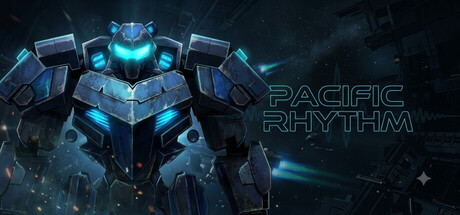
Some of the 2D artwork in this game — the enemy kaiju, the player mech, the title logo, and the result screen background — was created using generative AI image tools, then selected, edited, and integrated by the developers. Music and sound effects are not AI-generated; they are human-composed tracks and recorded sounds. All AI-generated content is pre-rendered and shipped as fixed assets. The game does not generate any content with AI at runtime.
Narrative dialogue and story text were generated with AI assistance. Placeholder textures generated with AI appear in store page screenshots and marketing assets.
As an indie dev, I leveraged AI to create this game. Some voices are AI-generated. Concept art was generated for inspiration and then built from scratch.
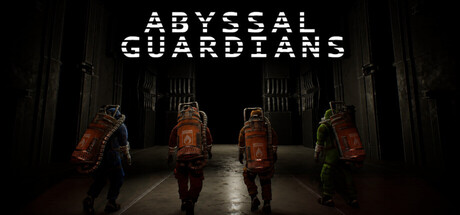
All voice content in Abyssal Guardians is recorded using actor's real voices but some content might be modified with AI to achieve certain styles that match our game.
Generative AI tools (ChatGPT Image Generation / DALL-E) were used during development to generate concepts and visual marketing assets, including some store page banners and promotional artwork. All core gameplay pixel-art, character animations, sound design, and code were created manually by the developer.
During the development of this game, pre-generated AI tools were utilized to assist with text translations, programming scripts and optimization, and the creation of 2D artwork assets. All AI-generated content was directly reviewed, refined, and applied to the game by the developer.
This game contains pre-rendered AI-assisted artwork and marketing assets that were reviewed and edited by the developer. No live AI-generated content is produced during gameplay.
Some UI elements and 2D visual assets were created with the assistance of generative AI tools and then manually edited and refined in Photoshop. All AI-assisted content has been reviewed by the developer to ensure it does not infringe on third-party intellectual property.
This game features background music generated with AI, used under a commercial license. Some of the supported-language translations were produced with AI assistance. All visual art and game code are hand-authored.
Some of the game's 2D artwork (illustrations, icons, and backgrounds) was created with the assistance of generative AI tools and then curated and edited by the development team. Some non-English text is translated with AI assistance and reviewed before shipping. No AI content is generated live during gameplay.
The following content in Nova Warp was created with the help of generative AI tools during development (pre-generated):• Music - created with Suno• Sound effects - created with ElevenLabs• Visual assets (in-game and store/marketing images) – created with FLUX.2 [klein] (Black Forest Labs)All AI-generated assets were reviewed by the developer. Nova Warp does not use any live or real-time AI generation during gameplay.
BirdBots uses generative AI tools during development to assist in the creation of certain promotional images, visual concepts, illustrations, and marketing materials. All AI-generated content has been reviewed, edited, and integrated by the developer. AI is not used during gameplay and does not affect the game's mechanics.
During development, we used two images generated by AI as final in-game assets. We acknowledge that this does not align with our general approach of creating content manually, and we plan to replace them with original artwork in one of the upcoming updates. We apologize for any inconvenience this may cause.
The voice of R.E.I.K.A, the AI companion character, is generated using AI text-to-speech technology same as the voice lines of the end dialogue; all other game content — code, art, design, and writing — is handmade.
This game uses generative AI tools to assist in the creation of select visual assets and localization.
Card illustrations and art assets: AI-generated concepts serve as an early creative foundation, developed under the direction of veteran concept artist Ni Li (ArtStation portfolio available, 10+ years of artistic experience).
Localization: AI-assisted translation is used for 30+ languages.
Some 2D vector artwork and portions of game text/localization were created with the assistance of generative AI (Claude); all AI-generated content was reviewed by the developer
During development, generative AI was used to assist in creating some of the game’s 2D visual assets and icons. All AI-assisted content was manually reviewed and curated by the developers, and modified where necessary before being included in the final version. AI was also used to refactor some early code that was not yet well-structured.
Generative AI was used as an assistive tool during development and for localization support. All such content was reviewed and edited by the developer before inclusion. The game does not generate AI content live during gameplay.
I am a solo indie developer and programmer. Some of the 2D graphics in the game and its store materials were created with the assistance of generative AI, then reviewed, edited, and integrated by me. No generative AI is used during gameplay.
Generative AI Disclosure:
This game utilizes generative AI tools to assist in creating player-facing assets, including base visual artwork, narrative script drafts, and voiceover audio (via ElevenLabs).
All AI-assisted dialogue, visuals, and audio undergo significant manual editing, human curation, and design to ensure high production quality and artistic cohesion before shipping with the game. No live or dynamic generative AI is executed while the game is running.
We used Gemini AI during the development process to assist in generating some ambient background music tracks. Additionally, AI tools were used for minor assistance in refining some visual components and lighting enhancements for marketing assets. All components have been carefully curated, hand-edited, and integrated by the developer to comply with Steam's content policies.
Generative AI tools were used during development to assist with programming and code generation, and to create or refine certain pre-generated visual assets, including promotional artwork and selected in-game UI and art assets. All AI-assisted code and assets were reviewed, tested, and edited by the developer before inclusion. The released game does not generate content or code during gameplay and does not connect to external AI services.
Some 2D art was made with generative AI as a starting point, cards are renders of our real 3D models with painted backgrounds. No in-game AI, no AI voices, no real people's likenesses. Art may be replaced during Early Access.
Development is AI-assisted: source code, the procedural asset factories (meshes, MetaSound hero sounds, code-driven UMG) and docs are written with AI tooling under human review in-repo. No external generative-AI image/audio assets are imported; everything ships from the code-authored pipeline.
During development, as a solo developer, Claude Code was especially helpful for debugging, development and testing. There is no LLM usage within Frontier Protocol and no external connection is required to play Frontier Protocol.
The core gameplay, rules, progression structure, level objectives, and detailed level designs were created, reviewed, and finalized by the human development team. Generative AI was used only as a development aid for research and reference gathering, code assistance, and the initial creation of visual assets and in-game scene images. All AI-assisted content was manually selected, edited, integrated, and reviewed before being included in the game.
The game's main soundtrack was created using generative AI. The game's promotional capsule artwork was also created with the assistance of generative AI. All other gameplay, programming, game design, pixel art, animations, visual effects, sound effects, UI, and game content were created by the developer.
AI was used to assist with code, art, and sfx. I have manually edited and polished all AI-assisted elements by hand to make them as unsloppy as I possibly can. If anything feels like slop, please let me know in the Community Discussions / Discord, and I'll do my best to fix it. Thanks! :)
MonsterBash includes pre-generated AI-assisted artwork for certain menu backgrounds and between-level illustrations. All AI-generated assets were reviewed, edited, and integrated by the developer. No AI-generated content is created during gameplay.
Generative AI tools were used during development to assist in creating and refining certain pre-generated visual, audio, localization, and promotional materials. All AI-assisted content was reviewed, edited, and curated by the development team before being included in the game or its marketing materials. The game does not generate AI content in real time during gameplay.
The game contains a few voice lines that where generated using a text-to-speech service. I assume this service used some sort of gen-AI. For some translations an AI was used for proofreading.
Precinct 2099 uses generative AI as a production tool. Part of the visual material (backgrounds, character art and store images) and the music were created with AI tools and then selected, edited and art-directed by hand by our team. Some of the localisation work is AI-assisted. The story, script, characters and game design are written by humans. The game does not generate any content live while you play: everything ships pre-generated with the build.
This whole game exists because I wondered whether, with these tools, I could actually make one.
Generative AI tools were used to create assets that ship with the game. The 3D ship and enemy models were generated with Meshy AI from my own 2D concept art, and AI tools assisted with in-game text, audio, and parts of the store page and marketing materials.
The design, code and balance are mine — the wave generation, the ship and weapon tuning, the modification link-set system, the campaign structure. Seventeen worlds' worth of hand-tuned numbers.
I'm a solo developer with a full-time job and three kids. The answer to the question turned out to be yes, and this is it.
Some of the art and audio assets in this game were created with the assistance of generative AI tools. Specifically, certain 3D models, UI icons, and background music tracks were generated using AI and then reviewed, edited, and integrated by the developer. No AI-generated content is created live during gameplay.
This game contains pre-generated AI-assisted visual assets. Specifically, the background HDRI environment texture used for lighting/background purposes was created using generative AI. No live-generated AI content is presented to players during gameplay.
Generative AI tools were used to create part of this game's visual assets: 2D unit and building sprites, terrain textures, background art, and 3D models. Some store page and marketing images were created the same way. Every generated asset was selected, edited and assembled by hand, and the game generates no content at runtime.
Generative AI was used as a base/concept for creating store page capsule graphics, which were subsequently hand-edited and post-processed in image editing software. No AI content is present in the game itself.
AI is used only to generate elements for the trailer and promotional media. AI is not used in any part of the game itself, including gameplay, mechanics, or runtime systems.
Some of the 2D artwork in this game — the enemy kaiju, the player mech, the title logo, and the result screen background — was created using generative AI image tools, then selected, edited, and integrated by the developers. Music and sound effects are not AI-generated; they are human-composed tracks and recorded sounds. All AI-generated content is pre-rendered and shipped as fixed assets. The game does not generate any content with AI at runtime.
Narrative dialogue and story text were generated with AI assistance. Placeholder textures generated with AI appear in store page screenshots and marketing assets.
As an indie dev, I leveraged AI to create this game. Some voices are AI-generated. Concept art was generated for inspiration and then built from scratch.
All voice content in Abyssal Guardians is recorded using actor's real voices but some content might be modified with AI to achieve certain styles that match our game.
Generative AI tools (ChatGPT Image Generation / DALL-E) were used during development to generate concepts and visual marketing assets, including some store page banners and promotional artwork. All core gameplay pixel-art, character animations, sound design, and code were created manually by the developer.
During the development of this game, pre-generated AI tools were utilized to assist with text translations, programming scripts and optimization, and the creation of 2D artwork assets. All AI-generated content was directly reviewed, refined, and applied to the game by the developer.
This game contains pre-rendered AI-assisted artwork and marketing assets that were reviewed and edited by the developer. No live AI-generated content is produced during gameplay.
Some UI elements and 2D visual assets were created with the assistance of generative AI tools and then manually edited and refined in Photoshop. All AI-assisted content has been reviewed by the developer to ensure it does not infringe on third-party intellectual property.
This game features background music generated with AI, used under a commercial license. Some of the supported-language translations were produced with AI assistance. All visual art and game code are hand-authored.
Some of the game's 2D artwork (illustrations, icons, and backgrounds) was created with the assistance of generative AI tools and then curated and edited by the development team. Some non-English text is translated with AI assistance and reviewed before shipping. No AI content is generated live during gameplay.
The following content in Nova Warp was created with the help of generative AI tools during development (pre-generated):• Music - created with Suno• Sound effects - created with ElevenLabs• Visual assets (in-game and store/marketing images) – created with FLUX.2 [klein] (Black Forest Labs)All AI-generated assets were reviewed by the developer. Nova Warp does not use any live or real-time AI generation during gameplay.
BirdBots uses generative AI tools during development to assist in the creation of certain promotional images, visual concepts, illustrations, and marketing materials. All AI-generated content has been reviewed, edited, and integrated by the developer. AI is not used during gameplay and does not affect the game's mechanics.
During development, we used two images generated by AI as final in-game assets. We acknowledge that this does not align with our general approach of creating content manually, and we plan to replace them with original artwork in one of the upcoming updates. We apologize for any inconvenience this may cause.
The voice of R.E.I.K.A, the AI companion character, is generated using AI text-to-speech technology same as the voice lines of the end dialogue; all other game content — code, art, design, and writing — is handmade.