Public Steam disclosure research25,383 disclosures tracked
Where do games disclose AI use?
Search developers’ Steam disclosures, compare classified AI use across
games, and follow recorded changes.
This index adds cross-game classifications and statistics to
statements published on individual store pages.
Groups reflect automatic analysis of public disclosures; mature records are excluded. These counts do not measure AI use across all of Steam.
Missing or unclear statements cannot establish whether a game uses AI.
Some visual assets used in this game were created or assisted using generative AI during development and have been reviewed and edited by the developer before being included in the final game. The game does not use generative AI during gameplay and does not generate content in real time.
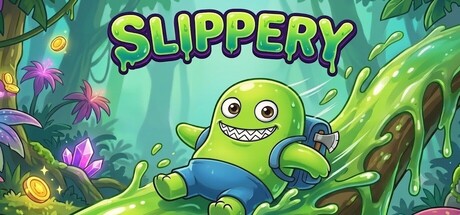
Generative AI was used during the development of Slippery to assist in creating certain static visual assets, including [store page artwork / background images / character concepts / UI elements]. All AI-generated content was reviewed, modified, and integrated by hand to match the game's overall visual style. The game does not generate any AI content in real-time during gameplay.
Some visual assets used in the game and store page were created or modified with the assistance of generative AI, including certain UI elements, icons, and promotional artwork. AI-assisted translation was also used for some store page localizations. All AI-generated content was reviewed, edited, and integrated by the developer.
Some visual and audio assets used in the game and its marketing materials were created or refined with the assistance of generative AI tools. All content is reviewed, edited, and integrated by the developer.
We use AI to translate the store steam page to different languages. This will be changed on release and we will hire professional translators for this purpose.
Some promotional artwork and achievement icons were created using generative AI and then manually edited by the developer. No gameplay content is generated by AI.
Parts of this game were made with the help of generative AI tools. The music and sound effects were created using AI audio generation, then selected, edited, and mixed by us — they ship as fixed assets, not content generated live while you play.
We also used AI-assisted coding tools (such as code autocomplete and programming assistants) during development. Every line that ships was reviewed, tested, and integrated by us; the AI sped up routine work while the design, architecture, and final decisions remained human-led.
The game does not run any AI or collect player data during gameplay.
Some visual assets and voice audio used in the game were created with the assistance of generative AI tools and subsequently modified, edited, and integrated by the developer. No AI-generated content is created during gameplay.
The game contains both AI-generated and human-recorded voice acting. Some AI-generated voice lines are being used during development and may be replaced by human voice performances in future updates.
Generative AI was used during development to assist with polishing promotional illustrations and drafting portions of the game's logic code. Some manually drawn promotional artwork was refined with AI assistance to improve less polished areas. AI-assisted code was manually reviewed by the developer, integrated by hand, and verified through local builds and hands-on playtesting before use. The game does not include player-facing real-time AI generation.
AI tools were used in a limited capacity during the development of the game, primarily to assist with certain programming tasks and the creation of temporary assets.
No AI-generated content is created in real time while playing the game.
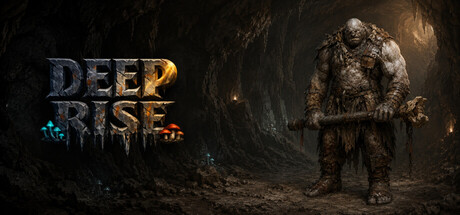
Deeprise is a solo-developed indie game. Generative AI was used as a tool in the creation of this game, specifically for:
- Concept art and illustrations (character portraits, enemy designs, environment backgrounds, building art, item icons, and research card art), generated with AI image tools and curated, edited, and integrated by the developer.
- Sound effects and voicelines, generated with AI audio tools using developer-written scripts and prompts.
- Capsule art and store page imagery, created by compositing AI-generated assets with developer-designed layouts.
All game design, systems, code, writing, lore, and creative direction are the developer's own work. AI was used to bring this solo project to a visual and audio polish that would otherwise be out of reach for a single developer, and every AI-generated asset was reviewed, selected, and integrated by hand.
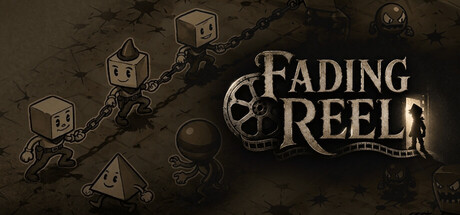
Fading Reel uses machine translation (automated translation software) to provide in-game interface text in languages other than English. English menus, upgrades, tutorials, and story intertitles were written by the developer; non-English versions were generated from that English source and may contain errors.
Game art, audio, gameplay, store screenshots, and the trailer were not created with generative AI.
"We used generative AI tools during the development of this game. Specifically, pre-generated AI tools were utilized to create and refine some of the 2D visual assets, including concept art, UI elements, and promotional store graphics. All AI-generated content was reviewed, edited, and curated by our team to ensure quality and compliance with Steam's content policies. The game itself does not generate any live AI content during runtime."
During the early stages of development, generative AI was used to create prototypes for some visual assets. These assets were manually redrawn and revised by the developer before being included in the game.
AI was used to create initial concept images for the main character (the funny copter). These images were then edited, redrawn and polished by a human artist. All other sprites, animations, backgrounds, sounds, music, and code in the game have nothing to do with AI.
This game uses generative AI to assist in generating some text and art resources. All content has been manually reviewed and adjusted, and does not affect core gameplay or content.
The developer used generative AI tools during development to assist in creating pre-generated assets, including concept art for backgrounds and placeholder text assets. None of the AI content is generated in real-time during gameplay.
Some art and music in Cookiesaner were created with AI-assisted tools: Image generation for sprites and backdrops, and AI-assisted music, then curated, edited, and finished by the solo developer alongside hand-craft and original composition. No AI-generated content is created at runtime; every asset is fixed and reviewed before it ships.
"AI tools (Leonardo AI) were used to generate some concept art and UI textures during development. AI tools (Gemini) were used to generate background music assets. All assets were pre-generated before being integrated into the game."
Generative AI tools were used to provide secondary assistance in creating some 2D concept art, background images, and UI texture components during the development process.
Players can freely converse with NPCs, and the game generates dialogue in real time based on the NPCs’ personalities and memories.
The main storyline will be handled by AI agents, which will generate plots consistent with the game’s world-building.
AI assists in creating CG scenes, background images, and character portraits.
Generative AI was used to assist in refining and polishing a limited number of hand-drawn 2D pixel art assets, such as the main menu artwork and steam store capsule imagery. All assets are heavily based on original hand-drawn concepts.
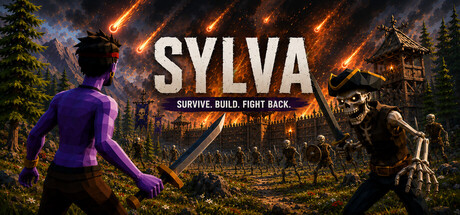
SYLVA contains pre-generated AI-assisted content. Generative AI tools were used during development to create and refine certain store page artwork, capsule images, library assets, loading screen artwork, logos, promotional materials, visual concepts, text drafts, localization assistance, and software development workflows.
All AI-assisted content was reviewed, modified, and approved by the developer before being included in the game or published on the Steam store page. The final game design, gameplay systems, progression, balancing, world design, and creative direction are determined by the developer.
SYLVA does not generate real-time AI content during gameplay.
Some assets *may* be AI. These assets were secured from a third party and I cannot confirm this, but if that's the kind of thing that bothers you, you may want to steer clear.
Some Steam store page promotional images were created or edited with the assistance of generative AI tools. These assets are used only for store page or marketing presentation.
The playable game itself does not include generative AI features, does not connect to any AI service, and does not generate images, audio, text, or other content at runtime. No AI-generated images, audio, or text are included in the playable game build.
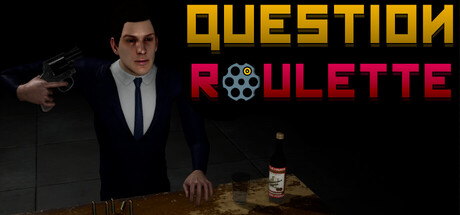
AI-assisted translation software was used to translate the game's text interface and trivia questions from the original English into other supported languages. The original English script was entirely hand-crafted by humans, and the AI was utilized strictly to make the game accessible to a wider global audience at launch.
Google Gemini was utilized during the development phase as an assistive tool for C# scripting, code optimization, debugging, and brainstorming game mechanics. All AI-assisted outputs were manually reviewed, edited, and validated by the developer to ensure proper integration and originality.
Hi everyone! I'm currently a student and this is my very first indie game. While I'm completely at home with coding and game engines, handling all the visual design and localization entirely by myself was quite a challenge.
I created all the promotional capsule art and designs you see on the Steam store page manually from scratch. However, I did use AI generation tools as a starting base for some of the in-game UI overlays and minor textures. Afterward, I manually edited and color-corrected them to ensure they perfectly match the game's dark atmosphere. I also used AI text models to assist with translation and localization. There are no real-time AI generation systems running while you play. Thank you so much for your support and understanding!
Some visual assets used in this game were created or assisted using generative AI during development and have been reviewed and edited by the developer before being included in the final game. The game does not use generative AI during gameplay and does not generate content in real time.
Generative AI was used during the development of Slippery to assist in creating certain static visual assets, including [store page artwork / background images / character concepts / UI elements]. All AI-generated content was reviewed, modified, and integrated by hand to match the game's overall visual style. The game does not generate any AI content in real-time during gameplay.
Some visual assets used in the game and store page were created or modified with the assistance of generative AI, including certain UI elements, icons, and promotional artwork. AI-assisted translation was also used for some store page localizations. All AI-generated content was reviewed, edited, and integrated by the developer.
Some visual and audio assets used in the game and its marketing materials were created or refined with the assistance of generative AI tools. All content is reviewed, edited, and integrated by the developer.
We use AI to translate the store steam page to different languages. This will be changed on release and we will hire professional translators for this purpose.
Some promotional artwork and achievement icons were created using generative AI and then manually edited by the developer. No gameplay content is generated by AI.
Parts of this game were made with the help of generative AI tools. The music and sound effects were created using AI audio generation, then selected, edited, and mixed by us — they ship as fixed assets, not content generated live while you play.
We also used AI-assisted coding tools (such as code autocomplete and programming assistants) during development. Every line that ships was reviewed, tested, and integrated by us; the AI sped up routine work while the design, architecture, and final decisions remained human-led.
The game does not run any AI or collect player data during gameplay.
Some visual assets and voice audio used in the game were created with the assistance of generative AI tools and subsequently modified, edited, and integrated by the developer. No AI-generated content is created during gameplay.
The game contains both AI-generated and human-recorded voice acting. Some AI-generated voice lines are being used during development and may be replaced by human voice performances in future updates.
Generative AI was used during development to assist with polishing promotional illustrations and drafting portions of the game's logic code. Some manually drawn promotional artwork was refined with AI assistance to improve less polished areas. AI-assisted code was manually reviewed by the developer, integrated by hand, and verified through local builds and hands-on playtesting before use. The game does not include player-facing real-time AI generation.
AI tools were used in a limited capacity during the development of the game, primarily to assist with certain programming tasks and the creation of temporary assets.
No AI-generated content is created in real time while playing the game.
Deeprise is a solo-developed indie game. Generative AI was used as a tool in the creation of this game, specifically for:
- Concept art and illustrations (character portraits, enemy designs, environment backgrounds, building art, item icons, and research card art), generated with AI image tools and curated, edited, and integrated by the developer.
- Sound effects and voicelines, generated with AI audio tools using developer-written scripts and prompts.
- Capsule art and store page imagery, created by compositing AI-generated assets with developer-designed layouts.
All game design, systems, code, writing, lore, and creative direction are the developer's own work. AI was used to bring this solo project to a visual and audio polish that would otherwise be out of reach for a single developer, and every AI-generated asset was reviewed, selected, and integrated by hand.
Fading Reel uses machine translation (automated translation software) to provide in-game interface text in languages other than English. English menus, upgrades, tutorials, and story intertitles were written by the developer; non-English versions were generated from that English source and may contain errors.
Game art, audio, gameplay, store screenshots, and the trailer were not created with generative AI.
"We used generative AI tools during the development of this game. Specifically, pre-generated AI tools were utilized to create and refine some of the 2D visual assets, including concept art, UI elements, and promotional store graphics. All AI-generated content was reviewed, edited, and curated by our team to ensure quality and compliance with Steam's content policies. The game itself does not generate any live AI content during runtime."
During the early stages of development, generative AI was used to create prototypes for some visual assets. These assets were manually redrawn and revised by the developer before being included in the game.
AI was used to create initial concept images for the main character (the funny copter). These images were then edited, redrawn and polished by a human artist. All other sprites, animations, backgrounds, sounds, music, and code in the game have nothing to do with AI.
This game uses generative AI to assist in generating some text and art resources. All content has been manually reviewed and adjusted, and does not affect core gameplay or content.
The developer used generative AI tools during development to assist in creating pre-generated assets, including concept art for backgrounds and placeholder text assets. None of the AI content is generated in real-time during gameplay.
Some art and music in Cookiesaner were created with AI-assisted tools: Image generation for sprites and backdrops, and AI-assisted music, then curated, edited, and finished by the solo developer alongside hand-craft and original composition. No AI-generated content is created at runtime; every asset is fixed and reviewed before it ships.
"AI tools (Leonardo AI) were used to generate some concept art and UI textures during development. AI tools (Gemini) were used to generate background music assets. All assets were pre-generated before being integrated into the game."
Generative AI tools were used to provide secondary assistance in creating some 2D concept art, background images, and UI texture components during the development process.
Players can freely converse with NPCs, and the game generates dialogue in real time based on the NPCs’ personalities and memories.
The main storyline will be handled by AI agents, which will generate plots consistent with the game’s world-building.
AI assists in creating CG scenes, background images, and character portraits.
Generative AI was used to assist in refining and polishing a limited number of hand-drawn 2D pixel art assets, such as the main menu artwork and steam store capsule imagery. All assets are heavily based on original hand-drawn concepts.
SYLVA contains pre-generated AI-assisted content. Generative AI tools were used during development to create and refine certain store page artwork, capsule images, library assets, loading screen artwork, logos, promotional materials, visual concepts, text drafts, localization assistance, and software development workflows.
All AI-assisted content was reviewed, modified, and approved by the developer before being included in the game or published on the Steam store page. The final game design, gameplay systems, progression, balancing, world design, and creative direction are determined by the developer.
SYLVA does not generate real-time AI content during gameplay.
Some assets *may* be AI. These assets were secured from a third party and I cannot confirm this, but if that's the kind of thing that bothers you, you may want to steer clear.
Some Steam store page promotional images were created or edited with the assistance of generative AI tools. These assets are used only for store page or marketing presentation.
The playable game itself does not include generative AI features, does not connect to any AI service, and does not generate images, audio, text, or other content at runtime. No AI-generated images, audio, or text are included in the playable game build.
AI-assisted translation software was used to translate the game's text interface and trivia questions from the original English into other supported languages. The original English script was entirely hand-crafted by humans, and the AI was utilized strictly to make the game accessible to a wider global audience at launch.
Google Gemini was utilized during the development phase as an assistive tool for C# scripting, code optimization, debugging, and brainstorming game mechanics. All AI-assisted outputs were manually reviewed, edited, and validated by the developer to ensure proper integration and originality.
Hi everyone! I'm currently a student and this is my very first indie game. While I'm completely at home with coding and game engines, handling all the visual design and localization entirely by myself was quite a challenge.
I created all the promotional capsule art and designs you see on the Steam store page manually from scratch. However, I did use AI generation tools as a starting base for some of the in-game UI overlays and minor textures. Afterward, I manually edited and color-corrected them to ensure they perfectly match the game's dark atmosphere. I also used AI text models to assist with translation and localization. There are no real-time AI generation systems running while you play. Thank you so much for your support and understanding!