Public Steam disclosure research25,882 disclosures tracked
Where do games disclose AI use?
Search developers’ Steam disclosures, compare classified AI use across
games, and follow recorded changes.
This index adds cross-game classifications and statistics to
statements published on individual store pages.
Groups reflect automatic analysis of public disclosures; mature records are excluded. These counts do not measure AI use across all of Steam.
Missing or unclear statements cannot establish whether a game uses AI.
Generative AI tools were used in the creation of some visual and textual content used in marketing materials and certain in-game assets. All core gameplay design and systems were developed independently.
Parts of Hollow Orbit were made with help from generative AI tools — assisting with the game's code, some in-engine visuals and audio, and store/marketing assets like the logo and trailer graphics. All output was reviewed and finalized by the developer, and no content is generated by AI during gameplay.
This game contains a limited amount of AI-assisted content, including some visual assets and music. All such content was reviewed and integrated by the developer.
NULL//REBORN was built with agentic AI as a creative partner throughout the entire pipeline.
I designed the vision, story outline, musical direction, and game logic — then used AI to bring each piece to life:
- generating the art,
- fleshing out the script,
- composing the music, and writing the code.
Every element was guided by human intent and shaped by AI execution.
Some of the artwork on this game's Steam store page and library/marketing assets — including the capsule images and library hero — was created with the assistance of generative AI image tools. All such artwork was reviewed and edited by us prior to use to ensure it is appropriate and does not contain any content that infringes the intellectual property rights of any third party. The game itself does not generate any content using AI at runtime.
This application uses AI tools in parts of its development process, including creating the in-character dialogue text and some artwork (such as character part images), as well as tuning behavioral algorithms. All AI-generated assets are produced and reviewed in advance and built into the product; no generative AI runs during gameplay.
The developer used generative AI tools during development to help create some of the game's code, sound effects, and music. All AI-assisted content was reviewed and curated by the developer.
Deeprise is a solo-developed indie game. Generative AI was used as a tool in the creation of this game, specifically for:
- Concept art and illustrations (character portraits, enemy designs, environment backgrounds, building art, item icons, and research card art), generated with AI image tools and curated, edited, and integrated by the developer.
- Sound effects and voicelines, generated with AI audio tools using developer-written scripts and prompts.
- Capsule art and store page imagery, created by compositing AI-generated assets with developer-designed layouts.
All game design, systems, code, writing, lore, and creative direction are the developer's own work. AI was used to bring this solo project to a visual and audio polish that would otherwise be out of reach for a single developer, and every AI-generated asset was reviewed, selected, and integrated by hand.
Parts of Word Puzzle Master were created with the help of generative AI tools,
then reviewed, edited and assembled by the developer:
• visual art — the ambient background images and the animated background loop
• audio — background music and sound effects
Generative AI is used only during development to produce these assets. The game
does NOT use any AI at runtime — there is no live AI generation while you play.
Puzzle word lists are hand-curated, and level layouts are produced by our own
deterministic algorithm (not AI).
Portions of the game's visual artwork, in-game scenes and graphical assets are created with generative AI technology, which helps us deliver rich and immersive visual experiences for players.
The art, music, and written text in this game were created using commercial generative AI services, working from the developer's own designs and ideas under direct human supervision, with each asset and passage curated and edited by hand. All content is pre-generated — no AI runs while you play.
I used generative AI tools (specifically Fooocus) to help paint and generate my static 2D game backgrounds and concept/icon art. I also utilized AI-collaboration platforms to assist with audio synthesis composition and programming codebase layouts. All generated assets were fully curated, conceptualized, and processed under my own direct creative control and creative direction before building.
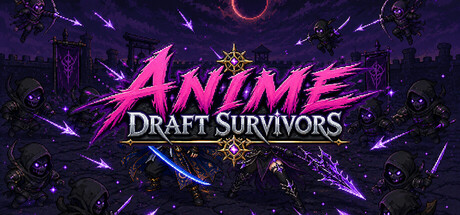
Some of the visual assets in Anime Draft Survivors — including character and enemy artwork, stage backgrounds, UI ornamentation, marketing/capsule images and some audio, were created with the help of generative AI image tools, then hand edited, composited, and integrated by the developer. All game code, design, and gameplay systems are human authored. All AI assisted content is pre-rendered and fixed in the build; the game does not generate any content live during gameplay.
Our development process makes use of generative AI tools for internal tasks such as early concept exploration - both for the game and marketing assets, as well as workflow automation. All final game assets are created by our team without AI-generated content.
Spire of Legends uses generative AI as part of the development process for certain visual assets, sound effects, and localization content. AI-generated content is not used directly without review; assets and text are edited, refined, and integrated by the developer to meet the game's artistic and gameplay requirements. All game design, programming, mechanics, balance decisions, and overall creative direction are created by the developer.
This game uses pre-generated AI only for certain UI background images and promotional store visuals. These assets were created before release and remain fixed. The game does not include any live AI generation during gameplay.
While developing this game I used AI Tools to assist in many aspects of the game creation process. I used MidJourney to create background images, Mureka to create the sound track, and Ludo to generate sprites.
All game design, logic, formulas, gameplay modes, powers, balancing, etc. I handled myself over months of development time.
This game was made with the help of generative AI tools. During development, AI was used to help create some of the content that ships with the game — including its writing and dialogue, its English and Turkish text, and its 2D art and UI (such as icons, product sprites, achievement badges, and store images). All of this content was directed, reviewed, and curated by the developer. The game does not generate any AI content while you play, and does not connect to any AI service during gameplay.
This game uses generative AI tools to help create certain music, voice, and audio elements. Additional sound effects and audio assets are sourced from commercially licensed asset libraries.
This product uses generative AI only for a limited amount of pre-generated visual assets. These include certain user interface artwork used in the game menus, as well as some promotional/store page visual assets such as header images and the game logo.
Generative AI is not used to generate gameplay, characters, levels, story content, player-facing text, or any real-time content during gameplay. All AI-assisted assets are manually reviewed, edited where necessary, and selected by the developer before being included in the product or its store page.
Fading Reel uses machine translation (automated translation software) to provide in-game interface text in languages other than English. English menus, upgrades, tutorials, and story intertitles were written by the developer; non-English versions were generated from that English source and may contain errors.
Game art, audio, gameplay, store screenshots, and the trailer were not created with generative AI.
We used advanced AI language models (Claude and Gemini) to help translate
SERVICE DESK SIM into 8 languages: French, German, Spanish, Italian, Hindi,
Urdu, Japanese, and English (UK). The AI handled the initial translation of
all in-game text from UI menus to dialogue, story sequences, and thousands
of unique support tickets. Every translation was then carefully reviewed and
tested by humans to ensure quality and cultural accuracy across all languages.
This game uses AI-assisted tools during development to help draft and iterate pre-generated content such as puzzle stage layouts, UI text, store text, and implementation support.
All game content is reviewed, edited, and finalized by the developer before release. The game does not generate AI content during gameplay.
Some visual assets in this game were created with the assistance of generative AI tools, including UI icons, skill and relic icons, character portraits and sprites, combat VFX, dungeon tile art, and menu and interface decoration. All generated images were reviewed, edited, and integrated by the development team.
Generative AI tools were used in the creation of some visual and textual content used in marketing materials and certain in-game assets. All core gameplay design and systems were developed independently.
Parts of Hollow Orbit were made with help from generative AI tools — assisting with the game's code, some in-engine visuals and audio, and store/marketing assets like the logo and trailer graphics. All output was reviewed and finalized by the developer, and no content is generated by AI during gameplay.
This game contains a limited amount of AI-assisted content, including some visual assets and music. All such content was reviewed and integrated by the developer.
NULL//REBORN was built with agentic AI as a creative partner throughout the entire pipeline.
I designed the vision, story outline, musical direction, and game logic — then used AI to bring each piece to life:
- generating the art,
- fleshing out the script,
- composing the music, and writing the code.
Every element was guided by human intent and shaped by AI execution.
Some of the artwork on this game's Steam store page and library/marketing assets — including the capsule images and library hero — was created with the assistance of generative AI image tools. All such artwork was reviewed and edited by us prior to use to ensure it is appropriate and does not contain any content that infringes the intellectual property rights of any third party. The game itself does not generate any content using AI at runtime.
This application uses AI tools in parts of its development process, including creating the in-character dialogue text and some artwork (such as character part images), as well as tuning behavioral algorithms. All AI-generated assets are produced and reviewed in advance and built into the product; no generative AI runs during gameplay.
The developer used generative AI tools during development to help create some of the game's code, sound effects, and music. All AI-assisted content was reviewed and curated by the developer.
Deeprise is a solo-developed indie game. Generative AI was used as a tool in the creation of this game, specifically for:
- Concept art and illustrations (character portraits, enemy designs, environment backgrounds, building art, item icons, and research card art), generated with AI image tools and curated, edited, and integrated by the developer.
- Sound effects and voicelines, generated with AI audio tools using developer-written scripts and prompts.
- Capsule art and store page imagery, created by compositing AI-generated assets with developer-designed layouts.
All game design, systems, code, writing, lore, and creative direction are the developer's own work. AI was used to bring this solo project to a visual and audio polish that would otherwise be out of reach for a single developer, and every AI-generated asset was reviewed, selected, and integrated by hand.
Parts of Word Puzzle Master were created with the help of generative AI tools,
then reviewed, edited and assembled by the developer:
• visual art — the ambient background images and the animated background loop
• audio — background music and sound effects
Generative AI is used only during development to produce these assets. The game
does NOT use any AI at runtime — there is no live AI generation while you play.
Puzzle word lists are hand-curated, and level layouts are produced by our own
deterministic algorithm (not AI).
Portions of the game's visual artwork, in-game scenes and graphical assets are created with generative AI technology, which helps us deliver rich and immersive visual experiences for players.
The art, music, and written text in this game were created using commercial generative AI services, working from the developer's own designs and ideas under direct human supervision, with each asset and passage curated and edited by hand. All content is pre-generated — no AI runs while you play.
I used generative AI tools (specifically Fooocus) to help paint and generate my static 2D game backgrounds and concept/icon art. I also utilized AI-collaboration platforms to assist with audio synthesis composition and programming codebase layouts. All generated assets were fully curated, conceptualized, and processed under my own direct creative control and creative direction before building.
Some of the visual assets in Anime Draft Survivors — including character and enemy artwork, stage backgrounds, UI ornamentation, marketing/capsule images and some audio, were created with the help of generative AI image tools, then hand edited, composited, and integrated by the developer. All game code, design, and gameplay systems are human authored. All AI assisted content is pre-rendered and fixed in the build; the game does not generate any content live during gameplay.
Our development process makes use of generative AI tools for internal tasks such as early concept exploration - both for the game and marketing assets, as well as workflow automation. All final game assets are created by our team without AI-generated content.
Spire of Legends uses generative AI as part of the development process for certain visual assets, sound effects, and localization content. AI-generated content is not used directly without review; assets and text are edited, refined, and integrated by the developer to meet the game's artistic and gameplay requirements. All game design, programming, mechanics, balance decisions, and overall creative direction are created by the developer.
This game uses pre-generated AI only for certain UI background images and promotional store visuals. These assets were created before release and remain fixed. The game does not include any live AI generation during gameplay.
While developing this game I used AI Tools to assist in many aspects of the game creation process. I used MidJourney to create background images, Mureka to create the sound track, and Ludo to generate sprites.
All game design, logic, formulas, gameplay modes, powers, balancing, etc. I handled myself over months of development time.
This game was made with the help of generative AI tools. During development, AI was used to help create some of the content that ships with the game — including its writing and dialogue, its English and Turkish text, and its 2D art and UI (such as icons, product sprites, achievement badges, and store images). All of this content was directed, reviewed, and curated by the developer. The game does not generate any AI content while you play, and does not connect to any AI service during gameplay.
This game uses generative AI tools to help create certain music, voice, and audio elements. Additional sound effects and audio assets are sourced from commercially licensed asset libraries.
This product uses generative AI only for a limited amount of pre-generated visual assets. These include certain user interface artwork used in the game menus, as well as some promotional/store page visual assets such as header images and the game logo.
Generative AI is not used to generate gameplay, characters, levels, story content, player-facing text, or any real-time content during gameplay. All AI-assisted assets are manually reviewed, edited where necessary, and selected by the developer before being included in the product or its store page.
Fading Reel uses machine translation (automated translation software) to provide in-game interface text in languages other than English. English menus, upgrades, tutorials, and story intertitles were written by the developer; non-English versions were generated from that English source and may contain errors.
Game art, audio, gameplay, store screenshots, and the trailer were not created with generative AI.
We used advanced AI language models (Claude and Gemini) to help translate
SERVICE DESK SIM into 8 languages: French, German, Spanish, Italian, Hindi,
Urdu, Japanese, and English (UK). The AI handled the initial translation of
all in-game text from UI menus to dialogue, story sequences, and thousands
of unique support tickets. Every translation was then carefully reviewed and
tested by humans to ensure quality and cultural accuracy across all languages.
This game uses AI-assisted tools during development to help draft and iterate pre-generated content such as puzzle stage layouts, UI text, store text, and implementation support.
All game content is reviewed, edited, and finalized by the developer before release. The game does not generate AI content during gameplay.
Some visual assets in this game were created with the assistance of generative AI tools, including UI icons, skill and relic icons, character portraits and sprites, combat VFX, dungeon tile art, and menu and interface decoration. All generated images were reviewed, edited, and integrated by the development team.