Public Steam disclosure research25,383 disclosures tracked
Where do games disclose AI use?
Search developers’ Steam disclosures, compare classified AI use across
games, and follow recorded changes.
This index adds cross-game classifications and statistics to
statements published on individual store pages.
Groups reflect automatic analysis of public disclosures; mature records are excluded. These counts do not measure AI use across all of Steam.
Missing or unclear statements cannot establish whether a game uses AI.
After I personally finalized the design phase, some art assets were first rendered using generative AI tools, and I then manually refined and detailed them.
Similarly, certain background music pieces were developed with the help of generative AI tools.
Should you have any concerns about these methods, please feel free to experience the game according to your own preferences. Thank you for your understanding and consideration.
AI-assisted tools were used in the creation of some background images included in the game.
AI-assisted translation was also used for the English and Korean localization. The translated text was reviewed and adjusted during development.
There is no content generated by AI in real time during gameplay.
Visuals: We used generative AI tools (Midjourney, ComfyUI) to assist in creating background illustrations and concept art for characters. All AI-generated outputs were manually refined, overpainted, and edited by human artists to ensure visual consistency and quality.
Text: We utilized AI-powered translation tools to assist in localizing scripts and store page descriptions from Korean to English. All translated text was proofread and edited by a native speaker to maintain the narrative's tone and nuance.
I used AI tools (such as ChatGPT) to assist in writing scripts and optimizing the game code, which helped bridge the technical gap as an individual developer. Additionally, AI was used for English translation and proofreading to ensure a natural and high-quality narrative for global players.
We used generative AI tools during development to assist with certain pre-generated visual assets, text content, localization drafts, and portions of code. All AI-assisted content was reviewed, edited, and approved by the developer before being used in the game or on the store page. The game does not use live-generated AI during gameplay.
This game uses generative AI tools in the creation of character illustrations, event CGs, UI icons, logos, and scripts. No real-time AI generation occurs during gameplay.
This game was built with the assistance of AI tools. Visual assets including character models, ability icons, and promotional art were generated using AI image generation. Game code, systems design, and implementation were developed with AI coding assistance. All gameplay mechanics, class balance, and game design decisions were directed by the developer.
AI-generated art is used for monster illustrations (370+), equipment icons, background art, and promotional materials. AI-assisted translation is used for 10-language localization. All AI-generated content has been reviewed and curated by the developer. No AI is used for gameplay logic, player data processing, or real-time content generation during gameplay.
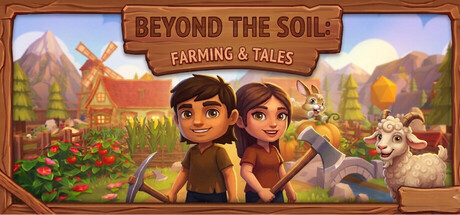
During the development of Beyond the Soil: Farming & Tales, generative AI technologies were used to optimize localization texts and assist in the design phase of certain visual marketing materials.
This game uses live-generated AI to create text-based dialogue and narrative responses during gameplay. Players can type messages to interact with AI-driven characters and story events, and the AI may generate contextual responses based on the player’s input and current game state. AI-generated content in this game is limited to in-game text and narrative interaction.
Aetheris Core is a hand-crafted indie game, built and tuned over thousands of hours of development and playtesting by Kavik Studios.
Generative AI tools were used to assist with parts of the process, including some visual and audio assets and technical code such as shaders. No content is generated live during gameplay; everything ships as fixed, pre-made assets. Every AI-assisted element was reviewed, edited, reworked, and integrated by hand to meet the game's quality and consistency standards. The design, balance, feel, and final form of the game are Kavik Studios' own work.
We've disclosed our use of AI tools openly since day one, and we're committed to keeping that transparency as the game grows.
AI was used only to help review, correct, and improve portions of existing code during development. All visual assets, music, and other creative content in the game were made by real artists, whose work I fully support.
This is a solo independent project. Except for the logo and UI design completed by an external collaborator, all other content was created by the author alone.
Visual assets were generated with AI assistance, with character designs refined through multiple iterations by the author. All character expression variations were hand-drawn by the author, with the protagonist featuring dozens of distinct expressions. Key story CGs were hand-sketched or 3D-posed by the author before final production.
Background music was generated with AI assistance. Some sound effects were recorded on location by the author; others were synthesized.
Some visual content used in the game and on its store page was created with the assistance of generative AI. All such content was selected, reviewed, and implemented by the developer. The game does not generate AI content during gameplay.
Some shipped artwork and written content were created or assisted with generative AI tools during development. The game does not generate AI content during gameplay and does not connect to external AI services while you play.
The developer uses AI tools (such as ChatGPT, Claude, and Cursor) to assist with writing code, drafting in-game text like card effect descriptions, and brainstorming narrative elements. Additionally, AI is utilized to provide draft localizations for various languages.
However, all graphical assets (including character illustrations and monster designs) and audio are entirely human-made. No AI-generated images, pre-rendered graphics, or sound files are used in this game.
How does this game use generative AI?
-Musical Content: The soundtrack was generated using AI tools (Suno), then curated and produced to match the game's atmosphere and biomes.
-Visual Content and Assets: AI tools were used as a base for some illustrations and visual elements. All of these assets have been manually reviewed, edited, and refined by the developer to ensure final quality and consistency with the project's art style.
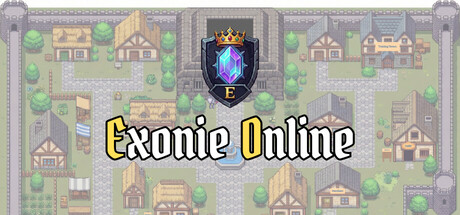
Exonie Online uses pre-generated AI content to provide a high-quality multiplayer experience.
Gameplay Code: Generative AI was used as a primary collaborative tool to develop the game's networking logic, hybrid asset-loading systems, and core mechanics.
Visual Assets: AI tools were used to generate environmental maps, character sprites, and UI elements.
Audio: The game’s soundtrack was generated using Suno AI (Pro Tier), ensuring the developer holds full commercial rights.
All AI-assisted content was manually reviewed and integrated by the developer. No AI content is generated live during gameplay
Some of the art assets in this game were created with the assistance of generative AI. All assets have undergone manual selection and post-production adjustments to ensure consistency with the overall game style.
I utilized generative artificial intelligence (AI) tools during the development of this game. The specific applications are as follows:
Art & Visual Assets: Generative AI was used to create a portion of the in-game images, textures, and visual concept art. All such assets were subsequently refined and optimized manually.
Music & Sound Effects: Certain background music and audio assets were generated using AI tools to enhance the overall auditory experience.
Programming & Development: AI-generated code snippets were integrated into the development process, and AI tools were utilized to assist in code optimization and troubleshooting of game logic.
Generative AI was not used to create any in-game content resources. AI was utilized solely for the translation of certain in-game dialogue and external content, such as our Steam page and community posts.
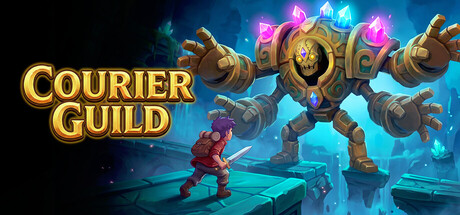
Some content in COURIER GUILD was created with the assistance of AI tools, including visual assets, music, and text. All AI-generated content has been manually reviewed, edited, and refined by the developer to fit the game's style and vision.
To further enrich the unique world and atmosphere of this game, we utilized AI technology to assist in creating the background artwork and soundtrack.
AI was primarily used as a sketching tool to draft initial ideas. All final assets implemented in the game underwent detailed retouching and careful direction by the developer, meticulously polished to seamlessly blend into the game's distinct vibe.
This game only uses AI tools to assist in generating part of the art materials and plot copy during the development stage. All AI-generated content has been fully manually reviewed, secondary modified and compliance checked. There is no real-time AI interaction function in the game, and no real-time AI response or usage scenarios for players.
After I personally finalized the design phase, some art assets were first rendered using generative AI tools, and I then manually refined and detailed them.
Similarly, certain background music pieces were developed with the help of generative AI tools.
Should you have any concerns about these methods, please feel free to experience the game according to your own preferences. Thank you for your understanding and consideration.
AI-assisted tools were used in the creation of some background images included in the game.
AI-assisted translation was also used for the English and Korean localization. The translated text was reviewed and adjusted during development.
There is no content generated by AI in real time during gameplay.
Visuals: We used generative AI tools (Midjourney, ComfyUI) to assist in creating background illustrations and concept art for characters. All AI-generated outputs were manually refined, overpainted, and edited by human artists to ensure visual consistency and quality.
Text: We utilized AI-powered translation tools to assist in localizing scripts and store page descriptions from Korean to English. All translated text was proofread and edited by a native speaker to maintain the narrative's tone and nuance.
I used AI tools (such as ChatGPT) to assist in writing scripts and optimizing the game code, which helped bridge the technical gap as an individual developer. Additionally, AI was used for English translation and proofreading to ensure a natural and high-quality narrative for global players.
We used generative AI tools during development to assist with certain pre-generated visual assets, text content, localization drafts, and portions of code. All AI-assisted content was reviewed, edited, and approved by the developer before being used in the game or on the store page. The game does not use live-generated AI during gameplay.
This game uses generative AI tools in the creation of character illustrations, event CGs, UI icons, logos, and scripts. No real-time AI generation occurs during gameplay.
This game was built with the assistance of AI tools. Visual assets including character models, ability icons, and promotional art were generated using AI image generation. Game code, systems design, and implementation were developed with AI coding assistance. All gameplay mechanics, class balance, and game design decisions were directed by the developer.
AI-generated art is used for monster illustrations (370+), equipment icons, background art, and promotional materials. AI-assisted translation is used for 10-language localization. All AI-generated content has been reviewed and curated by the developer. No AI is used for gameplay logic, player data processing, or real-time content generation during gameplay.
During the development of Beyond the Soil: Farming & Tales, generative AI technologies were used to optimize localization texts and assist in the design phase of certain visual marketing materials.
This game uses live-generated AI to create text-based dialogue and narrative responses during gameplay. Players can type messages to interact with AI-driven characters and story events, and the AI may generate contextual responses based on the player’s input and current game state. AI-generated content in this game is limited to in-game text and narrative interaction.
Aetheris Core is a hand-crafted indie game, built and tuned over thousands of hours of development and playtesting by Kavik Studios.
Generative AI tools were used to assist with parts of the process, including some visual and audio assets and technical code such as shaders. No content is generated live during gameplay; everything ships as fixed, pre-made assets. Every AI-assisted element was reviewed, edited, reworked, and integrated by hand to meet the game's quality and consistency standards. The design, balance, feel, and final form of the game are Kavik Studios' own work.
We've disclosed our use of AI tools openly since day one, and we're committed to keeping that transparency as the game grows.
AI was used only to help review, correct, and improve portions of existing code during development. All visual assets, music, and other creative content in the game were made by real artists, whose work I fully support.
This is a solo independent project. Except for the logo and UI design completed by an external collaborator, all other content was created by the author alone.
Visual assets were generated with AI assistance, with character designs refined through multiple iterations by the author. All character expression variations were hand-drawn by the author, with the protagonist featuring dozens of distinct expressions. Key story CGs were hand-sketched or 3D-posed by the author before final production.
Background music was generated with AI assistance. Some sound effects were recorded on location by the author; others were synthesized.
Some visual content used in the game and on its store page was created with the assistance of generative AI. All such content was selected, reviewed, and implemented by the developer. The game does not generate AI content during gameplay.
Some shipped artwork and written content were created or assisted with generative AI tools during development. The game does not generate AI content during gameplay and does not connect to external AI services while you play.
The developer uses AI tools (such as ChatGPT, Claude, and Cursor) to assist with writing code, drafting in-game text like card effect descriptions, and brainstorming narrative elements. Additionally, AI is utilized to provide draft localizations for various languages.
However, all graphical assets (including character illustrations and monster designs) and audio are entirely human-made. No AI-generated images, pre-rendered graphics, or sound files are used in this game.
How does this game use generative AI?
-Musical Content: The soundtrack was generated using AI tools (Suno), then curated and produced to match the game's atmosphere and biomes.
-Visual Content and Assets: AI tools were used as a base for some illustrations and visual elements. All of these assets have been manually reviewed, edited, and refined by the developer to ensure final quality and consistency with the project's art style.
Exonie Online uses pre-generated AI content to provide a high-quality multiplayer experience.
Gameplay Code: Generative AI was used as a primary collaborative tool to develop the game's networking logic, hybrid asset-loading systems, and core mechanics.
Visual Assets: AI tools were used to generate environmental maps, character sprites, and UI elements.
Audio: The game’s soundtrack was generated using Suno AI (Pro Tier), ensuring the developer holds full commercial rights.
All AI-assisted content was manually reviewed and integrated by the developer. No AI content is generated live during gameplay
Some of the art assets in this game were created with the assistance of generative AI. All assets have undergone manual selection and post-production adjustments to ensure consistency with the overall game style.
I utilized generative artificial intelligence (AI) tools during the development of this game. The specific applications are as follows:
Art & Visual Assets: Generative AI was used to create a portion of the in-game images, textures, and visual concept art. All such assets were subsequently refined and optimized manually.
Music & Sound Effects: Certain background music and audio assets were generated using AI tools to enhance the overall auditory experience.
Programming & Development: AI-generated code snippets were integrated into the development process, and AI tools were utilized to assist in code optimization and troubleshooting of game logic.
Generative AI was not used to create any in-game content resources. AI was utilized solely for the translation of certain in-game dialogue and external content, such as our Steam page and community posts.
Some content in COURIER GUILD was created with the assistance of AI tools, including visual assets, music, and text. All AI-generated content has been manually reviewed, edited, and refined by the developer to fit the game's style and vision.
To further enrich the unique world and atmosphere of this game, we utilized AI technology to assist in creating the background artwork and soundtrack.
AI was primarily used as a sketching tool to draft initial ideas. All final assets implemented in the game underwent detailed retouching and careful direction by the developer, meticulously polished to seamlessly blend into the game's distinct vibe.
This game only uses AI tools to assist in generating part of the art materials and plot copy during the development stage. All AI-generated content has been fully manually reviewed, secondary modified and compliance checked. There is no real-time AI interaction function in the game, and no real-time AI response or usage scenarios for players.