Public Steam disclosure research25,383 disclosures tracked
Where do games disclose AI use?
Search developers’ Steam disclosures, compare classified AI use across
games, and follow recorded changes.
This index adds cross-game classifications and statistics to
statements published on individual store pages.
Groups reflect automatic analysis of public disclosures; mature records are excluded. These counts do not measure AI use across all of Steam.
Missing or unclear statements cannot establish whether a game uses AI.
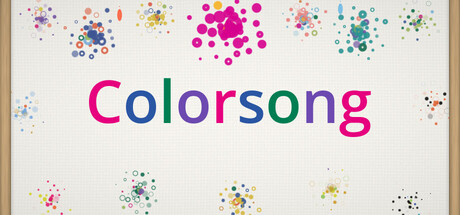
Some in-game models and music were created with generative AI. Our original cover illustrations and title lettering are handmade; selected store-art adaptations and the app icon used AI tools. Optional chat uses a lightweight AI model running entirely on your computer to answer small everyday questions. You can turn chat off at any time.
AI was used as a coding assistant during development, and for translations.
I’m a software engineer with 25 years of programming experience. I used AI to help with technical implementation while I focused on the game’s design, systems, balance, and overall feel.
This game uses some pre-generated content created with generative AI tools. It does not use generative AI to generate content in real time in response to player actions.
Artwork
Generative AI tools were used to create some in-game graphics, as well as images for the Steam store page and promotional and marketing materials. Generated assets are reviewed by the developer and edited or adjusted when necessary. Some assets are used without additional editing.
Translation
AI tools are used to assist with translation and localization for some languages other than Japanese. Translations are reviewed and corrected by the developer.
Some marketing and store page artwork (capsule art, promotional images, achievement icons) was created with the assistance of generative AI tools and then reviewed and edited by our team. The game itself does not generate content with AI at runtime.
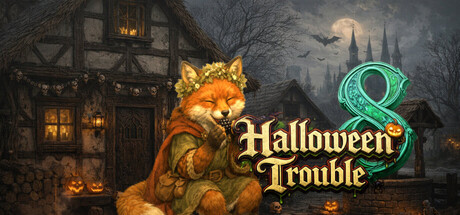
Halloween Trouble 8 utilizes generative artificial intelligence tools to assist in creating several elements of the game. Specifically, AI was used in the generation of:
Art & Visuals: Background environments, character portraits, and the in-game puzzle tiles and runes.
Audio: The game's musical soundtrack.
Narrative & Writing: The overarching story generation and descriptive in-game text.
Generative AI tools were used during development to create selected pre-generated textures, sound effects, and promotional artwork. These materials are used as individual components within the game and its marketing rather than being generated dynamically.
AI-assisted materials are selected, edited, adapted, composed, and integrated by the developer to fit the game's original visual and audio direction. The game's design, gameplay systems, implementation, world building, and overall creative direction are developed by the developer.
No generative AI is used during gameplay, and the game does not connect to external AI services while running.
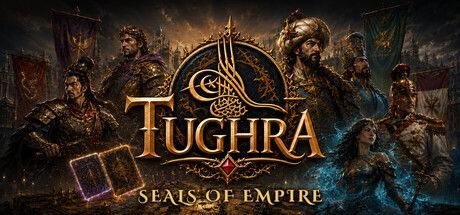
Card illustrations, portraits, faction banners and store capsule artwork were created with generative AI image tools, then curated, edited and integrated by the developer. All game design, rules, card text, writing and music selection are human-made. No AI-generated content is produced at runtime.
Generative AI tools are used during development to write and revise game code, create artwork, music and sound effects, and assist with writing and localization. This includes content in the game and its store and promotional materials. The developer directs and reviews the work before inclusion. No content is generated using generative AI during gameplay.
Generative AI was used during development to assist with some text content and programming code, and to create some 3D models and textures used in the game. All AI-generated and AI-assisted content was reviewed and edited by the developer before being included in the game. Generative AI is not used to create content during gameplay.
Generative AI tools were used as development assistants, including assistance drafting and editing portions of store-page marketing text. All player-facing content is reviewed and edited by the developer. Main Street Operator does not use generative AI during gameplay and does not connect to external AI services while the game is running.
Generative AI tools were used as part of the production process to assist in creating and refining some 2D artwork and visual assets. All such content is pre-generated and reviewed before being included in the game. No AI-generated content is created during gameplay.
Some AI was used to generate marketing images and in-game content, including music and art.
This game would not be possible for a 1-person studio without such tools.
An AI assistant helped write the code, the translations and the store page texts; everything was reviewed and tested by the developer. All in-game visuals and sounds are generated procedurally by the game's own code. AI is not used at runtime.
Some of this game's content was created with the assistance of generative AI tools during development: portions of the game's code, some text, and music tracks, and is reviewed by the developer before shipping. The game does not generate AI content at runtime.
Some visual assets, icons, and artwork in this game were created or refined with the assistance of generative AI. All AI-generated content was reviewed, edited, and approved by the developer before being included in the game. No AI-generated content is created during gameplay, and the game does not rely on AI services while being played.
Generative AI tools were used during development to assist with some 2D background artwork and decorative visual assets. All AI-assisted assets were reviewed and edited before inclusion. The game does not use generative AI during gameplay, and no player input or data is sent to generative AI services. Puzzles and answers are not generated by AI.
Generative AI was used to draft text only: the in-game interface strings, the achievement names and descriptions, their translations into 13 non-English languages, and this store page. All of it was reviewed and edited by the developer before release.
No AI-generated images, audio or video are used. This game ships with no image or audio files at all — every shape, sound and note is produced by the game's own code at run time.
Nothing is generated while you play. The game makes no network calls and contacts no AI service.
Some marketing artwork for the store page (the capsule's sky, city backdrop, rain and lettering layers) was produced with generative image tools (OpenAI image generation, Google Gemini) and then composited and edited by hand. A few placeholder textures currently in the build (the city seen through the office window and its signs, and the sample sheets in the customization menu) were AI-generated and are scheduled to be replaced with licensed or hand-made art before release. AI coding and writing assistants were used during development for parts of the source code, documentation and drafts of store text; all game rules, design decisions and final art direction are the developer's own. The game does not generate content with AI at runtime.
Some 3D models were generated with AI tools (Meshy) and manually processed. Some in-game posters and paintings are AI-generated images. Store capsule artwork was generated with AI tools and edited by the developer. All AI-generated content was reviewed by the developer.
Parts of this store page description, along with the in-game achievement names and descriptions, were drafted with the help of an AI assistant and then reviewed and edited by the developer. All artwork, animation, music, sound design, level design and gameplay content in Boomfrog was made by hand or generated procedurally in code. The game does not use generative AI while you play. Nothing in Boomfrog is created or altered by AI at runtime.
Some character voices in the game were generated using AI voice technology. AI was used only to generate pre-recorded character dialogue. No AI-generated content is created dynamically during gameplay.
Some of the images used in the game were created with generative AI tools. However, all questions, answer choices, facts, and other written content were created and edited by humans.
Generative AI was used during development to assist in creating some pre-generated 2D artwork, including backgrounds, characters, fish/creatures, logos, and some marketing artwork. Generated assets were reviewed, selected, edited, and integrated by the developer. The game does not use generative AI to create content during gameplay.
Neon Bastion uses pre-generated AI-assisted artwork and some written game/interface text. All content was reviewed and integrated by the developer. No AI content is generated during gameplay.
Generative AI tools were used to assist with some store marketing assets including capsule artwork, as well as a small number of in-game item icons and a loading screen. All AI-assisted assets were reviewed, edited and polished by hand before use and will be replaced at a later date.
This game uses AI-assisted tools in the development of certain in-game visuals
and assets. Additionally, AI tools were used to assist in the localization and
translation of in-game text content. All AI-generated content has been reviewed
and edited by the development team. No AI is used to generate content during
gameplay, and the game does not connect to any external AI services at runtime.
Generative AI tools were used during development to create some pre-generated visual artwork used in marketing/store assets and some pre-generated background music used in the game. The game does not use generative AI to create content during gameplay.
Generative AI tools were used during development to assist with creating certain puzzle artworks, background visuals, and ambient music tracks. The game does not feature any real-time, live AI generation while playing.
This game uses generative AI extensively during development to assist with programming and to create art, music, and some written materials. All content included in the final game is manually reviewed, edited, and integrated; no content is generated in real time while the game is running.
AI is used to generate concept art, 3D models, audio, and Steam store images. Models are manually refined and hand-textured. No AI content is generated during gameplay.
Generative AI was used during development for early visual exploration and as a creative assistance tool. Any AI-assisted visual material included in the game or store assets is substantially edited and art-directed by the developer. Final game art, visual design, and implementation are created and curated by the developer. No generative AI is used during gameplay.
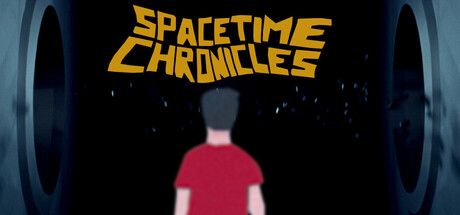
Spacetime Chronicles comes from a handmade animated feature: most of what you see are real paper sets, characters and props, photographed and animated frame by frame by the author. Generative AI was used in the following areas. Images: roughly 15% of the game's images were created or completed with generative AI, then edited and integrated by the author. Audio: the game's sound effects and character voices were produced using generative AI tools. Code: parts of the game's source code were written and reviewed with the help of AI assistants. All of this content was generated during development, reviewed and approved by the author before release. The game does not generate any AI content while you play, and it does not connect to any AI service at runtime.
Some in-game models and music were created with generative AI. Our original cover illustrations and title lettering are handmade; selected store-art adaptations and the app icon used AI tools. Optional chat uses a lightweight AI model running entirely on your computer to answer small everyday questions. You can turn chat off at any time.
AI was used as a coding assistant during development, and for translations.
I’m a software engineer with 25 years of programming experience. I used AI to help with technical implementation while I focused on the game’s design, systems, balance, and overall feel.
This game uses some pre-generated content created with generative AI tools. It does not use generative AI to generate content in real time in response to player actions.
Artwork
Generative AI tools were used to create some in-game graphics, as well as images for the Steam store page and promotional and marketing materials. Generated assets are reviewed by the developer and edited or adjusted when necessary. Some assets are used without additional editing.
Translation
AI tools are used to assist with translation and localization for some languages other than Japanese. Translations are reviewed and corrected by the developer.
Some marketing and store page artwork (capsule art, promotional images, achievement icons) was created with the assistance of generative AI tools and then reviewed and edited by our team. The game itself does not generate content with AI at runtime.
Halloween Trouble 8 utilizes generative artificial intelligence tools to assist in creating several elements of the game. Specifically, AI was used in the generation of:
Art & Visuals: Background environments, character portraits, and the in-game puzzle tiles and runes.
Audio: The game's musical soundtrack.
Narrative & Writing: The overarching story generation and descriptive in-game text.
Generative AI tools were used during development to create selected pre-generated textures, sound effects, and promotional artwork. These materials are used as individual components within the game and its marketing rather than being generated dynamically.
AI-assisted materials are selected, edited, adapted, composed, and integrated by the developer to fit the game's original visual and audio direction. The game's design, gameplay systems, implementation, world building, and overall creative direction are developed by the developer.
No generative AI is used during gameplay, and the game does not connect to external AI services while running.
Card illustrations, portraits, faction banners and store capsule artwork were created with generative AI image tools, then curated, edited and integrated by the developer. All game design, rules, card text, writing and music selection are human-made. No AI-generated content is produced at runtime.
Generative AI tools are used during development to write and revise game code, create artwork, music and sound effects, and assist with writing and localization. This includes content in the game and its store and promotional materials. The developer directs and reviews the work before inclusion. No content is generated using generative AI during gameplay.
Generative AI was used during development to assist with some text content and programming code, and to create some 3D models and textures used in the game. All AI-generated and AI-assisted content was reviewed and edited by the developer before being included in the game. Generative AI is not used to create content during gameplay.
Generative AI tools were used as development assistants, including assistance drafting and editing portions of store-page marketing text. All player-facing content is reviewed and edited by the developer. Main Street Operator does not use generative AI during gameplay and does not connect to external AI services while the game is running.
Generative AI tools were used as part of the production process to assist in creating and refining some 2D artwork and visual assets. All such content is pre-generated and reviewed before being included in the game. No AI-generated content is created during gameplay.
Some AI was used to generate marketing images and in-game content, including music and art.
This game would not be possible for a 1-person studio without such tools.
An AI assistant helped write the code, the translations and the store page texts; everything was reviewed and tested by the developer. All in-game visuals and sounds are generated procedurally by the game's own code. AI is not used at runtime.
Some of this game's content was created with the assistance of generative AI tools during development: portions of the game's code, some text, and music tracks, and is reviewed by the developer before shipping. The game does not generate AI content at runtime.
Some visual assets, icons, and artwork in this game were created or refined with the assistance of generative AI. All AI-generated content was reviewed, edited, and approved by the developer before being included in the game. No AI-generated content is created during gameplay, and the game does not rely on AI services while being played.
Generative AI tools were used during development to assist with some 2D background artwork and decorative visual assets. All AI-assisted assets were reviewed and edited before inclusion. The game does not use generative AI during gameplay, and no player input or data is sent to generative AI services. Puzzles and answers are not generated by AI.
Generative AI was used to draft text only: the in-game interface strings, the achievement names and descriptions, their translations into 13 non-English languages, and this store page. All of it was reviewed and edited by the developer before release.
No AI-generated images, audio or video are used. This game ships with no image or audio files at all — every shape, sound and note is produced by the game's own code at run time.
Nothing is generated while you play. The game makes no network calls and contacts no AI service.
Some marketing artwork for the store page (the capsule's sky, city backdrop, rain and lettering layers) was produced with generative image tools (OpenAI image generation, Google Gemini) and then composited and edited by hand. A few placeholder textures currently in the build (the city seen through the office window and its signs, and the sample sheets in the customization menu) were AI-generated and are scheduled to be replaced with licensed or hand-made art before release. AI coding and writing assistants were used during development for parts of the source code, documentation and drafts of store text; all game rules, design decisions and final art direction are the developer's own. The game does not generate content with AI at runtime.
Some 3D models were generated with AI tools (Meshy) and manually processed. Some in-game posters and paintings are AI-generated images. Store capsule artwork was generated with AI tools and edited by the developer. All AI-generated content was reviewed by the developer.
Parts of this store page description, along with the in-game achievement names and descriptions, were drafted with the help of an AI assistant and then reviewed and edited by the developer. All artwork, animation, music, sound design, level design and gameplay content in Boomfrog was made by hand or generated procedurally in code. The game does not use generative AI while you play. Nothing in Boomfrog is created or altered by AI at runtime.
Some character voices in the game were generated using AI voice technology. AI was used only to generate pre-recorded character dialogue. No AI-generated content is created dynamically during gameplay.
Some of the images used in the game were created with generative AI tools. However, all questions, answer choices, facts, and other written content were created and edited by humans.
Generative AI was used during development to assist in creating some pre-generated 2D artwork, including backgrounds, characters, fish/creatures, logos, and some marketing artwork. Generated assets were reviewed, selected, edited, and integrated by the developer. The game does not use generative AI to create content during gameplay.
Neon Bastion uses pre-generated AI-assisted artwork and some written game/interface text. All content was reviewed and integrated by the developer. No AI content is generated during gameplay.
Generative AI tools were used to assist with some store marketing assets including capsule artwork, as well as a small number of in-game item icons and a loading screen. All AI-assisted assets were reviewed, edited and polished by hand before use and will be replaced at a later date.
This game uses AI-assisted tools in the development of certain in-game visuals
and assets. Additionally, AI tools were used to assist in the localization and
translation of in-game text content. All AI-generated content has been reviewed
and edited by the development team. No AI is used to generate content during
gameplay, and the game does not connect to any external AI services at runtime.
Generative AI tools were used during development to create some pre-generated visual artwork used in marketing/store assets and some pre-generated background music used in the game. The game does not use generative AI to create content during gameplay.
Generative AI tools were used during development to assist with creating certain puzzle artworks, background visuals, and ambient music tracks. The game does not feature any real-time, live AI generation while playing.
This game uses generative AI extensively during development to assist with programming and to create art, music, and some written materials. All content included in the final game is manually reviewed, edited, and integrated; no content is generated in real time while the game is running.
AI is used to generate concept art, 3D models, audio, and Steam store images. Models are manually refined and hand-textured. No AI content is generated during gameplay.
Generative AI was used during development for early visual exploration and as a creative assistance tool. Any AI-assisted visual material included in the game or store assets is substantially edited and art-directed by the developer. Final game art, visual design, and implementation are created and curated by the developer. No generative AI is used during gameplay.
Spacetime Chronicles comes from a handmade animated feature: most of what you see are real paper sets, characters and props, photographed and animated frame by frame by the author. Generative AI was used in the following areas. Images: roughly 15% of the game's images were created or completed with generative AI, then edited and integrated by the author. Audio: the game's sound effects and character voices were produced using generative AI tools. Code: parts of the game's source code were written and reviewed with the help of AI assistants. All of this content was generated during development, reviewed and approved by the author before release. The game does not generate any AI content while you play, and it does not connect to any AI service at runtime.