Public Steam disclosure research25,383 disclosures tracked
Where do games disclose AI use?
Search developers’ Steam disclosures, compare classified AI use across
games, and follow recorded changes.
This index adds cross-game classifications and statistics to
statements published on individual store pages.
Groups reflect automatic analysis of public disclosures; mature records are excluded. These counts do not measure AI use across all of Steam.
Missing or unclear statements cannot establish whether a game uses AI.
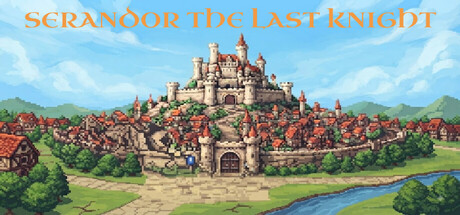
Some pre-rendered artwork — event illustrations, key art, and store capsule images — was created with the assistance of generative AI tools, then selected, edited, and composited by the developer. Localization drafts were produced with AI translation tools and reviewed by the developer. All in-game unit, UI, and map art uses licensed, human-made asset packs. No content is generated by AI at runtime.
Generative AI was used during development to assist in the creation of the game’s logo as a pre-rendered marketing asset.
No generative AI is used during gameplay, and no AI-generated content is created or shown to players while playing the game.
AI was used only to help create a few marketing images (capsule art and header capsule). All store screenshots, written content, and in-game art, audio, and text are handcrafted. The game contains no live or runtime AI-generated content.
Uses voice cloning by Speechify.
Uses AI generated images uploaded by other users to Pixabay when there wasn't a better alternative available.
Most such images are for character portraits and similar placeholder assets of secondary importance.
There is no prompt or direct AI usage.
Generative AI was used selectively during
development, always under direct human
authorship and review:
• Code — An AI coding assistant supported
development as a productivity tool; all systems
were designed, reviewed, and tested by the
developer.
• Key art — The Steam key art was created with
generative AI, then curated and hand-finished by
the developer. All in-game tilesets and
character art are licensed, human-made asset
packs.
• Music — Background music tracks were produced
with the assistance of generative AI tools, then
selected, edited, and mixed by the developer.
The game contains no live-generated AI content:
nothing is generated by AI at runtime.
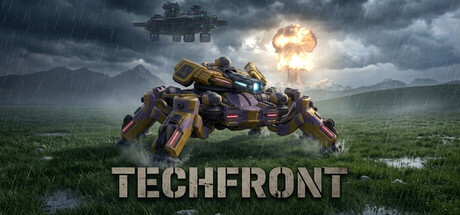
Generative AI was used as a development tool for this game. An AI assistant helped with programming, game design iteration, and text translation, always under the developer's direction and review. Some 3D models, such as mech parts, are based on assets created with generative AI tools and then adjusted and integrated by the developer. No content is generated by AI during gameplay: enemy behavior is not generative AI, but the same deterministic node-based algorithms that players build themselves.
Generative AI was used to create some pre-generated artwork and music included in the game and its promotional materials. AI-generated content was reviewed and selected by the developer before being included. The game does not use generative AI to generate content live during gameplay.
The game's code was written with the help of an AI coding assistant, following the developer's design direction. Because the characters, arenas, materials and user interface are generated procedurally in code rather than authored as art assets, they are a result of that same process. The background music tracks were generated with Suno (commercial licence). Sound effects are licensed from Mixkit and Freesound. Nothing is generated by AI while the game is running.
Generative AI tools were used during development to assist in creating some 2D graphics, visual effects, and sound effects. AI-generated outputs are reviewed and edited before being used in the game. The game does not use generative AI or generate AI content during gameplay.
The game’s music and minor visual assets were generated with AI assistance and manually refined by the developer. The rest of the content was created without generative AI.
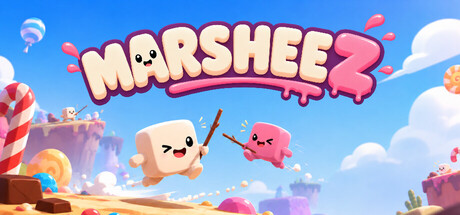
During development, parts of Marsheez were made with generative AI: some of the source code was written with the help of an AI coding assistant, and some of the art and music were created with help of AI tools and then later edited by the developer. The game does not use any generative AI while you play.
The packaged offline model generates diplomatic communications and makes faction decisions from structured game state with curated personalities. Generative AI was used to assist in creating some pre-rendered artwork, including environment backgrounds, menu and branding art, icons, and promotional/title-card images. These assets were reviewed and integrated by the developer. Game does not connect to external AI services.
Some of the 2D artwork and animation frames in this game were produced with the assistance of generative AI tools. Every AI-assisted asset was reviewed and edited by me (the developer) before shipping. The game contains no live-generated AI content — all art, animation, and text are fixed at release and identical for every player.
Part of the program code, art materials, and text content in this work were created using generative artificial intelligence and have been manually reviewed and adjusted to ensure a seamless gaming experience. During gameplay, AI does not generate content in real-time, all content is pre generated.
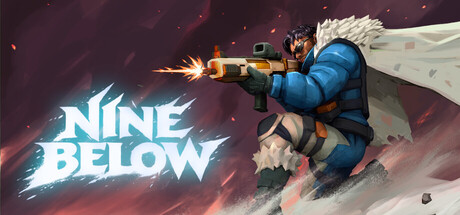
Generative AI tools were used during development as part of the early creative and production process, including generating mood boards, visual references, and some base meshes.
These materials were used as starting points rather than finished game content. Any AI-assisted assets included in Nine Below were substantially reworked, modified, refined, and polished by hand before being included in the final game.
AI was used to support iteration and production, while the final game was designed, built, and finished by the developer. No AI-generated content is created during gameplay.
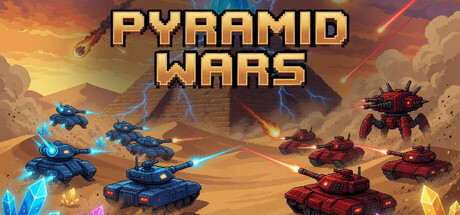
The code, menu, graphics, artwork, effects, localization, sounds and music of Pyramid Wars is vibe coded.
The cover image, shop- and library art is AI generated.
Generative AI tools assisted with selected pre-generated UI artwork and sound/music effects.
All generated assets were reviewed and edited by the development team.
Generative AI was used to assist with drafting and editing portions of the Steam store page description and marketing copy. All AI-assisted text was reviewed, revised, and approved by the development team before publication. No AI-generated content is used during gameplay.
AI used to generate code, including code to procedurally generate graphics/sound.
Artists using Suno marked "(Suno)" after artist name.
AI used for localization.
Currently, many illustrations have been enhanced by AI using our own artworks and 3D models as a basis.
In addition, the audio versions of dialogues are produced using AI-generated voices.
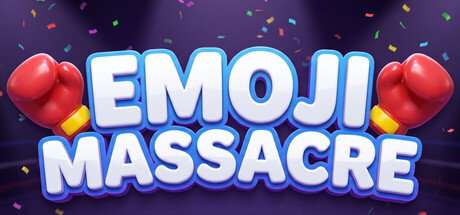
Some of this game's promotional and background artwork was made with generative AI tools and then edited by the developer: the store capsule/key art images, the painted title-screen background, and the cinematic clips used in the intro trailer. All gameplay, code, game design, in-game visuals (the emoji fighters, gloves, effects and UI), sound effects and music were created without generative AI. No AI content is generated during gameplay and the game does not connect to any AI service.
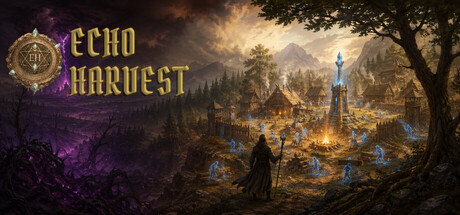
Generative AI was used during development to assist in creating some pre-generated visual artwork and illustrative assets, including artwork used within the Chronicle system. All AI-assisted content is created and reviewed during development and is included in the game as finished assets. Echo Harvest does not use generative AI to create content dynamically during gameplay.
Generative AI tools were used to assist with programming and translation/localization during development. All artwork and original dialogue were created by the developer. AI-assisted translations were reviewed and edited by the developer before being included in the game. No generative AI is used during gameplay.
Generative AI was used to assist in creating select art assets, which were reviewed, edited, and integrated by the developer. All gameplay, programming, and overall design were created by the development team.
This game uses generative AI as a production tool. Character, enemy, boss, UI, and background art were created with image-generation models and then assembled, keyed, and edited by the team. Background music and in-game voice and narration (including Classical Latin lines in Purgatory) were also generated with AI and curated for the game.
Gameplay, design, writing, and programming are human-authored. The game does not generate new text, images, or audio while you play. Some store and marketing images were produced with the same tools.
Coquí Crusader was made with AI-assisted tools under the developer's direction.
The coquí mascot logo and the background music were AI-generated. AI coding assistance was used to build the game and to help write its in-game and store text, all reviewed by the developer.
Every design decision was made by the developer: the mechanics, the progression and balance, and the Puerto Rican setting — the ten zones based on real landmarks, the folklore creatures from Taíno legend, and the Spanish localization.
No content is generated during gameplay, and the game never connects to any external AI service.
We are team of two with a design and development background. We have a combined decades experience shipping production-quality code and art. We use AI along with our other tools, like Blender, Substance, etc. to help us build our vision. We use AI in the early stage of concept development and prototyping, coding assistance, but everything that makes it in-game is hand-crafted and authored by us. The music is played by hand real instruments. All screen captures are 100% in-game with no alterations.
Some of the promotional artwork, store page banners, and/or trailer visuals for Ascend Idle: Chronicles were created with the assistance of Generative AI tools. The core game code and design were developed entirely by hand as a solo project.
AI-enabled tools were used during development to assist with asset creation. Some visual and audio assets in the finished game incorporate AI-assisted or AI-generated source material. For more information, visit https://jetgrave.com/ai-use/
Some pre-rendered artwork — event illustrations, key art, and store capsule images — was created with the assistance of generative AI tools, then selected, edited, and composited by the developer. Localization drafts were produced with AI translation tools and reviewed by the developer. All in-game unit, UI, and map art uses licensed, human-made asset packs. No content is generated by AI at runtime.
Generative AI was used during development to assist in the creation of the game’s logo as a pre-rendered marketing asset.
No generative AI is used during gameplay, and no AI-generated content is created or shown to players while playing the game.
AI was used only to help create a few marketing images (capsule art and header capsule). All store screenshots, written content, and in-game art, audio, and text are handcrafted. The game contains no live or runtime AI-generated content.
Uses voice cloning by Speechify.
Uses AI generated images uploaded by other users to Pixabay when there wasn't a better alternative available.
Most such images are for character portraits and similar placeholder assets of secondary importance.
There is no prompt or direct AI usage.
Generative AI was used selectively during
development, always under direct human
authorship and review:
• Code — An AI coding assistant supported
development as a productivity tool; all systems
were designed, reviewed, and tested by the
developer.
• Key art — The Steam key art was created with
generative AI, then curated and hand-finished by
the developer. All in-game tilesets and
character art are licensed, human-made asset
packs.
• Music — Background music tracks were produced
with the assistance of generative AI tools, then
selected, edited, and mixed by the developer.
The game contains no live-generated AI content:
nothing is generated by AI at runtime.
Generative AI was used as a development tool for this game. An AI assistant helped with programming, game design iteration, and text translation, always under the developer's direction and review. Some 3D models, such as mech parts, are based on assets created with generative AI tools and then adjusted and integrated by the developer. No content is generated by AI during gameplay: enemy behavior is not generative AI, but the same deterministic node-based algorithms that players build themselves.
Generative AI was used to create some pre-generated artwork and music included in the game and its promotional materials. AI-generated content was reviewed and selected by the developer before being included. The game does not use generative AI to generate content live during gameplay.
The game's code was written with the help of an AI coding assistant, following the developer's design direction. Because the characters, arenas, materials and user interface are generated procedurally in code rather than authored as art assets, they are a result of that same process. The background music tracks were generated with Suno (commercial licence). Sound effects are licensed from Mixkit and Freesound. Nothing is generated by AI while the game is running.
Generative AI tools were used during development to assist in creating some 2D graphics, visual effects, and sound effects. AI-generated outputs are reviewed and edited before being used in the game. The game does not use generative AI or generate AI content during gameplay.
The game’s music and minor visual assets were generated with AI assistance and manually refined by the developer. The rest of the content was created without generative AI.
During development, parts of Marsheez were made with generative AI: some of the source code was written with the help of an AI coding assistant, and some of the art and music were created with help of AI tools and then later edited by the developer. The game does not use any generative AI while you play.
The packaged offline model generates diplomatic communications and makes faction decisions from structured game state with curated personalities. Generative AI was used to assist in creating some pre-rendered artwork, including environment backgrounds, menu and branding art, icons, and promotional/title-card images. These assets were reviewed and integrated by the developer. Game does not connect to external AI services.
Some of the 2D artwork and animation frames in this game were produced with the assistance of generative AI tools. Every AI-assisted asset was reviewed and edited by me (the developer) before shipping. The game contains no live-generated AI content — all art, animation, and text are fixed at release and identical for every player.
Part of the program code, art materials, and text content in this work were created using generative artificial intelligence and have been manually reviewed and adjusted to ensure a seamless gaming experience. During gameplay, AI does not generate content in real-time, all content is pre generated.
Generative AI tools were used during development as part of the early creative and production process, including generating mood boards, visual references, and some base meshes.
These materials were used as starting points rather than finished game content. Any AI-assisted assets included in Nine Below were substantially reworked, modified, refined, and polished by hand before being included in the final game.
AI was used to support iteration and production, while the final game was designed, built, and finished by the developer. No AI-generated content is created during gameplay.
The code, menu, graphics, artwork, effects, localization, sounds and music of Pyramid Wars is vibe coded.
The cover image, shop- and library art is AI generated.
Generative AI tools assisted with selected pre-generated UI artwork and sound/music effects.
All generated assets were reviewed and edited by the development team.
Generative AI was used to assist with drafting and editing portions of the Steam store page description and marketing copy. All AI-assisted text was reviewed, revised, and approved by the development team before publication. No AI-generated content is used during gameplay.
AI used to generate code, including code to procedurally generate graphics/sound.
Artists using Suno marked "(Suno)" after artist name.
AI used for localization.
Currently, many illustrations have been enhanced by AI using our own artworks and 3D models as a basis.
In addition, the audio versions of dialogues are produced using AI-generated voices.
Some of this game's promotional and background artwork was made with generative AI tools and then edited by the developer: the store capsule/key art images, the painted title-screen background, and the cinematic clips used in the intro trailer. All gameplay, code, game design, in-game visuals (the emoji fighters, gloves, effects and UI), sound effects and music were created without generative AI. No AI content is generated during gameplay and the game does not connect to any AI service.
Generative AI was used during development to assist in creating some pre-generated visual artwork and illustrative assets, including artwork used within the Chronicle system. All AI-assisted content is created and reviewed during development and is included in the game as finished assets. Echo Harvest does not use generative AI to create content dynamically during gameplay.
Generative AI tools were used to assist with programming and translation/localization during development. All artwork and original dialogue were created by the developer. AI-assisted translations were reviewed and edited by the developer before being included in the game. No generative AI is used during gameplay.
Generative AI was used to assist in creating select art assets, which were reviewed, edited, and integrated by the developer. All gameplay, programming, and overall design were created by the development team.
This game uses generative AI as a production tool. Character, enemy, boss, UI, and background art were created with image-generation models and then assembled, keyed, and edited by the team. Background music and in-game voice and narration (including Classical Latin lines in Purgatory) were also generated with AI and curated for the game.
Gameplay, design, writing, and programming are human-authored. The game does not generate new text, images, or audio while you play. Some store and marketing images were produced with the same tools.
Coquí Crusader was made with AI-assisted tools under the developer's direction.
The coquí mascot logo and the background music were AI-generated. AI coding assistance was used to build the game and to help write its in-game and store text, all reviewed by the developer.
Every design decision was made by the developer: the mechanics, the progression and balance, and the Puerto Rican setting — the ten zones based on real landmarks, the folklore creatures from Taíno legend, and the Spanish localization.
No content is generated during gameplay, and the game never connects to any external AI service.
We are team of two with a design and development background. We have a combined decades experience shipping production-quality code and art. We use AI along with our other tools, like Blender, Substance, etc. to help us build our vision. We use AI in the early stage of concept development and prototyping, coding assistance, but everything that makes it in-game is hand-crafted and authored by us. The music is played by hand real instruments. All screen captures are 100% in-game with no alterations.
Some of the promotional artwork, store page banners, and/or trailer visuals for Ascend Idle: Chronicles were created with the assistance of Generative AI tools. The core game code and design were developed entirely by hand as a solo project.
AI-enabled tools were used during development to assist with asset creation. Some visual and audio assets in the finished game incorporate AI-assisted or AI-generated source material. For more information, visit https://jetgrave.com/ai-use/