








Disclosure
This game contains AI-generated music used in promotional materials, including trailers. No AI-generated content is used in gameplay.
- Creator
- Imperium of the Stars
- Reviews
- -
- Added
- Jun 9, 2026
Public Steam disclosure research 25,497 disclosures tracked
Search developers’ Steam disclosures, compare classified AI use across games, and follow recorded changes. This index adds cross-game classifications and statistics to statements published on individual store pages.
Code help, debugging and other development work.
Capsule art, trailers and promotional material.
Pre-made art, audio, writing and other game assets.
Interactive or runtime AI features disclosed by the developer.
Groups reflect automatic analysis of public disclosures; mature records are excluded. These counts do not measure AI use across all of Steam. Missing or unclear statements cannot establish whether a game uses AI.
This game contains AI-generated music used in promotional materials, including trailers. No AI-generated content is used in gameplay.
Some visual assets in this game were created with the assistance of generative AI tools. AI-assisted content includes some capsule images and promotional images used on the Steam store page, as well as some in-game background images, item icons, and UI images. The generated results were selected, edited, and adjusted by the developer to match the game's atmosphere and content. The game does not use live-generated AI during gameplay. It does not include any feature where AI generates text, images, voice, music, or other content in response to player input while the game is running.
Immortal Rebirth utilizes generative AI for some in-game icons.
Scourge of the Necromancer makes significant use of generative AI in its production. We want to be fully upfront about it. Visual assets (2D images + video) — all AI-generated, then human-curated and human-edited. Every shipped image and video in the game and on the Steam store page was produced with AI tools, then reviewed, edited, and selected by hand by the developer. This covers: Steam store capsules and library art, the store-page background, all in-game achievement icons, hero portraits, the Necromancer concept art, decorative UI elements, all real-time cinematics (the defeat sequence and all victory variants), and the marketing trailer's atmospheric segments. Image models used: Google Imagen 4, Google Veo 3.1 (video), Nano Banana Pro / Gemini 3 Pro Image (Google), Black Forest Labs FLUX.2, Recraft V4 Pro, Ideogram V3, and Bria RMBG-2.0 (background removal). Final assets received human editing — compositing, color correction, retouching, frame extraction, masking, and rejection of unusable outputs. 3D models — AI-generated base meshes, then human-edited in Blender. The in-game hero character models (Knight, Cleric, Ranger, Wizard, Warrior, Alchemist) started as outputs from Tripo AI's generative 3D model service (FBX + texture PNGs), but each model was then opened in Blender by the developer for hand editing — mesh cleanup, geometry adjustments, and texture fixes — before being exported for use in the game. Each finished model was imported into Unity with hand-tuned scale, rotation, material configuration, and import-setting curation. Unsatisfactory generations were discarded and re-prompted; the Blender editing step is substantial enough that the shipped models are not pure AI output. Music — AI-generated, then human-curated and post-processed. All music tracks in the game (menu, gameplay layers, boss phases, victory, defeat) were produced with Google Gemini's music generation, then human-selected, trimmed, looped, and mixed by the developer. Necromancer voice — AI-generated, then human-edited. The Necromancer's spoken syllables were synthesized with ElevenLabs Text-to-Speech (Eleven Multilingual v2 model), then pitch-shifted, EQ'd, and processed with reverb in Audacity by the developer to produce the final in-game delivery. No other character has spoken voice lines in the shipped game. Sound effects — all AI-generated. Every SFX in the game (ability sounds, ambient layers, UI sounds, footsteps, kill/spawn cues, tile state cues, boss audio) was produced with ElevenLabs Sound Effects, then human-selected, trimmed, processed, and mixed by the developer. The Necromancer voice lines use ElevenLabs Text-to-Speech (covered separately above). Runtime behavior. The game does NOT use live-generated AI content at runtime. Every shipped asset is a fixed, pre-rendered file. Player-facing text, dialogue, narrative, lore, and game design were written by the developer without AI generation. Code. Code development used Claude (Anthropic) as an AI coding assistant. This is behind-the-scenes efficiency tooling not consumed by players, but we mention it here for full transparency.
Portions of the art assets and code utilize AI-generated content.
Some ingame models and textures are AI generated to help speed up the production pipeline. These will eventually be replaced and I simply refuse to charge money for a game which uses AI assets, so until then this game will be free until all AI assets are replaced.
Some basic art assets were generated using AI.
Some promotional images on the Steam store page and selected in-game UI images were created or assisted using generative AI, then reviewed and edited by the development team before use.
The demo version contains temporary AI (generated music and promotional artwork only). These assets will be replaced with original content in the final version of the game.
This game uses generative AI tools for code creation, refactoring, debugging assistance, and drafting and revising store text. All AI-generated output is reviewed and edited by the developer before use. The game does not generate AI content during gameplay, nor does it connect to any external AI services.
Some of the artwork in this piece was created using Stable Diffusion.
AI tools were used to assist with the English localization of texts and dialogues. Additionally, some sound effects in the current Demo are AI-generated placeholders, which will be completely replaced with custom audio in the final release.
AI was used during development to assist with brainstorming, writing dialogue, generating character concepts, story planning, and organizing game data. All content was reviewed, edited, and implemented by the developer.
Generative AI was used only for the creation of certain background music tracks. Story, game design, programming, character artwork, and other visual assets were created by the developer.
The game has no AI generated content. The store page have AI generated content (I used AI to upscale & enhance my own artwork).
This game uses pre-generated AI-assisted content for some visual assets, promotional images, localization support, and marketing materials. All AI-assisted content has been reviewed and edited by the developer before inclusion in the game or store page. Artificial intelligence was not used in writing the game’s story; the writing process was completed by the developer over approximately 4 months.
Character, monster, and object sprites, as well as the app icon, were created using AI image generation tools and subsequently hand-edited and refined by the developer. Some in-game text was written with AI assistance.
Generative AI tools were used exclusively to create the main menu background illustration and the visual assets/textures for the enemy characters. No other parts of the game utilize artificial intelligence, and all other assets were created or acquired manually by the developers. The game does not contain any live-generated or real-time AI content.
Some characters are generated using AI
Some 2D art assets in this game such as certain UI elements, background and map imagery, and loading screens were created with the help of generative AI tools.
Some Steam community assets were created or refined with the assistance of generative AI.
Given I am a solo developer, Generative AI tools were utilized as development assistants to optimize workflows. Also, some of the backgrounds are based on images created with AI, as well as a few items. They were only used as a basis to start from and have been heavily edited manually afterwards to make them fit with the rest of the game's pixel art artstyle.
Built solo with Cursor AI, Realmlords is a one-developer passion project: an action roguelite forged through rapid iteration, creative experimentation, and nonstop refinement from a single creator’s vision. Over 2 years in the making.
AI-assisted tools were used during portions of concept exploration and creative iteration for certain visual and writing workflows. All game systems, gameplay implementation, worldbuilding, design direction, editing, integration, UI construction, narrative structure, and final production decisions are created and directed by the developer. AI tools are used as part of an assisted creative workflow rather than as fully autonomous content generation.
Some of the 2D user interface (UI) elements and 3D models in the game were generated using AI tools. These assets have been carefully reviewed, edited, and integrated by the developer to fit the game's art style and ensure they comply with copyright standards.
AI was used to make this game.
Entire story, dialogues, codes are hand-crafted by human developers. Most of in-game UI and arts were refined by our human art designer, while AI-based tools supported the initial bases for character illustrations, card illustrations, and visual novel backgrounds.
This title makes assistive use of generative AI tools in the following areas. All AI-generated outputs are manually reviewed, edited, and curated by the development team before being incorporated as final assets, and we have taken care to ensure that they do not infringe on the rights of third parties. No real-time AI generation occurs during gameplay.[Pre-Rendered Content — AI-Assisted Areas]- Production support for a portion of the in-game visual assets- Production support for a portion of the in-game music (BGM) and sound effects- Translation support for store page localization across supported languages (with human proofreading)[Live Generation]The game does not invoke generative AI in real time at any point during gameplay.
Some localization in this game was done with the help of AI tools.
Some visual assets, concept art, and creative materials used in the game and store page were assisted by generative AI tools. All generated content was reviewed, edited, and integrated by the developer.
This game makes use of generative AI as a creative assistant during development. All AI-assisted output is reviewed, edited, and approved by the developer before being included in the final game. No content is generated live during gameplay. Source code: Drafted with AI coding tools, then reviewed, tested, and integrated by the developer. Visual assets: All main character designs and key visuals are based on the developer's hand-drawn illustrations. Some assets combine the developer's artwork with AI-assisted generation or refinement. Scenario text: Story, dialogue, and worldbuilding are written by the developer, with AI used for drafting support, rewriting, and consistency checks. Music: A portion of the in-game music is produced with AI assistance; the developer selects, edits, and finalizes all tracks used in the game. Localization: The English translation is produced with AI assistance and reviewed by the developer.
This game contains pre-generated content created with the assistance of generative AI tools during development. AI was used mainly for card illustrations, UI design drafts, some text creation assistance, and programming assistance. The game does not generate new images, audio, text, or other content using AI during gameplay.
Use AI to generate images or code
Generative AI tools were used during development to assist with pre-generated content such as code iteration, localization assistance, and edited achievement icon variants. The game does not generate AI content at runtime. All content included in the product and Steam materials is reviewed and selected by the developer before release.
Generative AI was used for certain programming elements in this game, including moving platforms and parts of the enemy AI behavior.
Some temporary music tracks used in the game were created with the assistance of generative AI tools. (Suno)
I used AI to create the Steam header and library capsules; along with the simple loading animation when the game starts after the player clicks play.
Demon Rising uses generative AI for part of its content: Live-generated narrative — The game includes a local AI language model that runs fully offline on your PC; no internet connection is required and no data is sent anywhere. During play it generates dynamic dialogue for your demon officers, war-council debates, prisoner interrogations and boss encounters, keeping conversations varied across runs. All generated text is constrained by the game's prompts to in-game characters and situations and is bounded by built-in safeguards. If the AI model is unavailable, the game automatically falls back to hand-written dialogue, so the full game is playable either way. Pre-generated artwork — Some character portraits and illustrations were created with the help of AI image-generation tools, then selected and edited by the developer. All AI-assisted content is curated and reviewed by the developer.
Some background environments and character animations in this game were created with the assistance of AI generation tools. All AI-generated content has been reviewed, edited, and integrated by the development team to ensure quality and consistency with the game's artistic vision.
Some of the in-game 2D textures and visual effects were created using AI-based tools. These elements are modified in terms of art and development throughout the production process to ensure they meet our quality standards and creative vision.
Generative AI tools were used to assist in the creation of some artwork and marketing materials. All assets were edited, curated, and integrated into the game by the developer.
Apart from the back end for the gameplay, AI is used for all visual and audio assets.
Grok Imagine was used during development to generate environment backgrounds, level assets, and character concept art. All assets have been curated and integrated manually into the 2D engine. Suno AI was used to compose the atmospheric music tracks and soundtracks for the different realms of the game.
Some visual assets, concept materials, and marketing images may use generative AI during the production process. All final assets used in the game and store page are reviewed, selected, and edited by the developer before publication. The game does not generate AI content during gameplay.
Some game’s art and community assets were created with AI tools.
A few visual assets are hand-drawn but most of the assets were created by either Perchance or ChatGPT and then heavily cleaned/edited in photoshop by myself to fit into the game. Music was created by Suno and edited in Audacity. Coding was done from scratch, no AI used in that at all.
AI was used to generate a few minor quest item icons. All other assets, code, and character designs are handcrafted or licensed.
Only minor voice effects in the game were generated using AI tools. No AI-generated gameplay, narrative, music, or visual content is included.
This game used generative AI tools during development to assist with the creation of some 3D modeling and audio assets. During gameplay, AI does not generate content or code, and the game does not rely on real-time AI systems.
Most artwork is hand-drawn. AI-generated assets were used as prototypes and later modified manually.
| Title⇅ | Disclosure | Creator⇅ | Src | Reviews⇅ | Added↓ |
|---|---|---|---|---|---|
 Imperium of the Stars In-game content audio | This game contains AI-generated music used in promotional materials, including trailers. No AI-generated content is used in gameplay. | Imperium of the Stars | - | Jun 9, 2026 | |
 도깨비의 밤 In-game content art | Some visual assets in this game were created with the assistance of generative AI tools.
AI-assisted content includes some capsule images and promotional images used on the Steam store page, as well as some in-game background images, item icons, and UI images. The generated results were selected, edited, and adjusted by the developer to match the game's atmosphere and content.
The game does not use live-generated AI during gameplay. It does not include any feature where AI generates text, images, voice, music, or other content in response to player input while the game is running. | Taleway | - | Jun 9, 2026 | |
 重生修仙 In-game content art | Immortal Rebirth utilizes generative AI for some in-game icons. | RuYan | - | Jun 9, 2026 | |
 Scourge of the Necromancer In-game content artaudiotext | Scourge of the Necromancer makes significant use of generative AI in its production. We want to be fully upfront about it.
Visual assets (2D images + video) — all AI-generated, then human-curated and human-edited. Every shipped image and video in the game and on the Steam store page was produced with AI tools, then reviewed, edited, and selected by hand by the developer. This covers: Steam store capsules and library art, the store-page background, all in-game achievement icons, hero portraits, the Necromancer concept art, decorative UI elements, all real-time cinematics (the defeat sequence and all victory variants), and the marketing trailer's atmospheric segments. Image models used: Google Imagen 4, Google Veo 3.1 (video), Nano Banana Pro / Gemini 3 Pro Image (Google), Black Forest Labs FLUX.2, Recraft V4 Pro, Ideogram V3, and Bria RMBG-2.0 (background removal). Final assets received human editing — compositing, color correction, retouching, frame extraction, masking, and rejection of unusable outputs.
3D models — AI-generated base meshes, then human-edited in Blender. The in-game hero character models (Knight, Cleric, Ranger, Wizard, Warrior, Alchemist) started as outputs from Tripo AI's generative 3D model service (FBX + texture PNGs), but each model was then opened in Blender by the developer for hand editing — mesh cleanup, geometry adjustments, and texture fixes — before being exported for use in the game. Each finished model was imported into Unity with hand-tuned scale, rotation, material configuration, and import-setting curation. Unsatisfactory generations were discarded and re-prompted; the Blender editing step is substantial enough that the shipped models are not pure AI output.
Music — AI-generated, then human-curated and post-processed. All music tracks in the game (menu, gameplay layers, boss phases, victory, defeat) were produced with Google Gemini's music generation, then human-selected, trimmed, looped, and mixed by the developer.
Necromancer voice — AI-generated, then human-edited. The Necromancer's spoken syllables were synthesized with ElevenLabs Text-to-Speech (Eleven Multilingual v2 model), then pitch-shifted, EQ'd, and processed with reverb in Audacity by the developer to produce the final in-game delivery. No other character has spoken voice lines in the shipped game.
Sound effects — all AI-generated. Every SFX in the game (ability sounds, ambient layers, UI sounds, footsteps, kill/spawn cues, tile state cues, boss audio) was produced with ElevenLabs Sound Effects, then human-selected, trimmed, processed, and mixed by the developer. The Necromancer voice lines use ElevenLabs Text-to-Speech (covered separately above).
Runtime behavior. The game does NOT use live-generated AI content at runtime. Every shipped asset is a fixed, pre-rendered file. Player-facing text, dialogue, narrative, lore, and game design were written by the developer without AI generation.
Code. Code development used Claude (Anthropic) as an AI coding assistant. This is behind-the-scenes efficiency tooling not consumed by players, but we mention it here for full transparency. | Ember Logic LLC | - | Jun 8, 2026 | |
 Ace Expedition In-game content artcode | Portions of the art assets and code utilize AI-generated content. | Angry Eggplant | - | Jun 8, 2026 | |
 Emberwild In-game content art | Some ingame models and textures are AI generated to help speed up the production pipeline. These will eventually be replaced and I simply refuse to charge money for a game which uses AI assets, so until then this game will be free until all AI assets are replaced. | PYRO3D | - | Jun 8, 2026 | |
 Beneath the Grinning Nodes In-game content art | Some basic art assets were generated using AI. | BNX Games | - | Jun 8, 2026 | |
 Order of Beast In-game content art | Some promotional images on the Steam store page and selected in-game UI images were created or assisted using generative AI, then reviewed and edited by the development team before use. | Abiohill | - | Jun 7, 2026 | |
 Brassfang In-game content audioart | The demo version contains temporary AI (generated music and promotional artwork only). These assets will be replaced with original content in the final version of the game. | Hannes Realm | - | Jun 7, 2026 | |
 Aiya Desire Store/marketing codetext | This game uses generative AI tools for code creation, refactoring, debugging assistance, and drafting and revising store text. All AI-generated output is reviewed and edited by the developer before use. The game does not generate AI content during gameplay, nor does it connect to any external AI services. | VNL Works Inc. | - | Jun 6, 2026 | |
 点击地牢 Tap Dungeon Store/marketing art | Some of the artwork in this piece was created using Stable Diffusion. | Xiao5 Studios | - | Jun 5, 2026 | |
 Bloodsalt In-game content textaudio | AI tools were used to assist with the English localization of texts and dialogues. Additionally, some sound effects in the current Demo are AI-generated placeholders, which will be completely replaced with custom audio in the final release. | LUKISGAMES | - | Jun 4, 2026 | |
 Swordsmith of Greyhaven In-game content textart | AI was used during development to assist with brainstorming, writing dialogue, generating character concepts, story planning, and organizing game data. All content was reviewed, edited, and implemented by the developer. | Wovley Games | - | Jun 4, 2026 | |
 MunchiesGretel In-game content audio | Generative AI was used only for the creation of certain background music tracks. Story, game design, programming, character artwork, and other visual assets were created by the developer. | Mizuki | - | Jun 4, 2026 | |
 Runic Dungeon Store/marketing art | The game has no AI generated content.
The store page have AI generated content (I used AI to upscale & enhance my own artwork). | Alexis & Friends | - | Jun 4, 2026 | |
 Deigon Witch In-game content arttext | This game uses pre-generated AI-assisted content for some visual assets, promotional images, localization support, and marketing materials. All AI-assisted content has been reviewed and edited by the developer before inclusion in the game or store page.
Artificial intelligence was not used in writing the game’s story; the writing process was completed by the developer over approximately 4 months. | Berk Arifoglu | - | Jun 4, 2026 | |
 Labyrinth of Doom In-game content arttext | Character, monster, and object sprites, as well as the app icon, were created using AI image generation tools and subsequently hand-edited and refined by the developer. Some in-game text was written with AI assistance. | David Riggle | - | Jun 4, 2026 | |
 Deck Of Misakila In-game content art | Generative AI tools were used exclusively to create the main menu background illustration and the visual assets/textures for the enemy characters. No other parts of the game utilize artificial intelligence, and all other assets were created or acquired manually by the developers. The game does not contain any live-generated or real-time AI content. | Dynarix Games | - | Jun 4, 2026 | |
 Crazy Oddballs: Idle RPG In-game content arttext | Some characters are generated using AI | Crazy Oddballs | 329 | Jun 4, 2026 | |
 Rift Horizon art | Some 2D art assets in this game such as certain UI elements, background and map imagery, and loading screens were created with the help of generative AI tools. | Rift Horizon Studio | - | Jun 4, 2026 | |
 Deathless Store/marketing art | Some Steam community assets were created or refined with the assistance of generative AI. | OneTwoPlay | 181 | Jun 3, 2026 | |
 Company Captain: Westashes In-game content art | Given I am a solo developer, Generative AI tools were utilized as development assistants to optimize workflows.
Also, some of the backgrounds are based on images created with AI, as well as a few items. They were only used as a basis to start from and have been heavily edited manually afterwards to make them fit with the rest of the game's pixel art artstyle. | C&T | - | Jun 3, 2026 | |
 Realmlords Dev only code | Built solo with Cursor AI, Realmlords is a one-developer passion project: an action roguelite forged through rapid iteration, creative experimentation, and nonstop refinement from a single creator’s vision. Over 2 years in the making. | UltraPwned Gaming | - | Jun 3, 2026 | |
 Blightened: Relic Keeper In-game content arttext | AI-assisted tools were used during portions of concept exploration and creative iteration for certain visual and writing workflows.
All game systems, gameplay implementation, worldbuilding, design direction, editing, integration, UI construction, narrative structure, and final production decisions are created and directed by the developer.
AI tools are used as part of an assisted creative workflow rather than as fully autonomous content generation. | xombis | - | Jun 3, 2026 | |
 Knight Legion: Rpg Strategy In-game content art | Some of the 2D user interface (UI) elements and 3D models in the game were generated using AI tools. These assets have been carefully reviewed, edited, and integrated by the developer to fit the game's art style and ensure they comply with copyright standards. | Manushart | - | Jun 3, 2026 | |
 A Knight's Fury - The Vaults of Venom Unclear | AI was used to make this game. | PulpyGamesStudio | - | Jun 3, 2026 | |
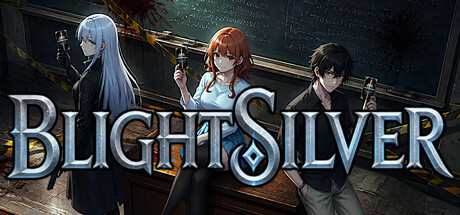 Blightsilver In-game content art | Entire story, dialogues, codes are hand-crafted by human developers. Most of in-game UI and arts were refined by our human art designer, while AI-based tools supported the initial bases for character illustrations, card illustrations, and visual novel backgrounds. | Quiet Eve Studio | - | Jun 3, 2026 | |
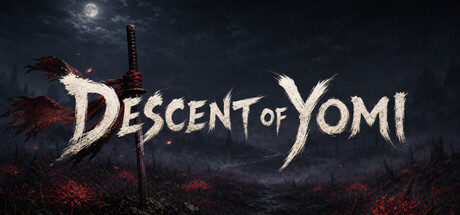 Descent of Yomi In-game content artaudiotext | This title makes assistive use of generative AI tools in the following areas. All AI-generated outputs are manually reviewed, edited, and curated by the development team before being incorporated as final assets, and we have taken care to ensure that they do not infringe on the rights of third parties. No real-time AI generation occurs during gameplay.[Pre-Rendered Content — AI-Assisted Areas]- Production support for a portion of the in-game visual assets- Production support for a portion of the in-game music (BGM) and sound effects- Translation support for store page localization across supported languages (with human proofreading)[Live Generation]The game does not invoke generative AI in real time at any point during gameplay. | R-each | - | Jun 3, 2026 | |
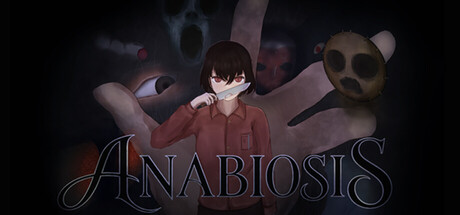 Anabiosis In-game content text | Some localization in this game was done with the help of AI tools. | WaterDizzyDay | - | Jun 3, 2026 | |
 Isle Of Nexaryth In-game content art | Some visual assets, concept art, and creative materials used in the game and store page were assisted by generative AI tools. All generated content was reviewed, edited, and integrated by the developer. | Tugay Saydam | - | Jun 3, 2026 | |
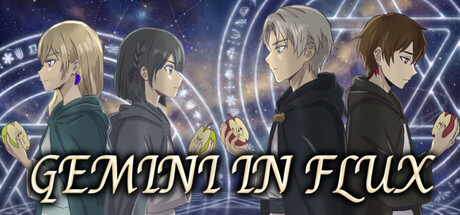 流転のジェミニ In-game content arttextcodeaudio | This game makes use of generative AI as a creative assistant during development. All AI-assisted output is reviewed, edited, and approved by the developer before being included in the final game. No content is generated live during gameplay.
Source code: Drafted with AI coding tools, then reviewed, tested, and integrated by the developer.
Visual assets: All main character designs and key visuals are based on the developer's hand-drawn illustrations. Some assets combine the developer's artwork with AI-assisted generation or refinement.
Scenario text: Story, dialogue, and worldbuilding are written by the developer, with AI used for drafting support, rewriting, and consistency checks.
Music: A portion of the in-game music is produced with AI assistance; the developer selects, edits, and finalizes all tracks used in the game.
Localization: The English translation is produced with AI assistance and reviewed by the developer. | kanae | - | Jun 3, 2026 | |
 Warrior's Memory The Hollow Strata In-game content arttextcode | This game contains pre-generated content created with the assistance of generative AI tools during development.
AI was used mainly for card illustrations, UI design drafts, some text creation assistance, and programming assistance.
The game does not generate new images, audio, text, or other content using AI during gameplay. | RAIU Project | - | Jun 3, 2026 | |
 Stock Shock Unclear artcode | Use AI to generate images or code | めてお | - | Jun 3, 2026 | |
 Chromatic Mage In-game content codetextart | Generative AI tools were used during development to assist with pre-generated content such as code iteration, localization assistance, and edited achievement icon variants. The game does not generate AI content at runtime. All content included in the product and Steam materials is reviewed and selected by the developer before release. | Nytheris Studios | - | Jun 3, 2026 | |
 魔導少女イバラ In-game content code | Generative AI was used for certain programming elements in this game, including moving platforms and parts of the enemy AI behavior. | Halenill | - | Jun 3, 2026 | |
 Herald of Moira In-game content audio | Some temporary music tracks used in the game were created with the assistance of generative AI tools. (Suno) | Icelot Project | - | Jun 3, 2026 | |
 I FORGOT TO TAKE THE CHICKEN OUT OF THE FREEZER Store/marketing art | I used AI to create the Steam header and library capsules; along with the simple loading animation when the game starts after the player clicks play. | Yomen Tohmaz | - | Jun 3, 2026 | |
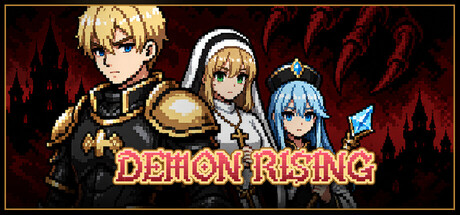 Demon Rising Live AI textart | Demon Rising uses generative AI for part of its content:
Live-generated narrative — The game includes a local AI language model that runs fully offline on your PC; no internet connection is required and no data is sent anywhere. During play it generates dynamic dialogue for your demon officers, war-council debates, prisoner interrogations and boss encounters, keeping conversations varied across runs. All generated text is constrained by the game's prompts to in-game characters and situations and is bounded by built-in safeguards. If the AI model is unavailable, the game automatically falls back to hand-written dialogue, so the full game is playable either way.
Pre-generated artwork — Some character portraits and illustrations were created with the help of AI image-generation tools, then selected and edited by the developer.
All AI-assisted content is curated and reviewed by the developer. | Demon Castle Games | - | Jun 3, 2026 | |
 Aspectless One In-game content art | Some background environments and character animations in this game were created with the assistance of AI generation tools. All AI-generated content has been reviewed, edited, and integrated by the development team to ensure quality and consistency with the game's artistic vision. | Omnia | - | Jun 3, 2026 | |
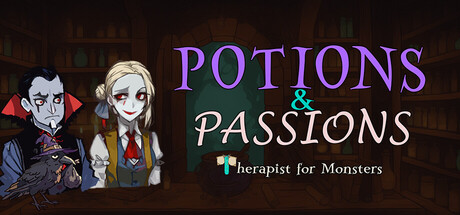 Potions & Passions: Therapist for Monsters In-game content art | Some of the in-game 2D textures and visual effects were created using AI-based tools. These elements are modified in terms of art and development throughout the production process to ensure they meet our quality standards and creative vision. | Fronty Games | - | Jun 3, 2026 | |
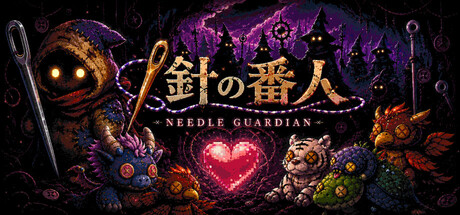 Needle Guardian 〜針の番人〜 Store/marketing art | Generative AI tools were used to assist in the creation of some artwork and marketing materials.
All assets were edited, curated, and integrated into the game by the developer. | LuxRiq Studio | - | Jun 3, 2026 | |
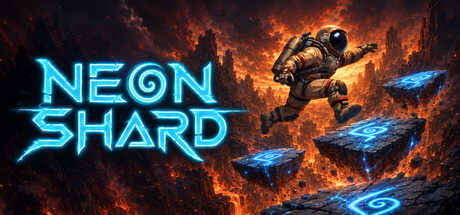 Neon Shard In-game content artaudio | Apart from the back end for the gameplay, AI is used for all visual and audio assets. | Redpouch Studios | - | Jun 3, 2026 | |
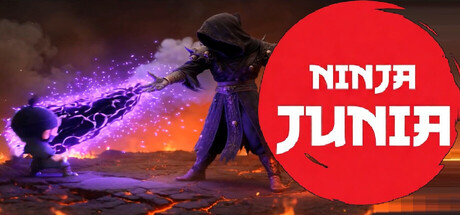 Ninja Junia In-game content artaudio | Grok Imagine was used during development to generate environment backgrounds, level assets, and character concept art. All assets have been curated and integrated manually into the 2D engine.
Suno AI was used to compose the atmospheric music tracks and soundtracks for the different realms of the game. | Junia Interactive | - | Jun 3, 2026 | |
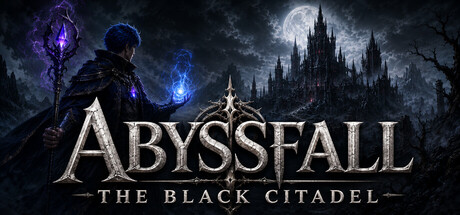 Abyssfall: The Black Citadel In-game content art | Some visual assets, concept materials, and marketing images may use generative AI during the production process. All final assets used in the game and store page are reviewed, selected, and edited by the developer before publication. The game does not generate AI content during gameplay. | Nightveil Game Studio | - | Jun 3, 2026 | |
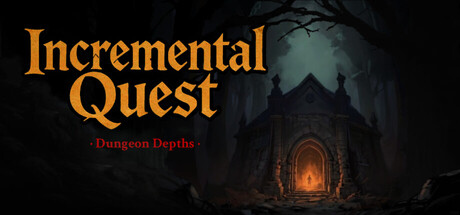 Incremental Quest - Dungeon depths In-game content art | Some game’s art and community assets were created with AI tools. | Rebenke Games Studio | - | Jun 3, 2026 | |
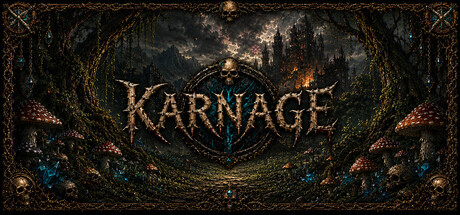 Karnage: The Legend Grows In-game content artaudio | A few visual assets are hand-drawn but most of the assets were created by either Perchance or ChatGPT and then heavily cleaned/edited in photoshop by myself to fit into the game. Music was created by Suno and edited in Audacity.
Coding was done from scratch, no AI used in that at all. | Land's End Games | - | Jun 3, 2026 | |
 Crown Of Blight In-game content art | AI was used to generate a few minor quest item icons. All other assets, code, and character designs are handcrafted or licensed. | Nyammkatan | - | Jun 3, 2026 | |
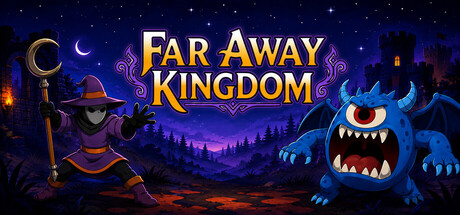 Far Away Kingdom In-game content audio | Only minor voice effects in the game were generated using AI tools. No AI-generated gameplay, narrative, music, or visual content is included. | The Other Guy Studio | - | Jun 3, 2026 | |
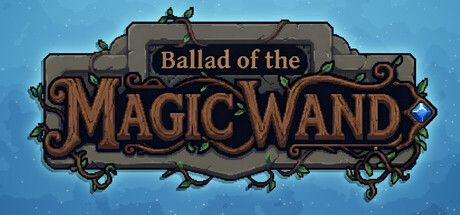 Ballad of the Magic Wand In-game content artaudio | This game used generative AI tools during development to assist with the creation of some 3D modeling and audio assets. During gameplay, AI does not generate content or code, and the game does not rely on real-time AI systems. | COTAKJI GAMES | - | Jun 3, 2026 | |
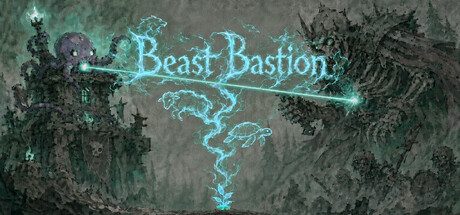 Beast Bastion Dev only art | Most artwork is hand-drawn. AI-generated assets were
used as prototypes and later modified manually. | Bit Constellation | - | Jun 3, 2026 |


