Public Steam disclosure research25,383 disclosures tracked
Where do games disclose AI use?
Search developers’ Steam disclosures, compare classified AI use across
games, and follow recorded changes.
This index adds cross-game classifications and statistics to
statements published on individual store pages.
Groups reflect automatic analysis of public disclosures; mature records are excluded. These counts do not measure AI use across all of Steam.
Missing or unclear statements cannot establish whether a game uses AI.
This game uses generative artificial intelligence in a limited capacity to create some user interface images and visual elements for the narrative videos. AI was also used to support the writing of certain code snippets during development. No AI-generated content was used directly; everything was modified and adapted to integrate seamlessly with the game's visual and technical style. The 3D models, most of the code, and the overall design were developed manually by the team.
Some character voice lines in this game were generated using AI-based voice synthesis tools.
No real-time AI generation occurs during gameplay, and all AI-generated content was reviewed, edited, and approved manually to ensure consistency and ethical use.
No personal or copyrighted voice data was used.
AI tools used during development are used for generating some textures like faces of the characters, Voice generators for converting speaking style to appropriate and animations from mixamo for better experience of physics of the characters. Code generation tools are used to fix and analyze parts of code to provide simpleness and make development faster to deliver more products and assets.
Escape the Maze was developed by a solo developer. Some elements of the game, including store page visuals and text, were created using generative AI tools during development. All final assets have been carefully reviewed and manually refined to ensure accuracy, quality, and full compliance with Steam’s content guidelines.
The game also features AI-controlled enemy behavior, such as a zombie that chases players in the maze. However, no live-generated AI content is used during gameplay.
Some of the user interface (UI) visuals in the game were created with the help of AI-powered tools. These elements have been carefully refined and adapted to enhance the overall atmosphere and visual experience of the game.
Some sound effects were generated using ElevenLabs AI tools during development. No AI is used during gameplay.
I definitely would replace them with custom sound design in future updates if my finances allow it.
AI was used to enhance the cover art and during the iteration phase of designing textures and object details. It provided design ideas but not finished products or assets.
There is no AI present in FLH which generates content or produces output of any kind.
Googunners uses upgrade card art that is generated by Midjourney, and then authored in post.
Outiside of the updgrade cards art, everything else is human created.
The capsule art was partially generated using AI based on original character model renders and hand drawn references. They were then modified in Blender and finalized in Gimp.
The characters voices are generated by Eleven labs.
The Music is generated by Suno AI.
Character images used in picture frames are generated by Chat GPT.
I personally feel the final artwork reflects my own creative input as I used original images and applied manual edits without any AI tools during the post-processing phase, however Steam’s requirement is based on the origin of the asset, not the amount of human editing afterward.
AI was involved in the initial generation of the capsule art, and other images on the store page.
AI is not used for live generation or code during gameplay.
During the development process, in almost every aspect I use procedural and AI‑based tools to assist with content creation (e.g., generating code, auto‑filling code, making lunch receipts).
Use AI-generated images and convert them into paintings to use as concept art for the main menu and in-game simulated advertising images.
Use AI to create images for in-game currency.
Use ChatGPT to create lyrics for the theme song.
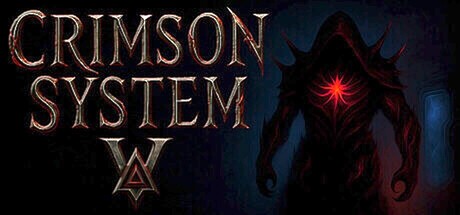
I’m a solo dev running a creative experiment: every texture, model, sound, music loop and even code started life in generative AI tools that I run locally, before the build ships. No marketplace packs, no outsourcing. Nothing is generated while you play and the game never sends data outside your PC. Crimson System is my proof-of-concept for how far one person (plus a few neural nets) can push a retro FPS.
The promotional video in the game uses MIDJOURNEY to generate keyframe images and AI video generation software to synthesize animated videos of "past events" in the game. In the inspiration for building some game models, AI concept image production experiments were used
This game uses generative AI to create real-time in-game content such as character dialogue and ambient sound. All AI-generated content is moderated and filtered to prevent inappropriate or infringing material. Players can report content directly through in-game tools or the Steam interface.
This game uses generative artificial intelligence in a limited capacity to create some user interface images and visual elements for the narrative videos. AI was also used to support the writing of certain code snippets during development. No AI-generated content was used directly; everything was modified and adapted to integrate seamlessly with the game's visual and technical style. The 3D models, most of the code, and the overall design were developed manually by the team.
Some character voice lines in this game were generated using AI-based voice synthesis tools.
No real-time AI generation occurs during gameplay, and all AI-generated content was reviewed, edited, and approved manually to ensure consistency and ethical use.
No personal or copyrighted voice data was used.
AI tools used during development are used for generating some textures like faces of the characters, Voice generators for converting speaking style to appropriate and animations from mixamo for better experience of physics of the characters. Code generation tools are used to fix and analyze parts of code to provide simpleness and make development faster to deliver more products and assets.
Escape the Maze was developed by a solo developer. Some elements of the game, including store page visuals and text, were created using generative AI tools during development. All final assets have been carefully reviewed and manually refined to ensure accuracy, quality, and full compliance with Steam’s content guidelines.
The game also features AI-controlled enemy behavior, such as a zombie that chases players in the maze. However, no live-generated AI content is used during gameplay.
Some of the user interface (UI) visuals in the game were created with the help of AI-powered tools. These elements have been carefully refined and adapted to enhance the overall atmosphere and visual experience of the game.
Some sound effects were generated using ElevenLabs AI tools during development. No AI is used during gameplay.
I definitely would replace them with custom sound design in future updates if my finances allow it.
AI was used to enhance the cover art and during the iteration phase of designing textures and object details. It provided design ideas but not finished products or assets.
There is no AI present in FLH which generates content or produces output of any kind.
Googunners uses upgrade card art that is generated by Midjourney, and then authored in post.
Outiside of the updgrade cards art, everything else is human created.
The capsule art was partially generated using AI based on original character model renders and hand drawn references. They were then modified in Blender and finalized in Gimp.
The characters voices are generated by Eleven labs.
The Music is generated by Suno AI.
Character images used in picture frames are generated by Chat GPT.
I personally feel the final artwork reflects my own creative input as I used original images and applied manual edits without any AI tools during the post-processing phase, however Steam’s requirement is based on the origin of the asset, not the amount of human editing afterward.
AI was involved in the initial generation of the capsule art, and other images on the store page.
AI is not used for live generation or code during gameplay.
During the development process, in almost every aspect I use procedural and AI‑based tools to assist with content creation (e.g., generating code, auto‑filling code, making lunch receipts).
Use AI-generated images and convert them into paintings to use as concept art for the main menu and in-game simulated advertising images.
Use AI to create images for in-game currency.
Use ChatGPT to create lyrics for the theme song.
I’m a solo dev running a creative experiment: every texture, model, sound, music loop and even code started life in generative AI tools that I run locally, before the build ships. No marketplace packs, no outsourcing. Nothing is generated while you play and the game never sends data outside your PC. Crimson System is my proof-of-concept for how far one person (plus a few neural nets) can push a retro FPS.
The promotional video in the game uses MIDJOURNEY to generate keyframe images and AI video generation software to synthesize animated videos of "past events" in the game. In the inspiration for building some game models, AI concept image production experiments were used
This game uses generative AI to create real-time in-game content such as character dialogue and ambient sound. All AI-generated content is moderated and filtered to prevent inappropriate or infringing material. Players can report content directly through in-game tools or the Steam interface.