Public Steam disclosure research25,394 disclosures tracked
Where do games disclose AI use?
Search developers’ Steam disclosures, compare classified AI use across
games, and follow recorded changes.
This index adds cross-game classifications and statistics to
statements published on individual store pages.
Groups reflect automatic analysis of public disclosures; mature records are excluded. These counts do not measure AI use across all of Steam.
Missing or unclear statements cannot establish whether a game uses AI.
This game includes pre-generated content created with the assistance of generative AI during development. Generative AI was used to help create some in-game image assets and translations. All AI-assisted content, including AI-generated translations, was reviewed, edited, and approved by the development team before being included in the final game.
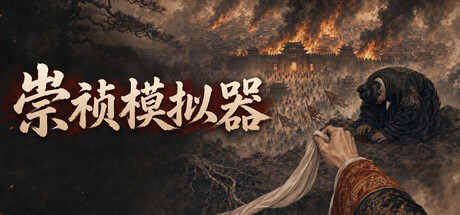
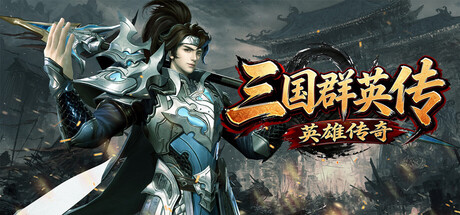
The game calls the aforementioned third-party large language model API over the network at runtime. When the player makes a decision, issues an imperial edict, or interacts with ministers in the game, the game assembles the current situation and character settings into a request and sends it to the AI service; the text returned by the service (minister dialogue, memorials to the throne, plot deduction) is presented in the game interface in real time. This process is transparent to the player and requires no player-side configuration, but an internet connection is required throughout.
A small number of texture assets use generative AI as a starting point and were manually edited for use in-game. Most visual assets are original, licensed, purchased, or used with creator permission.
AI Generated Content Disclosure
Pre-generated AI:
"Artificial intelligence tools were utilized during the development process to generate initial 3D character assets and models. Following the generation, our development team extensively refined the textures, customized the coloring, and completely performed the rigging and weight painting manually."
Some store page marketing images, capsule assets, and promotional screenshots were created or edited with generative AI and then reviewed and adjusted for layout, sizing, and text. The game does not use live generative AI during gameplay, and it does not connect to any third-party AI service while players are playing.
Some promotional art assets and in-game
artwork were created with the assistance of AI image generation tools.
All AI-generated output was reviewed, edited, and curated by the development
team before inclusion.
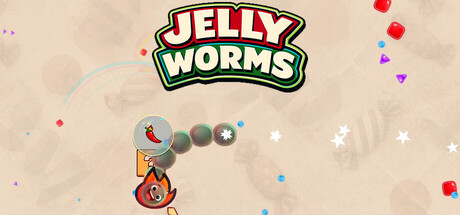
JellyWorms uses generative AI-assisted visual content for some game art, store assets, and marketing materials. Final assets are reviewed and edited by the developer before release. The game does not generate live AI content during gameplay.
Everything is AI generated... I built my own Agentic AI harness, and then used it to build this game (as well as generating images, soundtrack, and 1000s of lines of text content etc)... I'm not a developer, I'm a Functional/UX/Graphic Designer that finally found a tool that could help me build my dream games... I wouldn't consider the game "vibe coded", it has been months of obsessive iterations to ensure the functionality and user experience is of the highest level, which was 100% designed and directed by me, using Agentic AI to build to order. It's far from a "one-shot" prompt hope and prayer... and I think you'll be surprised when you see it.
Some of Citadel Zero's visual assets (pixel-art sprites, icons, and backgrounds) were created with the help of generative AI tools, then reviewed and refined by the developer. All such content is pre-generated and baked into the game — Citadel Zero performs no real-time AI generation and connects to no AI service while you play.
Idle Startup is made by a solo developer with the help of generative AI. The milestone background artwork — the illustrations that unlock as each skill levels up — is generated with AI image tools and then selected and curated by the developer. The game's code is also written with the assistance of AI coding tools. All music and sound effects are generated procedurally in code, the interface art and icons are hand-drawn, and all in-game text is written by the developer.
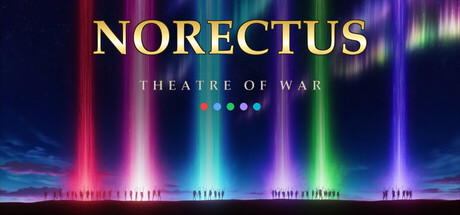
Some of the artwork currently in Norectus: Theatre of War was created with generative AI tools during development, including card art, in-game backgrounds, and store images. We use it as placeholder art so we can build, balance, and expand the game during Early Access. We are commissioning human artists and replacing this AI-generated art over time. Every AI-assisted asset is reviewed by our team before it goes into the game.
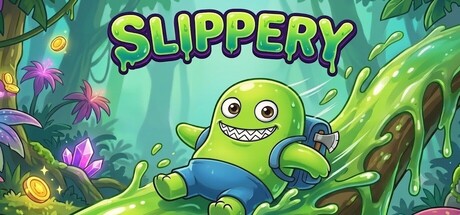
Generative AI was used during the development of Slippery to assist in creating certain static visual assets, including [store page artwork / background images / character concepts / UI elements]. All AI-generated content was reviewed, modified, and integrated by hand to match the game's overall visual style. The game does not generate any AI content in real-time during gameplay.
This game was developed with the extensive use of generative AI across all stages of production, including programming, visual assets, and soundscapes.
Our game utilized Generative AI tools strictly for specific conceptual and design elements during development, ensuring no automated content replaces our team's hand-crafted work:
- Characters & Monsters: We used Midjourney to generate initial visual concepts for the main playable character and a few specific monsters. Our pixel artists used these generated images purely as a creative reference to manually draw and animate the final 2D pixel-art sprites from scratch.
- Relics & UI Elements: ChatGPT was utilized during the brainstorming phase to conceptualize the initial ideas for in-game relics and various UI design layouts. Based on the generated outputs, we thoroughly refined the designs, adjusted the details, and performed visual post-processing to adapt and implement them into the game as our final production assets.
We are committed to delivering a high-quality game where AI is only used as a selective tool to spark creativity, respecting the dedicated work of our development team.
The development of Mobsteria: Rise to Power used AI-based generative tools to help create some of the art assets that ship in the game.
Some store-page and marketing text was also drafted with AI assistance. All AI-generated content is reviewed, curated, edited, and integrated by a human developer before release.
A pre-rendered promotional cinematic/trailer used in marketing materials was created with generative AI cinematic tools. The game itself does not include live generative AI features, and players cannot generate AI content in-game.
Some of this game's content was created with the help of generative AI tools, including certain illustrations, in-game background art, and portions of the in-game text and its translations. All AI-generated content was produced during development and reviewed by the developer before release. The game does not generate any content in real time during play.
How is generative AI used in this game?
We utilized generative AI tools during the development of Threadstorm to assist with specific elements of the game's creation:
Art Assets: Some 2D sprites and visual elements within the game were created or refined using AI image generation tools. All generated assets were subsequently reviewed, edited, and curated by our team to ensure they fit the game's visual style.
Code Assistance: We utilized AI coding assistants (specifically GitHub Copilot) to help draft, optimize, and troubleshoot scripts for the Godot Engine, which helped streamline our development workflow.
All AI-assisted content has been thoroughly tested and integrated by the development team to ensure it aligns with our creative vision and quality standards.
This game contains content created with the assistance of generative AI during development.
Generative AI tools were used to help create and iterate on parts of the game code, music, artwork, images, and multilingual translations. All AI-assisted content was reviewed, edited, selected, and integrated by the developer.
The game does not use generative AI to create content during gameplay.
This game uses generative AI tools for some pre-recorded NPC voice-over audio. Other voice-over audio was recorded in-house by human performers. All voice lines are fixed, reviewed by the developer, and included in the game build. The game does not use AI to generate content during gameplay. All other game content, including gameplay systems, environments, UI, writing, and store assets, is original and created by the development team.
Some store page text, promotional materials, localization support, and selected visual assets may be created or assisted by generative AI tools. All AI-assisted content is reviewed and edited by Demona Vosz before publication. Vanya Online does not use generative AI to create live content during gameplay.
This application uses AI tools in parts of its development process, including creating the in-character dialogue text and some artwork (such as character part images), as well as tuning behavioral algorithms. All AI-generated assets are produced and reviewed in advance and built into the product; no generative AI runs during gameplay.
As a solo developer, I used AI tools as a foundation to expand the game's scope, manually refining and finalizing every asset to ensure the final result is a high-quality, handcrafted experience.
This game includes pre-generated content created with the assistance of generative AI during development. Generative AI was used to help create some in-game image assets and translations. All AI-assisted content, including AI-generated translations, was reviewed, edited, and approved by the development team before being included in the final game.
The game calls the aforementioned third-party large language model API over the network at runtime. When the player makes a decision, issues an imperial edict, or interacts with ministers in the game, the game assembles the current situation and character settings into a request and sends it to the AI service; the text returned by the service (minister dialogue, memorials to the throne, plot deduction) is presented in the game interface in real time. This process is transparent to the player and requires no player-side configuration, but an internet connection is required throughout.
A small number of texture assets use generative AI as a starting point and were manually edited for use in-game. Most visual assets are original, licensed, purchased, or used with creator permission.
AI Generated Content Disclosure
Pre-generated AI:
"Artificial intelligence tools were utilized during the development process to generate initial 3D character assets and models. Following the generation, our development team extensively refined the textures, customized the coloring, and completely performed the rigging and weight painting manually."
Some store page marketing images, capsule assets, and promotional screenshots were created or edited with generative AI and then reviewed and adjusted for layout, sizing, and text. The game does not use live generative AI during gameplay, and it does not connect to any third-party AI service while players are playing.
Some promotional art assets and in-game
artwork were created with the assistance of AI image generation tools.
All AI-generated output was reviewed, edited, and curated by the development
team before inclusion.
JellyWorms uses generative AI-assisted visual content for some game art, store assets, and marketing materials. Final assets are reviewed and edited by the developer before release. The game does not generate live AI content during gameplay.
Everything is AI generated... I built my own Agentic AI harness, and then used it to build this game (as well as generating images, soundtrack, and 1000s of lines of text content etc)... I'm not a developer, I'm a Functional/UX/Graphic Designer that finally found a tool that could help me build my dream games... I wouldn't consider the game "vibe coded", it has been months of obsessive iterations to ensure the functionality and user experience is of the highest level, which was 100% designed and directed by me, using Agentic AI to build to order. It's far from a "one-shot" prompt hope and prayer... and I think you'll be surprised when you see it.
Some of Citadel Zero's visual assets (pixel-art sprites, icons, and backgrounds) were created with the help of generative AI tools, then reviewed and refined by the developer. All such content is pre-generated and baked into the game — Citadel Zero performs no real-time AI generation and connects to no AI service while you play.
Idle Startup is made by a solo developer with the help of generative AI. The milestone background artwork — the illustrations that unlock as each skill levels up — is generated with AI image tools and then selected and curated by the developer. The game's code is also written with the assistance of AI coding tools. All music and sound effects are generated procedurally in code, the interface art and icons are hand-drawn, and all in-game text is written by the developer.
Some of the artwork currently in Norectus: Theatre of War was created with generative AI tools during development, including card art, in-game backgrounds, and store images. We use it as placeholder art so we can build, balance, and expand the game during Early Access. We are commissioning human artists and replacing this AI-generated art over time. Every AI-assisted asset is reviewed by our team before it goes into the game.
Generative AI was used during the development of Slippery to assist in creating certain static visual assets, including [store page artwork / background images / character concepts / UI elements]. All AI-generated content was reviewed, modified, and integrated by hand to match the game's overall visual style. The game does not generate any AI content in real-time during gameplay.
This game was developed with the extensive use of generative AI across all stages of production, including programming, visual assets, and soundscapes.
Our game utilized Generative AI tools strictly for specific conceptual and design elements during development, ensuring no automated content replaces our team's hand-crafted work:
- Characters & Monsters: We used Midjourney to generate initial visual concepts for the main playable character and a few specific monsters. Our pixel artists used these generated images purely as a creative reference to manually draw and animate the final 2D pixel-art sprites from scratch.
- Relics & UI Elements: ChatGPT was utilized during the brainstorming phase to conceptualize the initial ideas for in-game relics and various UI design layouts. Based on the generated outputs, we thoroughly refined the designs, adjusted the details, and performed visual post-processing to adapt and implement them into the game as our final production assets.
We are committed to delivering a high-quality game where AI is only used as a selective tool to spark creativity, respecting the dedicated work of our development team.
The development of Mobsteria: Rise to Power used AI-based generative tools to help create some of the art assets that ship in the game.
Some store-page and marketing text was also drafted with AI assistance. All AI-generated content is reviewed, curated, edited, and integrated by a human developer before release.
A pre-rendered promotional cinematic/trailer used in marketing materials was created with generative AI cinematic tools. The game itself does not include live generative AI features, and players cannot generate AI content in-game.
Some of this game's content was created with the help of generative AI tools, including certain illustrations, in-game background art, and portions of the in-game text and its translations. All AI-generated content was produced during development and reviewed by the developer before release. The game does not generate any content in real time during play.
How is generative AI used in this game?
We utilized generative AI tools during the development of Threadstorm to assist with specific elements of the game's creation:
Art Assets: Some 2D sprites and visual elements within the game were created or refined using AI image generation tools. All generated assets were subsequently reviewed, edited, and curated by our team to ensure they fit the game's visual style.
Code Assistance: We utilized AI coding assistants (specifically GitHub Copilot) to help draft, optimize, and troubleshoot scripts for the Godot Engine, which helped streamline our development workflow.
All AI-assisted content has been thoroughly tested and integrated by the development team to ensure it aligns with our creative vision and quality standards.
This game contains content created with the assistance of generative AI during development.
Generative AI tools were used to help create and iterate on parts of the game code, music, artwork, images, and multilingual translations. All AI-assisted content was reviewed, edited, selected, and integrated by the developer.
The game does not use generative AI to create content during gameplay.
This game uses generative AI tools for some pre-recorded NPC voice-over audio. Other voice-over audio was recorded in-house by human performers. All voice lines are fixed, reviewed by the developer, and included in the game build. The game does not use AI to generate content during gameplay. All other game content, including gameplay systems, environments, UI, writing, and store assets, is original and created by the development team.
Some store page text, promotional materials, localization support, and selected visual assets may be created or assisted by generative AI tools. All AI-assisted content is reviewed and edited by Demona Vosz before publication. Vanya Online does not use generative AI to create live content during gameplay.
This application uses AI tools in parts of its development process, including creating the in-character dialogue text and some artwork (such as character part images), as well as tuning behavioral algorithms. All AI-generated assets are produced and reviewed in advance and built into the product; no generative AI runs during gameplay.
As a solo developer, I used AI tools as a foundation to expand the game's scope, manually refining and finalizing every asset to ensure the final result is a high-quality, handcrafted experience.