Public Steam disclosure research25,383 disclosures tracked
Where do games disclose AI use?
Search developers’ Steam disclosures, compare classified AI use across
games, and follow recorded changes.
This index adds cross-game classifications and statistics to
statements published on individual store pages.
Groups reflect automatic analysis of public disclosures; mature records are excluded. These counts do not measure AI use across all of Steam.
Missing or unclear statements cannot establish whether a game uses AI.
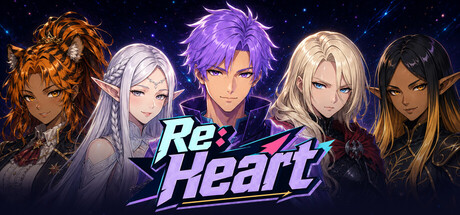
This game uses AI-generated imagery. Character portraits, backgrounds, card illustrations, and UI assets were created with generative AI image tools, then reviewed, edited to fit the game's art direction. Store page capsules use the same artwork.
Writing, game design, code, and systems are authored by a human developer. Nothing is generated while the game is running.
Generative AI tools were used during development to assist with selected 2D and 3D visual assets, sounds, localization, and marketing materials.
All AI-assisted content was reviewed, edited, and integrated by the developer to ensure consistency with the game's visual style and intended design.
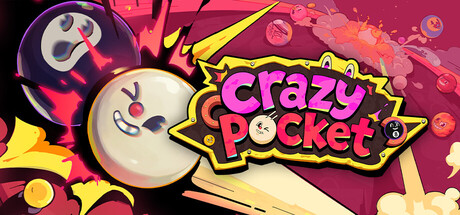
AI was only used to generate minimal resources to support ball and chalk design.
All AI-assisted content has been reviewed, and the final assets were manually drawn and retouched to fit the game's artistic style and atmosphere.
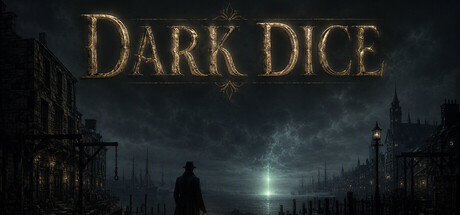
AI-assisted tools were used during the development of DarkDice in the following ways:
Code development — AI coding assistants helped write and refactor portions of the game's codebase.
Text editing — AI tools were used to proofread, polish, and tighten narrative and UI copy.
Localization & Editing — AI is used to assist with the translation, text expansion, polishing, and style adjustment of game text between English and Chinese (Traditional/Simplified).
Image generation — Some visual assets (case artwork, promotional images) were created using AI image-generation tools.
No content is generated in real time during gameplay — every case is a fixed, pre-authored story; nothing changes between playthroughs.
Generative AI was used extensively throughout the development of **Crazy Fußball-Manager**. **ChatGPT Codex** and **Claude Code** were used primarily for programming, technical implementation, and textual content. Graphics and visual assets were created and edited with the assistance of generative AI tools. **Suno** and **Mureka** were used to create music, sound effects, and other audio content.
Nearly all content in the game – including code, graphics, text, music, and sounds – was created with the assistance of generative AI and subsequently integrated into the game.
Generative AI tools were used as part of the content creation process for this game:
- Visual assets — some item, charm and UI sprites were generated with AI assistance and used as a base, then reviewed, reworked and finalized by the team before being integrated into the game
- Store page artwork — AI image generation was used as a starting point, then reworked, recolored and finalized by the team to match the game's pixel art style
A large part of the game's code was written with the help of AI coding assistants.
All content was reviewed and approved by the team before shipping.
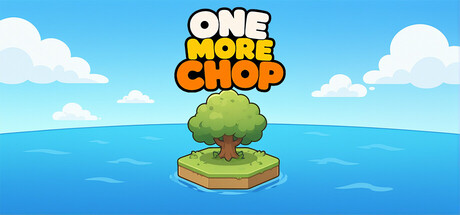
To make One More Chop more accessible to players around the world, AI-assisted tools were used as part of the localization process for supported languages. Their use is limited to translation and localization support, helping us make the game available to players across a wider range of languages and regions.
AI tools (LLMs) were used solely for programming assistance, brainstorming, and writing Unreal Engine Blueprint logic. All visual assets, 3D models, and gameplay systems were entirely created and implemented manually by the solo developer.
The background images featured in the game were created using AI.
Some of the images used in the in-game UI were generated using AI.
The in-game background music (BGM) was created using AI.
Generative AI tools were used during the early production stage to create preliminary visual assets and reference materials. All AI-assisted assets included in the final game were manually edited, refined, and reviewed by our designers.
Store page and marketing artwork (capsule images, library assets)
were created with the assistance of generative AI image tools.
Some in-game art assets were also produced with AI assistance.
All generated content was reviewed, edited, and finalized by
the developer.
I used generative AI tools to assist in the creation of the graphical assets for this game, including the store page banners and library icons. The AI was used to generate base concepts and visual elements, which were then refined and adjusted to match the game's theme and branding.
Artificial intelligence tools were used as part of the development process for selected visual and audio elements, design references, and text translations. All final content was reviewed and curated by the development team.
Some in-game text (such as the messages in bottles) and store page copy were written with the assistance of AI tools. All content has been reviewed and edited by the developer.
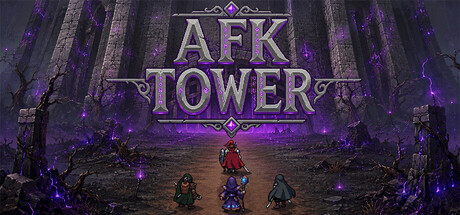
AFKTower contains AI-assisted content that was generated during development; no AI runs inside the game.
Art: most of the pixel art hero, enemy and boss sprites and their animations, weapon and armor art, skins, combat backgrounds, map scrolls, UI panels, rarity frames and icons was generated with PixelLab (pixellab.ai) from prompts and references, then handn selected, edited, recolored and assembled by the developer. The AFKTower logo was drawn without AI.
Music: the three soundtrack tracks were composed by the developer with Suno (paid plan with commercial license). Sound effects are synthesized procedurally by the game's own code, not by AI.
Text: the game and store texts were written in Spanish by the developer; the English localization and copy editing were done with the help of an AI language model (Claude, by Anthropic) and reviewed by humans.
Store screenshots are unedited captures of the game. Nothing is generated at runtime: the game contains no AI systems.
We used AI image-generation tools to help create some 2D art assets in the game, such as in-game banners, posters, and signage. All AI-assisted content was reviewed and edited by the developer.
Generative AI was used as an assistive tool for translating parts of the scenario and in-game text. All translated content has been thoroughly reviewed, refined, and proofread manually by the developer to ensure natural phrasing and quality.
I created this game solo, using generative AI as one of the tools.
It helped me write the code and also generated the ambient music and
some of the planet textures. Everything else was crafted by hand: the
interface, Fjord and the seals orbiting the Earth aren't drawn images —
they're rendered in code.
Nothing is generated while you play: the game runs fully offline.
And no, I didn't just sit around drinking coffee while the AI did the
work — though I certainly did consume an obscene amount of coffee.
This game contains pre-generated 2D artwork and source code created with ChatGPT during development. All game source code was generated with ChatGPT, then reviewed, tested, debugged, and integrated by the developer. The artwork was generated from original prompts written for Gravefire Tavern, then reviewed, selected, edited, composited, cropped, and integrated by the developer. No generative AI runs during gameplay, and no player input is sent to an AI service.
Generative AI tools were used during development to create or process some pre-generated voice audio and selected 2D visual assets, including stylized character and news-related images.
All AI-assisted content is created before release and manually reviewed, edited, and curated by the developer before being included in the game.
No generative AI runs during gameplay, and no player input or data is sent to generative AI services.
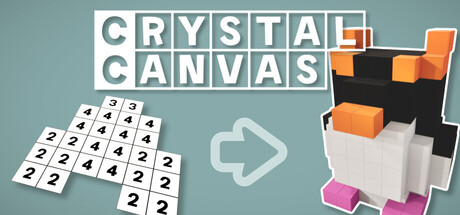
CrystalCanvas uses generative AI in parts of its development process.
For the sound effects played when placing voxels, we aimed to create sounds that remain pleasant and unobtrusive even during extended play sessions. After exploring a variety of sound assets and recordings, we ultimately used generative AI as part of the sound design process to achieve the desired result.
Generative AI is also used as a development aid through Claude Code for generating and assisting with parts of the code related to voxel space management and rendering.
Generative AI is not used to generate the voxel artwork or gameplay content itself.
Some visual assets in the game, including certain card illustrations and UI elements, were created with the assistance of generative AI tools. These assets were generated during development and are included as pre-generated content in the game.
This game uses generative AI to assist with some translations. All AI-assisted translations were reviewed, edited, and approved by the developer before being included in the game.
This game uses a few assets purchased from FAB which may or may not contain AI-generated content. I have personally done my best to scrub AI out of those few purchased assets. There are also two images and two short instrumentals, and that's it.
Generative AI tools were used during development to assist with programming and to create some pre-generated 2D visual assets, including icons and promotional artwork. All AI-assisted code and generated assets were reviewed, tested, edited, and integrated by the developer. No generative AI is used while the game is running, and no content is generated live.
Generative AI was used to translate some in-game text, such as the interface and the contents of letters, and to generate some of the music used in the game.
Generative AI was used for selected visual assets during development. All AI-assisted content was reviewed by the developer. No AI content is generated during gameplay.
We use generative AI to assist with writing and localizing the game's text. All art and audio are procedurally generated by our own code or sourced from CC0 libraries. No content is generated by AI in real time during gameplay.
I used AI as an aid for a few things: parts of the writing, the translations into
French, Spanish and Italian, and some of the more complex store artwork. Everything
that came out of it was reworked by hand before it went in. It isn't something I'm a
fan of, but as a solo developer without a studio behind me, some things are simply out
of reach otherwise.
Some visual assets, music, sound effects, and text used in this game and its Steam store page were created or assisted by generative AI. All AI-generated content has been reviewed, edited, and integrated by the developer to ensure it meets the artistic vision and quality standards of the game.
Generative AI was used solely for creating the game's background music. All visual assets, gameplay design, and writing were created without generative AI.
All character sprites, enemy/boss artwork, backgrounds, effect images, UI icons and illustrations in this game were pre-generated using OpenAI's ChatGPT image generation, then curated and edited by the developer (background keying, trimming, animation assembly). All background music tracks were pre-generated using Google's Gemini music generation and curated by the developer. Sound effects are procedurally synthesized by the game's own code. Store page artwork (capsules, logo) was also pre-generated using ChatGPT. The game does not generate any AI content at runtime (no live-generated content).
Cover art, store page imagery and music were created with AI generation tools. All game design, writing and gameplay systems were created by the developer.
AI was utilized as a supplementary tool for the creation of some art and promotional imagery. The core game experience is entirely hand-crafted using the Godot engine with original and licensed assets. All AI-generated marketing materials underwent human curation and post-processing to ensure visual consistency with the actual gameplay and compliance with platform guidelines.
Some store page text, including the game description, was drafted with the assistance of generative AI and reviewed/edited by the developer before publication. The game does not generate AI content during gameplay.
This game uses AI-generated imagery. Character portraits, backgrounds, card illustrations, and UI assets were created with generative AI image tools, then reviewed, edited to fit the game's art direction. Store page capsules use the same artwork.
Writing, game design, code, and systems are authored by a human developer. Nothing is generated while the game is running.
Generative AI tools were used during development to assist with selected 2D and 3D visual assets, sounds, localization, and marketing materials.
All AI-assisted content was reviewed, edited, and integrated by the developer to ensure consistency with the game's visual style and intended design.
AI was only used to generate minimal resources to support ball and chalk design.
All AI-assisted content has been reviewed, and the final assets were manually drawn and retouched to fit the game's artistic style and atmosphere.
AI-assisted tools were used during the development of DarkDice in the following ways:
Code development — AI coding assistants helped write and refactor portions of the game's codebase.
Text editing — AI tools were used to proofread, polish, and tighten narrative and UI copy.
Localization & Editing — AI is used to assist with the translation, text expansion, polishing, and style adjustment of game text between English and Chinese (Traditional/Simplified).
Image generation — Some visual assets (case artwork, promotional images) were created using AI image-generation tools.
No content is generated in real time during gameplay — every case is a fixed, pre-authored story; nothing changes between playthroughs.
Generative AI was used extensively throughout the development of **Crazy Fußball-Manager**. **ChatGPT Codex** and **Claude Code** were used primarily for programming, technical implementation, and textual content. Graphics and visual assets were created and edited with the assistance of generative AI tools. **Suno** and **Mureka** were used to create music, sound effects, and other audio content.
Nearly all content in the game – including code, graphics, text, music, and sounds – was created with the assistance of generative AI and subsequently integrated into the game.
Generative AI tools were used as part of the content creation process for this game:
- Visual assets — some item, charm and UI sprites were generated with AI assistance and used as a base, then reviewed, reworked and finalized by the team before being integrated into the game
- Store page artwork — AI image generation was used as a starting point, then reworked, recolored and finalized by the team to match the game's pixel art style
A large part of the game's code was written with the help of AI coding assistants.
All content was reviewed and approved by the team before shipping.
To make One More Chop more accessible to players around the world, AI-assisted tools were used as part of the localization process for supported languages. Their use is limited to translation and localization support, helping us make the game available to players across a wider range of languages and regions.
AI tools (LLMs) were used solely for programming assistance, brainstorming, and writing Unreal Engine Blueprint logic. All visual assets, 3D models, and gameplay systems were entirely created and implemented manually by the solo developer.
The background images featured in the game were created using AI.
Some of the images used in the in-game UI were generated using AI.
The in-game background music (BGM) was created using AI.
Generative AI tools were used during the early production stage to create preliminary visual assets and reference materials. All AI-assisted assets included in the final game were manually edited, refined, and reviewed by our designers.
Store page and marketing artwork (capsule images, library assets)
were created with the assistance of generative AI image tools.
Some in-game art assets were also produced with AI assistance.
All generated content was reviewed, edited, and finalized by
the developer.
I used generative AI tools to assist in the creation of the graphical assets for this game, including the store page banners and library icons. The AI was used to generate base concepts and visual elements, which were then refined and adjusted to match the game's theme and branding.
Artificial intelligence tools were used as part of the development process for selected visual and audio elements, design references, and text translations. All final content was reviewed and curated by the development team.
Some in-game text (such as the messages in bottles) and store page copy were written with the assistance of AI tools. All content has been reviewed and edited by the developer.
AFKTower contains AI-assisted content that was generated during development; no AI runs inside the game.
Art: most of the pixel art hero, enemy and boss sprites and their animations, weapon and armor art, skins, combat backgrounds, map scrolls, UI panels, rarity frames and icons was generated with PixelLab (pixellab.ai) from prompts and references, then handn selected, edited, recolored and assembled by the developer. The AFKTower logo was drawn without AI.
Music: the three soundtrack tracks were composed by the developer with Suno (paid plan with commercial license). Sound effects are synthesized procedurally by the game's own code, not by AI.
Text: the game and store texts were written in Spanish by the developer; the English localization and copy editing were done with the help of an AI language model (Claude, by Anthropic) and reviewed by humans.
Store screenshots are unedited captures of the game. Nothing is generated at runtime: the game contains no AI systems.
We used AI image-generation tools to help create some 2D art assets in the game, such as in-game banners, posters, and signage. All AI-assisted content was reviewed and edited by the developer.
Generative AI was used as an assistive tool for translating parts of the scenario and in-game text. All translated content has been thoroughly reviewed, refined, and proofread manually by the developer to ensure natural phrasing and quality.
I created this game solo, using generative AI as one of the tools.
It helped me write the code and also generated the ambient music and
some of the planet textures. Everything else was crafted by hand: the
interface, Fjord and the seals orbiting the Earth aren't drawn images —
they're rendered in code.
Nothing is generated while you play: the game runs fully offline.
And no, I didn't just sit around drinking coffee while the AI did the
work — though I certainly did consume an obscene amount of coffee.
This game contains pre-generated 2D artwork and source code created with ChatGPT during development. All game source code was generated with ChatGPT, then reviewed, tested, debugged, and integrated by the developer. The artwork was generated from original prompts written for Gravefire Tavern, then reviewed, selected, edited, composited, cropped, and integrated by the developer. No generative AI runs during gameplay, and no player input is sent to an AI service.
Generative AI tools were used during development to create or process some pre-generated voice audio and selected 2D visual assets, including stylized character and news-related images.
All AI-assisted content is created before release and manually reviewed, edited, and curated by the developer before being included in the game.
No generative AI runs during gameplay, and no player input or data is sent to generative AI services.
CrystalCanvas uses generative AI in parts of its development process.
For the sound effects played when placing voxels, we aimed to create sounds that remain pleasant and unobtrusive even during extended play sessions. After exploring a variety of sound assets and recordings, we ultimately used generative AI as part of the sound design process to achieve the desired result.
Generative AI is also used as a development aid through Claude Code for generating and assisting with parts of the code related to voxel space management and rendering.
Generative AI is not used to generate the voxel artwork or gameplay content itself.
Some visual assets in the game, including certain card illustrations and UI elements, were created with the assistance of generative AI tools. These assets were generated during development and are included as pre-generated content in the game.
This game uses generative AI to assist with some translations. All AI-assisted translations were reviewed, edited, and approved by the developer before being included in the game.
This game uses a few assets purchased from FAB which may or may not contain AI-generated content. I have personally done my best to scrub AI out of those few purchased assets. There are also two images and two short instrumentals, and that's it.
Generative AI tools were used during development to assist with programming and to create some pre-generated 2D visual assets, including icons and promotional artwork. All AI-assisted code and generated assets were reviewed, tested, edited, and integrated by the developer. No generative AI is used while the game is running, and no content is generated live.
Generative AI was used to translate some in-game text, such as the interface and the contents of letters, and to generate some of the music used in the game.
Generative AI was used for selected visual assets during development. All AI-assisted content was reviewed by the developer. No AI content is generated during gameplay.
We use generative AI to assist with writing and localizing the game's text. All art and audio are procedurally generated by our own code or sourced from CC0 libraries. No content is generated by AI in real time during gameplay.
I used AI as an aid for a few things: parts of the writing, the translations into
French, Spanish and Italian, and some of the more complex store artwork. Everything
that came out of it was reworked by hand before it went in. It isn't something I'm a
fan of, but as a solo developer without a studio behind me, some things are simply out
of reach otherwise.
Some visual assets, music, sound effects, and text used in this game and its Steam store page were created or assisted by generative AI. All AI-generated content has been reviewed, edited, and integrated by the developer to ensure it meets the artistic vision and quality standards of the game.
Generative AI was used solely for creating the game's background music. All visual assets, gameplay design, and writing were created without generative AI.
All character sprites, enemy/boss artwork, backgrounds, effect images, UI icons and illustrations in this game were pre-generated using OpenAI's ChatGPT image generation, then curated and edited by the developer (background keying, trimming, animation assembly). All background music tracks were pre-generated using Google's Gemini music generation and curated by the developer. Sound effects are procedurally synthesized by the game's own code. Store page artwork (capsules, logo) was also pre-generated using ChatGPT. The game does not generate any AI content at runtime (no live-generated content).
Cover art, store page imagery and music were created with AI generation tools. All game design, writing and gameplay systems were created by the developer.
AI was utilized as a supplementary tool for the creation of some art and promotional imagery. The core game experience is entirely hand-crafted using the Godot engine with original and licensed assets. All AI-generated marketing materials underwent human curation and post-processing to ensure visual consistency with the actual gameplay and compliance with platform guidelines.
Some store page text, including the game description, was drafted with the assistance of generative AI and reviewed/edited by the developer before publication. The game does not generate AI content during gameplay.