Public Steam disclosure research25,376 disclosures tracked
Where do games disclose AI use?
Search developers’ Steam disclosures, compare classified AI use across
games, and follow recorded changes.
This index adds cross-game classifications and statistics to
statements published on individual store pages.
Groups reflect automatic analysis of public disclosures; mature records are excluded. These counts do not measure AI use across all of Steam.
Missing or unclear statements cannot establish whether a game uses AI.
Generative AI tools were used to assist with the creation and refinement of some pre-generated sound effects, 3D assets, 2D images, voice lines, and localization. All AI-assisted content was reviewed, edited, and integrated by the developer. The game does not use generative AI to create content during gameplay.
AI Generated Content Disclosure
The developers of LIGHT IT provide the following disclosure regarding the use of AI tools in the creation of this game. All AI-assisted content is pre-generated; the game does not generate any AI content live during gameplay.
Music: The in-game music was produced using Suno, an AI music-generation tool.
Art: Some visual assets were created with the assistance of AI image-generation tools.
Code: AI assistants were used to help brainstorm implementation ideas and to assist with debugging.
All AI-assisted content and code was reviewed, tested, and refined by the developer before being included in the final game.
Generative AI tools were used during development to assist in the creation of some pre-generated visual assets and promotional materials. All AI-assisted content is reviewed, selected, and integrated by the development team. The game does not use generative AI to create content during gameplay.
AI tools helped during development with the concept mocks, UI layout drafts and the store artwork. All of it was directed, chosen and refined by the developer. The in-game sprites, characters, levels and game design are mixed of AI tools generated, others were hand-made or from licensed asset packs. Some code was written with an AI coding assistant and then reviewed and tested by the developer.
Boomside's background artwork, including the title-screen city and the district backgrounds, was created with the help of generative AI image tools. The developer then selected, edited and integrated it into the game. The game does not use AI to generate any content while you play.
I enjoy code and music, yet I am terrible at art.
Therefore, generative AI was used during development to create some game artwork, including interface elements, achievements, and icons, and the Beast Hunt logo used in the game. The game does not generate AI content during gameplay.
Opolution includes AI-generated illustrations, video sequences and voice-over audio, as well as AI-assisted narrative text and translations. These assets are created in advance during development. No AI content is generated during gameplay, and the game does not connect to external AI services while you play.
This game contains pre-generated AI content, all reviewed and edited by the developer:
- Voice acting: every radio and PA line, in English and Turkish, is text-to-speech generated with ElevenLabs.
- Audio: most sound effects and the three music beds were generated with ElevenLabs.
- 3D art: some organic growth props were shaped with an image-to-3D pipeline (SDXL + Hunyuan3D), then UV-unwrapped, baked and finished by hand in Blender.
- 2D art: the still images in the narrated opening were made with an image model.
The game generates nothing with AI while it runs. The trailer, screenshots and capsule art on this page are in-game footage and in-engine captures.
AI-powered image generation tools were used to create the game's visual elements, including character and environment images. AI tools were also used to support translations into multiple languages.
Some content was made with generative AI: the game's logo, and much of the in-game writing (tutorial text, shop item names and descriptions, and other on-screen text), which was drafted with an AI assistant and edited by the developer. Parts of this store page were written the same way. Everything else - rooms, props, characters, sound and gameplay - is made procedurally in code or comes from CC0 asset kits. Nothing is generated by AI while you play.
Generative AI tools were used during development to create some 3D models and textures, including buildings, vegetation, rocks and animals, as well as some menu backgrounds, interface artwork and store artwork. These assets were selected, edited, optimized and integrated during development. The game does not generate AI content during play or connect to an external AI service.
Generative AI was used to create background music, paintings displayed throughout the motel, and selected 3D assets, including sequence props, keys, relics, and pedestals. AI assistance was also used to draft portions of the store page text.
Some artwork and marketing materials for Knightoria were created using generative AI. AI-generated content is pre-rendered and is not generated during gameplay.
We used AI tools to assist with parts of development: writing some of the game code, changing the colors of existing 2D textures, and localizing the game's text into other languages. All AI-assisted results were reviewed and edited by our team.
Generative AI tools were used during development to create pre-rendered visual assets, UI elements, and marketing materials. All generated assets were reviewed, finalized, and statically integrated into the game build prior to release. No content is generated in real-time or dynamically during gameplay.
Generative AI tools were used during development to create certain content included with the game:
Visual Art: Store/capsule art, character portraits, icons, UI illustrations, map visuals, and textures.
Audio: Narrator voiceovers generated using text-to-speech (TTS) tools, and select ambient sounds.
Music: A portion of the in-game music was generated using AI music tools.
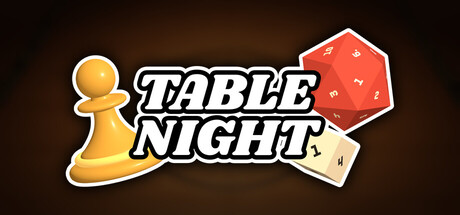
Table Night has an optional AI LLM game master: if the host turns it on with their own AI account, a language model narrates the match and judges what players write, while the game rolls the dice and decides every result. The AI is instructed to keep everything suitable for teens. Players' text is sent to the host's AI provider, and any table can be played with a human game master or none instead.
During development, AI tools assisted with modifying some existing 3D models, procedurally generating some original models and sound effects, coding, and translating the developer's own ending text. All other assets are licensed asset packs, Creative Commons music and real recordings. No AI content is generated during play.
Some of this game's assets, including artwork and sound effects, were created with the assistance of generative AI. These assets were selected and integrated by the developer for use in the game and on its Steam store page.
Generative AI tools were used to assist with the creation of some pre-generated marketing text and promotional content for the game. The game does not use live-generated AI during gameplay.
Full disclaimer - Some code, artworks have been AI generated, through a custom model trained on images that were built specifically for the game with the kind assistance of a graphic designer friend of mine. I'm a solo dev with limited budget and I'm doing this out of passion - I just wouldn't have been able to build it without these tools
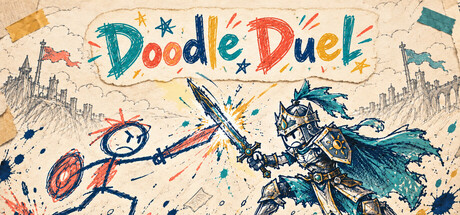
Some promotional materials for Doodle Duel, including animation and music created or assisted by generative AI tools based on game images, were made with generative AI. The game itself does not generate content at runtime and does not connect to external AI services.
Some character portraits in this game were created with the assistance of generative AI during development. All AI-assisted images were reviewed, edited, and approved by the development team before being included. The game contains no live generation features, and no AI content is generated dynamically during gameplay.
Generative AI tools were used during development to assist in creating some pre-generated 3D assets. All AI-assisted content is created and reviewed during development. The game does not generate AI content during gameplay and does not connect to external AI services.
Generative AI tools were used during development to help create portions of the game's audio, visual assets, and written content, including background music and sound effects. AI assistance was also used for promotional artwork. These materials were selected, edited, and reviewed by the developer before inclusion. The core gameplay rules, design decisions, and final implementation were directed by the developer. The game uses pre-generated content and does not generate new content with AI during gameplay.
Some visual assets and promotional materials for this game were created with the assistance of generative AI and were reviewed, edited, and integrated by the developer. The game does not use live AI generation during gameplay.
Some visual assets and promotional materials for this game were created with the assistance of generative AI and were reviewed, edited, and integrated by the developer. The game does not use live AI generation during gameplay.
Generative AI tools were used during development to assist with some visual and audio assets in Fishing Trawler. All AI-assisted content is reviewed, edited, and integrated by the developer.
Some content in this game was made with AI tools: the translations, textures, and interface icons. The music and sound effects are human recordings. Nothing is generated by AI while you play.
Generative AI tools were used to assist in the creation of various assets for the game. All generated graphics were subsequently edited, refined, and adjusted in Adobe Photoshop by the developer. No AI-generated graphics are used directly in the game without manual editing and refinement.
Pre-generated AI was used to create selected 2D artwork included in the game, including a painting and menu imagery. All generated content was reviewed and selected by the developer before inclusion. The game does not generate AI content during gameplay and does not connect to a live AI service.
AI tools were used solely for generating background images. All character art, UI elements, writing, and other visual content were created entirely by the development team without the use of generative AI.
Gemini app was used to assist in the Mandarin translations. Gemini app also assisted in reading through Godot's documentation and developing shader code.
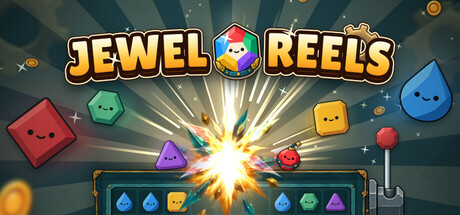
The game contains pre-generated AI-assisted artwork, including industrial workshop and interface art, jewels, visual effect assets, and static store artwork. No content is generated by AI during gameplay, and the game does not connect to external AI services.
Some assets in this game were created with the assistance of generative AI tools. All AI-assisted assets were reviewed, edited, and integrated into the game by our team.
Parts of this store page, as well as certain code elements of the game, were created with the assistance of AI tools. These tools helped speed up development and improve clarity, while all creative direction, design choices, and final implementation remain in the hands of the developer.
Generative AI tools were used to assist with the creation and refinement of some pre-generated sound effects, 3D assets, 2D images, voice lines, and localization. All AI-assisted content was reviewed, edited, and integrated by the developer. The game does not use generative AI to create content during gameplay.
AI Generated Content Disclosure
The developers of LIGHT IT provide the following disclosure regarding the use of AI tools in the creation of this game. All AI-assisted content is pre-generated; the game does not generate any AI content live during gameplay.
Music: The in-game music was produced using Suno, an AI music-generation tool.
Art: Some visual assets were created with the assistance of AI image-generation tools.
Code: AI assistants were used to help brainstorm implementation ideas and to assist with debugging.
All AI-assisted content and code was reviewed, tested, and refined by the developer before being included in the final game.
Generative AI tools were used during development to assist in the creation of some pre-generated visual assets and promotional materials. All AI-assisted content is reviewed, selected, and integrated by the development team. The game does not use generative AI to create content during gameplay.
AI tools helped during development with the concept mocks, UI layout drafts and the store artwork. All of it was directed, chosen and refined by the developer. The in-game sprites, characters, levels and game design are mixed of AI tools generated, others were hand-made or from licensed asset packs. Some code was written with an AI coding assistant and then reviewed and tested by the developer.
Boomside's background artwork, including the title-screen city and the district backgrounds, was created with the help of generative AI image tools. The developer then selected, edited and integrated it into the game. The game does not use AI to generate any content while you play.
I enjoy code and music, yet I am terrible at art.
Therefore, generative AI was used during development to create some game artwork, including interface elements, achievements, and icons, and the Beast Hunt logo used in the game. The game does not generate AI content during gameplay.
Opolution includes AI-generated illustrations, video sequences and voice-over audio, as well as AI-assisted narrative text and translations. These assets are created in advance during development. No AI content is generated during gameplay, and the game does not connect to external AI services while you play.
This game contains pre-generated AI content, all reviewed and edited by the developer:
- Voice acting: every radio and PA line, in English and Turkish, is text-to-speech generated with ElevenLabs.
- Audio: most sound effects and the three music beds were generated with ElevenLabs.
- 3D art: some organic growth props were shaped with an image-to-3D pipeline (SDXL + Hunyuan3D), then UV-unwrapped, baked and finished by hand in Blender.
- 2D art: the still images in the narrated opening were made with an image model.
The game generates nothing with AI while it runs. The trailer, screenshots and capsule art on this page are in-game footage and in-engine captures.
AI-powered image generation tools were used to create the game's visual elements, including character and environment images. AI tools were also used to support translations into multiple languages.
Some content was made with generative AI: the game's logo, and much of the in-game writing (tutorial text, shop item names and descriptions, and other on-screen text), which was drafted with an AI assistant and edited by the developer. Parts of this store page were written the same way. Everything else - rooms, props, characters, sound and gameplay - is made procedurally in code or comes from CC0 asset kits. Nothing is generated by AI while you play.
Generative AI tools were used during development to create some 3D models and textures, including buildings, vegetation, rocks and animals, as well as some menu backgrounds, interface artwork and store artwork. These assets were selected, edited, optimized and integrated during development. The game does not generate AI content during play or connect to an external AI service.
Generative AI was used to create background music, paintings displayed throughout the motel, and selected 3D assets, including sequence props, keys, relics, and pedestals. AI assistance was also used to draft portions of the store page text.
Some artwork and marketing materials for Knightoria were created using generative AI. AI-generated content is pre-rendered and is not generated during gameplay.
We used AI tools to assist with parts of development: writing some of the game code, changing the colors of existing 2D textures, and localizing the game's text into other languages. All AI-assisted results were reviewed and edited by our team.
Generative AI tools were used during development to create pre-rendered visual assets, UI elements, and marketing materials. All generated assets were reviewed, finalized, and statically integrated into the game build prior to release. No content is generated in real-time or dynamically during gameplay.
Generative AI tools were used during development to create certain content included with the game:
Visual Art: Store/capsule art, character portraits, icons, UI illustrations, map visuals, and textures.
Audio: Narrator voiceovers generated using text-to-speech (TTS) tools, and select ambient sounds.
Music: A portion of the in-game music was generated using AI music tools.
Table Night has an optional AI LLM game master: if the host turns it on with their own AI account, a language model narrates the match and judges what players write, while the game rolls the dice and decides every result. The AI is instructed to keep everything suitable for teens. Players' text is sent to the host's AI provider, and any table can be played with a human game master or none instead.
During development, AI tools assisted with modifying some existing 3D models, procedurally generating some original models and sound effects, coding, and translating the developer's own ending text. All other assets are licensed asset packs, Creative Commons music and real recordings. No AI content is generated during play.
Some of this game's assets, including artwork and sound effects, were created with the assistance of generative AI. These assets were selected and integrated by the developer for use in the game and on its Steam store page.
Generative AI tools were used to assist with the creation of some pre-generated marketing text and promotional content for the game. The game does not use live-generated AI during gameplay.
Full disclaimer - Some code, artworks have been AI generated, through a custom model trained on images that were built specifically for the game with the kind assistance of a graphic designer friend of mine. I'm a solo dev with limited budget and I'm doing this out of passion - I just wouldn't have been able to build it without these tools
Some promotional materials for Doodle Duel, including animation and music created or assisted by generative AI tools based on game images, were made with generative AI. The game itself does not generate content at runtime and does not connect to external AI services.
Some character portraits in this game were created with the assistance of generative AI during development. All AI-assisted images were reviewed, edited, and approved by the development team before being included. The game contains no live generation features, and no AI content is generated dynamically during gameplay.
Generative AI tools were used during development to assist in creating some pre-generated 3D assets. All AI-assisted content is created and reviewed during development. The game does not generate AI content during gameplay and does not connect to external AI services.
Generative AI tools were used during development to help create portions of the game's audio, visual assets, and written content, including background music and sound effects. AI assistance was also used for promotional artwork. These materials were selected, edited, and reviewed by the developer before inclusion. The core gameplay rules, design decisions, and final implementation were directed by the developer. The game uses pre-generated content and does not generate new content with AI during gameplay.
Some visual assets and promotional materials for this game were created with the assistance of generative AI and were reviewed, edited, and integrated by the developer. The game does not use live AI generation during gameplay.
Some visual assets and promotional materials for this game were created with the assistance of generative AI and were reviewed, edited, and integrated by the developer. The game does not use live AI generation during gameplay.
Generative AI tools were used during development to assist with some visual and audio assets in Fishing Trawler. All AI-assisted content is reviewed, edited, and integrated by the developer.
Some content in this game was made with AI tools: the translations, textures, and interface icons. The music and sound effects are human recordings. Nothing is generated by AI while you play.
Generative AI tools were used to assist in the creation of various assets for the game. All generated graphics were subsequently edited, refined, and adjusted in Adobe Photoshop by the developer. No AI-generated graphics are used directly in the game without manual editing and refinement.
Pre-generated AI was used to create selected 2D artwork included in the game, including a painting and menu imagery. All generated content was reviewed and selected by the developer before inclusion. The game does not generate AI content during gameplay and does not connect to a live AI service.
AI tools were used solely for generating background images. All character art, UI elements, writing, and other visual content were created entirely by the development team without the use of generative AI.
Gemini app was used to assist in the Mandarin translations. Gemini app also assisted in reading through Godot's documentation and developing shader code.
The game contains pre-generated AI-assisted artwork, including industrial workshop and interface art, jewels, visual effect assets, and static store artwork. No content is generated by AI during gameplay, and the game does not connect to external AI services.
Some assets in this game were created with the assistance of generative AI tools. All AI-assisted assets were reviewed, edited, and integrated into the game by our team.
Parts of this store page, as well as certain code elements of the game, were created with the assistance of AI tools. These tools helped speed up development and improve clarity, while all creative direction, design choices, and final implementation remain in the hands of the developer.