Public Steam disclosure research25,383 disclosures tracked
Where do games disclose AI use?
Search developers’ Steam disclosures, compare classified AI use across
games, and follow recorded changes.
This index adds cross-game classifications and statistics to
statements published on individual store pages.
Groups reflect automatic analysis of public disclosures; mature records are excluded. These counts do not measure AI use across all of Steam.
Missing or unclear statements cannot establish whether a game uses AI.
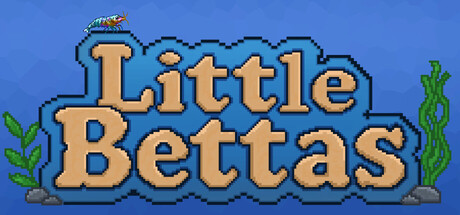
Pre-Generated Content
This demo includes pre-generated AI content:
- The background images used in the Store, Breeding, and Inventory screens.
- The shared background image used in the Collection and Tutorial screens.
- Wooden aquarium decorations.
- Snail aquarium decorations.
- Background music tracks generated with Suno AI. The developer holds a license for their use.
No AI-generated content is created during gameplay. Players cannot enter prompts or interact with AI systems.
Some assets like the games base cover art images are generated by AI so we can provide a large curated selection for each genre, topic and gaming generation.
Generative AI was used to write, edit, and translate text on this Steam store page. It is not used during gameplay, and no AI-generated images, audio, or in-game assets are included.
Generative AI tools were used during development to assist with programming, debugging, optimization, gameplay design, and the review or translation of some written content. The game does not use live-generated AI and does not connect to an AI service during gameplay.
Generative AI tools were used during development to create or process some pre-generated voice audio and selected 2D visual assets, including stylized character and news-related images.
All AI-assisted content is created before release and manually reviewed, edited, and curated by the developer before being included in the game.
No generative AI runs during gameplay, and no player input or data is sent to generative AI services.
Symbiosis: Criticality's narrative and dialogue were developed with the assistance of generative AI as part of an iterative, human-directed writing process. All in-game art, audio, and code were authored directly by the development team.
Generative AI was used in parts of this project: the animated story cutscenes were brought to life with AI tools from original artwork drawn by the developer; the game's music, most of its sound effects, some in-game images such as the main menu, its logo and some promotional material, the store-page translations, and the English and Turkish in-game text were also created with generative AI tools. The gameplay itself — its systems, characters, environments and screenshots — is authentic and shows the real game. No AI is used to generate content during gameplay.
This game was primarily coded with AI.
The story and concept was made almost entirely by myself (As this was the main aim of the game to begin with)
Please don't buy it if you're not a fan of this use of AI generation.
Generative AI was used for selected visual assets during development. All AI-assisted content was reviewed by the developer. No AI content is generated during gameplay.
Load Factor's player-facing content its data, simulation, art, and text is authored by us, not generated by AI. During development we used AI-assisted coding tools to help write and review source code, in the same way modern IDEs offer AI assistance. No artwork, audio, writing, or localization shipped in the game is AI-generated, and the game does not generate any content using AI while you play.
Generative AI was used during game development to assist with programming and to create some pre-generated promotional artwork. All AI-assisted outputs were reviewed and edited by the developer before release.
AI was used during development to assist with the creation of certain visual elements.
All AI-assisted content is reviewed, edited, and approved by the developer before being integrated into the game.
The game's menu interface and Steam store page assets (capsule images and other promotional artwork) were designed with the assistance of an AI-based design tool. All other art, environments, characters, and audio in the game were created without the use of generative AI.
We use AI tools to assist with some parts of development, such as localization and improving our art production workflow. All designs and creative ideas come from our team, and AI-assisted assets are reviewed and refined before being used in the game.
As an indie studio, we use generative AI to continue developing the games we love. It allows us to accomplish tasks that would otherwise be beyond our small team's capacity.
Generative AI was used during the development of the game's user interface and to assist with creating parts of the game's audio. Every AI-generated asset was carefully reviewed and refined before being included in the final game.
Generative AI tools were used during development to create initial concepts for background music tracks and 2D loading screen artwork. These concepts were heavily reworked, re-edited, and finalized by human artists before being integrated as static files into the game build.
Players who prefer a completely traditional experience can completely disable all AI-assisted art and music via a toggle in the game's settings menu.
This game does not use any real-time or live generative AI. No content is generated dynamically during gameplay.
Generative AI was used during development to create all visual art assets and music featured in the game. The generated content was reviewed, selected, and integrated by the developer. The game does not generate AI content during gameplay.
This game was developed through collaboration between the developer and AI tools across most content (art, writing, design); in-game translations were generated by AI.
As a solo indie developer, I'm a programmer rather than a designer, so AI was used to assist with layout creation while I focused on building the core of the game.
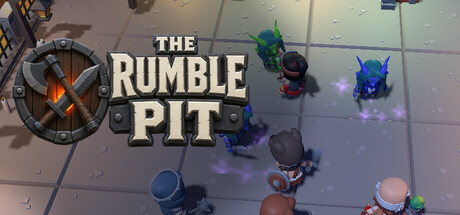
The Rumble Pit is made by one person, and generative AI tools were part of how it was built.
Music: the tracks you hear in the menus and in the twelve dungeons were generated with a local AI music model, from a written brief for each place, then cut, looped and mixed by hand.
2D art: the interface icons, the class and specialisation emblems, the dungeon thumbnails, the illustrated boss backdrops and the logo were produced with image generation tools, then cropped, cleaned up and colour-matched by hand.
Text and code: much of the in-game text — talent names and descriptions, loot labels, boss briefings, the translation tables — and part of the source code were drafted with an AI assistant, then edited, tested and rewritten by hand.
Not AI-generated: the 3D models and animations (licensed art packs), and the sound effects (CC0 libraries).
Nothing is generated while you play. The game connects to no AI service and produces no new content at runtime — everything ships as a fixed file, checked before release.
Pixel art assets, in-game text translation to other languages were produced with AI assistance during development and edited by the developer. No content is generated at runtime.
This game uses generative AI during development to assist with selected artwork, relic and character illustrations, and limited text drafts. All generated material was created offline during development, then manually reviewed, edited, integrated, and quality-checked before being included in the game.
The game does not generate images, audio, text, code, or other content in real time, and it does not send player data or game content to external AI services during gameplay.
Some visual assets used in Retro TV Tycoon were created with the assistance of generative AI.
Specifically, AI-generated imagery is used for some of the fictional thumbnail artwork displayed in the **TV Catalog** and **Film Archives** sections of the game. These images are pre-generated assets created during development and are not generated dynamically while the game is running.
Generative AI is not used to generate gameplay, player interactions, or live content. The AI-assisted images are used solely as visual illustrations and thumbnails representing fictional television programs and films within the game's catalog and archive interfaces.
Generative AI was used during development to create selected 2D artwork, including crew portraits, environmental elements, user interface icons, and key art. Generated assets were selected, edited, and adapted to match the game’s visual style and technical requirements. The game does not generate any AI content at runtime and does not send player data to generative AI services.
Some art assets were initially created with the assistance of generative AI tools, then manually edited and finalized by the developer. AI tools were also used to assist with multilingual localization.
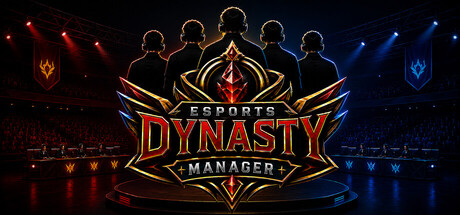
Generative AI tools were used during development to assist in creating pre-generated visual assets for the game, including character and hero artwork, team logos, backgrounds, interface elements, and other decorative assets. All generated content is reviewed, selected, edited, and integrated into the game by the developer. The game does not generate AI content during gameplay.
I’m a broke college student and don’t have the budget to hire a professional artist for everything, so generative AI was used to help create some marketing and promotional artwork for the game do forgive me.
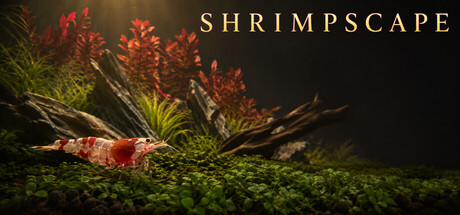
Some of Shrimpscape's assets were produced with generative AI. The shrimp, plant and hardscape artwork was generated with AI image tools and then hand-edited, colour-corrected and assembled by the developer. The 3D hardscape models were generated with an AI mesh tool and then cleaned up and textured by hand in Blender. Store page and capsule art was made the same way. Text outside English is machine-translated. Nothing is generated while you play — everything shipped in the game is fixed and reviewed before release.
As a solo developer, I used generative AI tools during the development process to assist with creating game assets (such as character artwork and item graphics), composing background music, and generating or refining code snippets. All AI-assisted content was pre-generated prior to release and manually curated. No AI content is generated live during gameplay.
About 10% of this game’s art assets were created with AI-assisted design, including some combat scenes and talent icons. All AI-generated content was reviewed, adjusted, and polished by artists. The remaining art assets were hand-crafted.
Generative AI tools were used during the development of this game to assist with programming, debugging, translation, and content creation. Some artwork, text, and other assets were also generated or processed with the assistance of generative AI, then reviewed and edited by the development team. The game does not use generative AI at runtime or generate content in response to player input. The development team remains responsible for all content included in the final game.
AI-assisted tools were used solely during development to support programming tasks such as coding, debugging, and refactoring. All resulting code was reviewed, tested, and integrated by the developer. The game does not generate content using AI during gameplay.
Some pre-rendered assets in this game and its store presence were created with the assistance of generative AI tools: portions of the 2D artwork (such as backdrop and ramp textures, marketing and capsule images) and some sound effects. All AI-assisted assets were reviewed, selected, and edited by the developer before inclusion. The game's design, code, gameplay systems, writing, and balance are entirely human-made. No content is generated by AI at runtime.
Generative AI tools were used during development to assist with selected 2D visual assets, UI artwork, and initial drafts of interface and localization text. All AI-assisted content included in the game was reviewed, edited, and approved by the developer before release. The game does not generate content during gameplay and does not connect to external AI services.
Generative AI was used to create a small number of 3D models and art assets. All game code, design, and gameplay systems were created without the use of Generative AI.
Pre-Generated Content
This demo includes pre-generated AI content:
- The background images used in the Store, Breeding, and Inventory screens.
- The shared background image used in the Collection and Tutorial screens.
- Wooden aquarium decorations.
- Snail aquarium decorations.
- Background music tracks generated with Suno AI. The developer holds a license for their use.
No AI-generated content is created during gameplay. Players cannot enter prompts or interact with AI systems.
Some assets like the games base cover art images are generated by AI so we can provide a large curated selection for each genre, topic and gaming generation.
Generative AI was used to write, edit, and translate text on this Steam store page. It is not used during gameplay, and no AI-generated images, audio, or in-game assets are included.
Generative AI tools were used during development to assist with programming, debugging, optimization, gameplay design, and the review or translation of some written content. The game does not use live-generated AI and does not connect to an AI service during gameplay.
Generative AI tools were used during development to create or process some pre-generated voice audio and selected 2D visual assets, including stylized character and news-related images.
All AI-assisted content is created before release and manually reviewed, edited, and curated by the developer before being included in the game.
No generative AI runs during gameplay, and no player input or data is sent to generative AI services.
Symbiosis: Criticality's narrative and dialogue were developed with the assistance of generative AI as part of an iterative, human-directed writing process. All in-game art, audio, and code were authored directly by the development team.
Generative AI was used in parts of this project: the animated story cutscenes were brought to life with AI tools from original artwork drawn by the developer; the game's music, most of its sound effects, some in-game images such as the main menu, its logo and some promotional material, the store-page translations, and the English and Turkish in-game text were also created with generative AI tools. The gameplay itself — its systems, characters, environments and screenshots — is authentic and shows the real game. No AI is used to generate content during gameplay.
This game was primarily coded with AI.
The story and concept was made almost entirely by myself (As this was the main aim of the game to begin with)
Please don't buy it if you're not a fan of this use of AI generation.
Generative AI was used for selected visual assets during development. All AI-assisted content was reviewed by the developer. No AI content is generated during gameplay.
Load Factor's player-facing content its data, simulation, art, and text is authored by us, not generated by AI. During development we used AI-assisted coding tools to help write and review source code, in the same way modern IDEs offer AI assistance. No artwork, audio, writing, or localization shipped in the game is AI-generated, and the game does not generate any content using AI while you play.
Generative AI was used during game development to assist with programming and to create some pre-generated promotional artwork. All AI-assisted outputs were reviewed and edited by the developer before release.
AI was used during development to assist with the creation of certain visual elements.
All AI-assisted content is reviewed, edited, and approved by the developer before being integrated into the game.
The game's menu interface and Steam store page assets (capsule images and other promotional artwork) were designed with the assistance of an AI-based design tool. All other art, environments, characters, and audio in the game were created without the use of generative AI.
We use AI tools to assist with some parts of development, such as localization and improving our art production workflow. All designs and creative ideas come from our team, and AI-assisted assets are reviewed and refined before being used in the game.
As an indie studio, we use generative AI to continue developing the games we love. It allows us to accomplish tasks that would otherwise be beyond our small team's capacity.
Generative AI was used during the development of the game's user interface and to assist with creating parts of the game's audio. Every AI-generated asset was carefully reviewed and refined before being included in the final game.
Generative AI tools were used during development to create initial concepts for background music tracks and 2D loading screen artwork. These concepts were heavily reworked, re-edited, and finalized by human artists before being integrated as static files into the game build.
Players who prefer a completely traditional experience can completely disable all AI-assisted art and music via a toggle in the game's settings menu.
This game does not use any real-time or live generative AI. No content is generated dynamically during gameplay.
Generative AI was used during development to create all visual art assets and music featured in the game. The generated content was reviewed, selected, and integrated by the developer. The game does not generate AI content during gameplay.
This game was developed through collaboration between the developer and AI tools across most content (art, writing, design); in-game translations were generated by AI.
As a solo indie developer, I'm a programmer rather than a designer, so AI was used to assist with layout creation while I focused on building the core of the game.
The Rumble Pit is made by one person, and generative AI tools were part of how it was built.
Music: the tracks you hear in the menus and in the twelve dungeons were generated with a local AI music model, from a written brief for each place, then cut, looped and mixed by hand.
2D art: the interface icons, the class and specialisation emblems, the dungeon thumbnails, the illustrated boss backdrops and the logo were produced with image generation tools, then cropped, cleaned up and colour-matched by hand.
Text and code: much of the in-game text — talent names and descriptions, loot labels, boss briefings, the translation tables — and part of the source code were drafted with an AI assistant, then edited, tested and rewritten by hand.
Not AI-generated: the 3D models and animations (licensed art packs), and the sound effects (CC0 libraries).
Nothing is generated while you play. The game connects to no AI service and produces no new content at runtime — everything ships as a fixed file, checked before release.
Pixel art assets, in-game text translation to other languages were produced with AI assistance during development and edited by the developer. No content is generated at runtime.
This game uses generative AI during development to assist with selected artwork, relic and character illustrations, and limited text drafts. All generated material was created offline during development, then manually reviewed, edited, integrated, and quality-checked before being included in the game.
The game does not generate images, audio, text, code, or other content in real time, and it does not send player data or game content to external AI services during gameplay.
Some visual assets used in Retro TV Tycoon were created with the assistance of generative AI.
Specifically, AI-generated imagery is used for some of the fictional thumbnail artwork displayed in the **TV Catalog** and **Film Archives** sections of the game. These images are pre-generated assets created during development and are not generated dynamically while the game is running.
Generative AI is not used to generate gameplay, player interactions, or live content. The AI-assisted images are used solely as visual illustrations and thumbnails representing fictional television programs and films within the game's catalog and archive interfaces.
Generative AI was used during development to create selected 2D artwork, including crew portraits, environmental elements, user interface icons, and key art. Generated assets were selected, edited, and adapted to match the game’s visual style and technical requirements. The game does not generate any AI content at runtime and does not send player data to generative AI services.
Some art assets were initially created with the assistance of generative AI tools, then manually edited and finalized by the developer. AI tools were also used to assist with multilingual localization.
Generative AI tools were used during development to assist in creating pre-generated visual assets for the game, including character and hero artwork, team logos, backgrounds, interface elements, and other decorative assets. All generated content is reviewed, selected, edited, and integrated into the game by the developer. The game does not generate AI content during gameplay.
I’m a broke college student and don’t have the budget to hire a professional artist for everything, so generative AI was used to help create some marketing and promotional artwork for the game do forgive me.
Some of Shrimpscape's assets were produced with generative AI. The shrimp, plant and hardscape artwork was generated with AI image tools and then hand-edited, colour-corrected and assembled by the developer. The 3D hardscape models were generated with an AI mesh tool and then cleaned up and textured by hand in Blender. Store page and capsule art was made the same way. Text outside English is machine-translated. Nothing is generated while you play — everything shipped in the game is fixed and reviewed before release.
As a solo developer, I used generative AI tools during the development process to assist with creating game assets (such as character artwork and item graphics), composing background music, and generating or refining code snippets. All AI-assisted content was pre-generated prior to release and manually curated. No AI content is generated live during gameplay.
About 10% of this game’s art assets were created with AI-assisted design, including some combat scenes and talent icons. All AI-generated content was reviewed, adjusted, and polished by artists. The remaining art assets were hand-crafted.
Generative AI tools were used during the development of this game to assist with programming, debugging, translation, and content creation. Some artwork, text, and other assets were also generated or processed with the assistance of generative AI, then reviewed and edited by the development team. The game does not use generative AI at runtime or generate content in response to player input. The development team remains responsible for all content included in the final game.
AI-assisted tools were used solely during development to support programming tasks such as coding, debugging, and refactoring. All resulting code was reviewed, tested, and integrated by the developer. The game does not generate content using AI during gameplay.
Some pre-rendered assets in this game and its store presence were created with the assistance of generative AI tools: portions of the 2D artwork (such as backdrop and ramp textures, marketing and capsule images) and some sound effects. All AI-assisted assets were reviewed, selected, and edited by the developer before inclusion. The game's design, code, gameplay systems, writing, and balance are entirely human-made. No content is generated by AI at runtime.
Generative AI tools were used during development to assist with selected 2D visual assets, UI artwork, and initial drafts of interface and localization text. All AI-assisted content included in the game was reviewed, edited, and approved by the developer before release. The game does not generate content during gameplay and does not connect to external AI services.
Generative AI was used to create a small number of 3D models and art assets. All game code, design, and gameplay systems were created without the use of Generative AI.