Public Steam disclosure research25,383 disclosures tracked
Where do games disclose AI use?
Search developers’ Steam disclosures, compare classified AI use across
games, and follow recorded changes.
This index adds cross-game classifications and statistics to
statements published on individual store pages.
Groups reflect automatic analysis of public disclosures; mature records are excluded. These counts do not measure AI use across all of Steam.
Missing or unclear statements cannot establish whether a game uses AI.
Some pre-generated 3D art assets and textures were created with generative AI tools during development. These assets are reviewed, selected, adjusted, and integrated by the developer before inclusion. The game does not provide player-facing real-time generative AI features.
Sound design and Localization (localization can hopefully be community sourced with proper credit given in-game for users that assist with translations)
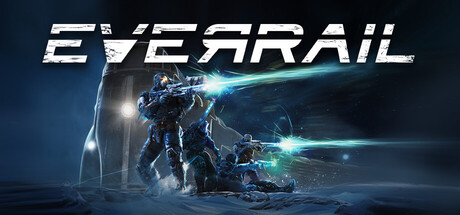
In EverRail, AI-generated voiceover is used only for machine characters: the train's AI board computer and robot enemies, voices that are artificial in the story itself, which also lets us offer them in multiple languages. Beyond that, our team uses generative AI as a tool to support development, with our artists, designers, and engineers refining and hand-building every asset that makes it into the game.
This game was created in collaboration with my friend Claude Code.
Listen.. I know AI is hated by the community, but I am a single developer with limited time and i wanted to make my progress during that time more efficient.
The direction comes from my side and the passion for this project is still real.
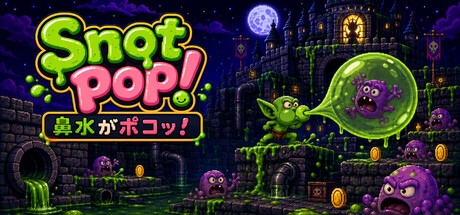
Snot Pop! is an indie project. Like many independent developers, generative AI was used as a tool among many during development; for brainstorming, writing, art and audio design, and working through balancing problems. AI was not the game designer or orchestrator of the project. All content was reviewed, directed, altered, and approved before inclusion. Everything in the game reflects deliberate creative decisions made by the developer.
GridIron Grit is made with love, for us hardcore football sim fans, but AI did much of the heavy lifting.
AI helped me bring my dream game to life, writing code and generating game assets.
The game itself uses no generative AI within.
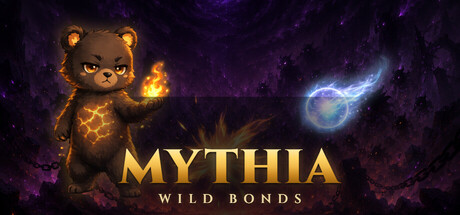
Mythia Wild Bonds was designed and built by a solo developer, game design, art direction, sound direction, and architecture are all the developer's own. AI generation tools were used to accelerate production of pixel art, sound effects, and music, each piece selected, reworked, and approved within the game's art bible and audio direction; code was also developed with AI pair-programming assistance, with all game systems designed by the developer. No content is AI-generated at runtime.
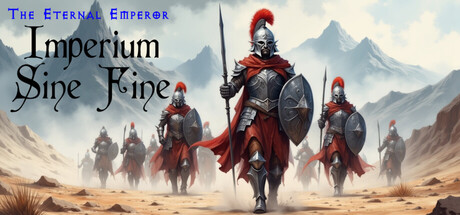
As a solo developer, I used generative AI tools to help create some of the game's icons, artwork, and written text, which I then reviewed and edited by hand. The game's design, code, and systems are my own work, and the world, its factions, and its story are built on lore I have developed across the Imperium Sine Fine saga. Nothing is AI-generated during gameplay.
AI used to make pieces of capsule art then assembled and edited in photopea (free online photoshop). All the content in the game, dialogues, colors, quests, items, icons, layouts, proc gen, easter eggs, everything is handcrafted, handpicked and intentionally placed by me, or is a CC0 licenced asset which will be credited upon game's full release.
We used AI to generate additional chat message ideas based on the initial list we made ourselves. Relevant message ideas were added to the game, some messages were altered to fit, and rest were left on the cutting room floor.
Some visual assets, concept art, character portraits, promotional images, and store-related materials may be created or assisted using generative AI tools. All AI-assisted content is reviewed and edited by the developer before use. The game does not use real-time AI generation during gameplay.
This game's art and music were created during development using generative AI tools. Specifically: the painted 2D illustrations — card art, event illustrations, and background images — were generated with AI image tools, and the background music tracks were produced with AI music tools. In every case the developer reviewed, selected, edited, and finalized the results, which ship as fixed image and audio files.
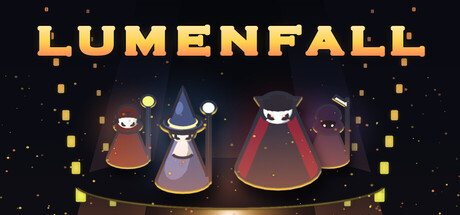
Lumenfall is built by a small studio using AI-assisted development tools. Some pre-generated content — including portions of the game's code, the store page text, and the 2D promotional/capsule artwork and achievement icons — was created with the help of AI tools, always under human direction and review. The game does not generate any content with AI at runtime; everything you play is fixed, hand-tuned content.
Generative AI was used during development to assist in creating some pre-generated visual assets for the game and its promotional materials, as well as parts of the English localization. All AI-assisted content was reviewed by the developer and edited where necessary. No content is generated by AI while the game is running.
Some 2D art assets (e.g. icons, store capsules, background art) were created with the help of generative AI image tools and then curated and edited by the developer. No AI-generated content is produced live during gameplay.
This game uses generative AI during gameplay to create an original in-game character called a "Logos" for use by that player. Based on text entered or selected by the player, the AI generates a 2D illustration of the Logos in real time, along with its name, flavor text, and similar content. The generated Logos can be added to your deck and used to progress through the game.
The game also includes pre-generated AI content: enemy and event illustrations were created with Adobe Firefly during development. Generation is performed using cloud-based external AI services (Adobe Firefly for image generation, OpenAI for text generation).
The words entered by the player, generation conditions, and the data of the generated Logos are sent to and stored on our server. These records are used to provide the generation feature, review reported results, and investigate errors. A generated Logos is visible only to the player who created it and is not shared with other players.
Some information required for generation is sent from our server to external AI services. Data sent from our server to these services is not used to train or improve their models. Please do not enter any personal information, such as your name or contact details, or any confidential information you would not want third parties to know.
No game assets or gameplay content were generated using AI.
Localization into some supported languages was created with AI assistance and reviewed by the developers and community where possible.
Some artwork, music, text, and translations in this game were initially created with the assistance of AI tools, and were then manually edited, revised, or recreated by the developer.
Space Delivery is a solo indie project by Christian Wolf. Generative AI was one of the tools used to make it: all character voice-over and some sound effects were generated with ElevenLabs, AI image tools were used for the game's icons and some other menu/UI artwork, and AI tools were used to translate the game and its store page from English. The trailer and promotional images were assembled using AI tools from the game's own assets. AI also assisted with coding and design during development. All game design, art direction, and final creative decisions were made by the developer.
Suho's background music was produced with the help of a generative AI music tool, and some store-page text was drafted with AI assistance and edited by a human. We intend to replace the AI-generated music with commissioned, original music. All gameplay, game design, code, and in-game visual art are human-authored or rendered programmatically (not AI-generated), and no AI content is generated live during play - the soundtrack ships as fixed, pre-made audio files.
MindGate's content—including character illustrations, related store and promotional images, and in-game text—is created by the developer using generative AI tools. The developer directs, selects, edits, and finalizes every asset, and makes all gameplay design and balance decisions.
Generative AI assisted with: English localization (AI-translated, developer-reviewed),
some store-page capsule art (generated programmatically), and store-page description text.
No AI runs live/at runtime in the game. Core code, game design and original in-game
sprite art were made by the developer.
AI tools may be utilized to increase development efficiency for various game content. Such content has been vetted for accuracy and consistency with the game's theme and ideas.
Human-crafted with AI assistance. Generative AI was used to assist with selected programming tasks (such as code optimization and debugging), create or enhance some voice-over and audio elements, and help refine selected graphical assets. All AI-generated content was reviewed, edited, integrated, and finalized by the developer.
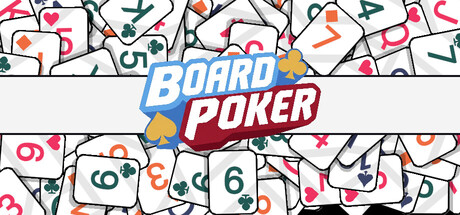
Some of the visual art in Board Poker was created with the help of generative AI tools and then reviewed and refined by our team; the rest is hand-made or sourced from licensed asset packs. Music and sound effects use no generative AI. Generative AI also assisted with text — drafting some interface translations and the store and marketing copy, all reviewed and edited by our team. No content is generated by AI while the game is running.
The in-game music and soundtrack are created using Suno (generative AI). All visual art is produced procedurally through code. Development used an AI coding assistant (Claude), which is a development-efficiency tool; it does not generate any content live at runtime. No generative AI runs during gameplay.
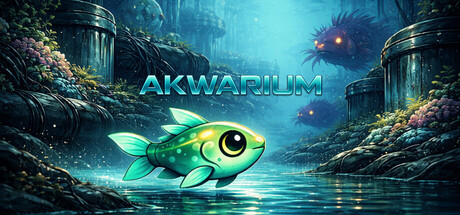
Some 2D artwork in Akwarium (characters, UI, environments, and store images) was created with generative AI tools, then reviewed and refined by the developer. No gameplay content is generated by AI in real time.
Generative AI was used during development to create selected pre-generated audio assets used in the game, including background music and sound effects. Generative AI was also used to create selected studio logos and promotional artwork used on the Steam store page and in marketing materials.
No content is generated by AI during gameplay, and the game does not connect to any external AI services.
This game is developed by a solo developer. To ship a project of this scope in a reasonable timeframe, some assets are created with the help of generative AI tools. This includes parts of the user interface, certain icons, and the game logo. All core gameplay, code, systems, and world generation are built by hand. AI is used only as a support tool for visual assets, and all generated content is reviewed and edited before use.
Some music and assets in this game were created with generative AI tools, then manually reworked and adapted by the developer. The game design, code and integration are the developer's own work.
The game's music tracks were generated using AI tools (ElevenLabs Music, on a paid commercial plan, and Stable Audio Open) and were curated and edited by the developer. Key art and some promotional images were created with AI image generation (Stable Diffusion) and reviewed by the developer. All gameplay visuals, game design, and code are original work. No AI content is generated at runtime.
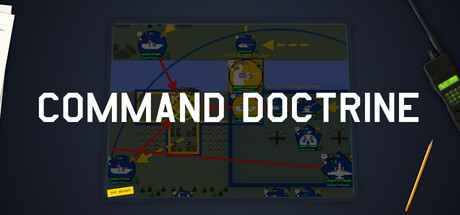
Command Doctrine uses generative AI to create some of the content you play. When you generate a scenario or a campaign, an AI model produces the map, the opposing forces, the objectives, and the written mission briefing from your prompt. AI is also used to write narrative battle reports, to create the images that accompany them, and to interpret the natural-language orders you give your units. This content is generated live by third-party AI services. We apply content moderation and input filtering to guard against inappropriate or unsafe output.
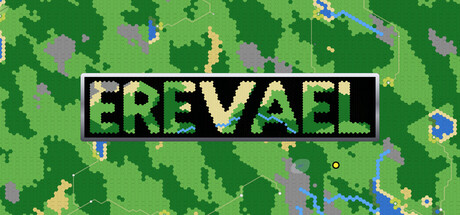
Erevael is made by a solo developer who uses generative AI as part of the development process. The following player-facing content is created with AI and reviewed by the developer before release:
- Visual art, including assets used in the procedurally generated world.
- Localization: translations are machine-generated and have not yet been professionally reviewed.
Music and sound effects are sourced from licensed, human-made libraries and are not AI-generated. AI coding assistants are also used during development.
The AI-generated art is a starting point. If the game finds an audience, the plan is to replace it with work from human artists in a free update for everyone, while keeping the original art available as an optional mod.
Some of this game's Steam store and marketing art was created using AI image-generation tools. Specifically, the store capsule images (header, main, small, and vertical capsules), the library artwork (library capsule and hero image), and the logo background were AI-generated.
AI was used only for this promotional store art. All in-game content — pixel-art sprites, backgrounds, UI, animations, and effects — is made from licensed, human-authored pixel-art assets and contains no AI-generated content. The game's audio and gameplay contain no AI-generated content.
Development/Pre-Generated AI Use Disclosure:
During the development process, Generative AI tools were used to assist in the creation of game assets. Specifically, portions of the game props, enemy models, 2D user interface elements, and background music/audio were developed with the assistance of AI tools.
All of these assets have undergone a thorough review, manual optimization, and integration through our standard development pipeline to ensure they match the game's unique artistic style and high-quality standards.
None of the AI-assisted content infringes upon any third-party copyrights or contains any restricted elements. The final game complies entirely with Steam's content policies.
Some artwork and visual assets in this game were created with the assistance of generative AI tools during development.
No AI content is generated during gameplay.
IKANDY includes an optional AI scene generator. When you choose to use it, it creates new audio-reactive visual scenes in real time from a text prompt you write. This content is generated live, only when you request it, using an AI service you connect with your own API key. Not required to use IKANDY. Some of IKANDY's artwork and promotional media (key art, trailer visuals and music, and some in-app imagery) was created with generative AI tools and is reviewed by the developer.
Some of this game's code and the tools that procedurally generate its visual assets were created with the assistance of an AI development assistant. All output was reviewed, edited, and tested by the developer. The game contains no AI-generated artwork from image-generation models, and no AI runs during gameplay.
This game actively supports human creativity, notably musicians and programmers - but uses AI in the design of marketing materials and some aspects of software development. Neither the game itself - nor the procedural generation techniques used to create the world, music, or audio - use AI or AI-generated art.
Some pre-generated 3D art assets and textures were created with generative AI tools during development. These assets are reviewed, selected, adjusted, and integrated by the developer before inclusion. The game does not provide player-facing real-time generative AI features.
Sound design and Localization (localization can hopefully be community sourced with proper credit given in-game for users that assist with translations)
In EverRail, AI-generated voiceover is used only for machine characters: the train's AI board computer and robot enemies, voices that are artificial in the story itself, which also lets us offer them in multiple languages. Beyond that, our team uses generative AI as a tool to support development, with our artists, designers, and engineers refining and hand-building every asset that makes it into the game.
This game was created in collaboration with my friend Claude Code.
Listen.. I know AI is hated by the community, but I am a single developer with limited time and i wanted to make my progress during that time more efficient.
The direction comes from my side and the passion for this project is still real.
Snot Pop! is an indie project. Like many independent developers, generative AI was used as a tool among many during development; for brainstorming, writing, art and audio design, and working through balancing problems. AI was not the game designer or orchestrator of the project. All content was reviewed, directed, altered, and approved before inclusion. Everything in the game reflects deliberate creative decisions made by the developer.
GridIron Grit is made with love, for us hardcore football sim fans, but AI did much of the heavy lifting.
AI helped me bring my dream game to life, writing code and generating game assets.
The game itself uses no generative AI within.
Mythia Wild Bonds was designed and built by a solo developer, game design, art direction, sound direction, and architecture are all the developer's own. AI generation tools were used to accelerate production of pixel art, sound effects, and music, each piece selected, reworked, and approved within the game's art bible and audio direction; code was also developed with AI pair-programming assistance, with all game systems designed by the developer. No content is AI-generated at runtime.
As a solo developer, I used generative AI tools to help create some of the game's icons, artwork, and written text, which I then reviewed and edited by hand. The game's design, code, and systems are my own work, and the world, its factions, and its story are built on lore I have developed across the Imperium Sine Fine saga. Nothing is AI-generated during gameplay.
AI used to make pieces of capsule art then assembled and edited in photopea (free online photoshop). All the content in the game, dialogues, colors, quests, items, icons, layouts, proc gen, easter eggs, everything is handcrafted, handpicked and intentionally placed by me, or is a CC0 licenced asset which will be credited upon game's full release.
We used AI to generate additional chat message ideas based on the initial list we made ourselves. Relevant message ideas were added to the game, some messages were altered to fit, and rest were left on the cutting room floor.
Some visual assets, concept art, character portraits, promotional images, and store-related materials may be created or assisted using generative AI tools. All AI-assisted content is reviewed and edited by the developer before use. The game does not use real-time AI generation during gameplay.
This game's art and music were created during development using generative AI tools. Specifically: the painted 2D illustrations — card art, event illustrations, and background images — were generated with AI image tools, and the background music tracks were produced with AI music tools. In every case the developer reviewed, selected, edited, and finalized the results, which ship as fixed image and audio files.
Lumenfall is built by a small studio using AI-assisted development tools. Some pre-generated content — including portions of the game's code, the store page text, and the 2D promotional/capsule artwork and achievement icons — was created with the help of AI tools, always under human direction and review. The game does not generate any content with AI at runtime; everything you play is fixed, hand-tuned content.
Generative AI was used during development to assist in creating some pre-generated visual assets for the game and its promotional materials, as well as parts of the English localization. All AI-assisted content was reviewed by the developer and edited where necessary. No content is generated by AI while the game is running.
Some 2D art assets (e.g. icons, store capsules, background art) were created with the help of generative AI image tools and then curated and edited by the developer. No AI-generated content is produced live during gameplay.
This game uses generative AI during gameplay to create an original in-game character called a "Logos" for use by that player. Based on text entered or selected by the player, the AI generates a 2D illustration of the Logos in real time, along with its name, flavor text, and similar content. The generated Logos can be added to your deck and used to progress through the game.
The game also includes pre-generated AI content: enemy and event illustrations were created with Adobe Firefly during development. Generation is performed using cloud-based external AI services (Adobe Firefly for image generation, OpenAI for text generation).
The words entered by the player, generation conditions, and the data of the generated Logos are sent to and stored on our server. These records are used to provide the generation feature, review reported results, and investigate errors. A generated Logos is visible only to the player who created it and is not shared with other players.
Some information required for generation is sent from our server to external AI services. Data sent from our server to these services is not used to train or improve their models. Please do not enter any personal information, such as your name or contact details, or any confidential information you would not want third parties to know.
No game assets or gameplay content were generated using AI.
Localization into some supported languages was created with AI assistance and reviewed by the developers and community where possible.
Some artwork, music, text, and translations in this game were initially created with the assistance of AI tools, and were then manually edited, revised, or recreated by the developer.
Space Delivery is a solo indie project by Christian Wolf. Generative AI was one of the tools used to make it: all character voice-over and some sound effects were generated with ElevenLabs, AI image tools were used for the game's icons and some other menu/UI artwork, and AI tools were used to translate the game and its store page from English. The trailer and promotional images were assembled using AI tools from the game's own assets. AI also assisted with coding and design during development. All game design, art direction, and final creative decisions were made by the developer.
Suho's background music was produced with the help of a generative AI music tool, and some store-page text was drafted with AI assistance and edited by a human. We intend to replace the AI-generated music with commissioned, original music. All gameplay, game design, code, and in-game visual art are human-authored or rendered programmatically (not AI-generated), and no AI content is generated live during play - the soundtrack ships as fixed, pre-made audio files.
MindGate's content—including character illustrations, related store and promotional images, and in-game text—is created by the developer using generative AI tools. The developer directs, selects, edits, and finalizes every asset, and makes all gameplay design and balance decisions.
Generative AI assisted with: English localization (AI-translated, developer-reviewed),
some store-page capsule art (generated programmatically), and store-page description text.
No AI runs live/at runtime in the game. Core code, game design and original in-game
sprite art were made by the developer.
AI tools may be utilized to increase development efficiency for various game content. Such content has been vetted for accuracy and consistency with the game's theme and ideas.
Human-crafted with AI assistance. Generative AI was used to assist with selected programming tasks (such as code optimization and debugging), create or enhance some voice-over and audio elements, and help refine selected graphical assets. All AI-generated content was reviewed, edited, integrated, and finalized by the developer.
Some of the visual art in Board Poker was created with the help of generative AI tools and then reviewed and refined by our team; the rest is hand-made or sourced from licensed asset packs. Music and sound effects use no generative AI. Generative AI also assisted with text — drafting some interface translations and the store and marketing copy, all reviewed and edited by our team. No content is generated by AI while the game is running.
The in-game music and soundtrack are created using Suno (generative AI). All visual art is produced procedurally through code. Development used an AI coding assistant (Claude), which is a development-efficiency tool; it does not generate any content live at runtime. No generative AI runs during gameplay.
Some 2D artwork in Akwarium (characters, UI, environments, and store images) was created with generative AI tools, then reviewed and refined by the developer. No gameplay content is generated by AI in real time.
Generative AI was used during development to create selected pre-generated audio assets used in the game, including background music and sound effects. Generative AI was also used to create selected studio logos and promotional artwork used on the Steam store page and in marketing materials.
No content is generated by AI during gameplay, and the game does not connect to any external AI services.
This game is developed by a solo developer. To ship a project of this scope in a reasonable timeframe, some assets are created with the help of generative AI tools. This includes parts of the user interface, certain icons, and the game logo. All core gameplay, code, systems, and world generation are built by hand. AI is used only as a support tool for visual assets, and all generated content is reviewed and edited before use.
Some music and assets in this game were created with generative AI tools, then manually reworked and adapted by the developer. The game design, code and integration are the developer's own work.
The game's music tracks were generated using AI tools (ElevenLabs Music, on a paid commercial plan, and Stable Audio Open) and were curated and edited by the developer. Key art and some promotional images were created with AI image generation (Stable Diffusion) and reviewed by the developer. All gameplay visuals, game design, and code are original work. No AI content is generated at runtime.
Command Doctrine uses generative AI to create some of the content you play. When you generate a scenario or a campaign, an AI model produces the map, the opposing forces, the objectives, and the written mission briefing from your prompt. AI is also used to write narrative battle reports, to create the images that accompany them, and to interpret the natural-language orders you give your units. This content is generated live by third-party AI services. We apply content moderation and input filtering to guard against inappropriate or unsafe output.
Erevael is made by a solo developer who uses generative AI as part of the development process. The following player-facing content is created with AI and reviewed by the developer before release:
- Visual art, including assets used in the procedurally generated world.
- Localization: translations are machine-generated and have not yet been professionally reviewed.
Music and sound effects are sourced from licensed, human-made libraries and are not AI-generated. AI coding assistants are also used during development.
The AI-generated art is a starting point. If the game finds an audience, the plan is to replace it with work from human artists in a free update for everyone, while keeping the original art available as an optional mod.
Some of this game's Steam store and marketing art was created using AI image-generation tools. Specifically, the store capsule images (header, main, small, and vertical capsules), the library artwork (library capsule and hero image), and the logo background were AI-generated.
AI was used only for this promotional store art. All in-game content — pixel-art sprites, backgrounds, UI, animations, and effects — is made from licensed, human-authored pixel-art assets and contains no AI-generated content. The game's audio and gameplay contain no AI-generated content.
Development/Pre-Generated AI Use Disclosure:
During the development process, Generative AI tools were used to assist in the creation of game assets. Specifically, portions of the game props, enemy models, 2D user interface elements, and background music/audio were developed with the assistance of AI tools.
All of these assets have undergone a thorough review, manual optimization, and integration through our standard development pipeline to ensure they match the game's unique artistic style and high-quality standards.
None of the AI-assisted content infringes upon any third-party copyrights or contains any restricted elements. The final game complies entirely with Steam's content policies.
Some artwork and visual assets in this game were created with the assistance of generative AI tools during development.
No AI content is generated during gameplay.
IKANDY includes an optional AI scene generator. When you choose to use it, it creates new audio-reactive visual scenes in real time from a text prompt you write. This content is generated live, only when you request it, using an AI service you connect with your own API key. Not required to use IKANDY. Some of IKANDY's artwork and promotional media (key art, trailer visuals and music, and some in-app imagery) was created with generative AI tools and is reviewed by the developer.
Some of this game's code and the tools that procedurally generate its visual assets were created with the assistance of an AI development assistant. All output was reviewed, edited, and tested by the developer. The game contains no AI-generated artwork from image-generation models, and no AI runs during gameplay.
This game actively supports human creativity, notably musicians and programmers - but uses AI in the design of marketing materials and some aspects of software development. Neither the game itself - nor the procedural generation techniques used to create the world, music, or audio - use AI or AI-generated art.