








Disclosure
Generative AI tools were used throughout development and contributed to pre-made content.
- Creator
- Peparb
- Reviews
- -
- Added
- Aug 17, 2026
Public Steam disclosure research 25,383 disclosures tracked
Search developers’ Steam disclosures, compare classified AI use across games, and follow recorded changes. This index adds cross-game classifications and statistics to statements published on individual store pages.
Code help, debugging and other development work.
Capsule art, trailers and promotional material.
Pre-made art, audio, writing and other game assets.
Interactive or runtime AI features disclosed by the developer.
Groups reflect automatic analysis of public disclosures; mature records are excluded. These counts do not measure AI use across all of Steam. Missing or unclear statements cannot establish whether a game uses AI.
Generative AI tools were used throughout development and contributed to pre-made content.
Generative artificial intelligence is used to speed up work with texts, sounds, and images.
Generative artificial intelligence is used to speed up work with texts, sounds, and images.
Generative AI is used to create some of the art concepts of assets used in the game.
Localization and some of the graphics assets
Background music for this game was created with the help of generative AI tools.
The store page artwork (capsule images) was created with AI assistance and depicts the actual game. The game itself contains no AI-generated content: all gameplay, audio, and in-game visuals are created by the developer or by players themselves.
Generative AI tools were used during development to assist with game code, localization, concept development, selected environmental and shop-interior images and textures, and store and marketing artwork. All AI-assisted outputs were reviewed, edited, and integrated by the developer before inclusion. The game does not use generative AI during runtime, and players cannot generate AI content within the game.
Generative AI was used during development to create visual assets, including UI elements, icons, backgrounds, and puzzle images.
Generative artwork is used in the creation of part or full of assets that can not be generated by the game engine. AI is used in the drafting of art and writing before it is reviewed and heavily edited.
This game includes pre-generated artwork and music created with the assistance of generative AI. All generated content was reviewed and curated by the developer. The game does not generate AI content during gameplay.
Artists use AI tools to assist with image generations and creating variants Store assets use AI generated images
Some of this game's graphics and audio assets were created using AI tools.
We use generative AI to help identify coding errors that could otherwise take a significant amount of time to find manually. We also use it during brainstorming to generate textures that would take a long time to create by hand and may ultimately be discarded. All AI-generated feedback/content is reviewed and modified by a team member until it fits what we really want to do.
The posters on the walls of the in-game course were generated with AI.
Generative AI was used in the development of this game. 2D artwork (characters, familiars, cards, backgrounds, etc.) was created with image-generation AI, then curated, edited, and retouched by the developer. AI-assisted tools were also used during development (e.g., programming). No AI content is generated at runtime. BOT opponents are rule-based programs, not generative AI.
Generative AI was used to create concept art and UI elements.
Background music was generated with Suno. Background images and character sprites were generated with image-generation AI (Google Gemini, Pollo AI), then curated and edited by the developer. Much of the program code was written with an AI coding assistant (Claude Code) under the developer's direction and review. Game design and sound effects are the developer's own work. No content is generated by AI at runtime.
This game used generative AI during the development process to assist with the creation and modeling visual assets, including characters designs and environmental textures like buildings.
Art and some code generated with AI models.
The non-English text is AI machine-translated for now (English is the only hand-written one), and it's labelled as AI in-game. If you're a native speaker and want to help fix the rough spots, there'll be an open localization repo for corrections, which ship in updates.
Kingsfall:Chess uses pre-generated AI-generated imagery for some visual assets within the game and promotional/store materials. Other visual assets were created by artists using traditional methods. No content is generated by AI during gameplay.
Tower Craft was developed with AI-assisted tools. All 3D models, animations and sound effects are procedurally generated by code that was written with AI assistance; the interface translations for the game's 14 languages were produced with AI assistance and reviewed by the developer. Store page text and marketing materials were also created with AI assistance. The game does not generate any content with AI at runtime — every battle plays out through deterministic, hand-tuned game logic.
Icons and imagery in this game were created with the assistance of AI tools.
The game's character artwork was created with the assistance of generative AI. Generative AI is not used to generate content during gameplay.
No live AI generation is used during gameplay. TinSpring Soccer's boards, characters, textures, and sounds are produced procedurally by game code. AI tools were used under developer direction for implementation, localization, and selected store page artwork.
Green vs Tan was built with AI-assisted development tools under human direction. Every design decision was made and reviewed by a person. The art you see while playing is not shipped as image files. The soldiers, vehicles, carpet and bosses are drawn procedurally by the game's own code, and the sound effects are synthesized as they play. Some of our store and marketing artwork was AI-assisted and human-curated. No content is generated by AI while you play, and the game never calls out to an AI service.
The Last Color was created with the assistance of AI-powered software in several areas of production, including technical development, early-stage ideation, visual experimentation, and selected artwork. These tools were used only as part of the development process. All content available to players is pre-made, and no artificial intelligence is used to create or modify content while the game is running.
Image assets and some localized text were created with generative AI assistance, then manually processed and reviewed by the developer. No content is generated at runtime.
I used AI to help create player models
Generative AI tools assisted with English Steam store-page copy, and were used to create pre-generated illustrative key art for Steam store capsules, library artwork, and the store-page background. All AI-assisted outputs are reviewed, edited, integrated, and tested by the developer. The artwork is promotional and is not presented as gameplay footage; screenshots and trailers are captured from the actual game. The game does not use generative AI at runtime or generate live player-facing content.
AI-generated art object
RUSTCAN includes an optional live-generated AI guide called the Gnome. Players can ask the Gnome questions about gameplay, controls, progression, and the in-game world. The Gnome generates text responses at runtime through a server-side AI service. Responses may be inaccurate and are provided for entertainment and gameplay guidance only. The Gnome does not provide professional, financial, medical, or legal advice. Players access the feature after signing in, entering Hollow Pines, and selecting Ask the Gnome or speaking with the Gnome in town. Requests require an authenticated RUSTCAN account and server-side application verification. Requests are rate-limited and monitored. Server-side input moderation blocks or flags severe illegal, exploitative, violent, self-harm, and other prohibited requests. Generated replies are sanitized before display, and fallback responses are used when the AI service fails or produces no usable response. Players can report problems through the in-game bug/report tools.
Some visual assets, marketing materials, and/or text drafts may have been created or assisted with generative AI tools. All AI-assisted content is reviewed and edited by the developer before being included in the game or store page.
Some of the artwork in this game was made with AI image generators and edited by hand afterwards. This covers the two player characters, the logo, the menu icons and the curtain texture. The English interface texts were written with the help of a language model and reviewed afterwards. The German texts are written by hand. The bundled Pack Creator uses a speech recognition model to find the spoken parts of a video you supply yourself and turn them into the lines you read out. An AI noise filter for your microphone recordings and AI-based separation of speech and background audio work the same way. All of this runs locally on your own machine and never sends data to an external service. These models only process material you provide yourself, they do not invent content of their own, and the result stays inside your own lobby.
Some game assets, cover photos, and dialog are created using generative AI.
Darcnia Monster is made by a single independent developer. Some of the game's visual assets — background illustrations, cinematic scenes, and character and card artwork — were created with the help of generative AI image tools, and the in-game character voices were produced using AI voice synthesis. Every AI-assisted asset was hand-selected, edited, and integrated by the developer to match the game's art direction and story. No AI runs while you play: nothing is generated in real time, and no player data is ever sent to any AI service.
Artificial Intelligence used to generate placeholder assets for card art and in code modification.
Generative AI was used during development to create some of the artwork included in the game, including character illustrations and themed visual assets. All AI-assisted content was selected and reviewed by the developer. The game does not generate AI content during gameplay.
Generative AI tools were used to assist with creating some pre-generated images and icons used in the game.
Some of the artwork in FAVOR — including character board illustrations, card art and cover art — was created with the help of generative AI image tools, then curated, edited and assembled by our team for the printed 1st Edition of the game and this digital adaptation. No content is generated live during gameplay: every card, board and illustration is a fixed, pre-made asset that ships with the game.
Generative AI tools were used in the creation of certain art assets, audio materials and descriptive text during game development. All AI-generated content has been manually reviewed, edited and integrated by the developer. No new content is dynamically generated by AI while the game is running.
This game used AI to generate its logo and publishing material.
Artwork, Music, Voice Acting, Environment
In game development, artificial intelligence is used solely as a supporting tool. We employ neural networks to enhance and refine 2D art (loading screens and promo banners) created using our in-game screenshots, after which they undergo manual color correction and artifact removal. AI also assists us with translating in-game text and generating the announcer's voice for racing modes. All key game elements, including 3D car models, tuning, and the open world, are created entirely by hand by our team.
AI was used to generate art assets.
Generative AI was used to assist in creating some visual assets for the game's store page and promotional materials. All gameplay mechanics, programming, level design, story, and final game implementation were created by the developer.
Some of the game's 2D illustration assets and sound reference material were created with the help of AI tools during development, then reviewed, edited and validated by hand before shipping. No content is generated at runtime.
Some sound effects and decorative artwork in this game were created using generative AI tools. The game's design, mechanics, level structure, and written content were created by the developer. AI-generated content is limited to supporting assets only.
Evoruption uses generative AI to create its 2D artwork. All artwork is selected, refined, and integrated into the game by the developer.
| Title⇅ | Disclosure | Creator⇅ | Src | Reviews⇅ | Added↓ |
|---|---|---|---|---|---|
 Tabletop Galaxy In-game content | Generative AI tools were used throughout development and contributed to pre-made content. | Peparb | - | Aug 17, 2026 | |
 Ground Drone Operator: Ground Robotic System Simulator Unclear textaudioart | Generative artificial intelligence is used to speed up work with texts, sounds, and images. | Vladyslav Fomenko | - | Aug 17, 2026 | |
 Virazh: FPV Drone Racing Unclear textaudioart | Generative artificial intelligence is used to speed up work with texts, sounds, and images. | Vladyslav Fomenko | - | Aug 17, 2026 | |
 Rivals Basketball In-game content art | Generative AI is used to create some of the art concepts of assets used in the game. | Anti-Hero Game Studio | - | Aug 17, 2026 | |
 Aim Clicker In-game content textart | Localization and some of the graphics assets | 4Tins Studios | - | Aug 16, 2026 | |
 Sticks & Strings In-game content audio | Background music for this game was created with the help of generative AI tools. | Y-Axis Games LLC | - | Aug 16, 2026 | |
 Dub Rumble In-game content art | The store page artwork (capsule images) was created with AI assistance and depicts the actual game. The game itself contains no AI-generated content: all gameplay, audio, and in-game visuals are created by the developer or by players themselves. | Dub Rumble Games | - | Aug 16, 2026 | |
 DABANGGU In-game content artcodetext | Generative AI tools were used during development to assist with game code, localization, concept development, selected environmental and shop-interior images and textures, and store and marketing artwork. All AI-assisted outputs were reviewed, edited, and integrated by the developer before inclusion. The game does not use generative AI during runtime, and players cannot generate AI content within the game. | korean_speed | - | Aug 16, 2026 | |
 Puzzle Clash In-game content art | Generative AI was used during development to create visual assets, including UI elements, icons, backgrounds, and puzzle images. | Haejjaem Studio | - | Aug 16, 2026 | |
 UniversiaTCG In-game content arttext | Generative artwork is used in the creation of part or full of assets that can not be generated by the game engine. AI is used in the drafting of art and writing before it is reviewed and heavily edited. | Toad & Luck Dragon | - | Aug 16, 2026 | |
 Stay in Your Lane In-game content artaudio | This game includes pre-generated artwork and music created with the assistance of generative AI. All generated content was reviewed and curated by the developer. The game does not generate AI content during gameplay. | Sol Elan | - | Aug 16, 2026 | |
 War Table Arena Store/marketing art | Artists use AI tools to assist with image generations and creating variants
Store assets use AI generated images | Rusalka Unreal Labs | - | Aug 16, 2026 | |
 BokoBoko Strike In-game content artaudio | Some of this game's graphics and audio assets were created using AI tools. | KANOTYPE | - | Aug 16, 2026 | |
 Between Wolves In-game content codeart | We use generative AI to help identify coding errors that could otherwise take a significant amount of time to find manually.
We also use it during brainstorming to generate textures that would take a long time to create by hand and may ultimately be discarded.
All AI-generated feedback/content is reviewed and modified by a team member until it fits what we really want to do. | Chroniria Games | - | Aug 16, 2026 | |
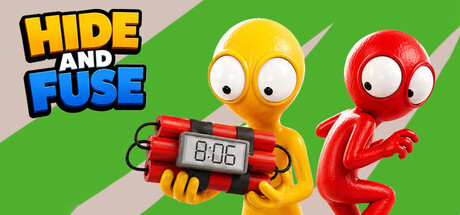 Hide and Fuse In-game content art | The posters on the walls of the in-game course were generated with AI. | HideandFuse | - | Aug 16, 2026 | |
 Winner Takes Tea In-game content artcode | Generative AI was used in the development of this game. 2D artwork (characters, familiars, cards, backgrounds, etc.) was created with image-generation AI, then curated, edited, and retouched by the developer. AI-assisted tools were also used during development (e.g., programming). No AI content is generated at runtime. BOT opponents are rule-based programs, not generative AI. | Cocoa Dice | - | Aug 16, 2026 | |
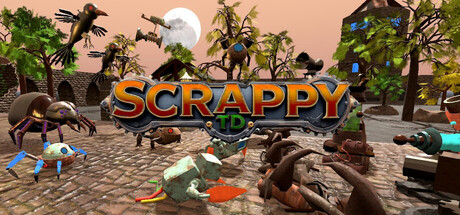 Scrappy TD In-game content art | Generative AI was used to create concept art and UI elements. | Scrappy Games | - | Aug 16, 2026 | |
 autocycle-light In-game content artaudiocode | Background music was generated with Suno. Background images and character sprites were generated with image-generation AI (Google Gemini, Pollo AI), then curated and edited by the developer. Much of the program code was written with an AI coding assistant (Claude Code) under the developer's direction and review. Game design and sound effects are the developer's own work. No content is generated by AI at runtime. | redboltz | - | Aug 16, 2026 | |
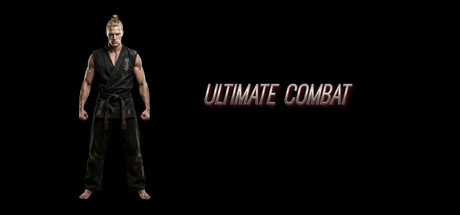 Ultimate Combat In-game content art | This game used generative AI during the development process to assist with the creation and modeling visual assets, including characters designs and environmental textures like buildings. | Black Belt Games Studio | - | Aug 16, 2026 | |
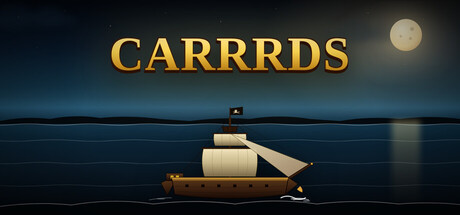 CARRRDS In-game content artcode | Art and some code generated with AI models. | Owen Collier | - | Aug 16, 2026 | |
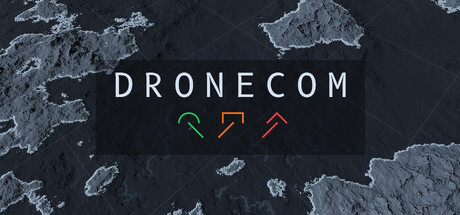 DRONECOM In-game content text | The non-English text is AI machine-translated for now (English is the only hand-written one), and it's labelled as AI in-game. If you're a native speaker and want to help fix the rough spots, there'll be an open localization repo for corrections, which ship in updates. | Big Beard Games | - | Aug 15, 2026 | |
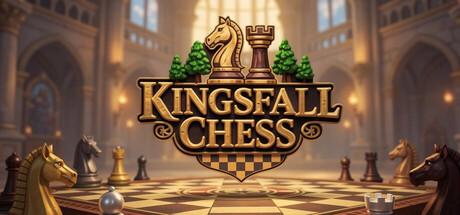 Kingsfall:Chess In-game content art | Kingsfall:Chess uses pre-generated AI-generated imagery for some visual assets within the game and promotional/store materials. Other visual assets were created by artists using traditional methods. No content is generated by AI during gameplay. | Kahuna Studios | - | Aug 15, 2026 | |
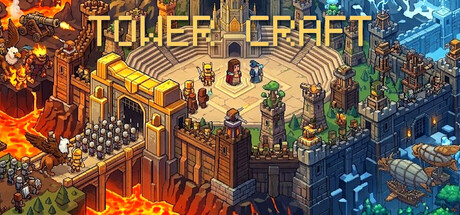 Tower Craft In-game content artaudiotext | Tower Craft was developed with AI-assisted tools. All 3D models, animations and sound effects are procedurally generated by code that was written with AI assistance; the interface translations for the game's 14 languages were produced with AI assistance and reviewed by the developer. Store page text and marketing materials were also created with AI assistance. The game does not generate any content with AI at runtime — every battle plays out through deterministic, hand-tuned game logic. | EZY Studios | - | Aug 15, 2026 | |
 Packpunk In-game content art | Icons and imagery in this game were created with the assistance of AI tools. | Glitch Squirrel | - | Aug 14, 2026 | |
 Cardrooms In-game content art | The game's character artwork was created with the assistance of generative AI. Generative AI is not used to generate content during gameplay. | DriftVale | - | Aug 14, 2026 | |
 TinSpring Soccer In-game content artaudiotext | No live AI generation is used during gameplay. TinSpring Soccer's boards, characters, textures, and sounds are produced procedurally by game code. AI tools were used under developer direction for implementation, localization, and selected store page artwork. | Gaboo Arts Entertainment | - | Aug 14, 2026 | |
 Green vs Tan In-game content artaudio | Green vs Tan was built with AI-assisted development tools under human direction. Every design decision was made and reviewed by a person.
The art you see while playing is not shipped as image files. The soldiers, vehicles, carpet and bosses are drawn procedurally by the game's own code, and the sound effects are synthesized as they play.
Some of our store and marketing artwork was AI-assisted and human-curated.
No content is generated by AI while you play, and the game never calls out to an AI service. | Corkscrew Games | - | Aug 14, 2026 | |
 The Last Color Dev only artcode | The Last Color was created with the assistance of AI-powered software in several areas of production, including technical development, early-stage ideation, visual experimentation, and selected artwork. These tools were used only as part of the development process. All content available to players is pre-made, and no artificial intelligence is used to create or modify content while the game is running. | Devmode | - | Aug 14, 2026 | |
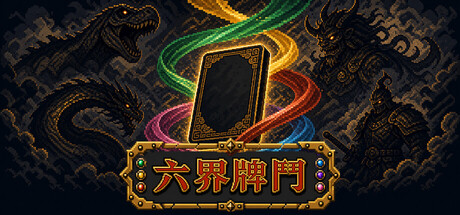 六界牌鬥 Six Realms In-game content arttext | Image assets and some localized text were created with generative AI assistance, then manually processed and reviewed by the developer. No content is generated at runtime. | 火星 MARS | - | Aug 14, 2026 | |
 Terrible Forest Management In-game content art | I used AI to help create player models | SwampMeister Games | - | Aug 14, 2026 | |
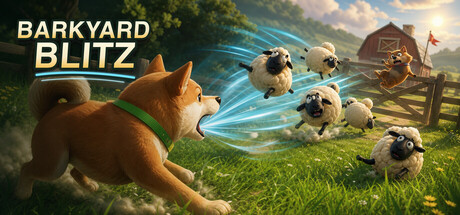 Barkyard Blitz Store/marketing textart | Generative AI tools assisted with English Steam store-page copy, and were used to create pre-generated illustrative key art for Steam store capsules, library artwork, and the store-page background. All AI-assisted outputs are reviewed, edited, integrated, and tested by the developer. The artwork is promotional and is not presented as gameplay footage; screenshots and trailers are captured from the actual game. The game does not use generative AI at runtime or generate live player-facing content. | Automata Games | - | Aug 14, 2026 | |
 Carry Bros: Find It Together In-game content art | AI-generated art object | Red Suns Tech | - | Aug 14, 2026 | |
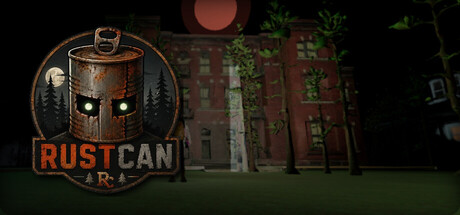 RUSTCAN Live AI text | RUSTCAN includes an optional live-generated AI guide called the Gnome. Players can ask the Gnome questions about gameplay, controls, progression, and the in-game world. The Gnome generates text responses at runtime through a server-side AI service.
Responses may be inaccurate and are provided for entertainment and gameplay guidance only. The Gnome does not provide professional, financial, medical, or legal advice.
Players access the feature after signing in, entering Hollow Pines, and selecting Ask the Gnome or speaking with the Gnome in town.
Requests require an authenticated RUSTCAN account and server-side application verification. Requests are rate-limited and monitored. Server-side input moderation blocks or flags severe illegal, exploitative, violent, self-harm, and other prohibited requests.
Generated replies are sanitized before display, and fallback responses are used when the AI service fails or produces no usable response. Players can report problems through the in-game bug/report tools. | RustCan LLC | - | Aug 14, 2026 | |
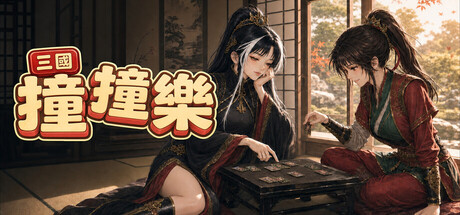 三國撞撞樂 Unclear arttext | Some visual assets, marketing materials, and/or text drafts may have been created or assisted with generative AI tools. All AI-assisted content is reviewed and edited by the developer before being included in the game or store page. | lolomouse | - | Aug 14, 2026 | |
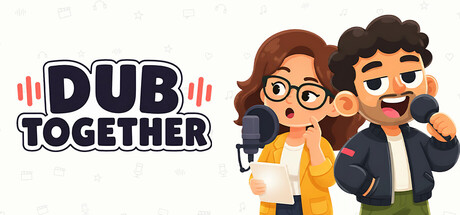 Dub Together In-game content arttext | Some of the artwork in this game was made with AI image generators and edited by hand afterwards. This covers the two player characters, the logo, the menu icons and the curtain texture. The English interface texts were written with the help of a language model and reviewed afterwards. The German texts are written by hand.
The bundled Pack Creator uses a speech recognition model to find the spoken parts of a video you supply yourself and turn them into the lines you read out. An AI noise filter for your microphone recordings and AI-based separation of speech and background audio work the same way. All of this runs locally on your own machine and never sends data to an external service. These models only process material you provide yourself, they do not invent content of their own, and the result stays inside your own lobby. | Banani | - | Aug 14, 2026 | |
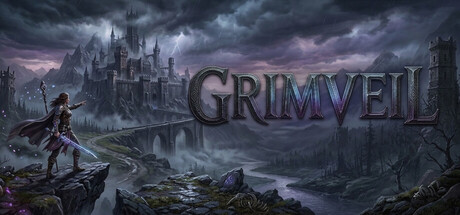 Grimveil In-game content arttext | Some game assets, cover photos, and dialog are created using generative AI. | Adaptive IT Solutions | - | Aug 14, 2026 | |
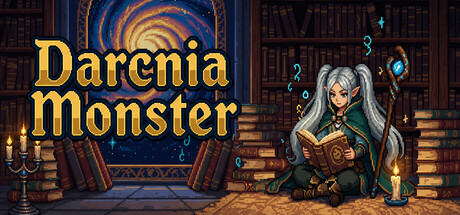 Darcnia Monster In-game content artaudio | Darcnia Monster is made by a single independent developer. Some of the game's visual assets — background illustrations, cinematic scenes, and character and card artwork — were created with the help of generative AI image tools, and the in-game character voices were produced using AI voice synthesis. Every AI-assisted asset was hand-selected, edited, and integrated by the developer to match the game's art direction and story. No AI runs while you play: nothing is generated in real time, and no player data is ever sent to any AI service. | Labo Pixel | - | Aug 14, 2026 | |
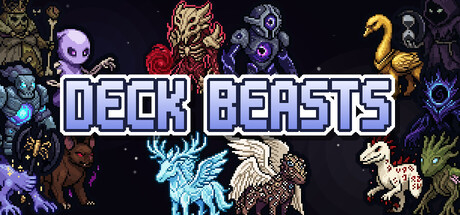 Deck Beasts Dev only artcode | Artificial Intelligence used to generate placeholder assets for card art and in code modification. | Constellation Studios | - | Aug 14, 2026 | |
 FURKUP In-game content art | Generative AI was used during development to create some of the artwork included in the game, including character illustrations and themed visual assets. All AI-assisted content was selected and reviewed by the developer. The game does not generate AI content during gameplay. | mayoaji | - | Aug 14, 2026 | |
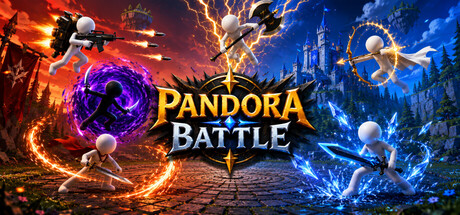 Pandora Battle In-game content art | Generative AI tools were used to assist with creating some pre-generated images and icons used in the game. | WIGWAG Studio | - | Aug 14, 2026 | |
 FAVOR In-game content art | Some of the artwork in FAVOR — including character board illustrations, card art and cover art — was created with the help of generative AI image tools, then curated, edited and assembled by our team for the printed 1st Edition of the game and this digital adaptation. No content is generated live during gameplay: every card, board and illustration is a fixed, pre-made asset that ships with the game. | Corkscrew Games | - | Aug 14, 2026 | |
 World War II Auto Battler In-game content artaudiotext | Generative AI tools were used in the creation of certain art assets, audio materials and descriptive text during game development. All AI-generated content has been manually reviewed, edited and integrated by the developer. No new content is dynamically generated by AI while the game is running. | Three Sevens 21 | - | Aug 14, 2026 | |
 Friends of Duty Store/marketing art | This game used AI to generate its logo and publishing material. | 14MB | - | Aug 14, 2026 | |
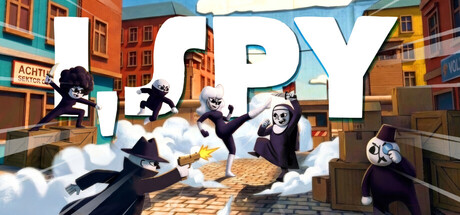 I, Spy In-game content artaudiotext | Artwork, Music, Voice Acting, Environment | Oni Games | - | Aug 14, 2026 | |
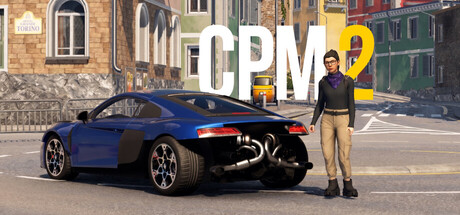 CPM 2 In-game content artaudiotext | In game development, artificial intelligence is used solely as a supporting tool. We employ neural networks to enhance and refine 2D art (loading screens and promo banners) created using our in-game screenshots, after which they undergo manual color correction and artifact removal. AI also assists us with translating in-game text and generating the announcer's voice for racing modes. All key game elements, including 3D car models, tuning, and the open world, are created entirely by hand by our team. | OGames | - | Aug 14, 2026 | |
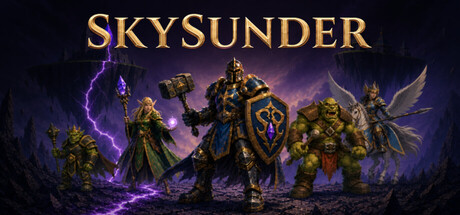 Skysunder In-game content art | AI was used to generate art assets. | Lilly Games | - | Aug 13, 2026 | |
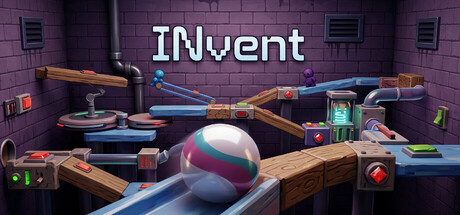 INvent In-game content art | Generative AI was used to assist in creating some visual assets for the game's store page and promotional materials. All gameplay mechanics, programming, level design, story, and final game implementation were created by the developer. | Xuanyu Lu | - | Aug 13, 2026 | |
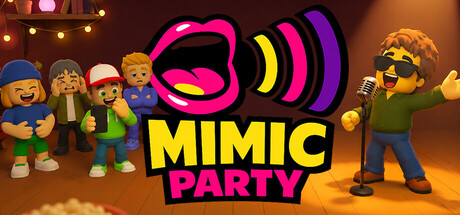 Mimic Party In-game content artaudio | Some of the game's 2D illustration assets and sound reference material were
created with the help of AI tools during development, then reviewed,
edited and validated by hand before shipping.
No content is generated at runtime. | FoliesAPP | - | Aug 13, 2026 | |
 One Of You In-game content artaudio | Some sound effects and decorative artwork in this game were created using generative AI tools. The game's design, mechanics, level structure, and written content were created by the developer. AI-generated content is limited to supporting assets only. | NarkiArchitect | - | Aug 13, 2026 | |
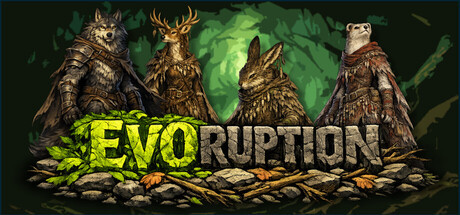 Evoruption In-game content art | Evoruption uses generative AI to create its 2D artwork. All artwork is selected, refined, and integrated into the game by the developer. | Arctic Moose Games | - | Aug 13, 2026 |


