Public Steam disclosure research25,376 disclosures tracked
Where do games disclose AI use?
Search developers’ Steam disclosures, compare classified AI use across
games, and follow recorded changes.
This index adds cross-game classifications and statistics to
statements published on individual store pages.
Groups reflect automatic analysis of public disclosures; mature records are excluded. These counts do not measure AI use across all of Steam.
Missing or unclear statements cannot establish whether a game uses AI.
Some of the art in Planet Pilot was made with generative AI tools during development, then selected, edited and fitted into the game by the developer. This covers the store and key art, many 2D illustrations (mission briefing, Legends, ace, medal and loading pictures, hangar plane pictures, emblems and some painted ground textures), the picture thumbnails in the landmarks list, and the high-detail 3D models of more than 40 landmarks. The game's translations were made with AI tools and reviewed by the developer. In the trailers, the opening 30 seconds of the cinematic trailer and the trailer music and sound effects were made with AI tools. The world, aircraft, flight model and gameplay were built by the developer. Nothing in the game is generated by AI while you play.
Luckforge was made with the help of generative AI tools, selected and directed by the developer. The title-screen and battle backdrops were generated from our own layout briefs and screenshots, then converted to the game's pixel grid and colour palette. The pixel sprites, in-game text, translations and store text were created with AI assistance. Some promotional materials use AI-generated art or music. Nothing is generated by AI while you play.
Some 2D artwork in the game, such as backgrounds, decoration items and illustrations, was made with the help of generative AI image tools and then edited and adjusted by the developer. Some in-game text translations were also produced with AI assistance. All sound and music are created by the game’s own code. No content is generated by AI while you play.
Generative AI tools were used during development to assist in the creation of some pre-generated visual assets and promotional materials. All AI-assisted content is reviewed, selected, and integrated by the development team. The game does not use generative AI to create content during gameplay.
AI tools were used during development to assist with writing and translating French and English text, creating branding artwork (including the logo, icon and splash screen), and producing some music. Promotional artwork and the voice-over in our gameplay overview videos also use AI-generated content. These assets were prepared in advance and integrated by the developers. The game does not generate AI content during gameplay.
The music was created with Suno and the logo lettering with an AI image tool (DeeVid); both were edited and are fixed assets in the game. The tutorial voice is text-to-speech. Nothing is generated while the game runs.
AI tools helped during development with the concept mocks, UI layout drafts and the store artwork. All of it was directed, chosen and refined by the developer. The in-game sprites, characters, levels and game design are mixed of AI tools generated, others were hand-made or from licensed asset packs. Some code was written with an AI coding assistant and then reviewed and tested by the developer.
Generative AI tools were used to create music and visual artwork, including store and promotional images. These assets were generated before release and selected by the developer. No AI content is generated during gameplay.
Artwork: cards, lobby illustrations and achievement icons were pregenerated with AI image tools and rewritten by hand. The visual style was reviewed and rewritten artist.
Text: The German and Italian localizations were made with AI translation.
Cheese Racers is designed, directed and reviewed by a solo developer and built with an AI assistant, which wrote the code and drafted much of the text. The visuals (maps, cheese skins, crates) are drawn by that code as the game runs, not by AI image generators. No AI-generated music or voices, and nothing is generated by AI while you play.
The built-in starter question packs were drafted with AI assistance, then fact-checked and edited by the developer. Store page and interface text were also drafted with AI help and reviewed. No content is generated by AI while you play.
Generative AI tools were used during development to help create code, 2D art and text, including draft translations. The developer directed, selected and assembled all of it into the game.
No generative AI runs while you play. Meridian, your companion, is scripted rather than a chatbot, and the game sends nothing to AI services. Planets come from the game's own procedural generator, not an AI model.
Generative AI tools were used to help create some visual assets, animated effects, text and translations in the game and its store materials. These assets were prepared in advance and integrated by the developer. The game does not generate AI content during gameplay. Generative AI was also used to create some music and sound effects for the trailers.
Generative AI was used during development to assist with the creation and refinement of some visual assets, marketing materials and localizations. No content is generated by AI during gameplay.
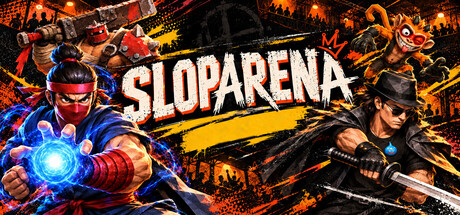
SlopArena is a non-profit open source game created by a solo developer. AI was used extensively during development for various tasks such as research, brainstorming, planning, coding, analysing. Some assets were bought, some were generated to reduce costs. Generated assets are seen as placeholder, especially character models.
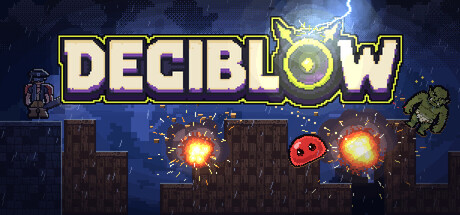
DECIBLOW utilized generative AI for a few small things like localization & partial involvement in some of the music to speed up production (heavy human involvement at a DAW level).
An AI-generated sketch is used as a starting point. Everything else is made by a human: every shipped image is redrawn and retouched by hand, and the code, game design and texts are written by the developer.
All card artwork, graphics and game design were created by the developer. AI tools were used to translate the in-game text and the store page into Spanish, French, German, Portuguese (Brazil). The trailer, GIFs and store capsules were edited with AI assistance, using only the developer's own artwork and real gameplay footage. The game does not generate any content with AI while it is running. Singleplayer opponents are traditional rule-based bots, not generative AI.
Generative AI tools were used during development to create background artwork, images, music, and translations. These are pre-generated assets. No AI content is generated during gameplay.
AI-assisted tools were used during development for programming, debugging, shader work and some store-page text. All output was reviewed and integrated by the developer. No live-generated AI content is used in gameplay.
I use generative AI throughout the development of Brassleaf Tactics, including programming, game design, artwork and store-page content. The game includes AI-generated artwork. I set the creative direction, decide what goes into the game, and make the final design decisions, shaping the experience through playtesting, balancing and ongoing refinement.
Generative AI is used during development only; no AI-generated content is created while you play.
Some visual assets in this game, including certain 3D models, textures, UI elements, icons, and character portraits, as well as background music and some sound effects, were created in advance with the help of generative AI tools. The developer reviewed and integrated the AI-generated assets. Some music and UI, victory, and defeat sound effects were generated with Google Gemini; other sound effects use third-party recordings or procedural synthesis. The game does not use generative AI at runtime, generate content while you play, or connect to AI services.
Generative AI tools were used to help create promotional artwork and store page images for VoxelCraft. AI is not used to generate in-game content, code, or gameplay at runtime.
Generative AI was used to assist with localization of in-game text from English to Spanish, French, German, Japanese, Korean, Simplified Chinese, Portuguese, and Russian.
Generative tools were used as part of the visual and audio development process. Final assets were reviewed, selected, edited, and refined by human developers before being implemented in the game.
Runemoor was made by a small independent team with the help of generative AI tools. Every AI output was directed, reviewed, edited and integrated by the developer, and checked to keep all designs original. No AI content is generated while you play.
- 3D characters: the champion models, their weapons and props were generated with Meshy (image-to-3D), including its auto-rigging and animation clips, then cleaned up and integrated by hand and with our own scripts.
- 2D art: concept art, key art and store artwork, the logo and app icon, UI artwork and backgrounds, item and spell icons, and material and terrain textures were generated with an OpenAI image model, then selected, post-processed and composited.
- Environment: the map, buildings, rocks and plants are built by our own procedural modeling scripts (no AI model generates the geometry) and use the AI-generated textures listed above.
- Voice: the match announcer voice lines are AI-generated speech (Google Gemini text-to-speech).
- Music (trailer): the music of the store trailer was generated with Google Lyria and carries Google's inaudible SynthID watermark. The in-game music is not AI-generated: it is synthesized procedurally by our own audio code.
- Sound effects and ambience: not AI-generated. They are synthesized procedurally by our own audio code.
Generative AI was used during development to assist with the creation and refinement of selected visual assets and promotional artwork. All AI-assisted content was reviewed and edited by the development team before being included in the game or store materials. The game does not use generative AI to create content during gameplay.
We used AI tools to assist with parts of development: writing some of the game code, changing the colors of existing 2D textures, and localizing the game's text into other languages. All AI-assisted results were reviewed and edited by our team.
Generative AI tools were used during development to create pre-rendered visual assets, UI elements, and marketing materials. All generated assets were reviewed, finalized, and statically integrated into the game build prior to release. No content is generated in real-time or dynamically during gameplay.
Table Night has an optional AI LLM game master: if the host turns it on with their own AI account, a language model narrates the match and judges what players write, while the game rolls the dice and decides every result. The AI is instructed to keep everything suitable for teens. Players' text is sent to the host's AI provider, and any table can be played with a human game master or none instead.
Kepler Ascent was made by an independent developer with the help of generative AI tools. AI was used to write part of the game's text (story and AURA's lines), to compose the music and create AURA's synthesized voice, to build some 3D models and cinematic sets (generated through scripts), and to produce the logo and artwork of this store page (rendered from the game's own models). All of this content was created ahead of time and reviewed by the developer. Nothing is generated by AI while you play.
Some pre-generated artwork was created with the help of generative AI tools and then edited by the developer, including store and marketing images and some loading-screen art. No AI content is generated live while you play, and the game does not connect to any AI service.
Some content in this game and its store materials was created with the help of generative AI:
- Sound effects and background music were generated with Stable Audio (Stability AI) and edited by the developer.
- The trailer narration was generated with ElevenLabs.
- The store capsule artwork was created with Google's image-generation AI (Nano Banana) and finished by hand.
Cat vocalizations (meows, purrs, hisses) are real recordings, not AI-generated. The game does not generate any content with AI during gameplay.
The game's sound effects were created with AI audio-generation tools during development, then selected and level-matched by the developer. Nothing is generated by AI while you play.
This game contains pre-generated content only: no AI generates content during gameplay. The game's translations (English, German, Italian, Spanish) and the store page texts were produced with the help of AI tools, then reviewed. All in-game visuals are rendered from the game's own 3D models.
Generative AI tools were used during development to assist with some UI artwork. The game does not generate new content using generative AI during gameplay.
-AI was used in limited capacity during development to assist with lighting effects and animation assets. These outputs were reviewed, edited, and integrated by the development team. AI is not used to generate content dynamically during gameplay, and the game does not use live AI systems to create images, audio, text, animations, or other player-facing content.
Generative AI was used during development to assist with artwork and localization, including some store and promotional materials. The game does not generate AI content during gameplay or connect to external AI services.
Except for gameplay design and some sound effects and art assets, the game’s code, 3D models, localization text, and other content were generated by GPT during development. Development was carried out through direct conversations with the 6.0-Astra and 6.1sol large language models, without predefined workflows or external Skills. The 3D models were created from written descriptions and reference images, with GPT writing and executing Blender scripts.
All such content was created during development. The game does not use generative AI to create content in real time during gameplay.
In the future, we may use newer large language models to further improve the game’s art quality and visual presentation, while comparing how different large language models perform in game development.
The store texts and parts of the game's content, such as text and some 3D models, were made with the help of generative AI and then reviewed and edited by the developer. Nothing is generated by AI while you play.
Some pre-made assets were created with the help of generative AI tools and then selected and edited by the developers: power-up card illustrations, achievement icons, store and key art, and some 3D chess piece models for cosmetic sets. The game does not generate any AI content while you play.
Some pre-rendered 2D artwork and textures, including promotional artwork, were created with generative AI and reviewed and edited by the developer. The game does not generate AI content during play.
ENROQUIA uses generative AI for pre-made content included in the game; nothing is generated during play and the game does not connect to any AI service. Made with AI: the voice of James, the coach (an original synthetic voice that does not imitate any real person), the music, the club entrance video, the 3D props and textures, the paintings on the club walls, the character designs (the 20 opponents and James), the in-game text and its translations into 12 languages, and the promotional material. The chess engine and its analysis are the game's own, with no AI models, and James's comments on your games are chosen during play based on that analysis.
Some of the art in Planet Pilot was made with generative AI tools during development, then selected, edited and fitted into the game by the developer. This covers the store and key art, many 2D illustrations (mission briefing, Legends, ace, medal and loading pictures, hangar plane pictures, emblems and some painted ground textures), the picture thumbnails in the landmarks list, and the high-detail 3D models of more than 40 landmarks. The game's translations were made with AI tools and reviewed by the developer. In the trailers, the opening 30 seconds of the cinematic trailer and the trailer music and sound effects were made with AI tools. The world, aircraft, flight model and gameplay were built by the developer. Nothing in the game is generated by AI while you play.
Luckforge was made with the help of generative AI tools, selected and directed by the developer. The title-screen and battle backdrops were generated from our own layout briefs and screenshots, then converted to the game's pixel grid and colour palette. The pixel sprites, in-game text, translations and store text were created with AI assistance. Some promotional materials use AI-generated art or music. Nothing is generated by AI while you play.
Some 2D artwork in the game, such as backgrounds, decoration items and illustrations, was made with the help of generative AI image tools and then edited and adjusted by the developer. Some in-game text translations were also produced with AI assistance. All sound and music are created by the game’s own code. No content is generated by AI while you play.
Generative AI tools were used during development to assist in the creation of some pre-generated visual assets and promotional materials. All AI-assisted content is reviewed, selected, and integrated by the development team. The game does not use generative AI to create content during gameplay.
AI tools were used during development to assist with writing and translating French and English text, creating branding artwork (including the logo, icon and splash screen), and producing some music. Promotional artwork and the voice-over in our gameplay overview videos also use AI-generated content. These assets were prepared in advance and integrated by the developers. The game does not generate AI content during gameplay.
The music was created with Suno and the logo lettering with an AI image tool (DeeVid); both were edited and are fixed assets in the game. The tutorial voice is text-to-speech. Nothing is generated while the game runs.
AI tools helped during development with the concept mocks, UI layout drafts and the store artwork. All of it was directed, chosen and refined by the developer. The in-game sprites, characters, levels and game design are mixed of AI tools generated, others were hand-made or from licensed asset packs. Some code was written with an AI coding assistant and then reviewed and tested by the developer.
Generative AI tools were used to create music and visual artwork, including store and promotional images. These assets were generated before release and selected by the developer. No AI content is generated during gameplay.
Artwork: cards, lobby illustrations and achievement icons were pregenerated with AI image tools and rewritten by hand. The visual style was reviewed and rewritten artist.
Text: The German and Italian localizations were made with AI translation.
Cheese Racers is designed, directed and reviewed by a solo developer and built with an AI assistant, which wrote the code and drafted much of the text. The visuals (maps, cheese skins, crates) are drawn by that code as the game runs, not by AI image generators. No AI-generated music or voices, and nothing is generated by AI while you play.
The built-in starter question packs were drafted with AI assistance, then fact-checked and edited by the developer. Store page and interface text were also drafted with AI help and reviewed. No content is generated by AI while you play.
Generative AI tools were used during development to help create code, 2D art and text, including draft translations. The developer directed, selected and assembled all of it into the game.
No generative AI runs while you play. Meridian, your companion, is scripted rather than a chatbot, and the game sends nothing to AI services. Planets come from the game's own procedural generator, not an AI model.
Generative AI tools were used to help create some visual assets, animated effects, text and translations in the game and its store materials. These assets were prepared in advance and integrated by the developer. The game does not generate AI content during gameplay. Generative AI was also used to create some music and sound effects for the trailers.
Generative AI was used during development to assist with the creation and refinement of some visual assets, marketing materials and localizations. No content is generated by AI during gameplay.
SlopArena is a non-profit open source game created by a solo developer. AI was used extensively during development for various tasks such as research, brainstorming, planning, coding, analysing. Some assets were bought, some were generated to reduce costs. Generated assets are seen as placeholder, especially character models.
DECIBLOW utilized generative AI for a few small things like localization & partial involvement in some of the music to speed up production (heavy human involvement at a DAW level).
An AI-generated sketch is used as a starting point. Everything else is made by a human: every shipped image is redrawn and retouched by hand, and the code, game design and texts are written by the developer.
All card artwork, graphics and game design were created by the developer. AI tools were used to translate the in-game text and the store page into Spanish, French, German, Portuguese (Brazil). The trailer, GIFs and store capsules were edited with AI assistance, using only the developer's own artwork and real gameplay footage. The game does not generate any content with AI while it is running. Singleplayer opponents are traditional rule-based bots, not generative AI.
Generative AI tools were used during development to create background artwork, images, music, and translations. These are pre-generated assets. No AI content is generated during gameplay.
AI-assisted tools were used during development for programming, debugging, shader work and some store-page text. All output was reviewed and integrated by the developer. No live-generated AI content is used in gameplay.
I use generative AI throughout the development of Brassleaf Tactics, including programming, game design, artwork and store-page content. The game includes AI-generated artwork. I set the creative direction, decide what goes into the game, and make the final design decisions, shaping the experience through playtesting, balancing and ongoing refinement.
Generative AI is used during development only; no AI-generated content is created while you play.
Some visual assets in this game, including certain 3D models, textures, UI elements, icons, and character portraits, as well as background music and some sound effects, were created in advance with the help of generative AI tools. The developer reviewed and integrated the AI-generated assets. Some music and UI, victory, and defeat sound effects were generated with Google Gemini; other sound effects use third-party recordings or procedural synthesis. The game does not use generative AI at runtime, generate content while you play, or connect to AI services.
Generative AI tools were used to help create promotional artwork and store page images for VoxelCraft. AI is not used to generate in-game content, code, or gameplay at runtime.
Generative AI was used to assist with localization of in-game text from English to Spanish, French, German, Japanese, Korean, Simplified Chinese, Portuguese, and Russian.
Generative tools were used as part of the visual and audio development process. Final assets were reviewed, selected, edited, and refined by human developers before being implemented in the game.
Runemoor was made by a small independent team with the help of generative AI tools. Every AI output was directed, reviewed, edited and integrated by the developer, and checked to keep all designs original. No AI content is generated while you play.
- 3D characters: the champion models, their weapons and props were generated with Meshy (image-to-3D), including its auto-rigging and animation clips, then cleaned up and integrated by hand and with our own scripts.
- 2D art: concept art, key art and store artwork, the logo and app icon, UI artwork and backgrounds, item and spell icons, and material and terrain textures were generated with an OpenAI image model, then selected, post-processed and composited.
- Environment: the map, buildings, rocks and plants are built by our own procedural modeling scripts (no AI model generates the geometry) and use the AI-generated textures listed above.
- Voice: the match announcer voice lines are AI-generated speech (Google Gemini text-to-speech).
- Music (trailer): the music of the store trailer was generated with Google Lyria and carries Google's inaudible SynthID watermark. The in-game music is not AI-generated: it is synthesized procedurally by our own audio code.
- Sound effects and ambience: not AI-generated. They are synthesized procedurally by our own audio code.
Generative AI was used during development to assist with the creation and refinement of selected visual assets and promotional artwork. All AI-assisted content was reviewed and edited by the development team before being included in the game or store materials. The game does not use generative AI to create content during gameplay.
We used AI tools to assist with parts of development: writing some of the game code, changing the colors of existing 2D textures, and localizing the game's text into other languages. All AI-assisted results were reviewed and edited by our team.
Generative AI tools were used during development to create pre-rendered visual assets, UI elements, and marketing materials. All generated assets were reviewed, finalized, and statically integrated into the game build prior to release. No content is generated in real-time or dynamically during gameplay.
Table Night has an optional AI LLM game master: if the host turns it on with their own AI account, a language model narrates the match and judges what players write, while the game rolls the dice and decides every result. The AI is instructed to keep everything suitable for teens. Players' text is sent to the host's AI provider, and any table can be played with a human game master or none instead.
Kepler Ascent was made by an independent developer with the help of generative AI tools. AI was used to write part of the game's text (story and AURA's lines), to compose the music and create AURA's synthesized voice, to build some 3D models and cinematic sets (generated through scripts), and to produce the logo and artwork of this store page (rendered from the game's own models). All of this content was created ahead of time and reviewed by the developer. Nothing is generated by AI while you play.
Some pre-generated artwork was created with the help of generative AI tools and then edited by the developer, including store and marketing images and some loading-screen art. No AI content is generated live while you play, and the game does not connect to any AI service.
Some content in this game and its store materials was created with the help of generative AI:
- Sound effects and background music were generated with Stable Audio (Stability AI) and edited by the developer.
- The trailer narration was generated with ElevenLabs.
- The store capsule artwork was created with Google's image-generation AI (Nano Banana) and finished by hand.
Cat vocalizations (meows, purrs, hisses) are real recordings, not AI-generated. The game does not generate any content with AI during gameplay.
The game's sound effects were created with AI audio-generation tools during development, then selected and level-matched by the developer. Nothing is generated by AI while you play.
This game contains pre-generated content only: no AI generates content during gameplay. The game's translations (English, German, Italian, Spanish) and the store page texts were produced with the help of AI tools, then reviewed. All in-game visuals are rendered from the game's own 3D models.
Generative AI tools were used during development to assist with some UI artwork. The game does not generate new content using generative AI during gameplay.
-AI was used in limited capacity during development to assist with lighting effects and animation assets. These outputs were reviewed, edited, and integrated by the development team. AI is not used to generate content dynamically during gameplay, and the game does not use live AI systems to create images, audio, text, animations, or other player-facing content.
Generative AI was used during development to assist with artwork and localization, including some store and promotional materials. The game does not generate AI content during gameplay or connect to external AI services.
Except for gameplay design and some sound effects and art assets, the game’s code, 3D models, localization text, and other content were generated by GPT during development. Development was carried out through direct conversations with the 6.0-Astra and 6.1sol large language models, without predefined workflows or external Skills. The 3D models were created from written descriptions and reference images, with GPT writing and executing Blender scripts.
All such content was created during development. The game does not use generative AI to create content in real time during gameplay.
In the future, we may use newer large language models to further improve the game’s art quality and visual presentation, while comparing how different large language models perform in game development.
The store texts and parts of the game's content, such as text and some 3D models, were made with the help of generative AI and then reviewed and edited by the developer. Nothing is generated by AI while you play.
Some pre-made assets were created with the help of generative AI tools and then selected and edited by the developers: power-up card illustrations, achievement icons, store and key art, and some 3D chess piece models for cosmetic sets. The game does not generate any AI content while you play.
Some pre-rendered 2D artwork and textures, including promotional artwork, were created with generative AI and reviewed and edited by the developer. The game does not generate AI content during play.
ENROQUIA uses generative AI for pre-made content included in the game; nothing is generated during play and the game does not connect to any AI service. Made with AI: the voice of James, the coach (an original synthetic voice that does not imitate any real person), the music, the club entrance video, the 3D props and textures, the paintings on the club walls, the character designs (the 20 opponents and James), the in-game text and its translations into 12 languages, and the promotional material. The chess engine and its analysis are the game's own, with no AI models, and James's comments on your games are chosen during play based on that analysis.