Public Steam disclosure research25,383 disclosures tracked
Where do games disclose AI use?
Search developers’ Steam disclosures, compare classified AI use across
games, and follow recorded changes.
This index adds cross-game classifications and statistics to
statements published on individual store pages.
Groups reflect automatic analysis of public disclosures; mature records are excluded. These counts do not measure AI use across all of Steam.
Missing or unclear statements cannot establish whether a game uses AI.
All 2D artwork in this game (characters, monsters, environments, icons) and the store/marketing images were pre-generated using AI image tools, then curated, edited, and integrated by the developer. Music was pre-generated with AI music tools; sound effects were pre-generated locally with an open-source AI audio model. Localization into some languages was produced with AI assistance and reviewed by the developer. The game does not generate any content with AI at runtime — all AI-generated content is pre-rendered and ships as fixed assets.
Some pre-rendered assets were created with generative AI tools and then curated, edited and integrated by hand: music tracks and their cover art, some sound effects and portions of 2d artwork (weapon, prop, and enemy sprites.) All generated content was reviewed by the developer before inclusion. No content is AI-generated at runtime.
AI (WAN 2.2) was used to help generate idle animation frames from 100% original, human-made art. All animations were reviewed and curated by the developer before being included in the game.
AI was used to assist with writing the game source code.
All visual assets are handmade pixel art by the author.
All audio assets are licensed from 3rd party sample banks.
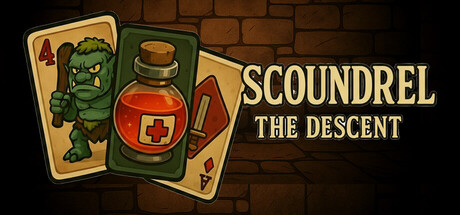
Some of the artwork in Scoundrel: The Descent, including the illustrated card art and background images, was created with the help of generative AI tools and then reviewed and edited by hand. No AI-generated content is produced while you play. If you would rather not see it, Settings includes a "No AI art" option that hides the card illustrations and shows only suit, rank, and frame.
Our work incorporates commissioned artwork, licensed and publicly available assets, and AI-generated content. Regardless of the source materials used, the final product is the creative expression of our development team.
Generative AI was used during development as a coding assistant and to assist with drafting and translating store-page and marketing text. Some pixel-art assets were rendered by deterministic drawing code written with AI assistance; the final images were not directly output by a text-to-image or diffusion model. All shipped and published content was reviewed and edited by the developer. No generative AI runs in the game, and no content is generated from player input.
Pixel art assets (characters, monsters, bosses, projectiles, spirits, tiles) were created with PixelLab, an AI pixel-art tool, and then edited by hand to fit the game. No AI is used at runtime. All code, game design, sound effects and music are human-authored (audio is synthesized in code).
Generative AI tools were used during development to assist with the creation of some visual and audio assets. All AI-assisted content was substantially edited by the developers and paid artists.
Some artwork and visual assets in this game were created with the assistance of generative AI tools during development. All such content was reviewed, edited, and integrated into the game by the developer.
This game uses AI-generated imagery. Character portraits, backgrounds, card illustrations, and UI assets were created with generative AI image tools, then reviewed, edited to fit the game's art direction. Store page capsules use the same artwork.
Writing, game design, code, and systems are authored by a human developer. Nothing is generated while the game is running.
This game uses generative AI tools in the creation of some of its pre-rendered content, including parts of its artwork and store page assets. All AI-assisted material was reviewed, edited, and approved by the development team before being included in the final product. No content is generated by AI during gameplay, and the game does not connect to any external AI service while running.
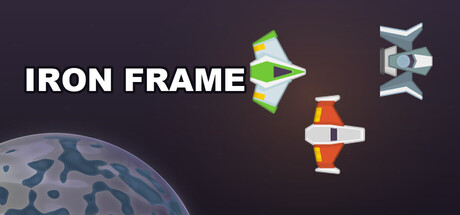
All art, sound and music in Iron Frame are human-made. The sprites and sound
effects are CC0 assets by Kenney, the music is CC0 work by nene, and the store
capsules are composed from those same sprites — nothing you see or hear was
generated by AI.
Generative AI was used as a writing assistant for some in-game text: weapon,
frame and enemy names and their one-line descriptions, and this store page.
Everything was reviewed and edited by the developer, and no content is generated
while you play.
Some pre-generated visual and audio assets used in TOWERPULSE were created with the assistance of generative AI tools during development. These assets were selected, edited, and integrated by the developer.
TOWERPULSE does not use generative AI at runtime. No player prompts, gameplay content, dialogue, or other assets are generated live while the game is running.
During development, generative tools were used for selected textures and supporting visual elements in the game and store artwork. These assets were reviewed and integrated by the developer. All content is fixed in the shipped game; nothing is generated during gameplay.
AI was only used to generate minimal resources to support ball and chalk design.
All AI-assisted content has been reviewed, and the final assets were manually drawn and retouched to fit the game's artistic style and atmosphere.
This game used generative AI tools during development to assist with a limited portion of visual and audio asset creation. All AI-assisted content was reviewed and curated by the developer before release. No AI content is generated live during gameplay.
Some of this game's art and audio assets were created using generative AI tools, from the studio's own prompts and under our tool licenses, then curated and edited by the team. All game code and text were written by hand.
Some of this game's pre-generated assets were created by Meridian Studios using generative AI tools, from our own prompts and under our licenses: 2D art (illustrations, backgrounds, character and enemy tokens, icons, and store art) generated with FLUX via the Replicate API, and a portion of the sound effects generated with ElevenLabs. All AI-assisted assets were reviewed, curated, and integrated by the studio. No AI-generated content is produced live during gameplay, and no player data is sent to any AI service.
All shipped assets are first-party or CC0/OFL-licensed human-made packs. Some 3D
meshes (enemy armor fused onto CC0 base rigs, the drone, weapon models) and the
entire soundtrack are produced by deterministic, first-party procedural build
scripts; those scripts were written with the help of an AI code assistant. No
image-, audio- or voice-generation model produced any shipped asset. The game's
written text — squad comms, item and mission descriptions, narrative screens —
and this store page's copy were drafted with AI assistance under developer
direction, then reviewed and edited by the developer. The game contains no
runtime or live AI generation.
Generative AI tools were used as part of the content creation process for this game:
- Visual assets — some item, charm and UI sprites were generated with AI assistance and used as a base, then reviewed, reworked and finalized by the team before being integrated into the game
- Store page artwork — AI image generation was used as a starting point, then reworked, recolored and finalized by the team to match the game's pixel art style
A large part of the game's code was written with the help of AI coding assistants.
All content was reviewed and approved by the team before shipping.
Music and lyrics written by Richard Robledo. Music composed by hand in LMMS digital audio workstation, and orchestrated into larger pieces with Suno AI. Pixel art depictions of authors generated by Nano Banana 2.
Generative AI tools were used during development to assist with programming and in the creation of certain pre-generated game assets. All AI-assisted content was reviewed, selected, edited when necessary, and manually integrated by the developer. No AI-generated content is produced in real time during gameplay.
Generative AI was used during development to create the game’s pre-generated 2D visual assets, including card illustrations, backgrounds, UI decorative elements, and Steam marketing materials. It was also used to assist with portions of the store text and localization. All AI-assisted content was selected, edited, and reviewed by the developer before publication. The game does not use generative AI to generate content at runtime.
Some of the content in TOWER TOWER was created with the help of generative AI tools. This applies to parts of the pixel art and the in-game music and sound effects, to the store page text and its translations, and to promotional materials such as the trailer and the capsule images. All AI-assisted content was reviewed and edited by the developer before being used. The game does not generate anything with AI while it is running — everything you see and hear in the game is finalized in advance.
Parts of this game's content were created with generative AI tools:
- 3D models and their textures (towers, enemies, terrain and scenery props) were generated with Meshy AI, then hand-adjusted and assembled by the developer.
- The English localization was AI-translated from the original Chinese text and then reviewed by the developer.
- Some in-game flavor text (event, relic and achievement descriptions) was drafted with an AI writing assistant.
- Some store page and marketing artwork was produced with AI image tools.
All of this content is generated ahead of time and ships as fixed assets. The game does not generate any content live during play and does not connect to any AI service at runtime. Sound effects and music are procedurally synthesized by our own scripts and are not AI-generated.
All assets in this game — art, music, and text — were created by humans. During development, generative AI tools were used for coding assistance and debugging. All resulting code was reviewed and approved by a human developer before inclusion.
Some art assets, localized text, and store marketing materials were created with the assistance of generative AI during development, then reviewed, edited, and integrated by the developer. The game does not use generative AI to create content during gameplay.
Store page and marketing artwork (capsule images, library assets)
were created with the assistance of generative AI image tools.
Some in-game art assets were also produced with AI assistance.
All generated content was reviewed, edited, and finalized by
the developer.
I used generative AI in the process of creating most art/visual assets in Trouble Shooters, with touch ups made after generation. Music and sound effects were either composed without the use of generative AI or sourced from sound libraries that predate generative AI workflows. Nothing is generated on-the-fly.
Some store copy, localization, and in-game Field Guide text were drafted with generative AI and then edited. No AI content is generated live in the game. Character/environment art and audio are not AI-generated unless noted.
Generative AI tools were used during development to assist in creating and refining some pre-generated 2D artwork and Steam store marketing assets. All AI-assisted content was reviewed and edited by the development team. The game does not generate AI content during gameplay.
Generative AI was used as an auxiliary tool during development and to make minor edits and compositions to graphical assets, including logos. No generative AI is used to generate content dynamically during gameplay.
The 2D art in this game — character and enemy sprites, weapon and UI icons, visual effects, tilesets, the title screen, and the store artwork — was produced with the help of generative AI image tools. Every asset was then processed by hand for the game: sliced, colour-keyed, scaled with nearest-neighbour, and assembled into sprite sheets by the developer.
All audio is synthesised procedurally by the developer's own scripts — it is not AI generated. The game's code and design are written by the developer.
Nothing is generated by AI while you play. All content ships with the game and never changes.
Some images and translations used in the game and its marketing materials were created or assisted using generative AI tools only when necessary. The majority of the assets were created by human artists and contributors. All AI-assisted content was reviewed and integrated by the development team before inclusion.
Generative AI was used during development to create initial visual concepts and source imagery. These images were then substantially edited, redrawn, and altered by the developer before being included in the final game.
All 2D artwork in this game (characters, monsters, environments, icons) and the store/marketing images were pre-generated using AI image tools, then curated, edited, and integrated by the developer. Music was pre-generated with AI music tools; sound effects were pre-generated locally with an open-source AI audio model. Localization into some languages was produced with AI assistance and reviewed by the developer. The game does not generate any content with AI at runtime — all AI-generated content is pre-rendered and ships as fixed assets.
Some pre-rendered assets were created with generative AI tools and then curated, edited and integrated by hand: music tracks and their cover art, some sound effects and portions of 2d artwork (weapon, prop, and enemy sprites.) All generated content was reviewed by the developer before inclusion. No content is AI-generated at runtime.
AI (WAN 2.2) was used to help generate idle animation frames from 100% original, human-made art. All animations were reviewed and curated by the developer before being included in the game.
AI was used to assist with writing the game source code.
All visual assets are handmade pixel art by the author.
All audio assets are licensed from 3rd party sample banks.
Some of the artwork in Scoundrel: The Descent, including the illustrated card art and background images, was created with the help of generative AI tools and then reviewed and edited by hand. No AI-generated content is produced while you play. If you would rather not see it, Settings includes a "No AI art" option that hides the card illustrations and shows only suit, rank, and frame.
Our work incorporates commissioned artwork, licensed and publicly available assets, and AI-generated content. Regardless of the source materials used, the final product is the creative expression of our development team.
Generative AI was used during development as a coding assistant and to assist with drafting and translating store-page and marketing text. Some pixel-art assets were rendered by deterministic drawing code written with AI assistance; the final images were not directly output by a text-to-image or diffusion model. All shipped and published content was reviewed and edited by the developer. No generative AI runs in the game, and no content is generated from player input.
Pixel art assets (characters, monsters, bosses, projectiles, spirits, tiles) were created with PixelLab, an AI pixel-art tool, and then edited by hand to fit the game. No AI is used at runtime. All code, game design, sound effects and music are human-authored (audio is synthesized in code).
Generative AI tools were used during development to assist with the creation of some visual and audio assets. All AI-assisted content was substantially edited by the developers and paid artists.
Some artwork and visual assets in this game were created with the assistance of generative AI tools during development. All such content was reviewed, edited, and integrated into the game by the developer.
This game uses AI-generated imagery. Character portraits, backgrounds, card illustrations, and UI assets were created with generative AI image tools, then reviewed, edited to fit the game's art direction. Store page capsules use the same artwork.
Writing, game design, code, and systems are authored by a human developer. Nothing is generated while the game is running.
This game uses generative AI tools in the creation of some of its pre-rendered content, including parts of its artwork and store page assets. All AI-assisted material was reviewed, edited, and approved by the development team before being included in the final product. No content is generated by AI during gameplay, and the game does not connect to any external AI service while running.
All art, sound and music in Iron Frame are human-made. The sprites and sound
effects are CC0 assets by Kenney, the music is CC0 work by nene, and the store
capsules are composed from those same sprites — nothing you see or hear was
generated by AI.
Generative AI was used as a writing assistant for some in-game text: weapon,
frame and enemy names and their one-line descriptions, and this store page.
Everything was reviewed and edited by the developer, and no content is generated
while you play.
Some pre-generated visual and audio assets used in TOWERPULSE were created with the assistance of generative AI tools during development. These assets were selected, edited, and integrated by the developer.
TOWERPULSE does not use generative AI at runtime. No player prompts, gameplay content, dialogue, or other assets are generated live while the game is running.
During development, generative tools were used for selected textures and supporting visual elements in the game and store artwork. These assets were reviewed and integrated by the developer. All content is fixed in the shipped game; nothing is generated during gameplay.
AI was only used to generate minimal resources to support ball and chalk design.
All AI-assisted content has been reviewed, and the final assets were manually drawn and retouched to fit the game's artistic style and atmosphere.
This game used generative AI tools during development to assist with a limited portion of visual and audio asset creation. All AI-assisted content was reviewed and curated by the developer before release. No AI content is generated live during gameplay.
Some of this game's art and audio assets were created using generative AI tools, from the studio's own prompts and under our tool licenses, then curated and edited by the team. All game code and text were written by hand.
Some of this game's pre-generated assets were created by Meridian Studios using generative AI tools, from our own prompts and under our licenses: 2D art (illustrations, backgrounds, character and enemy tokens, icons, and store art) generated with FLUX via the Replicate API, and a portion of the sound effects generated with ElevenLabs. All AI-assisted assets were reviewed, curated, and integrated by the studio. No AI-generated content is produced live during gameplay, and no player data is sent to any AI service.
All shipped assets are first-party or CC0/OFL-licensed human-made packs. Some 3D
meshes (enemy armor fused onto CC0 base rigs, the drone, weapon models) and the
entire soundtrack are produced by deterministic, first-party procedural build
scripts; those scripts were written with the help of an AI code assistant. No
image-, audio- or voice-generation model produced any shipped asset. The game's
written text — squad comms, item and mission descriptions, narrative screens —
and this store page's copy were drafted with AI assistance under developer
direction, then reviewed and edited by the developer. The game contains no
runtime or live AI generation.
Generative AI tools were used as part of the content creation process for this game:
- Visual assets — some item, charm and UI sprites were generated with AI assistance and used as a base, then reviewed, reworked and finalized by the team before being integrated into the game
- Store page artwork — AI image generation was used as a starting point, then reworked, recolored and finalized by the team to match the game's pixel art style
A large part of the game's code was written with the help of AI coding assistants.
All content was reviewed and approved by the team before shipping.
Music and lyrics written by Richard Robledo. Music composed by hand in LMMS digital audio workstation, and orchestrated into larger pieces with Suno AI. Pixel art depictions of authors generated by Nano Banana 2.
Generative AI tools were used during development to assist with programming and in the creation of certain pre-generated game assets. All AI-assisted content was reviewed, selected, edited when necessary, and manually integrated by the developer. No AI-generated content is produced in real time during gameplay.
Generative AI was used during development to create the game’s pre-generated 2D visual assets, including card illustrations, backgrounds, UI decorative elements, and Steam marketing materials. It was also used to assist with portions of the store text and localization. All AI-assisted content was selected, edited, and reviewed by the developer before publication. The game does not use generative AI to generate content at runtime.
Some of the content in TOWER TOWER was created with the help of generative AI tools. This applies to parts of the pixel art and the in-game music and sound effects, to the store page text and its translations, and to promotional materials such as the trailer and the capsule images. All AI-assisted content was reviewed and edited by the developer before being used. The game does not generate anything with AI while it is running — everything you see and hear in the game is finalized in advance.
Parts of this game's content were created with generative AI tools:
- 3D models and their textures (towers, enemies, terrain and scenery props) were generated with Meshy AI, then hand-adjusted and assembled by the developer.
- The English localization was AI-translated from the original Chinese text and then reviewed by the developer.
- Some in-game flavor text (event, relic and achievement descriptions) was drafted with an AI writing assistant.
- Some store page and marketing artwork was produced with AI image tools.
All of this content is generated ahead of time and ships as fixed assets. The game does not generate any content live during play and does not connect to any AI service at runtime. Sound effects and music are procedurally synthesized by our own scripts and are not AI-generated.
All assets in this game — art, music, and text — were created by humans. During development, generative AI tools were used for coding assistance and debugging. All resulting code was reviewed and approved by a human developer before inclusion.
Some art assets, localized text, and store marketing materials were created with the assistance of generative AI during development, then reviewed, edited, and integrated by the developer. The game does not use generative AI to create content during gameplay.
Store page and marketing artwork (capsule images, library assets)
were created with the assistance of generative AI image tools.
Some in-game art assets were also produced with AI assistance.
All generated content was reviewed, edited, and finalized by
the developer.
I used generative AI in the process of creating most art/visual assets in Trouble Shooters, with touch ups made after generation. Music and sound effects were either composed without the use of generative AI or sourced from sound libraries that predate generative AI workflows. Nothing is generated on-the-fly.
Some store copy, localization, and in-game Field Guide text were drafted with generative AI and then edited. No AI content is generated live in the game. Character/environment art and audio are not AI-generated unless noted.
Generative AI tools were used during development to assist in creating and refining some pre-generated 2D artwork and Steam store marketing assets. All AI-assisted content was reviewed and edited by the development team. The game does not generate AI content during gameplay.
Generative AI was used as an auxiliary tool during development and to make minor edits and compositions to graphical assets, including logos. No generative AI is used to generate content dynamically during gameplay.
The 2D art in this game — character and enemy sprites, weapon and UI icons, visual effects, tilesets, the title screen, and the store artwork — was produced with the help of generative AI image tools. Every asset was then processed by hand for the game: sliced, colour-keyed, scaled with nearest-neighbour, and assembled into sprite sheets by the developer.
All audio is synthesised procedurally by the developer's own scripts — it is not AI generated. The game's code and design are written by the developer.
Nothing is generated by AI while you play. All content ships with the game and never changes.
Some images and translations used in the game and its marketing materials were created or assisted using generative AI tools only when necessary. The majority of the assets were created by human artists and contributors. All AI-assisted content was reviewed and integrated by the development team before inclusion.
Generative AI was used during development to create initial visual concepts and source imagery. These images were then substantially edited, redrawn, and altered by the developer before being included in the final game.