Public Steam disclosure research25,383 disclosures tracked
Where do games disclose AI use?
Search developers’ Steam disclosures, compare classified AI use across
games, and follow recorded changes.
This index adds cross-game classifications and statistics to
statements published on individual store pages.
Groups reflect automatic analysis of public disclosures; mature records are excluded. These counts do not measure AI use across all of Steam.
Missing or unclear statements cannot establish whether a game uses AI.
Some visual marketing assets and store page artwork were created or assisted using generative AI tools and were subsequently reviewed, edited, and curated by the developer. No generative AI is used during gameplay, and the game does not generate content for players in real time.
Generative AI was used to assist in writing and editing some of Subsønic's text, including portions of this store page and its marketing copy. The game's visual art is procedurally generated through code (algorithmic, not generative AI), and its music and sound are licensed or procedurally synthesized.
This game uses generative AI during development to assist with concept art,
texture drafts, store media preparation, and iteration of visual assets.
Final in-game assets are reviewed, edited, and integrated by the developer
before release. The game does not use generative AI to create live gameplay
content during play.
We utilize only Google AI Studio text-to-speech models during development to pre-generate voice acting files for regional localization. All generated audio files are post-processed, mixed, and hardcoded into the game build using standard engine tools before distribution. No assets infringe on existing copyrights.
The store descriptions for this game were initially drafted and researched using assistance of an AI LLM. However, all final text has been modified, rewritten, and edited by the developer to ensure it accurately reflects the design and spirit of the game itself. Images in the store page or marketing material are not generated from AI.
No AI generated content is used for the production and development of the game. No AI generated text appears in the game.
Some music tracks in this game were created with the assistance of generative AI. The developer reviewed, edited, and selected all generated material before including it in the final product. No gameplay content, code, or player interactions are generated by AI
Some of this game's in-game text, including character dialogue and narrative/flavor writing was created with the help of generative AI tools during development, then reviewed and edited by the developer before release. The game's visual art is generated procedurally (algorithmically, not by AI). BrainRot Defender does not generate any content using AI in real time during gameplay, and does not connect to any external AI services.
The game includes AI-driven enemy characters ("LLM zombies") that players can interact with through dialogue. These characters use a language model to generate responses dynamically during gameplay. The AI is used only to produce in-game dialogue and behavior for these enemies and does not generate user-uploaded content or external assets.
Generative AI was used during the development of this game. AI tools assisted with code debugging, algorithm design, and creative ideation. A significant portion of in-game assets—including 3D models, baked textures and materials, and visual artwork—were generated or modified using AI, and subsequently reviewed, adjusted, and integrated by the development team.
AI is used on an ad hoc basis for: 3D model texturing, code assistance, and references for asset modeling. It does not affect gameplay or interactive content.
Deep Breach Demo contains some pre-generated visual assets created with assistance from generative AI tools during development. These include certain static 2D visual elements such as UI icons, item and turret imagery, and promotional/store artwork. No AI-generated content is created live during gameplay.
Artificial Intelligence was used as a supportive tool during the early stages of development, primarily for idea generation, documentation structuring, and general content review.
AI was also used to create certain placeholder images during the conceptual phase. These assets are temporary and will be replaced, as they are not intended to be part of the final version of the game.
All final game content, including design, gameplay systems, mechanics, artwork, and programming, has been manually created, implemented, and validated by the developer, along with licensed assets from the Unity Asset Store and contributions from freelancers (all properly credited).
Generative AI tools were used to assist with select visual artwork, specifically the game’s main marketing images/store page artwork and splash screen.
Frutz does not use live-generated AI content during gameplay.
Some of the CC0 soundtracks I found online turned out to be ai generated.
I'm currently working with a talented composer to replace them all with human-made ones.
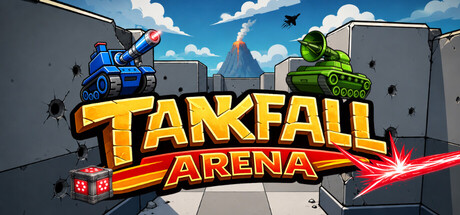
TankFall Arena contains certain pre-generated assets created with the assistance of generative AI tools during development. These assets may include promotional artwork, visual elements, audio content, and music. All AI-assisted content has been reviewed, curated, modified, and integrated by the developer as part of the game's overall design and presentation.
TankFall Arena does not generate AI content during gameplay and does not connect to external AI services while the game is running.
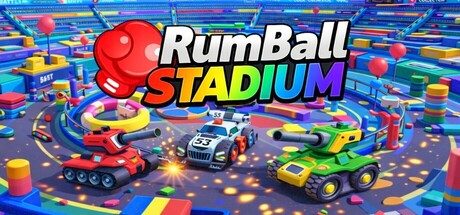
Some assets in RumBall Stadium were created with the assistance of generative AI tools, specifically the main game thumbnail and a selection of icons and background images used in the game's menus. All gameplay content, including vehicles, arenas, and game systems, was developed by the development team.
Some content in this game was created with the assistance of generative AI tools during development, including certain visual assets, store artwork, capsule art, and text. All AI-assisted content was reviewed, edited, and integrated by the developer to ensure it fits the game’s design and overall player experience.
This game uses generative AI tools in limited ways to support development. Some music tracks were created using AI music generation tools, and certain marketing or store page visual assets were assisted by AI. All core gameplay and implementation were created by the developer.
As a small indie team of 3 developers, we utilized AI technologies as a supplementary tool in highly specific areas to optimize our development pipeline and deliver a more immersive experience:
Voice Acting: The character voice-overs in the game were generated using AI-assisted voice models.
Concept Art: For the portrait designs appearing after the 2nd planet, AI was used strictly during the initial concept and ideation phase. All final assets were carefully refined and finalized by us to ensure strict visual consistency and match our artistic vision.
Beyond these specific use cases, all programming, core game design, narrative, and primary in-game assets were handcrafted by our team. The game does not feature any live-generated AI content, and player safety/experience is fully controlled.
Some visual marketing assets and store page artwork were created or assisted using generative AI tools and were subsequently reviewed, edited, and curated by the developer. No generative AI is used during gameplay, and the game does not generate content for players in real time.
Generative AI was used to assist in writing and editing some of Subsønic's text, including portions of this store page and its marketing copy. The game's visual art is procedurally generated through code (algorithmic, not generative AI), and its music and sound are licensed or procedurally synthesized.
This game uses generative AI during development to assist with concept art,
texture drafts, store media preparation, and iteration of visual assets.
Final in-game assets are reviewed, edited, and integrated by the developer
before release. The game does not use generative AI to create live gameplay
content during play.
We utilize only Google AI Studio text-to-speech models during development to pre-generate voice acting files for regional localization. All generated audio files are post-processed, mixed, and hardcoded into the game build using standard engine tools before distribution. No assets infringe on existing copyrights.
The store descriptions for this game were initially drafted and researched using assistance of an AI LLM. However, all final text has been modified, rewritten, and edited by the developer to ensure it accurately reflects the design and spirit of the game itself. Images in the store page or marketing material are not generated from AI.
No AI generated content is used for the production and development of the game. No AI generated text appears in the game.
Some music tracks in this game were created with the assistance of generative AI. The developer reviewed, edited, and selected all generated material before including it in the final product. No gameplay content, code, or player interactions are generated by AI
Some of this game's in-game text, including character dialogue and narrative/flavor writing was created with the help of generative AI tools during development, then reviewed and edited by the developer before release. The game's visual art is generated procedurally (algorithmically, not by AI). BrainRot Defender does not generate any content using AI in real time during gameplay, and does not connect to any external AI services.
The game includes AI-driven enemy characters ("LLM zombies") that players can interact with through dialogue. These characters use a language model to generate responses dynamically during gameplay. The AI is used only to produce in-game dialogue and behavior for these enemies and does not generate user-uploaded content or external assets.
Generative AI was used during the development of this game. AI tools assisted with code debugging, algorithm design, and creative ideation. A significant portion of in-game assets—including 3D models, baked textures and materials, and visual artwork—were generated or modified using AI, and subsequently reviewed, adjusted, and integrated by the development team.
AI is used on an ad hoc basis for: 3D model texturing, code assistance, and references for asset modeling. It does not affect gameplay or interactive content.
Deep Breach Demo contains some pre-generated visual assets created with assistance from generative AI tools during development. These include certain static 2D visual elements such as UI icons, item and turret imagery, and promotional/store artwork. No AI-generated content is created live during gameplay.
Artificial Intelligence was used as a supportive tool during the early stages of development, primarily for idea generation, documentation structuring, and general content review.
AI was also used to create certain placeholder images during the conceptual phase. These assets are temporary and will be replaced, as they are not intended to be part of the final version of the game.
All final game content, including design, gameplay systems, mechanics, artwork, and programming, has been manually created, implemented, and validated by the developer, along with licensed assets from the Unity Asset Store and contributions from freelancers (all properly credited).
Generative AI tools were used to assist with select visual artwork, specifically the game’s main marketing images/store page artwork and splash screen.
Frutz does not use live-generated AI content during gameplay.
Some of the CC0 soundtracks I found online turned out to be ai generated.
I'm currently working with a talented composer to replace them all with human-made ones.
TankFall Arena contains certain pre-generated assets created with the assistance of generative AI tools during development. These assets may include promotional artwork, visual elements, audio content, and music. All AI-assisted content has been reviewed, curated, modified, and integrated by the developer as part of the game's overall design and presentation.
TankFall Arena does not generate AI content during gameplay and does not connect to external AI services while the game is running.
Some assets in RumBall Stadium were created with the assistance of generative AI tools, specifically the main game thumbnail and a selection of icons and background images used in the game's menus. All gameplay content, including vehicles, arenas, and game systems, was developed by the development team.
Some content in this game was created with the assistance of generative AI tools during development, including certain visual assets, store artwork, capsule art, and text. All AI-assisted content was reviewed, edited, and integrated by the developer to ensure it fits the game’s design and overall player experience.
This game uses generative AI tools in limited ways to support development. Some music tracks were created using AI music generation tools, and certain marketing or store page visual assets were assisted by AI. All core gameplay and implementation were created by the developer.
As a small indie team of 3 developers, we utilized AI technologies as a supplementary tool in highly specific areas to optimize our development pipeline and deliver a more immersive experience:
Voice Acting: The character voice-overs in the game were generated using AI-assisted voice models.
Concept Art: For the portrait designs appearing after the 2nd planet, AI was used strictly during the initial concept and ideation phase. All final assets were carefully refined and finalized by us to ensure strict visual consistency and match our artistic vision.
Beyond these specific use cases, all programming, core game design, narrative, and primary in-game assets were handcrafted by our team. The game does not feature any live-generated AI content, and player safety/experience is fully controlled.