Public Steam disclosure research25,376 disclosures tracked
Where do games disclose AI use?
Search developers’ Steam disclosures, compare classified AI use across
games, and follow recorded changes.
This index adds cross-game classifications and statistics to
statements published on individual store pages.
Groups reflect automatic analysis of public disclosures; mature records are excluded. These counts do not measure AI use across all of Steam.
Missing or unclear statements cannot establish whether a game uses AI.
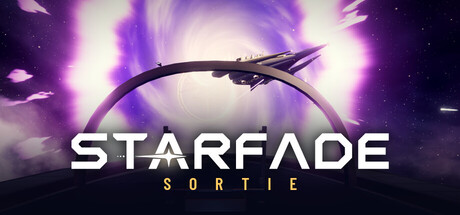
Character voices, and some of the sound effects and music, were pre-generated with AI voice and audio tools and then edited and mixed by the developer. The dialogue, store text and Korean/English translations were written with the help of an AI assistant and reviewed by the developer. All ships, cockpit and environments are in-engine 3D models, and the store images and trailer are in-game captures. No AI content is generated while you play.
Game text translations and parts of the store page and marketing text were created with AI assistance. All art, music and sound effects are made without generative AI.
The core art direction and a portion of the artwork were hand-drawn by the developer, and AI was used to produce additional assets in a matching style, which were then reviewed, edited and integrated by hand. The game's music was generated with AI tools. No AI content is generated live while the game is running.
AI Disclosure:
This game was made with the help of Artificial Intelligence LLM Models. The studio takes transparency seriously, so if the community would like to ask questions, get clarity, or voice concerns over this, please reach out to the development team on our Discord or launch website.
Generative AI tools are used during the development of MASSVEIL to assist with the creation and refinement of certain pre-generated materials, including selected visual elements, sound effects, voice lines, and text content.
All AI-assisted content is reviewed and, where necessary, edited by the developer before being included in the game.
Generative AI is not used to create new content during gameplay, and the game does not connect to third-party AI services while running.
DECIBLOW utilized generative AI for a few small things like localization & partial involvement in some of the music to speed up production (heavy human involvement at a DAW level).
AI-assisted tools were used during development for programming, debugging, shader work and some store-page text. All output was reviewed and integrated by the developer. No live-generated AI content is used in gameplay.
Pissant is built with AI-assisted code. The developer directs and edits everything; an AI assistant helps write the game's code, its in-game text, the music scores and the store and marketing text. No AI image, video or voice generator made anything in the game: every visual is drawn by the game's own procedural code, and every sound and note of music comes from its own synthesis engine. No generative AI runs during gameplay, and the game does not connect to any AI service.
Some pre-generated artwork was created with the help of generative AI tools and then edited by the developer, including store and marketing images and some loading-screen art. No AI content is generated live while you play, and the game does not connect to any AI service.
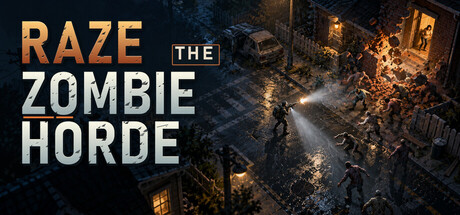
Some images in the game were generated using AI tools and then refined by the game's developer. All the music in the game was written by the game's developer, but the mastering was done using AI tools. The 3D character models (all except the zombie mutants) were initially generated via AI and later refined and adapted by the game's developer.
Generative AI tools were used to help create promotional artwork and Steam store page text. This content was prepared in advance. The game does not use generative AI or connect to external AI services during gameplay.
Generative AI tools were used during development to assist with the creation and refinement of selected visual assets, concept artwork, UI elements, promotional/store-page materials, and development content. All generated content is reviewed and curated before inclusion in the game. The game does not currently generate AI content live during gameplay.
Store page capsule art, library artwork and some store page text were created with the help of AI tools and reviewed by the developer. The game does not generate any content with AI while playing.
The game's artwork, audio and other assets are not AI-generated. The game engine is written from scratch over the course of 8 months in C++ and Simple DirectMedia Layer 2; in which Codex assistance was used for programming. No content is generated by AI during gameplay. No AI service is used during gameplay. All AI actions in the game are classic decision tree based intelligence made.
AI tools assisted with localization, store-page text, and preparation of promotional artwork. This content is prepared in advance. The game does not use AI to generate content during gameplay or connect to external AI services.
Some store artwork (key art, logo and capsule images) and some in-game icons were created with the help of generative AI tools, then reviewed and edited by the developer. Some in-game text translations were drafted with AI and reviewed by the developer. 3D models, textures and animations come from licensed asset packs. No content is generated by AI while you play.
AI tools were used under the developer’s creative direction to assist with implementation, interface text, localization, documentation, procedural visuals, and selected promotional artwork, including the manual’s cover. No generative AI runs during gameplay.
During development we used procedural and AI-assisted tools to help create some content. The game does not generate any content with AI while you play.
This game was created with a lot of help from AI. Although I'm an experienced game developer a lot of the physics, graphic elements, and code were generate with the help of AI.
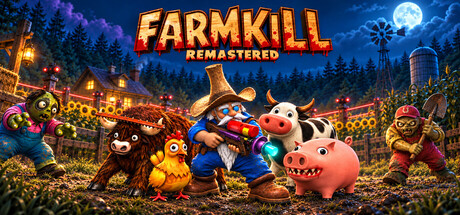
Farmkill Remastered brings back the game our small team originally created for iPad in 2012. For its PC remaster, we used AI tools to upscale, sharpen and redraw the original low-resolution artwork, preserving the characters and visual designs while restoring detail for larger screens.
We also used generative AI to create new artwork, music, character voices, sound effects, written content and animated cutscenes, including assets used in the store artwork and trailer. This content was generated during development, then selected and integrated under the developer’s creative direction. The game does not generate AI content during play.
Generative AI was used to assist with some pre-generated 2D artwork. All AI-assisted assets were selected, edited and integrated by the developer. No generative AI is used during gameplay.
Some in-game artwork (sprites, icons and illustrations), sound effects, music and localized text were created with the help of generative AI tools, then edited, curated and reviewed by the developer. No content is generated by AI during gameplay.
Generative AI was used only to help draft and polish English store-page text, as English is not my first language. No game assets, images, sound effects, or music were generated using generative AI. Screenshots show actual gameplay, and promotional artwork uses in-game renders. The game does not generate AI content during gameplay or connect to external AI services.
Music, background, videos and images in this game, especially the artwork, were created using AI tools as a visual supplement.
This creative choice allowed me to focus more time and resources on what matters most, delivering longer, more engaging, and fun gameplay.
Generative AI was used during development to create some visual assets, including the title artwork and app icon. AI tools also assisted with some 3D models, in-game text, localization, and sound effects. The game does not use generative AI services to create content during play.
Generative AI was used during development to create selected pre-generated visual assets, including some character models, weapon presentation models and related images, as well as some promotional artwork for the store. These assets were selected, post-processed and integrated by the developer. Store gameplay screenshots are captured from the running game and have not been generatively altered; they may show game content that uses pre-generated AI assets. The current game does not call generative AI services or generate new content during play.
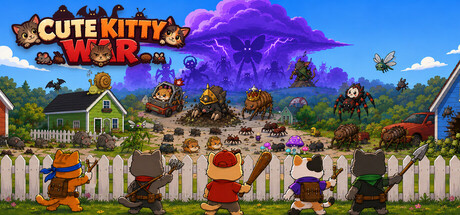
All AI-generated content in Cute Kitty WAR was created during development; nothing is generated while you play. The game's artwork — cats, pests, items, backgrounds and store images — was produced with AI image generation from our own designs and direction, then selected, edited and assembled by our developer. Much of the game's music and sound was synthesized by code written with an AI assistant, and AI assistance helped draft the in-game text, all directed and reviewed by our developer.
Character voices, and some of the sound effects and music, were pre-generated with AI voice and audio tools and then edited and mixed by the developer. The dialogue, store text and Korean/English translations were written with the help of an AI assistant and reviewed by the developer. All ships, cockpit and environments are in-engine 3D models, and the store images and trailer are in-game captures. No AI content is generated while you play.
Game text translations and parts of the store page and marketing text were created with AI assistance. All art, music and sound effects are made without generative AI.
The core art direction and a portion of the artwork were hand-drawn by the developer, and AI was used to produce additional assets in a matching style, which were then reviewed, edited and integrated by hand. The game's music was generated with AI tools. No AI content is generated live while the game is running.
AI Disclosure:
This game was made with the help of Artificial Intelligence LLM Models. The studio takes transparency seriously, so if the community would like to ask questions, get clarity, or voice concerns over this, please reach out to the development team on our Discord or launch website.
Generative AI tools are used during the development of MASSVEIL to assist with the creation and refinement of certain pre-generated materials, including selected visual elements, sound effects, voice lines, and text content.
All AI-assisted content is reviewed and, where necessary, edited by the developer before being included in the game.
Generative AI is not used to create new content during gameplay, and the game does not connect to third-party AI services while running.
DECIBLOW utilized generative AI for a few small things like localization & partial involvement in some of the music to speed up production (heavy human involvement at a DAW level).
AI-assisted tools were used during development for programming, debugging, shader work and some store-page text. All output was reviewed and integrated by the developer. No live-generated AI content is used in gameplay.
Pissant is built with AI-assisted code. The developer directs and edits everything; an AI assistant helps write the game's code, its in-game text, the music scores and the store and marketing text. No AI image, video or voice generator made anything in the game: every visual is drawn by the game's own procedural code, and every sound and note of music comes from its own synthesis engine. No generative AI runs during gameplay, and the game does not connect to any AI service.
Some pre-generated artwork was created with the help of generative AI tools and then edited by the developer, including store and marketing images and some loading-screen art. No AI content is generated live while you play, and the game does not connect to any AI service.
Some images in the game were generated using AI tools and then refined by the game's developer. All the music in the game was written by the game's developer, but the mastering was done using AI tools. The 3D character models (all except the zombie mutants) were initially generated via AI and later refined and adapted by the game's developer.
Generative AI tools were used to help create promotional artwork and Steam store page text. This content was prepared in advance. The game does not use generative AI or connect to external AI services during gameplay.
Generative AI tools were used during development to assist with the creation and refinement of selected visual assets, concept artwork, UI elements, promotional/store-page materials, and development content. All generated content is reviewed and curated before inclusion in the game. The game does not currently generate AI content live during gameplay.
Store page capsule art, library artwork and some store page text were created with the help of AI tools and reviewed by the developer. The game does not generate any content with AI while playing.
The game's artwork, audio and other assets are not AI-generated. The game engine is written from scratch over the course of 8 months in C++ and Simple DirectMedia Layer 2; in which Codex assistance was used for programming. No content is generated by AI during gameplay. No AI service is used during gameplay. All AI actions in the game are classic decision tree based intelligence made.
AI tools assisted with localization, store-page text, and preparation of promotional artwork. This content is prepared in advance. The game does not use AI to generate content during gameplay or connect to external AI services.
Some store artwork (key art, logo and capsule images) and some in-game icons were created with the help of generative AI tools, then reviewed and edited by the developer. Some in-game text translations were drafted with AI and reviewed by the developer. 3D models, textures and animations come from licensed asset packs. No content is generated by AI while you play.
AI tools were used under the developer’s creative direction to assist with implementation, interface text, localization, documentation, procedural visuals, and selected promotional artwork, including the manual’s cover. No generative AI runs during gameplay.
During development we used procedural and AI-assisted tools to help create some content. The game does not generate any content with AI while you play.
This game was created with a lot of help from AI. Although I'm an experienced game developer a lot of the physics, graphic elements, and code were generate with the help of AI.
Farmkill Remastered brings back the game our small team originally created for iPad in 2012. For its PC remaster, we used AI tools to upscale, sharpen and redraw the original low-resolution artwork, preserving the characters and visual designs while restoring detail for larger screens.
We also used generative AI to create new artwork, music, character voices, sound effects, written content and animated cutscenes, including assets used in the store artwork and trailer. This content was generated during development, then selected and integrated under the developer’s creative direction. The game does not generate AI content during play.
Generative AI was used to assist with some pre-generated 2D artwork. All AI-assisted assets were selected, edited and integrated by the developer. No generative AI is used during gameplay.
Some in-game artwork (sprites, icons and illustrations), sound effects, music and localized text were created with the help of generative AI tools, then edited, curated and reviewed by the developer. No content is generated by AI during gameplay.
Generative AI was used only to help draft and polish English store-page text, as English is not my first language. No game assets, images, sound effects, or music were generated using generative AI. Screenshots show actual gameplay, and promotional artwork uses in-game renders. The game does not generate AI content during gameplay or connect to external AI services.
Music, background, videos and images in this game, especially the artwork, were created using AI tools as a visual supplement.
This creative choice allowed me to focus more time and resources on what matters most, delivering longer, more engaging, and fun gameplay.
Generative AI was used during development to create some visual assets, including the title artwork and app icon. AI tools also assisted with some 3D models, in-game text, localization, and sound effects. The game does not use generative AI services to create content during play.
Generative AI was used during development to create selected pre-generated visual assets, including some character models, weapon presentation models and related images, as well as some promotional artwork for the store. These assets were selected, post-processed and integrated by the developer. Store gameplay screenshots are captured from the running game and have not been generatively altered; they may show game content that uses pre-generated AI assets. The current game does not call generative AI services or generate new content during play.
All AI-generated content in Cute Kitty WAR was created during development; nothing is generated while you play. The game's artwork — cats, pests, items, backgrounds and store images — was produced with AI image generation from our own designs and direction, then selected, edited and assembled by our developer. Much of the game's music and sound was synthesized by code written with an AI assistant, and AI assistance helped draft the in-game text, all directed and reviewed by our developer.