Public Steam disclosure research25,376 disclosures tracked
Where do games disclose AI use?
Search developers’ Steam disclosures, compare classified AI use across
games, and follow recorded changes.
This index adds cross-game classifications and statistics to
statements published on individual store pages.
Groups reflect automatic analysis of public disclosures; mature records are excluded. These counts do not measure AI use across all of Steam.
Missing or unclear statements cannot establish whether a game uses AI.
The only use of AI gen tools were for the backgrounds on the Store page images. Nowhere else is AI used. Certainly not anywhere in the actual Game itself. Any and all Images in the game itself have been rendered directly out of the game project without any sort of AI gen tools in the process whatsoever.
We used AI as a tool during development to help generate some parts of the code and certain visual assets. However, there is no active or functional AI system used within the game itself. AI was only used in the production process, not as part of the gameplay or game mechanics.
Some of the character concept art or background filler images in the store visuals for the game were generated with AI assistance and then further processed.
Throughout development, I may use procedural methods and AI-based tools to assist with audio content creation (10%). However, the final result always reflects my own creativity and artistic intent.
I used CONVAI to generate an AI character: the Sage, in my app that is able to have real-time dialogue. The player can interact with it by entering text. The AI will only explain more background story to the player, and guide the player towards the ending of the storyline.
All characters in the game speak the Interslavic language. Interslavic is an artificial language spoken by very few people. This makes it challenging to find voice actors who have good equipment, speak Interslavic, and fit specific characters. Therefore, some characters in the game have been voiced using AI.
I use AI-enhanced programming for game scripts and shaders. I do not use AI generation for audio or visual assets. I do use 3rd party assets that may themselves contain other AI generated assets.
・A small number of 2D assets that don't affect gameplay (specifically poster and newspaper textures) were created using AI generation.
・Localization of English
The voice used for Aurora (the tutorial head) is AI generated from ElevenLabs.io and further processed.
Some of the graphics used were generated with Leonardo.ai and further processed
Most sprites in the game were initially created with Midjourney AI and then edited, rigged, and animated by hand.
Voice acting was performed by a real voice actor and processed using AI tools and other audio processing tools.
Music and SFX were all created by hand.
There is no Live AI content generation in the game.
The AI generated references for the backgrounds, to which the artists of our team were able to use these materials for further redrawing into finished unique background images.
Generative AI was used during the development phase of this game to assist with programming and content creation, strictly for internal developer use.
The final version of the game does not contain any real-time AI-generated content.
All graphics (and only graphics) in the game is generated by STABLE DIFFUSION Black Magic (Premium Plan).
The story, OST, and code are made by Markovic Martin (MMM Games)
Generative AI was only used to create image references during the creation of promotionnal artworks :
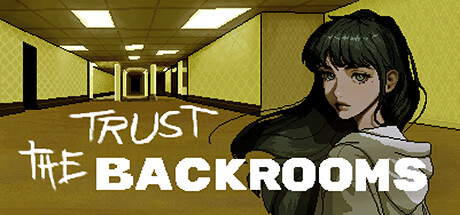
The main promotional artwork shows a hallway where the pillars and the lights are arranged to form the word : DON'T.
The artist who drew these promotional artworks used generative AI to get reference images on how to integrate text with natural elements of a scene so that the elements of the scene seems to be forming letters.
The final artwork is purely derivative and original and was made by the artist from zero, with the help of the AI generated images as inspiration for placing the letters on the final drawing.
"Uncanny Valley: Machine" uses images and music generated by neural networks.
Images are generated using stable diffusion. When creating the models used, commercial use of the generated images is permitted.
When creating the images, no names of any authors or companies were indicated.
Most of the images were edited using photo editors.
The following types of images were generated by II:
Characters;
Backgrounds;
Interior objects.
All music in "Uncanny Valley: Machine" was generated by the MusicGen AI, which allows the generated music to be used for commercial purposes.
The only use of AI gen tools were for the backgrounds on the Store page images. Nowhere else is AI used. Certainly not anywhere in the actual Game itself. Any and all Images in the game itself have been rendered directly out of the game project without any sort of AI gen tools in the process whatsoever.
We used AI as a tool during development to help generate some parts of the code and certain visual assets. However, there is no active or functional AI system used within the game itself. AI was only used in the production process, not as part of the gameplay or game mechanics.
Some of the character concept art or background filler images in the store visuals for the game were generated with AI assistance and then further processed.
Throughout development, I may use procedural methods and AI-based tools to assist with audio content creation (10%). However, the final result always reflects my own creativity and artistic intent.
I used CONVAI to generate an AI character: the Sage, in my app that is able to have real-time dialogue. The player can interact with it by entering text. The AI will only explain more background story to the player, and guide the player towards the ending of the storyline.
All characters in the game speak the Interslavic language. Interslavic is an artificial language spoken by very few people. This makes it challenging to find voice actors who have good equipment, speak Interslavic, and fit specific characters. Therefore, some characters in the game have been voiced using AI.
I use AI-enhanced programming for game scripts and shaders. I do not use AI generation for audio or visual assets. I do use 3rd party assets that may themselves contain other AI generated assets.
・A small number of 2D assets that don't affect gameplay (specifically poster and newspaper textures) were created using AI generation.
・Localization of English
The voice used for Aurora (the tutorial head) is AI generated from ElevenLabs.io and further processed.
Some of the graphics used were generated with Leonardo.ai and further processed
Most sprites in the game were initially created with Midjourney AI and then edited, rigged, and animated by hand.
Voice acting was performed by a real voice actor and processed using AI tools and other audio processing tools.
Music and SFX were all created by hand.
There is no Live AI content generation in the game.
The AI generated references for the backgrounds, to which the artists of our team were able to use these materials for further redrawing into finished unique background images.
Generative AI was used during the development phase of this game to assist with programming and content creation, strictly for internal developer use.
The final version of the game does not contain any real-time AI-generated content.
All graphics (and only graphics) in the game is generated by STABLE DIFFUSION Black Magic (Premium Plan).
The story, OST, and code are made by Markovic Martin (MMM Games)
Generative AI was only used to create image references during the creation of promotionnal artworks :
The main promotional artwork shows a hallway where the pillars and the lights are arranged to form the word : DON'T.
The artist who drew these promotional artworks used generative AI to get reference images on how to integrate text with natural elements of a scene so that the elements of the scene seems to be forming letters.
The final artwork is purely derivative and original and was made by the artist from zero, with the help of the AI generated images as inspiration for placing the letters on the final drawing.
"Uncanny Valley: Machine" uses images and music generated by neural networks.
Images are generated using stable diffusion. When creating the models used, commercial use of the generated images is permitted.
When creating the images, no names of any authors or companies were indicated.
Most of the images were edited using photo editors.
The following types of images were generated by II:
Characters;
Backgrounds;
Interior objects.
All music in "Uncanny Valley: Machine" was generated by the MusicGen AI, which allows the generated music to be used for commercial purposes.