Public Steam disclosure research25,383 disclosures tracked
Where do games disclose AI use?
Search developers’ Steam disclosures, compare classified AI use across
games, and follow recorded changes.
This index adds cross-game classifications and statistics to
statements published on individual store pages.
Groups reflect automatic analysis of public disclosures; mature records are excluded. These counts do not measure AI use across all of Steam.
Missing or unclear statements cannot establish whether a game uses AI.
As a solo developer, I used AI tools to help assist in the creation of some visual assets for this remake, which were then refined and adapted during development. Thank you for your understanding.
Some visual assets (card art and character portraits) generated using Google Gemini image models. Some SFX partially generated via ElevenLabs where Unity Assets were not available. All licensed for commercial use. Game design, code, and text content are original.
All visual assets were generated in part using Nano Banana. Some code was generated using Gemini. This project was done by a Solo Dev and few eternal assets were used except where noted.
This game uses AI to generate dynamic NPC dialogue during gameplay. NPCs respond to player actions and choices with unique, contextual conversations. All AI-generated text is filtered to ensure appropriate content.
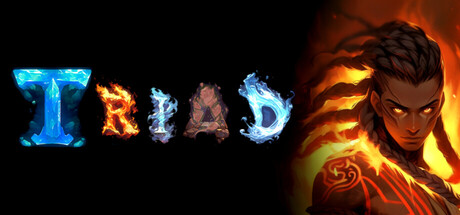
Some visual assets in Triad were created with the assistance of AI tools and further refined by the developer.
Triad is a solo-developed project, and these tools helped make its creation possible.
— Raph, developer of Triad
The game uses AI voice generation tools to create audio voiceovers for partial narrative texts and dialogue. All underlying text and story are originally created by the developer.
Some game artwork was generated with the assistance of AI, including monster sprites and a portion of achievement icons. These assets were then manually reviewed and edited to fit the game's pixel-art style. Store page descriptions were co-written with AI assistance.
Generative AI was used during the development process to create character illustrations for the cards. All AI-generated content has been reviewed, manually refined, and edited by our team to ensure it does not include any illegal or infringing material.
- Some 2D assets were generated partly with AI (with human pre and post passes).
- Some languages were localized with AI. We intend to make a full human pass on all languages before 1.0 launch.
The developer uses Generative AI tools to assist in the creation of 2D character sprites, background artwork, UI elements, and visual effects frames. All AI-generated graphical assets are pre-rendered, manually edited, and carefully integrated into the game engine by the developer. The game does not generate any AI content in real-time during gameplay.
All visual assets and sound effects in this game were created with the assistance of AI generation tools, then curated and integrated by the developer.
Some visual assets in this game were generated using AI. As a one‑person developer, I use these tools to accelerate production, but all images are reviewed, refined, and finalized by me to maintain a consistent artistic direction.
Some music tracks in Gridhammer were composed using AI music generation tools (Suno). All other game content including artwork, writing, and game design is human-created.
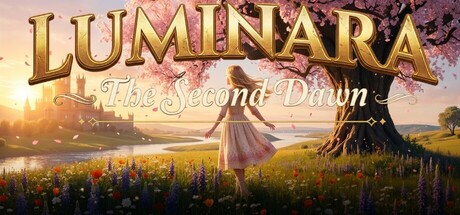
Luminara: The Second Dawn was created by a solo developer with the help of AI tools to bring the game to life. Every piece of content—art, music, story, and code—has been personally reviewed, curated, and directed by me to ensure it fits the game's vision and quality standards.
This game uses generative AI tools to assist in the creation of certain assets, such as music and visual elements.
All content is reviewed, selected, and integrated by the developer to ensure consistency and quality.
No AI is used during gameplay, and the player experience is fully handcrafted.
This game uses AI tools to assist in generating some art assets (card illustrations, character portraits, background images) and audio assets (background music, sound effects) during development. The game does not use any AI services at runtime and does not connect to any external AI APIs. All AI-generated content is completed during development. No AI generation is involved during gameplay.
As a small-scale indie game project, this title is developed under limited funding and team resources, and currently has no dedicated art staff. Therefore, generative AI has been used in parts of the content creation process to reduce basic production costs and help move development forward. All such content has been manually reviewed and adjusted.
Some visual assets in this game were created or enhanced using generative AI tools during development. These assets were reviewed and refined by the development team before being included in the final product.
The game does not use AI to generate content during gameplay.
All store page and in-game translations were created with AI assistance as a starting point. As a solo developer, I only speak English and Ukrainian natively, so I recognize that AI translations may contain errors — I hope to improve them with native speaker feedback in the future.
Store page artwork was generated with AI image tools and then manually composed and edited by the developer.
As a solo indie developer working with a limited art budget, I have used generative AI tools for some visual assets, primarily UI artwork.
The gameplay systems, mechanics, programming, balancing, and overall game design are created and implemented by me.
My long-term goal is to continue improving the game’s artwork and, as the game grows, work with professional artists to replace and further refine AI-assisted visual assets.
This game uses live-generated AI to create text-based dialogue and narrative responses during gameplay. Players can type messages to interact with AI-driven characters and story events, and the AI may generate contextual responses based on the player’s input and current game state. AI-generated content in this game is limited to in-game text and narrative interaction.
During development, AI-assisted tools were used as part of the creative workflow for concept exploration and reference generation. Extensive photobashing, manual editing, and traditional artistic techniques were used throughout development, and every final image, texture, and 3D model was individually refined, finished, or recreated by an artist. AI serves as a supporting tool in the production process rather than replacing artistic craftsmanship.
Generative AI tools were used as part of a human-led design workflow for a limited portion of the game’s pre-generated artwork and promotional materials, including Steam store assets. Professional graphic designers directed, edited, and finalized all visual assets, which were reviewed before inclusion. No content is generated using AI while the game is running.
The game's visuals heavily utilize generative artificial intelligence, and we promise to replace the AI-generated art assets for every 10,000 copies sold. After reaching 100,000 copies sold, all in-game art assets will be hand-drawn.
Developer’s Note:
Due to the challenges of solo game development and being a newcomer to the industry, I utilized AI tools to assist in certain areas of production. This includes specific textures, minor 3D models, and parts of the programming logic. However, all voice acting and musical scores are original works, created as a gesture of support by my close friends.
AI tools were used only to assist in the creation of certain marketing artwork for the Steam store page.
All in-game content, screenshots, and trailer were created without the use of generative AI.
The developer uses AI tools (such as ChatGPT, Claude, and Cursor) to assist with writing code, drafting in-game text like card effect descriptions, and brainstorming narrative elements. Additionally, AI is utilized to provide draft localizations for various languages.
However, all graphical assets (including character illustrations and monster designs) and audio are entirely human-made. No AI-generated images, pre-rendered graphics, or sound files are used in this game.
Currently only AI generated item is the Store graphics.
It is, however, intended in the future for the game itself to contain AI generated graphics as well.
This game utilizes generative AI tools to assist in the creation of select 2D artwork, specifically some UI icons, league background themes, and store page promotional materials. Other in-game assets, such as enemy art and player icon and GUI, were acquired through licensed asset stores.
AI tools were used during development to assist with asset creation (pixel art sprites, terrain textures, localization drafts) and game design iteration. All AI-generated content was reviewed, edited and curated by the developer.
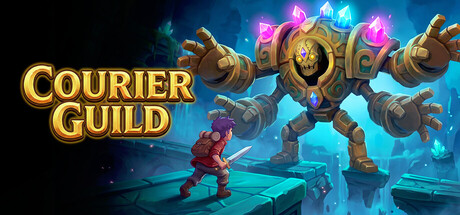
Some content in COURIER GUILD was created with the assistance of AI tools, including visual assets, music, and text. All AI-generated content has been manually reviewed, edited, and refined by the developer to fit the game's style and vision.
This product uses AI tools to assist in generating code, art assets, and other content. All AI-generated materials have been significantly edited, modified, and polished by human developers to ensure originality, quality, and compliance with copyright regulations.
As a solo developer, I used AI tools to help assist in the creation of some visual assets for this remake, which were then refined and adapted during development. Thank you for your understanding.
Some visual assets (card art and character portraits) generated using Google Gemini image models. Some SFX partially generated via ElevenLabs where Unity Assets were not available. All licensed for commercial use. Game design, code, and text content are original.
All visual assets were generated in part using Nano Banana. Some code was generated using Gemini. This project was done by a Solo Dev and few eternal assets were used except where noted.
This game uses AI to generate dynamic NPC dialogue during gameplay. NPCs respond to player actions and choices with unique, contextual conversations. All AI-generated text is filtered to ensure appropriate content.
Some visual assets in Triad were created with the assistance of AI tools and further refined by the developer.
Triad is a solo-developed project, and these tools helped make its creation possible.
— Raph, developer of Triad
The game uses AI voice generation tools to create audio voiceovers for partial narrative texts and dialogue. All underlying text and story are originally created by the developer.
Some game artwork was generated with the assistance of AI, including monster sprites and a portion of achievement icons. These assets were then manually reviewed and edited to fit the game's pixel-art style. Store page descriptions were co-written with AI assistance.
Generative AI was used during the development process to create character illustrations for the cards. All AI-generated content has been reviewed, manually refined, and edited by our team to ensure it does not include any illegal or infringing material.
- Some 2D assets were generated partly with AI (with human pre and post passes).
- Some languages were localized with AI. We intend to make a full human pass on all languages before 1.0 launch.
The developer uses Generative AI tools to assist in the creation of 2D character sprites, background artwork, UI elements, and visual effects frames. All AI-generated graphical assets are pre-rendered, manually edited, and carefully integrated into the game engine by the developer. The game does not generate any AI content in real-time during gameplay.
All visual assets and sound effects in this game were created with the assistance of AI generation tools, then curated and integrated by the developer.
Some visual assets in this game were generated using AI. As a one‑person developer, I use these tools to accelerate production, but all images are reviewed, refined, and finalized by me to maintain a consistent artistic direction.
Some music tracks in Gridhammer were composed using AI music generation tools (Suno). All other game content including artwork, writing, and game design is human-created.
Luminara: The Second Dawn was created by a solo developer with the help of AI tools to bring the game to life. Every piece of content—art, music, story, and code—has been personally reviewed, curated, and directed by me to ensure it fits the game's vision and quality standards.
This game uses generative AI tools to assist in the creation of certain assets, such as music and visual elements.
All content is reviewed, selected, and integrated by the developer to ensure consistency and quality.
No AI is used during gameplay, and the player experience is fully handcrafted.
This game uses AI tools to assist in generating some art assets (card illustrations, character portraits, background images) and audio assets (background music, sound effects) during development. The game does not use any AI services at runtime and does not connect to any external AI APIs. All AI-generated content is completed during development. No AI generation is involved during gameplay.
As a small-scale indie game project, this title is developed under limited funding and team resources, and currently has no dedicated art staff. Therefore, generative AI has been used in parts of the content creation process to reduce basic production costs and help move development forward. All such content has been manually reviewed and adjusted.
Some visual assets in this game were created or enhanced using generative AI tools during development. These assets were reviewed and refined by the development team before being included in the final product.
The game does not use AI to generate content during gameplay.
All store page and in-game translations were created with AI assistance as a starting point. As a solo developer, I only speak English and Ukrainian natively, so I recognize that AI translations may contain errors — I hope to improve them with native speaker feedback in the future.
Store page artwork was generated with AI image tools and then manually composed and edited by the developer.
As a solo indie developer working with a limited art budget, I have used generative AI tools for some visual assets, primarily UI artwork.
The gameplay systems, mechanics, programming, balancing, and overall game design are created and implemented by me.
My long-term goal is to continue improving the game’s artwork and, as the game grows, work with professional artists to replace and further refine AI-assisted visual assets.
This game uses live-generated AI to create text-based dialogue and narrative responses during gameplay. Players can type messages to interact with AI-driven characters and story events, and the AI may generate contextual responses based on the player’s input and current game state. AI-generated content in this game is limited to in-game text and narrative interaction.
During development, AI-assisted tools were used as part of the creative workflow for concept exploration and reference generation. Extensive photobashing, manual editing, and traditional artistic techniques were used throughout development, and every final image, texture, and 3D model was individually refined, finished, or recreated by an artist. AI serves as a supporting tool in the production process rather than replacing artistic craftsmanship.
Generative AI tools were used as part of a human-led design workflow for a limited portion of the game’s pre-generated artwork and promotional materials, including Steam store assets. Professional graphic designers directed, edited, and finalized all visual assets, which were reviewed before inclusion. No content is generated using AI while the game is running.
The game's visuals heavily utilize generative artificial intelligence, and we promise to replace the AI-generated art assets for every 10,000 copies sold. After reaching 100,000 copies sold, all in-game art assets will be hand-drawn.
Developer’s Note:
Due to the challenges of solo game development and being a newcomer to the industry, I utilized AI tools to assist in certain areas of production. This includes specific textures, minor 3D models, and parts of the programming logic. However, all voice acting and musical scores are original works, created as a gesture of support by my close friends.
AI tools were used only to assist in the creation of certain marketing artwork for the Steam store page.
All in-game content, screenshots, and trailer were created without the use of generative AI.
The developer uses AI tools (such as ChatGPT, Claude, and Cursor) to assist with writing code, drafting in-game text like card effect descriptions, and brainstorming narrative elements. Additionally, AI is utilized to provide draft localizations for various languages.
However, all graphical assets (including character illustrations and monster designs) and audio are entirely human-made. No AI-generated images, pre-rendered graphics, or sound files are used in this game.
Currently only AI generated item is the Store graphics.
It is, however, intended in the future for the game itself to contain AI generated graphics as well.
This game utilizes generative AI tools to assist in the creation of select 2D artwork, specifically some UI icons, league background themes, and store page promotional materials. Other in-game assets, such as enemy art and player icon and GUI, were acquired through licensed asset stores.
AI tools were used during development to assist with asset creation (pixel art sprites, terrain textures, localization drafts) and game design iteration. All AI-generated content was reviewed, edited and curated by the developer.
Some content in COURIER GUILD was created with the assistance of AI tools, including visual assets, music, and text. All AI-generated content has been manually reviewed, edited, and refined by the developer to fit the game's style and vision.
This product uses AI tools to assist in generating code, art assets, and other content. All AI-generated materials have been significantly edited, modified, and polished by human developers to ensure originality, quality, and compliance with copyright regulations.