

Disclosure
AI used for graphics, translations, and sounds.
- Creator
- Kemonocept
- Reviews
- -
- Added
- Oct 12, 2026
Public Steam disclosure research 25,376 disclosures tracked
Search developers’ Steam disclosures, compare classified AI use across games, and follow recorded changes. This index adds cross-game classifications and statistics to statements published on individual store pages.
Code help, debugging and other development work.
Capsule art, trailers and promotional material.
Pre-made art, audio, writing and other game assets.
Interactive or runtime AI features disclosed by the developer.
Groups reflect automatic analysis of public disclosures; mature records are excluded. These counts do not measure AI use across all of Steam. Missing or unclear statements cannot establish whether a game uses AI.
AI used for graphics, translations, and sounds.
This game was made using generative AI. Generative AI was used for card illustrations, backgrounds, character videos, music, the story and other text, translations, and promotional materials such as the store page and trailer. All of this content was created in advance; no content is generated by AI during gameplay.
Generative AI was used during development to create artwork, UI and promotional assets, as well as audio content, including character voices. AI tools also assisted with writing and refining the game’s code. All AI-generated content is pre-generated; HEARTRIFT does not generate content or code with AI during gameplay or connect to an external AI service.
Generative AI was used during development to create text content.
All artwork, music, and sound effects in Geargrave Outlands were created with generative AI tools (images: OpenAI image models; music: Suno; sound effects: ElevenLabs) and then selected, edited, and integrated by the developer. Story text was written with AI assistance and edited by the developer. All translations were produced with AI assistance. All of this content is pre-generated and ships as fixed files. The game does not generate any content with AI while you play.
AI-powered image generation tools were used to create the game's visual elements, including character and environment images. AI tools were also used to support translations into multiple languages.
Generative AI was used during development to assist with the creation and refinement of some visual assets, marketing materials and localizations. No content is generated by AI during gameplay.
DECIBLOW utilized generative AI for a few small things like localization & partial involvement in some of the music to speed up production (heavy human involvement at a DAW level).
Generative tools were used as part of the visual and audio development process. Final assets were reviewed, selected, edited, and refined by human developers before being implemented in the game.
Some of the game's illustrations (characters, enemies, backgrounds, store art), its music, its sound effects and parts of its text were created with the help of AI tools during development, then selected, edited and integrated by hand. The game does not generate any content while you play.
Some monster and equipment assets, as well as images used on the Steam store page, were AI-generated and subsequently refined and edited manually.
Generative AI tools were used during development to create some artwork, background music, and monster vocal effects. AI tools also assisted with the writing and translation of store-page text. These materials were prepared in advance. The game does not generate AI content or connect to third-party AI services during gameplay.
Pre-generated AI artwork and audio. No AI is generated during gameplay. Licensed third-party assets are used.
Character art, portraits, monsters, backgrounds, item and skill icons, and story illustrations were created with AI image-generation tools, then selected, reviewed and laid out in the game by the developers. The background music was created with an AI music-generation tool (Suno). The code and text were written with AI assistance and reviewed by the developers. The game does not generate any AI content while it runs.
Generative AI was used in the creation of images and music in the game. This content was generated and edited during development. No content is generated by AI during gameplay.
This game includes pre-generated artwork, music, and text created with generative AI. The game does not generate AI content during gameplay or connect to external AI services.
Character, enemy and background pixel art was created with AI image tools (ChatGPT, PixelLab) from photos of our real dog and cat and our own design notes, then edited, cut and arranged by the developer. Sprite animations were generated with PixelLab from that art. Game code was written with AI coding assistance (Claude) under the developer's direction. All game text was written or approved by the developer. The music is original, written note by note as code with AI coding assistance (Claude) and rendered with the free GeneralUser GS SoundFont; no AI audio generation and nothing sampled.
MAZZIOSI is made and polished by our team. During development, AI tools help us find bugs and make the game more enjoyable. Selected illustrations, UI art, music, sound effects, and parts of the story and localization were created or refined with AI, then reviewed and finalized by us. The game has no live AI generation or connection to AI services while you play.
Full disclaimer - Some code, artworks have been AI generated, through a custom model trained on images that were built specifically for the game with the kind assistance of a graphic designer friend of mine. I'm a solo dev with limited budget and I'm doing this out of passion - I just wouldn't have been able to build it without these tools
Generative AI supported the creation of parts of the artwork, sound effects and particular translations, all of which were carefully selected and refined by the developers. No AI content is generated during play.
AI was used to generate and edit the title logo. Some of the music was generated or arranged using AI.
Pre-generated game artwork, including character, background, card, and interface art, was created with generative AI and edited for the game. Generative AI was also used for Steam store and library artwork, the logo, and icons. Gameplay screenshots were captured directly from the game. No AI content is generated during gameplay.
Character, enemy, and terrain sprites and the key art were produced with AI image tools from our own concept art and style references, then selected, corrected, and composited by hand. All game rules, code, writing, board layout, and interface art are made by the developer without generative AI at runtime. The game does not generate content with AI while you play.
This game uses generative AI tools to assist in creating some content: pixel-art visuals (character, enemy, and card artwork, icons, and backgrounds) via PixelLab, and sound effects via ElevenLabs. All AI-assisted content was reviewed and curated by the developer before being included in the game.
Code checking, and music generation, and voice generation was made using Generative Artificial Intelligence.
The music, most sound effects and a few sprites and icons were made with AI assistance and reviewed by the team. Store graphics were assembled with AI assistance from the team's own artwork. No AI generates content while you play.
The key art, story illustrations, kingdom portraits, music, opening film, menu video and its narration were produced with generative AI tools (Ideogram, Lyria, Seedance, Kling and ElevenLabs, through Artlist) and then selected, edited and assembled by the developer. The 3D map, units and buildings are procedural low-poly models built in code, and the sound effects are synthesised in the game. The game was written with the help of an AI coding assistant. No content is generated while the game is running; everything is pre-generated and shipped in the build. No real people's likenesses or voices are used.
The scene atmosphere images and the port and building illustrations in the game were generated using AI.
Slay the Tire combines original human authorship with generative AI tools. I designed and wrote the game, its locations, and gameplay. AI assisted with visual assets, including card art, textures, 3D models, scenery, and marketing artwork, as well as audio production and store text. The soundtrack began as music I composed and performed on instruments, then used Suno for styling, orchestration, and production. All content is prepared during development; no AI content is generated during gameplay.
The game includes 2D illustrations created with generative AI during development, including characters, enemies and backgrounds. These images were then manually cleaned up, edited and integrated into the game. The game does not generate AI content during gameplay.
The key art and logo began as an AI-generated base image, which we then reworked and finished by hand in Photoshop. The narration in the trailers is a synthetic voice made with a text-to-speech model. Nothing inside the game is AI-generated: every critter, the world, the device, the music and the sound are drawn and composed by the game's own code.
Hello! It’s a pleasure to greet you. I am the developer of Zero Colour. As you may notice, some aspects of the game include AI. I understand that some people may not like this or may find it bothersome, so I apologize for that. I am using this tool because I do not have the resources to hire professionals for the game’s art or translations. Please excuse any mistakes; I did my best. I hope you enjoy the game. If you have any corrections or suggestions, please feel free to let me know. Thank you very much!
1) Artwork: card illustrations and other visual assets were created with the help of AI image generation tools, then selected and edited by the developer. 2) Music: the soundtrack was created with the help of AI music generation tools.
AI was used to create artwork, music, audio and store images. All content is pre-generated; no live AI or external AI services.
Generative AI tools were used during development to assist in creating some artwork, text, and localization used in the game. All AI-assisted content was reviewed, selected, and edited by the developer before being included in the game. No generative AI is used during gameplay.
This game uses generative AI to create pre-generated content that ships with the game: character and monster artwork, backgrounds and other images, the logo, negotiation dialogue text, and level design. The store page text and marketing images are also created with AI assistance. No AI content is generated live while you play.
Some visual assets in this game (such as illustrations, icons, and background images) were created with the assistance of generative AI tools. All AI-generated content was reviewed, edited, and curated by our development team before being included in the game.
Some icons and images in the game were created using generative AI. All AI-generated content is reviewed, edited, and curated by the developer. No live generative AI is used during gameplay.
Some of the art in Orix was made with the help of generative AI. The character models were generated from AI-assisted concept art, then edited, retextured, and adjusted by hand for the game. The achievement icons were made the same way. Music and sound effects are licensed from human-made asset packs. Nothing is generated while you play. Every asset in the game is fixed at build time and identical for every player.
Generative AI tools were used during development to assist in creating some visual artwork and image assets used in the game. All AI-assisted content was generated prior to release and was reviewed, selected, and integrated by the development team before being included in the final product. The game does not use generative AI during runtime and does not generate content dynamically for players.
I've spent years developing *Tenants of the Shade*, and our team has devoted thousands of hours to programming, artwork, and music. We also use generative AI tools to assist with editing and creating select assets, including some in-game icons and 3D models, as well as promotional materials. The game is still in development, and these assets may change before release. We welcome questions about our creative process on Discord or in the Steam Community forums.
AI tools were used to create pre-generated artwork, music, sound effects, and narration, including artwork used on this store page.
Some art assets of this game were generated with generative AI assistance during development, including character and enemy portraits, card illustrations, icons, chapter backgrounds, UI elements, comic storyboards, and store page promotional images. All assets were generated following directions set by the developer. Every asset was manually screened, edited and adjusted one by one before integration into the game. No AI-generated assets are used without human review.
The art, music, and sound effects in this game were made with the help of generative AI tools, and each piece was selected and refined by the developer. The Chinese and English translations were drafted with AI assistance and will continue to be refined throughout Early Access. The story and dialogue were written by the developer, and the game was designed by the developer.
AI-assisted tools were used during the development of some visual assets, music, and localization. All AI-assisted content has been reviewed, edited, and integrated by the development team, and is used under licenses that permit commercial use.
Generative AI Usage Disclosure Generative AI tools were used during the development of One Last Shot! to generate or assist with the game’s code, character designs, and visual assets. This includes AI-assisted programming, refactoring, and debugging, as well as AI-generated or AI-assisted character concepts, card artwork, backgrounds, UI elements, and other visual assets. All AI-generated or AI-assisted content included in the released version was reviewed, edited, integrated, and tested by the development team. The game does not use live generative AI during gameplay, and no text, images, audio, or other content is generated at runtime through an external AI service.
Some 3D models, textures and animations were AI-generated, then edited by human artists in our team.
AI tools were used to assist with some of the programming, under the direction and review of the game's developer. AI was also used in the translation process for non-English languages. All art and music were created by human artists.
Ai services are used to create some of the artwork and sounds in Lumentide.
Three non-playable characters, the Celestial narrator and the antagonists Vexaroth and Valdris, are voiced with AI-generated voices. All playable characters are voiced by human actors. A small number of sound effects were also created with AI tools. No content is generated by AI while you play.
| Title⇅ | Disclosure | Creator⇅ | Src | Reviews⇅ | Added↓ |
|---|---|---|---|---|---|
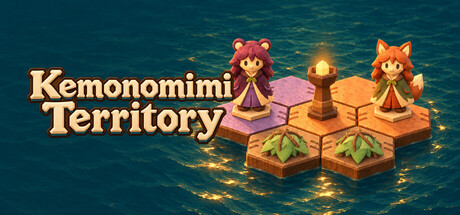 Kemonomimi Territory In-game content arttextaudio | AI used for graphics, translations, and sounds. | Kemonocept | - | Oct 12, 2026 | |
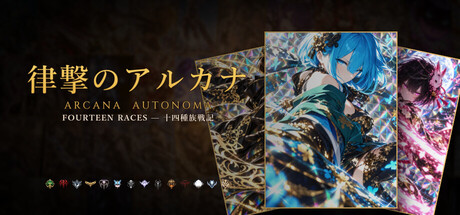 Arcana Autonoma: Fourteen Races In-game content artaudiotext | This game was made using generative AI. Generative AI was used for card illustrations, backgrounds, character videos, music, the story and other text, translations, and promotional materials such as the store page and trailer. All of this content was created in advance; no content is generated by AI during gameplay. | ShadeLurk | - | Oct 12, 2026 | |
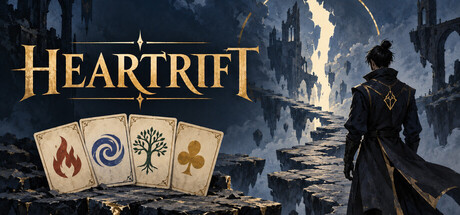 Heartrift In-game content artaudiocode | Generative AI was used during development to create artwork, UI and promotional assets, as well as audio content, including character voices. AI tools also assisted with writing and refining the game’s code. All AI-generated content is pre-generated; HEARTRIFT does not generate content or code with AI during gameplay or connect to an external AI service. | Kustepuchengames | - | Oct 12, 2026 | |
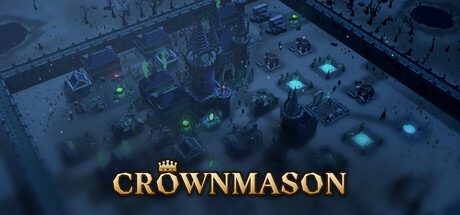 Crownmason Unclear text | Generative AI was used during development to create text content. | Funkenkauz Studios | - | Oct 12, 2026 | |
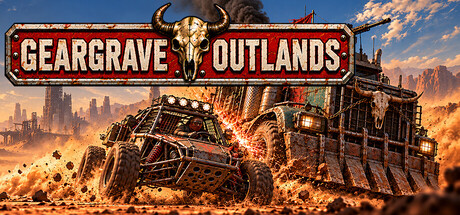 Geargrave Outlands In-game content artaudiotext | All artwork, music, and sound effects in Geargrave Outlands were created with generative AI tools (images: OpenAI image models; music: Suno; sound effects: ElevenLabs) and then selected, edited, and integrated by the developer. Story text was written with AI assistance and edited by the developer. All translations were produced with AI assistance. All of this content is pre-generated and ships as fixed files. The game does not generate any content with AI while you play. | e-ntegration | - | Oct 12, 2026 | |
 Arandu: Deck of the Amazon In-game content arttext | AI-powered image generation tools were used to create the game's visual elements, including character and environment images. AI tools were also used to support translations into multiple languages. | CORISCO STUDIO | - | Oct 12, 2026 | |
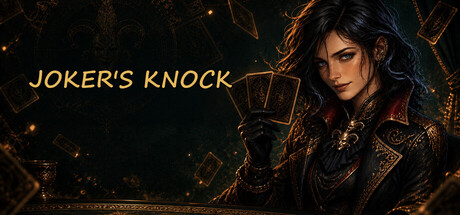 Joker's Knock Store/marketing arttext | Generative AI was used during development to assist with the creation and refinement of some visual assets, marketing materials and localizations. No content is generated by AI during gameplay. | Noxam | - | Oct 12, 2026 | |
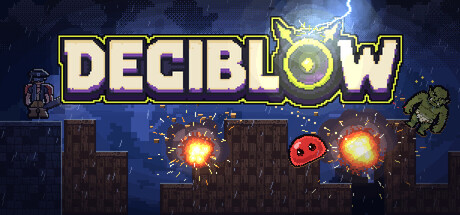 DECIBLOW In-game content textaudio | DECIBLOW utilized generative AI for a few small things like localization & partial involvement in some of the music to speed up production (heavy human involvement at a DAW level). | Feral Games Studio | - | Oct 12, 2026 | |
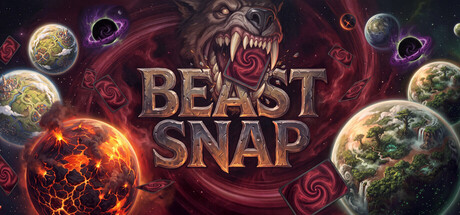 Beast Snap In-game content artaudio | Generative tools were used as part of the visual and audio development process. Final assets were reviewed, selected, edited, and refined by human developers before being implemented in the game. | Alejandro Rives | - | Oct 11, 2026 | |
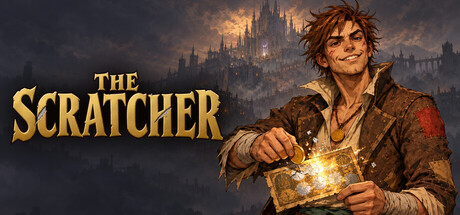 The Scratcher In-game content artaudiotext | Some of the game's illustrations (characters, enemies, backgrounds, store art), its music, its sound effects and parts of its text were created with the help of AI tools during development, then selected, edited and integrated by hand. The game does not generate any content while you play. | Terra Somnia Studio | - | Oct 10, 2026 | |
 Endless Loot art | Some monster and equipment assets, as well as images used on the Steam store page, were AI-generated and subsequently refined and edited manually. | TRUGOY | - | Oct 10, 2026 | |
 Tactics to the devil dungeon In-game content artaudiotext | Generative AI tools were used during development to create some artwork, background music, and monster vocal effects. AI tools also assisted with the writing and translation of store-page text. These materials were prepared in advance. The game does not generate AI content or connect to third-party AI services during gameplay. | SLOWRAIN GAMES | - | Oct 10, 2026 | |
 Zifir In-game content artaudio | Pre-generated AI artwork and audio. No AI is generated during gameplay. Licensed third-party assets are used. | KNM Game Studio | - | Oct 10, 2026 | |
 Haunted Schoolbag In-game content artaudiotextcode | Character art, portraits, monsters, backgrounds, item and skill icons, and story illustrations were created with AI image-generation tools, then selected, reviewed and laid out in the game by the developers. The background music was created with an AI music-generation tool (Suno). The code and text were written with AI assistance and reviewed by the developers. The game does not generate any AI content while it runs. | 550 Atelier | - | Oct 10, 2026 | |
 FIVEFOLD In-game content artaudio | Generative AI was used in the creation of images and music in the game. This content was generated and edited during development. No content is generated by AI during gameplay. | Taishi Nomiya | - | Oct 10, 2026 | |
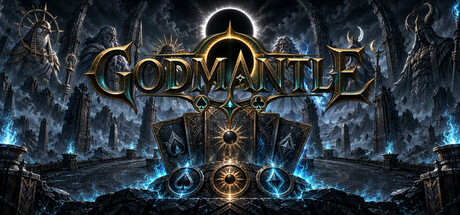 Godmantle In-game content artaudiotext | This game includes pre-generated artwork, music, and text created with generative AI. The game does not generate AI content during gameplay or connect to external AI services. | fjyaosun | - | Oct 10, 2026 | |
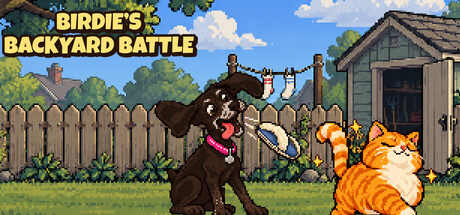 Birdie's Backyard Battle In-game content artcodetext | Character, enemy and background pixel art was created with AI image tools (ChatGPT, PixelLab) from photos of our real dog and cat and our own design notes, then edited, cut and arranged by the developer. Sprite animations were generated with PixelLab from that art. Game code was written with AI coding assistance (Claude) under the developer's direction. All game text was written or approved by the developer. The music is original, written note by note as code with AI coding assistance (Claude) and rendered with the free GeneralUser GS SoundFont; no AI audio generation and nothing sampled. | Wilhelm MFG | - | Oct 10, 2026 | |
 MAZZIOSI In-game content artaudiotext | MAZZIOSI is made and polished by our team. During development, AI tools help us find bugs and make the game more enjoyable. Selected illustrations, UI art, music, sound effects, and parts of the story and localization were created or refined with AI, then reviewed and finalized by us. The game has no live AI generation or connection to AI services while you play. | Linewake Studio | - | Oct 10, 2026 | |
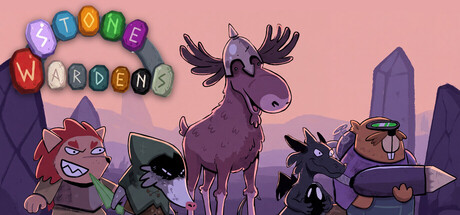 StoneWardens In-game content artcode | Full disclaimer - Some code, artworks have been AI generated, through a custom model trained on images that were built specifically for the game with the kind assistance of a graphic designer friend of mine. I'm a solo dev with limited budget and I'm doing this out of passion - I just wouldn't have been able to build it without these tools | Xatz Games | - | Oct 10, 2026 | |
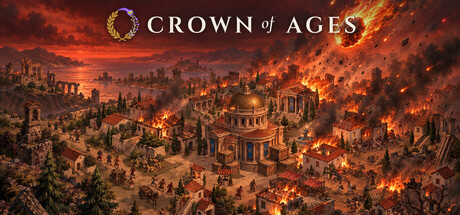 Crown of Ages In-game content artaudiotext | Generative AI supported the creation of parts of the artwork, sound effects and particular translations, all of which were carefully selected and refined by the developers. No AI content is generated during play. | Lunvero Studio | - | Oct 10, 2026 | |
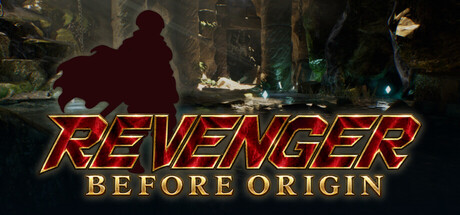 Revenger BEFORE ORIGIN In-game content artaudio | AI was used to generate and edit the title logo.
Some of the music was generated or arranged using AI. | nazenaninadesico | - | Oct 10, 2026 | |
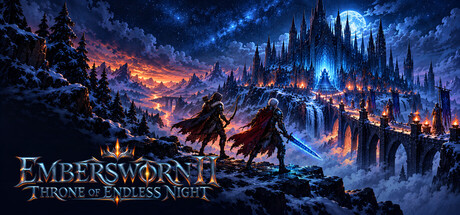 Embersworn II: Throne of Endless Night In-game content art | Pre-generated game artwork, including character, background, card, and interface art, was created with generative AI and edited for the game. Generative AI was also used for Steam store and library artwork, the logo, and icons. Gameplay screenshots were captured directly from the game. No AI content is generated during gameplay. | Embersworn II: Throne of Endless Night Studio | - | Oct 10, 2026 | |
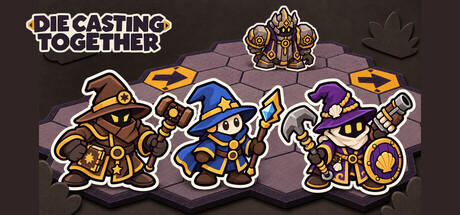 Die Casting Together In-game content art | Character, enemy, and terrain sprites and the key art were produced with AI image tools from our own concept art and style references, then selected, corrected, and composited by hand. All game rules, code, writing, board layout, and interface art are made by the developer without generative AI at runtime. The game does not generate content with AI while you play. | KANTH Games | - | Oct 10, 2026 | |
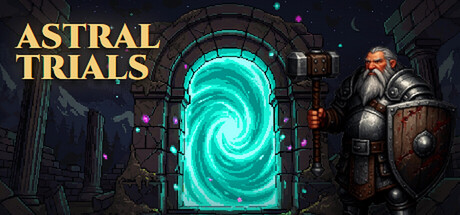 Astral Trials: Ascension In-game content artaudio | This game uses generative AI tools to assist in creating some content: pixel-art visuals (character, enemy, and card artwork, icons, and backgrounds) via PixelLab, and sound effects via ElevenLabs. All AI-assisted content was reviewed and curated by the developer before being included in the game. | Kyle- Ninjutsu Entertainment LLC | - | Oct 10, 2026 | |
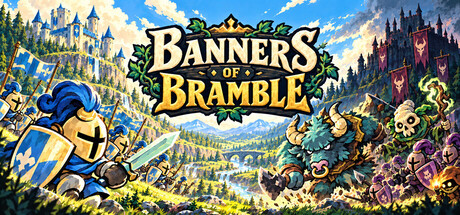 Banners of Bramble In-game content audio | Code checking, and music generation, and voice generation was made using Generative Artificial Intelligence. | Parabolic | - | Oct 10, 2026 | |
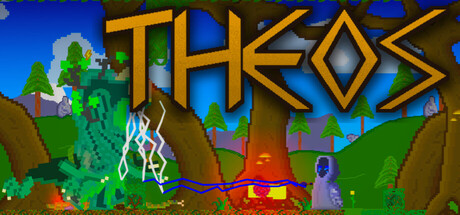 Theos In-game content artaudio | The music, most sound effects and a few sprites and icons were made with AI assistance and reviewed by the team. Store graphics were assembled with AI assistance from the team's own artwork. No AI generates content while you play. | OCoding | - | Oct 9, 2026 | |
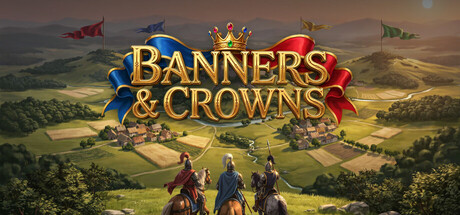 Banners & Crowns In-game content artaudiotextcode | The key art, story illustrations, kingdom portraits, music, opening film, menu video and its narration were produced with generative AI tools (Ideogram, Lyria, Seedance, Kling and ElevenLabs, through Artlist) and then selected, edited and assembled by the developer. The 3D map, units and buildings are procedural low-poly models built in code, and the sound effects are synthesised in the game. The game was written with the help of an AI coding assistant. No content is generated while the game is running; everything is pre-generated and shipped in the build. No real people's likenesses or voices are used. | EDOBGames | - | Oct 9, 2026 | |
 聚落1592 In-game content art | The scene atmosphere images and the port and building illustrations in the game were generated using AI. | 土猫 | - | Oct 9, 2026 | |
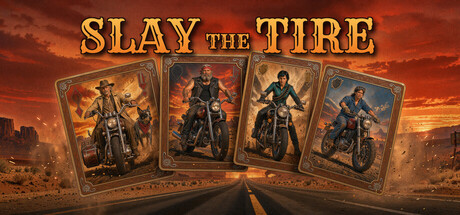 Slay the Tire In-game content artaudiotext | Slay the Tire combines original human authorship with generative AI tools. I designed and wrote the game, its locations, and gameplay. AI assisted with visual assets, including card art, textures, 3D models, scenery, and marketing artwork, as well as audio production and store text. The soundtrack began as music I composed and performed on instruments, then used Suno for styling, orchestration, and production. All content is prepared during development; no AI content is generated during gameplay. | Save Point LLC | - | Oct 9, 2026 | |
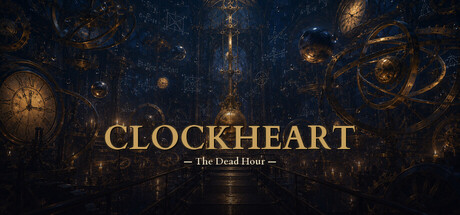 CLOCKHEART — The Dead Hour In-game content art | The game includes 2D illustrations created with generative AI during development, including characters, enemies and backgrounds. These images were then manually cleaned up, edited and integrated into the game. The game does not generate AI content during gameplay. | AXONE GAMES | - | Oct 9, 2026 | |
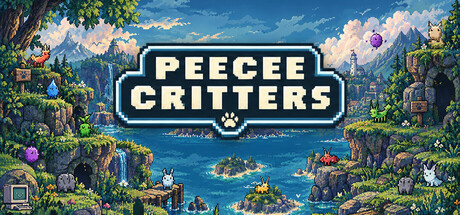 PeeCee Critters In-game content artaudio | The key art and logo began as an AI-generated base image, which we then reworked and finished by hand in Photoshop. The narration in the trailers is a synthetic voice made with a text-to-speech model. Nothing inside the game is AI-generated: every critter, the world, the device, the music and the sound are drawn and composed by the game's own code. | MutantToes Studios | - | Oct 9, 2026 | |
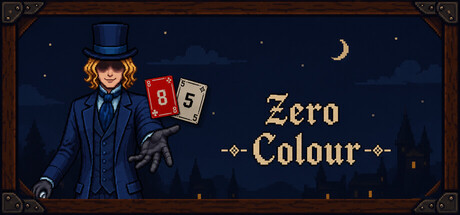 Zero Colour In-game content arttext | Hello! It’s a pleasure to greet you.
I am the developer of Zero Colour.
As you may notice, some aspects of the game include AI. I understand that some people may not like this or may find it bothersome, so I apologize for that.
I am using this tool because I do not have the resources to hire professionals for the game’s art or translations. Please excuse any mistakes; I did my best.
I hope you enjoy the game. If you have any corrections or suggestions, please feel free to let me know.
Thank you very much! | coffeeandcookies2k | - | Oct 9, 2026 | |
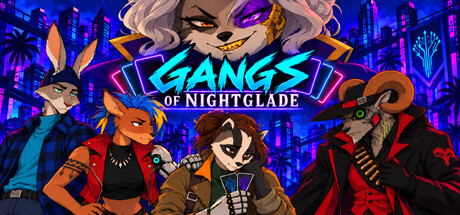 Gangs of Nightglade In-game content artaudio | 1) Artwork: card illustrations and other visual assets were created with the help of AI image generation tools, then selected and edited by the developer.
2) Music: the soundtrack was created with the help of AI music generation tools. | Massive Mustache | - | Oct 9, 2026 | |
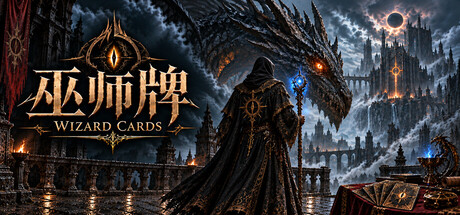 巫师牌《Wizard Cards》 In-game content artaudio | AI was used to create artwork, music, audio and store images. All content is pre-generated; no live AI or external AI services. | fj游界 | - | Oct 9, 2026 | |
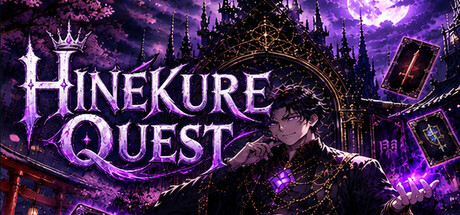 ひねくれクエスト In-game content arttext | Generative AI tools were used during development to assist in creating some artwork, text, and localization used in the game. All AI-assisted content was reviewed, selected, and edited by the developer before being included in the game. No generative AI is used during gameplay. | PAYGAMES | - | Oct 9, 2026 | |
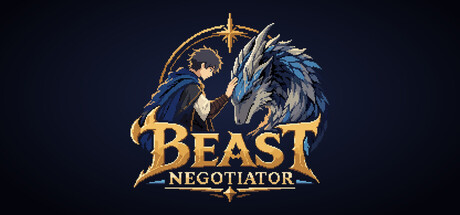 BEAST NEGOTIATOR In-game content arttext | This game uses generative AI to create pre-generated content that ships with the game: character and monster artwork, backgrounds and other images, the logo, negotiation dialogue text, and level design. The store page text and marketing images are also created with AI assistance. No AI content is generated live while you play. | solvenode | - | Oct 9, 2026 | |
 The President: 20th Century 2 In-game content art | Some visual assets in this game (such as illustrations, icons, and background images) were created with the assistance of generative AI tools. All AI-generated content was reviewed, edited, and curated by our development team before being included in the game. | Oxiwyle Inc. | - | Oct 9, 2026 | |
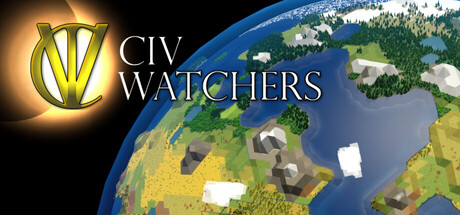 CIV Watchers In-game content art | Some icons and images in the game were created using generative AI. All AI-generated content is reviewed, edited, and curated by the developer. No live generative AI is used during gameplay. | Done by One Games | - | Oct 9, 2026 | |
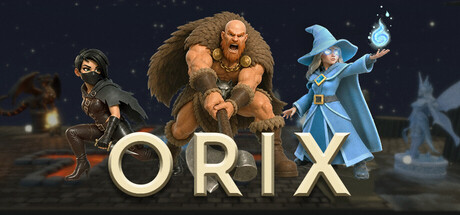 Orix In-game content art | Some of the art in Orix was made with the help of generative AI. The character models were generated from AI-assisted concept art, then edited, retextured, and adjusted by hand for the game. The achievement icons were made the same way. Music and sound effects are licensed from human-made asset packs.
Nothing is generated while you play. Every asset in the game is fixed at build time and identical for every player. | Save Anywhere Games | - | Oct 9, 2026 | |
 Sea of Silence In-game content art | Generative AI tools were used during development to assist in creating some visual artwork and image assets used in the game. All AI-assisted content was generated prior to release and was reviewed, selected, and integrated by the development team before being included in the final product. The game does not use generative AI during runtime and does not generate content dynamically for players. | zyc_zzmzs@163.com | - | Oct 9, 2026 | |
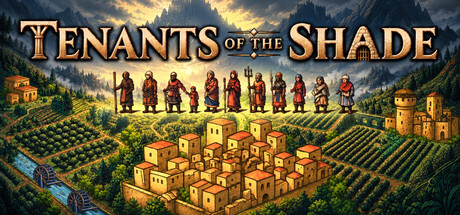 Tenants of the Shade In-game content art | I've spent years developing *Tenants of the Shade*, and our team has devoted thousands of hours to programming, artwork, and music. We also use generative AI tools to assist with editing and creating select assets, including some in-game icons and 3D models, as well as promotional materials.
The game is still in development, and these assets may change before release. We welcome questions about our creative process on Discord or in the Steam Community forums. | Stormjest | - | Oct 8, 2026 | |
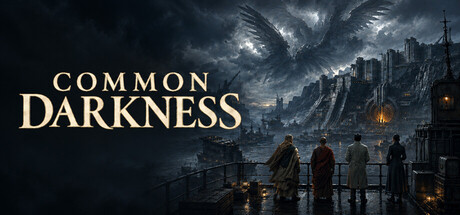 Common Darkness In-game content artaudiotext | AI tools were used to create pre-generated artwork, music, sound effects, and narration, including artwork used on this store page. | One More Turn Games | - | Oct 7, 2026 | |
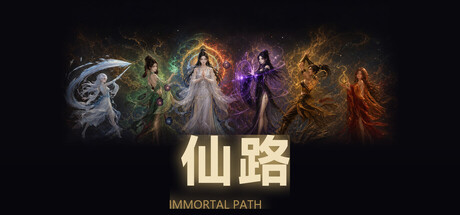 Immortal Path In-game content art | Some art assets of this game were generated with generative AI assistance during development, including character and enemy portraits, card illustrations, icons, chapter backgrounds, UI elements, comic storyboards, and store page promotional images. All assets were generated following directions set by the developer. Every asset was manually screened, edited and adjusted one by one before integration into the game. No AI-generated assets are used without human review. | WANG Peng | - | Oct 7, 2026 | |
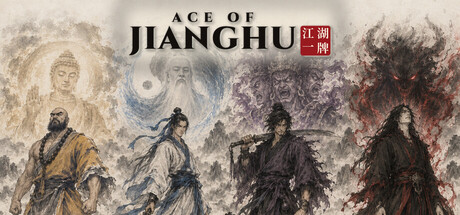 江湖一牌:无情武林 / Ace of Jianghu In-game content artaudiotext | The art, music, and sound effects in this game were made with the help of generative AI tools, and each piece was selected and refined by the developer. The Chinese and English translations were drafted with AI assistance and will continue to be refined throughout Early Access. The story and dialogue were written by the developer, and the game was designed by the developer. | 墨劍 Ink Blade | - | Oct 7, 2026 | |
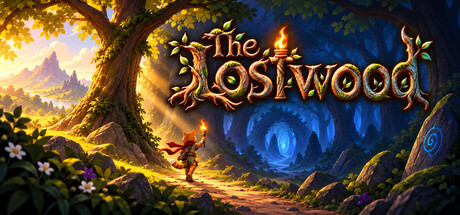 The Lostwood In-game content artaudiotext | AI-assisted tools were used during the development of some visual assets, music, and localization. All AI-assisted content has been reviewed, edited, and integrated by the development team, and is used under licenses that permit commercial use. | PolyVoxel | - | Oct 7, 2026 | |
 一镜到底! In-game content artcode | Generative AI Usage Disclosure
Generative AI tools were used during the development of One Last Shot! to generate or assist with the game’s code, character designs, and visual assets. This includes AI-assisted programming, refactoring, and debugging, as well as AI-generated or AI-assisted character concepts, card artwork, backgrounds, UI elements, and other visual assets.
All AI-generated or AI-assisted content included in the released version was reviewed, edited, integrated, and tested by the development team. The game does not use live generative AI during gameplay, and no text, images, audio, or other content is generated at runtime through an external AI service. | Coach Gao | - | Oct 7, 2026 | |
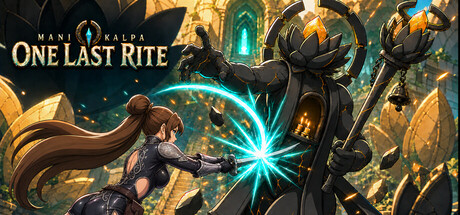 Mani Kalpa: One Last Rite In-game content art | Some 3D models, textures and animations were AI-generated, then edited by human artists in our team. | Bhavil Gupta | - | Oct 7, 2026 | |
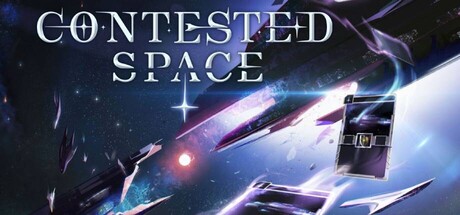 Contested Space In-game content codetext | AI tools were used to assist with some of the programming, under the direction and review of the game's developer. AI was also used in the translation process for non-English languages. All art and music were created by human artists. | Null & Void Games LLC | - | Oct 7, 2026 | |
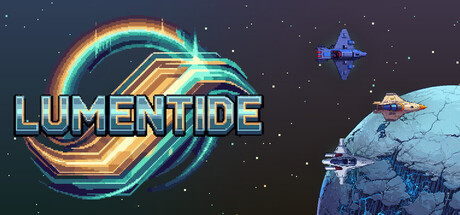 Lumentide In-game content artaudio | Ai services are used to create some of the artwork and sounds in Lumentide. | SonicDMG Games | - | Oct 7, 2026 | |
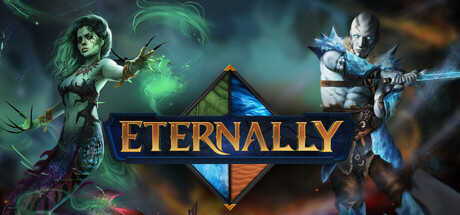 Eternally In-game content audio | Three non-playable characters, the Celestial narrator and the antagonists Vexaroth and Valdris, are voiced with AI-generated voices. All playable characters are voiced by human actors. A small number of sound effects were also created with AI tools. No content is generated by AI while you play. | Astral Kranium Ltd | - | Oct 7, 2026 |


