


Disclosure
Immortal Rebirth utilizes generative AI for some in-game icons.
- Creator
- RuYan
- Reviews
- -
- Added
- Jun 9, 2026
Public Steam disclosure research 26,001 disclosures tracked
Search developers’ Steam disclosures, compare classified AI use across games, and follow recorded changes. This index adds cross-game classifications and statistics to statements published on individual store pages.
Code help, debugging and other development work.
Capsule art, trailers and promotional material.
Pre-made art, audio, writing and other game assets.
Interactive or runtime AI features disclosed by the developer.
Groups reflect automatic analysis of public disclosures; mature records are excluded. These counts do not measure AI use across all of Steam. Missing or unclear statements cannot establish whether a game uses AI.
Immortal Rebirth utilizes generative AI for some in-game icons.
Most AI product icons were replaced, but some may still exist in game as part of textures or standalone images AI was used to fix, format, and translate Steam Store Page assets and in-game text to various languages; to generate products icons
Music in this game was produced with the help of AI
SurfaceBox uses generative artificial intelligence to create some selected visual assets, including certain promotional images from the store page and some in-game graphic elements. Most of the assets, as well as programming, game design and final integration, were created and reviewed manually by the developer. No artificial intelligence is used to generate content in real time during the game.
This game uses generative AI tools to assist in creating some art assets, sound effects, and text content. All generated content has been reviewed and edited by humans to ensure compliance and quality.
Some assets used in this game may have been created using AI. Information about these assets can be found in the game's credits.
This game contains pre-generated content created with the assistance of generative artificial intelligence (AI). Some or all character illustrations, background scenes, visual assets, story content, character dialogue, voice content, and background music were created or assisted using generative AI technologies during development. All such content was reviewed, refined, and integrated into the final version of the game by the development team.
Generative AI video tools were used to assist in creating some trailer and marketing video materials. The game itself does not use live-generated AI content.
AI were used to assist with translating text into multiple languages.
Some 2D textures contain AI-generated content.
AI is used for some of the music and images in the game.
Store page and in-game translations, as well as some materials, are generated using AI.
translations into non-English languages (otherwise I could not translate the game into everyone's language in good time)
Some in-game images and user interface (UI) elements were created with generative AI assistance, then reviewed and edited by our team for use in the game and store materials.
Non-English localizations are AI-assisted and reviewed by our team for quality. Simplified Chinese was additionally reviewed by a native speaker. We welcome community feedback to help improve translations over time.
Scourge of the Necromancer makes significant use of generative AI in its production. We want to be fully upfront about it. Visual assets (2D images + video) — all AI-generated, then human-curated and human-edited. Every shipped image and video in the game and on the Steam store page was produced with AI tools, then reviewed, edited, and selected by hand by the developer. This covers: Steam store capsules and library art, the store-page background, all in-game achievement icons, hero portraits, the Necromancer concept art, decorative UI elements, all real-time cinematics (the defeat sequence and all victory variants), and the marketing trailer's atmospheric segments. Image models used: Google Imagen 4, Google Veo 3.1 (video), Nano Banana Pro / Gemini 3 Pro Image (Google), Black Forest Labs FLUX.2, Recraft V4 Pro, Ideogram V3, and Bria RMBG-2.0 (background removal). Final assets received human editing — compositing, color correction, retouching, frame extraction, masking, and rejection of unusable outputs. 3D models — AI-generated base meshes, then human-edited in Blender. The in-game hero character models (Knight, Cleric, Ranger, Wizard, Warrior, Alchemist) started as outputs from Tripo AI's generative 3D model service (FBX + texture PNGs), but each model was then opened in Blender by the developer for hand editing — mesh cleanup, geometry adjustments, and texture fixes — before being exported for use in the game. Each finished model was imported into Unity with hand-tuned scale, rotation, material configuration, and import-setting curation. Unsatisfactory generations were discarded and re-prompted; the Blender editing step is substantial enough that the shipped models are not pure AI output. Music — AI-generated, then human-curated and post-processed. All music tracks in the game (menu, gameplay layers, boss phases, victory, defeat) were produced with Google Gemini's music generation, then human-selected, trimmed, looped, and mixed by the developer. Necromancer voice — AI-generated, then human-edited. The Necromancer's spoken syllables were synthesized with ElevenLabs Text-to-Speech (Eleven Multilingual v2 model), then pitch-shifted, EQ'd, and processed with reverb in Audacity by the developer to produce the final in-game delivery. No other character has spoken voice lines in the shipped game. Sound effects — all AI-generated. Every SFX in the game (ability sounds, ambient layers, UI sounds, footsteps, kill/spawn cues, tile state cues, boss audio) was produced with ElevenLabs Sound Effects, then human-selected, trimmed, processed, and mixed by the developer. The Necromancer voice lines use ElevenLabs Text-to-Speech (covered separately above). Runtime behavior. The game does NOT use live-generated AI content at runtime. Every shipped asset is a fixed, pre-rendered file. Player-facing text, dialogue, narrative, lore, and game design were written by the developer without AI generation. Code. Code development used Claude (Anthropic) as an AI coding assistant. This is behind-the-scenes efficiency tooling not consumed by players, but we mention it here for full transparency.
AI is used to generate realistic conversations with Non-Playable Characters.
Some of the artwork shown in our store screenshots, trailer, and on the app's in-game screen is placeholder media created with an AI image-generation tool (Google's Gemini image model). This includes the example movie posters, album covers, TV-series key art, and the cinematic "now playing" stills. These images depict entirely fictional films, albums, and shows. They exist only as copyright-safe demo content so we can show the app's interface without displaying real, copyrighted media that the user does not own the rights to publish. They do not represent any real title. Reel Room is a media player for the user's own library (Jellyfin server, local files, and network shares). The app performs no AI generation at runtime — all media a player sees in normal use is their own content. This is pre-generated content only; there is no live/runtime-generated AI.
Yes, some environment elements and decorative assets in the game were created with the assistance of generative AI. All AI-generated content has been manually edited and polished to ensure it fits the game's overall art style and to guarantee the absence of any prohibited content.
Some visual assets (pixel art backgrounds, card sprites) and marketing copy (store descriptions) were created with the assistance of generative AI tools. All AI-generated content was reviewed, curated, and refined by the developer.
We believe that no person should be replaced by AI. All Primals — their models, animation, rigging, textures, SFX, and VFX — have been handcrafted by skilled artists. Our developers may choose to use generative AI as part of an iterative, exploratory development process, but how and when is left to individual team members, and the final product always reflects the creativity and expression of our own development team. As a small team, we have licensed some icons and 2D assets from external creators, and it is possible that some of these creators have used generative AI.
The store images and splash page were generated by xAI Grok, the music is by Suno. CoPilot and Claude helped me with the coding.
Generative AI was used to assist in the creation of promotional visual assets, including the game's logo and certain store page artwork. No gameplay content, code, story, dialogue, quests, characters, or game mechanics are generated by AI. All gameplay screenshots represent actual in-game content.
Use of A.I. generative approach to modernize the original promotional images for the games.
just for art
Music in Keeping Up is AI-assisted: tracks generated with Suno from prompts written, selected and edited by the developer. Code was written with the help of an AI coding assistant, under the developer's direction and review. Most in-game artwork (character portraits, board art, store capsules) are human-made by the project's artists. There are some placeholder AI artwork images.
Background and character were partially assisted with AI-editing tools.
Generative AI tools may be used during the development and marketing of WBS26 to assist with concept art, promotional images, placeholder visual materials, character portraits, text editing, localization support, and production workflow. Some character portraits or visual assets may be created or assisted by generative AI tools and then reviewed, selected, and edited by the developer before being included in the game. The game does not use generative AI to create gameplay content in real time for the player. AI-assisted materials are reviewed and edited by the developer before being included in the game or on the Steam store page.
Steam capsule art and a background image in game.
The game does not feature any live or procedurally generated AI content. The entire player experience consists of fixed, hand-crafted assets with AI assistance and static, local code.
Generative AI tools were used during development to assist in creating, texturing, and editing background elements for the promotional marketing materials, library assets, and store page capsules. No AI content is generated live during gameplay.
Generative AI tools were used during development to assist with code, UI, audio, and promotional materials.
This game contains AI-generated content. Visual assets, sound effects, music, code, and various creative elements were created with the assistance of AI tools. The overall game concept, direction, gameplay ideas, and project design were created and directed by the developer.
AI has been used for dialog voices.
이 게임의 아래 항목은 생성형 인공지능을 활용해 제작되었습니다. 하기된 모델링은 생성형 인공지능을 활용해 제작되었습니다. - 보스 1개체 하기된 사운드트랙은 제작된 사운드트랙을 Suno.ai를 활용해 리믹스 되었습니다. - 06.Boss3_Night Of Fear_Rock Ver - 07.Boss4_Time For Proof_Rock Ver - 08.Final Boss_A Glorious Battle - 09.Luminal Trace_Ending Ver
Generative AI was used for music, select visual assets, and early store-page drafts; final content was edited and curated by the developer.
Some 2D static art in this game (for example component icons in the UI, backgrounds, or similar decorative assets) was created with assistance from generative AI tools during development. Those assets were reviewed, edited, recolored, and cropped by humans before being included in the shipped build. The game does not call generative AI while you play—there is no live AI-generated story, dialogue, or imagery shown at runtime; gameplay rules, levels, and balance are implemented by design and code. We will update this statement and its localizations if our use of generative AI changes.
AI was used only to enhance storyboard artwork and loading screen images.
Used for multi-language support.
We used AI to generate initial music tracks, concept art, and temporary translations into some languages. All materials were then thoroughly edited, reworked, and finalized by humans. Nothing went straight from the generator into the game.
This game was developed with the assistance of generative artificial intelligence (AI) tools to help a solo developer complete the project. Specific uses of AI include: 1. Art Assets: Some visual assets in the game, such as background images and UI elements, were created with the assistance of AI image generation tools. 2. Code and Logic Assistance: The basic code framework and certain gameplay logic scripts were developed with the assistance of AI coding tools. This game does not contain any real-time AI-generated content. All game assets and content were generated in advance, manually reviewed by the developer, and packaged as fixed content within the game.
Images, sound effects, music, translation
Portions of the art assets and code utilize AI-generated content.
Portions of the game's visual assets and promotional artwork were created or enhanced using generative AI tools and were subsequently reviewed, edited, and integrated into the final product by the developer.
This game uses generative AI in the following areas: • Background artwork: All static background images displayed in menus and screen backdrops (e.g. brewery interior, fields, market, taverns) were created using generative AI. All images were carefully curated, selected, and post-processed by the developer to fit the game's "Soft Cinematic" 19th-century Belle Époque visual style. • Sound effects and ambient audio: Some in-game sounds were generated using AI audio tools under appropriate commercial licenses. All sounds were reviewed and selected by the developer. • Mission and narrative text: The campaign concept, story arc, and game design are the original work of the developer. Some campaign mission descriptions and in-game event texts were initially drafted with AI assistance based on the developer's outlines, and then reviewed, edited, and adapted to fit the game's tone and historical setting. No generative AI is used during gameplay. All gameplay logic, mechanics, character behaviors, and AI competitor strategies are implemented as deterministic code that does not generate content at runtime. The game does not connect to any external AI services.
During the development of THE GRAVITY COMPLEX®, generative AI tools were occasionally used to assist in the creation and refinement of certain assets, including concept art, textures, music, and sound effects. All AI-assisted content was curated, reviewed, modified, and integrated into the game's overall artistic direction by the development team. No AI-generated content is created live during gameplay, and the game does not rely on external AI services while being played.
The game's English and Japanese translations were generated using AI-assisted translation.
This game uses AI-generated and post-edited content for the presentation of scenes and characters.
Some sound effects and audio assets were initially generated using generative AI tools, and subsequently edited and refined by a human sound designer to fit the game's requirements.
RAX uses generative AI-assisted content in limited areas. Background music was generated with Flow Music. English localization text was assisted by generative AI and manually reviewed/edited by the developer. Some promotional visual assets, including posters and background images used for the Steam store page, community assets, or marketing materials, were created with AI image generation tools. All gameplay systems, puzzle rules, level design, game logic, and player interactions are manually designed by the developer. RAX does not use real-time generative AI during gameplay.
| Title⇅ | Disclosure | Creator⇅ | Src | Reviews⇅ | Added↓ |
|---|---|---|---|---|---|
 重生修仙 In-game content art | Immortal Rebirth utilizes generative AI for some in-game icons. | RuYan | - | Jun 9, 2026 | |
 Order Picker Simulator In-game content arttext | Most AI product icons were replaced, but some may still exist in game as part of textures or standalone images
AI was used to fix, format, and translate Steam Store Page assets and in-game text to various languages; to generate products icons | trushkeen | 37 | Jun 9, 2026 | |
 Gambillion In-game content audio | Music in this game was produced with the help of AI | AlbinoGiraffe | - | Jun 9, 2026 | |
 SurfaceBox In-game content art | SurfaceBox uses generative artificial intelligence to create some selected visual assets, including certain promotional images from the store page and some in-game graphic elements. Most of the assets, as well as programming, game design and final integration, were created and reviewed manually by the developer. No artificial intelligence is used to generate content in real time during the game. | Delyei | - | Jun 9, 2026 | |
 异星战场 In-game content artaudiotext | This game uses generative AI tools to assist in creating some art assets, sound effects, and text content. All generated content has been reviewed and edited by humans to ensure compliance and quality. | TapfunGame | - | Jun 9, 2026 | |
 The Magic Master In-game content artaudiotext | Some assets used in this game may have been created using AI. Information about these assets can be found in the game's credits. | BERCAMILAN | - | Jun 9, 2026 | |
 双面魔君心上仙 In-game content arttextaudio | This game contains pre-generated content created with the assistance of generative artificial intelligence (AI).
Some or all character illustrations, background scenes, visual assets, story content, character dialogue, voice content, and background music were created or assisted using generative AI technologies during development. All such content was reviewed, refined, and integrated into the final version of the game by the development team. | 未来梦科技有限公司 | - | Jun 9, 2026 | |
 Sweet Clockwork Store/marketing art | Generative AI video tools were used to assist in creating some trailer and marketing video materials. The game itself does not use live-generated AI content. | Team D.T.R | - | Jun 9, 2026 | |
 Tyreman In-game content text | AI were used to assist with translating text into multiple languages. | NeroNn | - | Jun 9, 2026 | |
 怖録 In-game content art | Some 2D textures contain AI-generated content. | I-rori Entertainment Co., Ltd. | - | Jun 9, 2026 | |
 The Suitcase Agents In-game content artaudio | AI is used for some of the music and images in the game. | バクエボ | - | Jun 9, 2026 | |
 BROMS: Battle Royale Management Simulator In-game content text | Store page and in-game translations, as well as some materials, are generated using AI. | MIZO CLEATE | - | Jun 8, 2026 | |
 Atomcraft In-game content text | translations into non-English languages (otherwise I could not translate the game into everyone's language in good time) | Triplejump | 340 | Jun 8, 2026 | |
 TenguHanafuda In-game content art | Some in-game images and user interface (UI) elements were created with generative AI assistance, then reviewed and edited by our team for use in the game and store materials. | MTJFan | - | Jun 8, 2026 | |
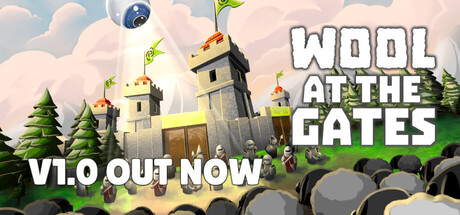 Wool at the Gates In-game content text | Non-English localizations are AI-assisted and reviewed by our team for quality. Simplified Chinese was additionally reviewed by a native speaker. We welcome community feedback to help improve translations over time. | Okay Creature | 77 | Jun 8, 2026 | |
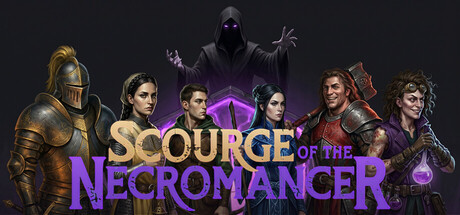 Scourge of the Necromancer In-game content artaudiotext | Scourge of the Necromancer makes significant use of generative AI in its production. We want to be fully upfront about it.
Visual assets (2D images + video) — all AI-generated, then human-curated and human-edited. Every shipped image and video in the game and on the Steam store page was produced with AI tools, then reviewed, edited, and selected by hand by the developer. This covers: Steam store capsules and library art, the store-page background, all in-game achievement icons, hero portraits, the Necromancer concept art, decorative UI elements, all real-time cinematics (the defeat sequence and all victory variants), and the marketing trailer's atmospheric segments. Image models used: Google Imagen 4, Google Veo 3.1 (video), Nano Banana Pro / Gemini 3 Pro Image (Google), Black Forest Labs FLUX.2, Recraft V4 Pro, Ideogram V3, and Bria RMBG-2.0 (background removal). Final assets received human editing — compositing, color correction, retouching, frame extraction, masking, and rejection of unusable outputs.
3D models — AI-generated base meshes, then human-edited in Blender. The in-game hero character models (Knight, Cleric, Ranger, Wizard, Warrior, Alchemist) started as outputs from Tripo AI's generative 3D model service (FBX + texture PNGs), but each model was then opened in Blender by the developer for hand editing — mesh cleanup, geometry adjustments, and texture fixes — before being exported for use in the game. Each finished model was imported into Unity with hand-tuned scale, rotation, material configuration, and import-setting curation. Unsatisfactory generations were discarded and re-prompted; the Blender editing step is substantial enough that the shipped models are not pure AI output.
Music — AI-generated, then human-curated and post-processed. All music tracks in the game (menu, gameplay layers, boss phases, victory, defeat) were produced with Google Gemini's music generation, then human-selected, trimmed, looped, and mixed by the developer.
Necromancer voice — AI-generated, then human-edited. The Necromancer's spoken syllables were synthesized with ElevenLabs Text-to-Speech (Eleven Multilingual v2 model), then pitch-shifted, EQ'd, and processed with reverb in Audacity by the developer to produce the final in-game delivery. No other character has spoken voice lines in the shipped game.
Sound effects — all AI-generated. Every SFX in the game (ability sounds, ambient layers, UI sounds, footsteps, kill/spawn cues, tile state cues, boss audio) was produced with ElevenLabs Sound Effects, then human-selected, trimmed, processed, and mixed by the developer. The Necromancer voice lines use ElevenLabs Text-to-Speech (covered separately above).
Runtime behavior. The game does NOT use live-generated AI content at runtime. Every shipped asset is a fixed, pre-rendered file. Player-facing text, dialogue, narrative, lore, and game design were written by the developer without AI generation.
Code. Code development used Claude (Anthropic) as an AI coding assistant. This is behind-the-scenes efficiency tooling not consumed by players, but we mention it here for full transparency. | Ember Logic LLC | - | Jun 8, 2026 | |
 Mage Duel Live AI text | AI is used to generate realistic conversations with Non-Playable Characters. | TUTORWORKS | - | Jun 8, 2026 | |
 Reel Room In-game content art | Some of the artwork shown in our store screenshots, trailer, and on the app's in-game screen is placeholder media created with an AI image-generation tool (Google's Gemini image model). This includes the example movie posters, album covers, TV-series key art, and the cinematic "now playing" stills.
These images depict entirely fictional films, albums, and shows. They exist only as copyright-safe demo content so we can show the app's interface without displaying real, copyrighted media that the user does not own the rights to publish. They do not represent any real title.
Reel Room is a media player for the user's own library (Jellyfin server, local files, and network shares). The app performs no AI generation at runtime — all media a player sees in normal use is their own content. This is pre-generated content only; there is no live/runtime-generated AI. | Union25 LLC | - | Jun 8, 2026 | |
 100 Hidden Cats Stream Life In-game content art | Yes, some environment elements and decorative assets in the game were created with the assistance of generative AI. All AI-generated content has been manually edited and polished to ensure it fits the game's overall art style and to guarantee the absence of any prohibited content. | BandaIt | - | Jun 8, 2026 | |
 Chopex In-game content arttext | Some visual assets (pixel art backgrounds, card sprites) and marketing copy (store descriptions) were created with the assistance of generative AI tools. All AI-generated content was reviewed, curated, and refined by the developer. | senator.ovh | - | Jun 8, 2026 | |
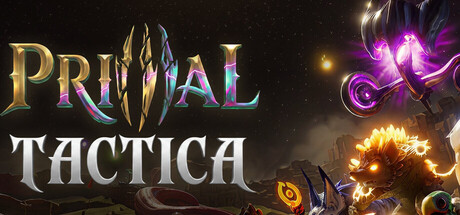 Primal Tactica In-game content art | We believe that no person should be replaced by AI. All Primals — their models, animation, rigging, textures, SFX, and VFX — have been handcrafted by skilled artists.
Our developers may choose to use generative AI as part of an iterative, exploratory development process, but how and when is left to individual team members, and the final product always reflects the creativity and expression of our own development team.
As a small team, we have licensed some icons and 2D assets from external creators, and it is possible that some of these creators have used generative AI. | Errata Studio Ltd | - | Jun 8, 2026 | |
 Demon Protocol In-game content artaudiocode | The store images and splash page were generated by xAI Grok, the music is by Suno. CoPilot and Claude helped me with the coding. | Pete Potos | - | Jun 8, 2026 | |
 Rise Of Eurevia In-game content art | Generative AI was used to assist in the creation of promotional visual assets, including the game's logo and certain store page artwork. No gameplay content, code, story, dialogue, quests, characters, or game mechanics are generated by AI. All gameplay screenshots represent actual in-game content. | AsteDrixx Games | - | Jun 8, 2026 | |
 Gaelco Sports Collection (QUByte Classics) Store/marketing art | Use of A.I. generative approach to modernize the original promotional images for the games. | QUByte Interactive | - | Jun 8, 2026 | |
 Collector Store/marketing art | just for art | hubel | - | Jun 8, 2026 | |
 Keeping Up In-game content audioart | Music in Keeping Up is AI-assisted: tracks generated with Suno from prompts written, selected and edited by the developer. Code was written with the help of an AI coding assistant, under the developer's direction and review. Most in-game artwork (character portraits, board art, store capsules) are human-made by the project's artists. There are some placeholder AI artwork images. | Nice Try Studios | - | Jun 8, 2026 | |
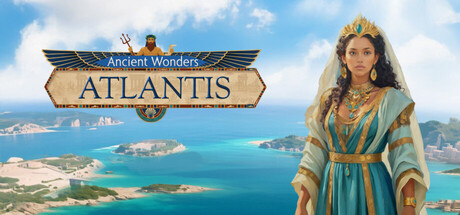 Ancient Wonders Atlantis In-game content arttext | Background and character were partially assisted with AI-editing tools. | Seven Sails Games | - | Jun 8, 2026 | |
 WBS26 In-game content arttext | Generative AI tools may be used during the development and marketing of WBS26 to assist with concept art, promotional images, placeholder visual materials, character portraits, text editing, localization support, and production workflow.
Some character portraits or visual assets may be created or assisted by generative AI tools and then reviewed, selected, and edited by the developer before being included in the game.
The game does not use generative AI to create gameplay content in real time for the player. AI-assisted materials are reviewed and edited by the developer before being included in the game or on the Steam store page. | Maksym Lohvynenko | - | Jun 8, 2026 | |
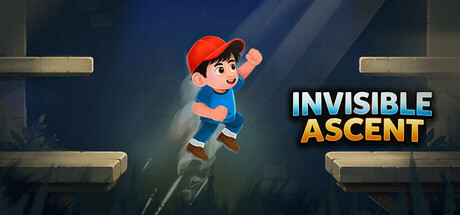 Invisible Ascent In-game content art | Steam capsule art and a background image in game. | Farrukh Sajjad | - | Jun 8, 2026 | |
 50 Sloths in Costa Rica Dev only | The game does not feature any live or procedurally generated AI content. The entire player experience consists of fixed, hand-crafted assets with AI assistance and static, local code. | Sephinom | - | Jun 8, 2026 | |
 Last Dose Store/marketing art | Generative AI tools were used during development to assist in creating, texturing, and editing background elements for the promotional marketing materials, library assets, and store page capsules. No AI content is generated live during gameplay. | XdevjabeR | - | Jun 8, 2026 | |
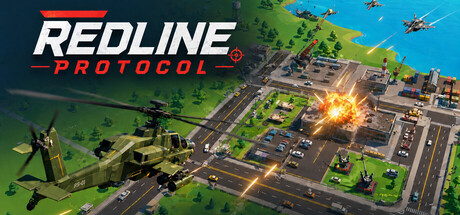 Redline Protocol In-game content codeartaudio | Generative AI tools were used during development to assist with code, UI, audio, and promotional materials. | Cranky Crow Games | - | Jun 8, 2026 | |
 Kula In-game content artaudiocode | This game contains AI-generated content. Visual assets, sound effects, music, code, and various creative elements were created with the assistance of AI tools. The overall game concept, direction, gameplay ideas, and project design were created and directed by the developer. | Mor10 Productions | - | Jun 8, 2026 | |
 SHOCKFACE In-game content audio | AI has been used for dialog voices. | adrenak | - | Jun 8, 2026 | |
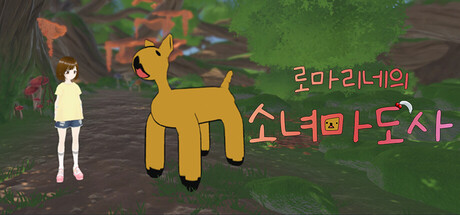 Romarine : The Little Mage In-game content artaudio | 이 게임의 아래 항목은 생성형 인공지능을 활용해 제작되었습니다.
하기된 모델링은 생성형 인공지능을 활용해 제작되었습니다.
- 보스 1개체
하기된 사운드트랙은 제작된 사운드트랙을 Suno.ai를 활용해 리믹스 되었습니다.
- 06.Boss3_Night Of Fear_Rock Ver
- 07.Boss4_Time For Proof_Rock Ver
- 08.Final Boss_A Glorious Battle
- 09.Luminal Trace_Ending Ver | Project MeYou | - | Jun 8, 2026 | |
 Ticker Panic In-game content audioarttext | Generative AI was used for music, select visual assets, and early store-page drafts; final content was edited and curated by the developer. | Leveraged Interactive | - | Jun 8, 2026 | |
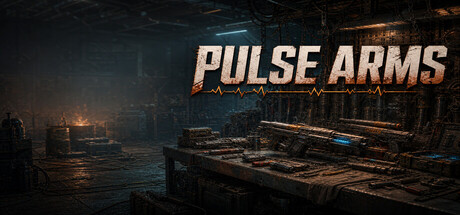 脉冲武装 In-game content art | Some 2D static art in this game (for example component icons in the UI, backgrounds, or similar decorative assets) was created with assistance from generative AI tools during development. Those assets were reviewed, edited, recolored, and cropped by humans before being included in the shipped build. The game does not call generative AI while you play—there is no live AI-generated story, dialogue, or imagery shown at runtime; gameplay rules, levels, and balance are implemented by design and code. We will update this statement and its localizations if our use of generative AI changes. | HuangJianJian | - | Jun 8, 2026 | |
 Explosive Track Store/marketing art | AI was used only to enhance storyboard artwork and loading screen images. | UY Studios | - | Jun 8, 2026 | |
 Endless Defense In-game content text | Used for multi-language support. | Yamu Studios | - | Jun 8, 2026 | |
 Vacation Cafe Simulator In-game content audioarttext | We used AI to generate initial music tracks, concept art, and temporary translations into some languages.
All materials were then thoroughly edited, reworked, and finalized by humans.
Nothing went straight from the generator into the game. | Alice Games | 369 | Jun 8, 2026 | |
 人生记事簿:Life Memoirs In-game content artcode | This game was developed with the assistance of generative artificial intelligence (AI) tools to help a solo developer complete the project.
Specific uses of AI include:
1. Art Assets: Some visual assets in the game, such as background images and UI elements, were created with the assistance of AI image generation tools.
2. Code and Logic Assistance: The basic code framework and certain gameplay logic scripts were developed with the assistance of AI coding tools.
This game does not contain any real-time AI-generated content. All game assets and content were generated in advance, manually reviewed by the developer, and packaged as fixed content within the game. | 悦文Yuewen | - | Jun 8, 2026 | |
 Totally Safe Delivery NOT In-game content artaudiotext | Images, sound effects, music, translation | SIENTURE | - | Jun 8, 2026 | |
 Ace Expedition In-game content artcode | Portions of the art assets and code utilize AI-generated content. | Angry Eggplant | - | Jun 8, 2026 | |
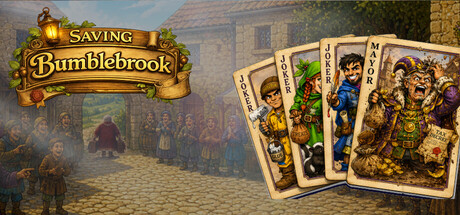 Saving Bumblebrook Store/marketing art | Portions of the game's visual assets and promotional artwork were created or enhanced using generative AI tools and were subsequently reviewed, edited, and integrated into the final product by the developer. | DYTForge | - | Jun 8, 2026 | |
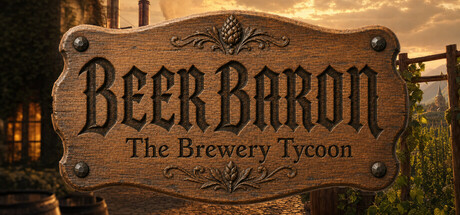 Braumeister: Der Brauerei-Tycoon In-game content artaudiotext | This game uses generative AI in the following areas:
• Background artwork: All static background images displayed in menus and screen backdrops (e.g. brewery interior, fields, market, taverns) were created using generative AI. All images were carefully curated, selected, and post-processed by the developer to fit the game's "Soft Cinematic" 19th-century Belle Époque visual style.
• Sound effects and ambient audio: Some in-game sounds were generated using AI audio tools under appropriate commercial licenses. All sounds were reviewed and selected by the developer.
• Mission and narrative text: The campaign concept, story arc, and game design are the original work of the developer. Some campaign mission descriptions and in-game event texts were initially drafted with AI assistance based on the developer's outlines, and then reviewed, edited, and adapted to fit the game's tone and historical setting.
No generative AI is used during gameplay. All gameplay logic, mechanics, character behaviors, and AI competitor strategies are implemented as deterministic code that does not generate content at runtime. The game does not connect to any external AI services. | Bernhard Robert Pichl | - | Jun 8, 2026 | |
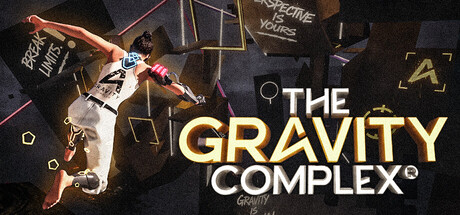 The Gravity Complex In-game content artaudio | During the development of THE GRAVITY COMPLEX®, generative AI tools were occasionally used to assist in the creation and refinement of certain assets, including concept art, textures, music, and sound effects. All AI-assisted content was curated, reviewed, modified, and integrated into the game's overall artistic direction by the development team. No AI-generated content is created live during gameplay, and the game does not rely on external AI services while being played. | Jona Fynn Schlegelmilch | - | Jun 8, 2026 | |
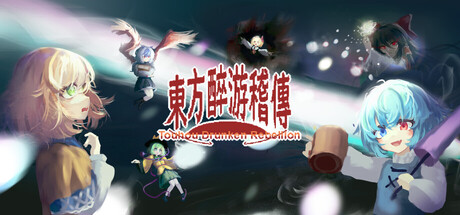 东方醉游稽传~Touhou Drunken Rebellion In-game content text | The game's English and Japanese translations were generated using AI-assisted translation. | 落羽社 | 101 | Jun 8, 2026 | |
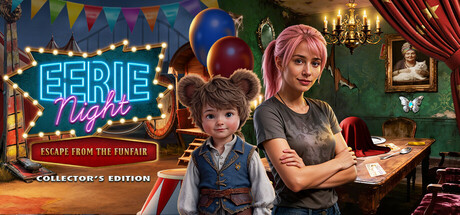 Eerie Night - Escape from the Funfair - Collector's Edition In-game content arttext | This game uses AI-generated and post-edited content for the presentation of scenes and characters. | magnussoft | - | Jun 8, 2026 | |
 DeepSeaIdle: Infinity Abyss In-game content audio | Some sound effects and audio assets were initially generated using generative AI tools, and subsequently edited and refined by a human sound designer to fit the game's requirements. | HIGHKICKSTUDIO | - | Jun 8, 2026 | |
 RAX In-game content audiotextart | RAX uses generative AI-assisted content in limited areas. Background music was generated with Flow Music. English localization text was assisted by generative AI and manually reviewed/edited by the developer. Some promotional visual assets, including posters and background images used for the Steam store page, community assets, or marketing materials, were created with AI image generation tools.
All gameplay systems, puzzle rules, level design, game logic, and player interactions are manually designed by the developer. RAX does not use real-time generative AI during gameplay. | leegons | - | Jun 8, 2026 |


