Public Steam disclosure research25,394 disclosures tracked
Where do games disclose AI use?
Search developers’ Steam disclosures, compare classified AI use across
games, and follow recorded changes.
This index adds cross-game classifications and statistics to
statements published on individual store pages.
Groups reflect automatic analysis of public disclosures; mature records are excluded. These counts do not measure AI use across all of Steam.
Missing or unclear statements cannot establish whether a game uses AI.
We use generative AI tools in parts of our development process, primarily to assist with creating 3D character models and visual/UI design assets. All AI-generated content is reviewed, edited, and integrated by our team.
All core assets originate from the creativity of our human artists. The use of AI tools is strictly limited to assisting and refining the environmental background designs.
The promotional images, image graphics, and library asset images of the game are rendered using AI, with the main elements being in-game content and only rendering the atmosphere.
Other game models, scenes, and music did not use AI.
Track-select card thumbnails (one image per race track) are AI-generated, pre-rendered JPEGs included in the bundled web build. These are static decorative thumbnails, not generated at runtime. No other in-game content uses generative AI.
Checkpoint64 has used AI to assist with development & styling.
Checkpoint64's dev team are Senior developers in their day jobs and know the code inside and out.
All art & assets where created by a Human graphic artist.
Players can freely converse with NPCs, and the game generates dialogue in real time based on the NPCs’ personalities and memories.
The main storyline will be handled by AI agents, which will generate plots consistent with the game’s world-building.
AI assists in creating CG scenes, background images, and character portraits.
In the development of this game, generative AI tools are used in the processes of programming code assistance and multilingual text translation to improve efficiency and quality.
Generative AI tools were used as development assistance for code drafting/debugging and for creating some visual source materials. All AI-assisted code and visuals included in the game were reviewed, modified, edited, and integrated by the development team.
During development, we used generative AI tools to assist in creating certain game content. This includes using AI to generate base concepts and visual assets for specific in-game items or backgrounds (which were subsequently refined manually), as well as using AI for multilingual localization and text polishing.
Some of the character art and backgrounds are based on images created with AI.
These are used only as a basis to start from and
are then heavily edited manually by our art team
to make them fit the visual style of the game —
the final product reflects the creativity and
expression of our own development team.
Some store page promotional artworks and trailer footage materials are assisted and initially generated by AI tools. All AI-generated content has been deeply manually revised, adjusted and optimized by our development team to ensure originality and compliance. No runtime AI dynamic content will be generated during the game running process.
Ultimate Jam uses generative AI for all coding and select pre-made assets (announcer voice and/or music), created from robot-human-written scripts and prompts, then edited by the team. Gameplay, controls, and AI opponents use traditional code — not generative AI. Nothing is generated live while you play.
All final artwork is created by our artists. AI-generated 2D placeholders are clearly labeled and will be replaced during production. Generative AI also assisted with select audio elements under our team’s direction.
AI was used to create background images in the novel, as well as objects in the levels, but the levels are drawn to the final stage manually by an artist.
Some visual and creative assets for this game were created or assisted using generative AI tools and then reviewed and edited by the developer before inclusion in the final product. The game does not generate AI content during gameplay.
Generative AI was used to assist with the translation and localization of menu text and interface elements, and to help create graphic assets for the Steam store page. All content was reviewed and approved by the developer before publication.
This game contains pre-generated AI-assisted audio content. Some music tracks were generated using Suno AI under an active paid subscription and later edited in Audacity. Some voice audio was generated using ElevenLabs under an active paid subscription and later edited in Audacity. No live AI generation occurs during gameplay.
ChatGPT/Codex was used to assist with writing and editing code.
One main menu background image was generated using ChatGPT.
All AI-assisted work was reviewed by the developer.
AI tools were used to assist with concept art direction, store artwork iteration, written content, UI text refinement, and creative planning. All final content was reviewed, edited, and implemented by the developer.
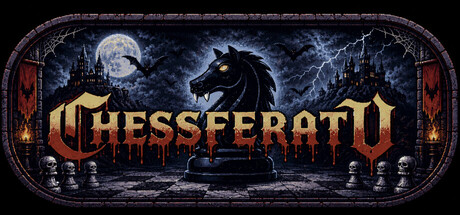
Chessferatu Graphics were generated using AI tools. Codex was used in the process of creating and refining code and in the porting of the code to different systems (Mobile to PC).
Generative AI Disclosure
Some visual concepts, promotional images, text drafts, and background music were created or edited with the assistance of generative AI tools. The final materials were reviewed, selected, modified, and integrated by the developer.
The game does not include real-time generative AI features during gameplay.
Generative AI is used for a single feature: to allow players to create a custom illustration of their character reflecting their personalized appearance and equipped items for in-game use. There is no other use of Generative AI assets in MapleStory.
AI tools were used to assist with parts of the background music and
artwork during development. In addition, AI-generated translation was
used for all languages other than Japanese.
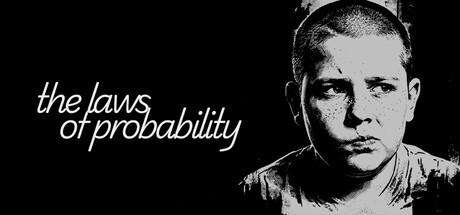
The story, code, mechanics, and every design decision of The Laws of Probability are entirely my own. The music was generated with AI tools based on my direction, and the backgrounds were AI-rendered from my hand-drawn sketches. Using this technology allowed me to bring the project's original vision to life and deliver a complete experience. I am sharing this openly because I respect your right to know.
This game uses generative AI tools during development for selected pre-generated content. The main uses include assistance with character illustrations, background images, store page assets, promotional materials, music, and sound effects.
Any AI-generated or AI-assisted materials are reviewed, selected, and edited by the developer before being used in the game or on the store page.
The game does not use generative AI during gameplay to create new text, images, audio, code, or other content in response to player input.
Character and background images were modified from AI-generated imagery.
The vast majority of the in-game music was created using AI tools to remix original-made tracks or add vocals.
Some musical tracks were generated entirely by AI.
Azura uses artificial intelligence to accelerate card prototyping, character ideas, and mechanic balancing, always providing creative support. All final content goes through human curation and collaborations with artists, ensuring a visually unique and soulful game.
This game uses generative AI tools during development to assist with concept exploration, reference image creation, asset iteration, text drafting, localization, and promotional material preparation.
All final in-game content is reviewed, edited, and selected by the developer before being included in the game. AI-generated outputs are not used directly without human review.
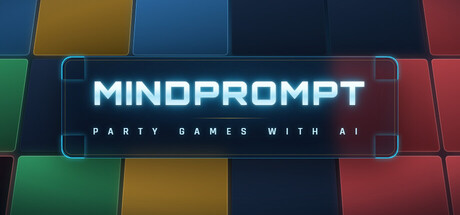
The AI acts as your gameplay partner (either as a captain or a guesser). It analyzes the words on the game board and generates short text clues, or tries to guess the correct words based on the text clues you provide.
We use generative AI as part of our development workflow to accelerate our production pipeline. Our artists use generative AI to quickly produce concept artwork. They then manually rework the selected pieces in Photoshop and other tools as needed, refining the work and adding or removing elements to reach the quality we require. Our Art Director gives final approval on all artwork. All AI-assisted content is generated during development and reworked by our team before it ships; no content is generated by AI at runtime. We have taken care to ensure this content does not include illegal or infringing material.
We use generative AI tools in parts of our development process, primarily to assist with creating 3D character models and visual/UI design assets. All AI-generated content is reviewed, edited, and integrated by our team.
All core assets originate from the creativity of our human artists. The use of AI tools is strictly limited to assisting and refining the environmental background designs.
The promotional images, image graphics, and library asset images of the game are rendered using AI, with the main elements being in-game content and only rendering the atmosphere.
Other game models, scenes, and music did not use AI.
Track-select card thumbnails (one image per race track) are AI-generated, pre-rendered JPEGs included in the bundled web build. These are static decorative thumbnails, not generated at runtime. No other in-game content uses generative AI.
Checkpoint64 has used AI to assist with development & styling.
Checkpoint64's dev team are Senior developers in their day jobs and know the code inside and out.
All art & assets where created by a Human graphic artist.
Players can freely converse with NPCs, and the game generates dialogue in real time based on the NPCs’ personalities and memories.
The main storyline will be handled by AI agents, which will generate plots consistent with the game’s world-building.
AI assists in creating CG scenes, background images, and character portraits.
In the development of this game, generative AI tools are used in the processes of programming code assistance and multilingual text translation to improve efficiency and quality.
Generative AI tools were used as development assistance for code drafting/debugging and for creating some visual source materials. All AI-assisted code and visuals included in the game were reviewed, modified, edited, and integrated by the development team.
During development, we used generative AI tools to assist in creating certain game content. This includes using AI to generate base concepts and visual assets for specific in-game items or backgrounds (which were subsequently refined manually), as well as using AI for multilingual localization and text polishing.
Some of the character art and backgrounds are based on images created with AI.
These are used only as a basis to start from and
are then heavily edited manually by our art team
to make them fit the visual style of the game —
the final product reflects the creativity and
expression of our own development team.
Some store page promotional artworks and trailer footage materials are assisted and initially generated by AI tools. All AI-generated content has been deeply manually revised, adjusted and optimized by our development team to ensure originality and compliance. No runtime AI dynamic content will be generated during the game running process.
Ultimate Jam uses generative AI for all coding and select pre-made assets (announcer voice and/or music), created from robot-human-written scripts and prompts, then edited by the team. Gameplay, controls, and AI opponents use traditional code — not generative AI. Nothing is generated live while you play.
All final artwork is created by our artists. AI-generated 2D placeholders are clearly labeled and will be replaced during production. Generative AI also assisted with select audio elements under our team’s direction.
AI was used to create background images in the novel, as well as objects in the levels, but the levels are drawn to the final stage manually by an artist.
Some visual and creative assets for this game were created or assisted using generative AI tools and then reviewed and edited by the developer before inclusion in the final product. The game does not generate AI content during gameplay.
Generative AI was used to assist with the translation and localization of menu text and interface elements, and to help create graphic assets for the Steam store page. All content was reviewed and approved by the developer before publication.
This game contains pre-generated AI-assisted audio content. Some music tracks were generated using Suno AI under an active paid subscription and later edited in Audacity. Some voice audio was generated using ElevenLabs under an active paid subscription and later edited in Audacity. No live AI generation occurs during gameplay.
ChatGPT/Codex was used to assist with writing and editing code.
One main menu background image was generated using ChatGPT.
All AI-assisted work was reviewed by the developer.
AI tools were used to assist with concept art direction, store artwork iteration, written content, UI text refinement, and creative planning. All final content was reviewed, edited, and implemented by the developer.
Chessferatu Graphics were generated using AI tools. Codex was used in the process of creating and refining code and in the porting of the code to different systems (Mobile to PC).
Generative AI Disclosure
Some visual concepts, promotional images, text drafts, and background music were created or edited with the assistance of generative AI tools. The final materials were reviewed, selected, modified, and integrated by the developer.
The game does not include real-time generative AI features during gameplay.
Generative AI is used for a single feature: to allow players to create a custom illustration of their character reflecting their personalized appearance and equipped items for in-game use. There is no other use of Generative AI assets in MapleStory.
AI tools were used to assist with parts of the background music and
artwork during development. In addition, AI-generated translation was
used for all languages other than Japanese.
The story, code, mechanics, and every design decision of The Laws of Probability are entirely my own. The music was generated with AI tools based on my direction, and the backgrounds were AI-rendered from my hand-drawn sketches. Using this technology allowed me to bring the project's original vision to life and deliver a complete experience. I am sharing this openly because I respect your right to know.
This game uses generative AI tools during development for selected pre-generated content. The main uses include assistance with character illustrations, background images, store page assets, promotional materials, music, and sound effects.
Any AI-generated or AI-assisted materials are reviewed, selected, and edited by the developer before being used in the game or on the store page.
The game does not use generative AI during gameplay to create new text, images, audio, code, or other content in response to player input.
Character and background images were modified from AI-generated imagery.
The vast majority of the in-game music was created using AI tools to remix original-made tracks or add vocals.
Some musical tracks were generated entirely by AI.
Azura uses artificial intelligence to accelerate card prototyping, character ideas, and mechanic balancing, always providing creative support. All final content goes through human curation and collaborations with artists, ensuring a visually unique and soulful game.
This game uses generative AI tools during development to assist with concept exploration, reference image creation, asset iteration, text drafting, localization, and promotional material preparation.
All final in-game content is reviewed, edited, and selected by the developer before being included in the game. AI-generated outputs are not used directly without human review.
The AI acts as your gameplay partner (either as a captain or a guesser). It analyzes the words on the game board and generates short text clues, or tries to guess the correct words based on the text clues you provide.
We use generative AI as part of our development workflow to accelerate our production pipeline. Our artists use generative AI to quickly produce concept artwork. They then manually rework the selected pieces in Photoshop and other tools as needed, refining the work and adding or removing elements to reach the quality we require. Our Art Director gives final approval on all artwork. All AI-assisted content is generated during development and reworked by our team before it ships; no content is generated by AI at runtime. We have taken care to ensure this content does not include illegal or infringing material.