Public Steam disclosure research25,383 disclosures tracked
Where do games disclose AI use?
Search developers’ Steam disclosures, compare classified AI use across
games, and follow recorded changes.
This index adds cross-game classifications and statistics to
statements published on individual store pages.
Groups reflect automatic analysis of public disclosures; mature records are excluded. These counts do not measure AI use across all of Steam.
Missing or unclear statements cannot establish whether a game uses AI.
During the development of this game, Artificial Intelligence (AI) technologies were utilized as supplementary tools to streamline production and enhance the overall player experience. Specifically, AI-assisted systems were employed during the localization process to translate in-game text into multiple languages, ensuring broader accessibility for a global audience. Furthermore, AI tools were utilized to assist in the editing, generation, and refinement of certain in-game materials and visual assets. All AI-assisted content has been carefully reviewed, modified, and integrated by our development team to ensure it meets our quality standards and artistic vision.
The majority of this game is hand-coded. AI support was used to generate code for CPU player states, modify/rearrange UI elements, create custom shaders, and generate the main menu background image.
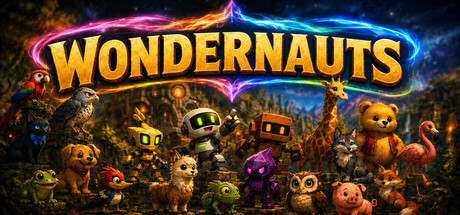
Some visual assets, sound effects, and music in Wondernauts were created with the help of generative AI tools during development, then refined, validated, and integrated by the development team. All gameplay logic and game systems are human-authored.
Some 3D models and pictures in the game were created with generative AI tools. Store promotional images were generated with AI and then manually edited.
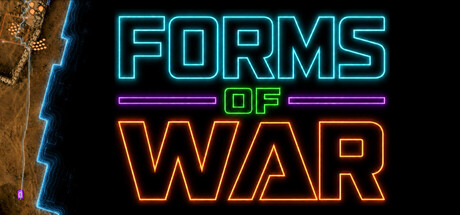
Some pre-generated visual assets currently used in Forms of War and its store materials were created with generative AI tools. Most in-game visuals are drawn procedurally in code using Phaser. AI-assisted coding tools were used during development. No generative AI is used while the game is running.
Some of this game's assets (e.g., sprites, artwork, and music) were made with the assistance of generative AI tools and were reviewed, curated, and hand-finished by the developer. No content is generated while you play.
AI assistance (a large language model) was used to translate the store page description into English. No in-game assets — 3D models, textures, music, or sound — were created using generative AI.
Generative AI is used to draft the written text on this store page and in our announcement and update posts. A human reads, edits and approves every line before it is published. AI coding assistants are also used while building the game. The game itself does not generate any content with AI while you play, and it does not connect to any AI service.
The music, a few sound effects. And very few of the menus have been created using AI. I know that many communities hate games with AI. And yes, lads, I’ve used it. But I can assure you that 90 per cent of the game has been lovingly crafted by a developer.
Some of the 3D props in this game — the ritual items players carry and place, and a few pieces of set dressing — were created with an AI-assisted 3D generation tool from text prompts. Every generated model was reviewed, cleaned up and integrated by hand before it shipped. Nothing is generated by AI while you play.
AI-assisted development tools were used during production to help write game code, in-game text, and the English localization. All AI-assisted content was reviewed and tested by the developer.
Generative AI tools were used during development to assist with programming, debugging, and selected visual and marketing assets. All AI-assisted code and content were reviewed, tested, and edited by the developer. No content is generated during gameplay.
This game was developed with the assistance of generative AI tools. AI was used during development to help write and refactor portions of the game's code, and to assist with design iteration. Some in-game assets (such as placeholder art, sound effects, or text) may have been created or refined with AI assistance. All AI-assisted content was reviewed and edited by the developer before inclusion. The game does not generate any content using AI at runtime, and no live AI features are present in the released product.
Brainrot Fire uses generative AI to assist with translating in-game text and interface content into multiple languages, helping us support a wider range of players around the world.
Generative AI was used during the development of this game. AI-assisted tools were used to create or assist with visual assets, UI elements, backgrounds, in-game text, localization, and portions of the game's code and development process. Music used in the game was not generated by AI.
All AI-assisted content was created during development. The game does not use generative AI to create content in real time during gameplay.
Some user interface elements (including UI frames, buttons, panels, and HUD background art) were created with the assistance of generative AI image tools during development, then manually edited, composited, and integrated by the development team. Promotional artwork on the store page (capsule, library header/hero images) also used generative AI assistance and was human-reviewed before publication. No AI is used to generate content during gameplay.
Generative AI tools were used during development to assist in creating a limited number of in-game UI design elements and texture assets. Generative AI is not used to create content dynamically during gameplay.
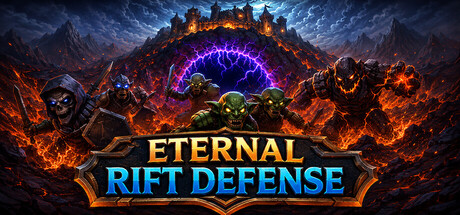
Eternal Rift Defense uses AI-assisted tools during development to help generate and refine certain code, audio, visual assets, and design elements. All AI-assisted content is reviewed, modified, and validated by the developers to ensure quality, security, and consistency with the game’s design.
AI is used only for text translation/localization (in-game and store page), with every line reviewed and edited by the developer.
No AI-generated graphics, music, audio, or live content generation are used in the game.
During the development process, we may use procedural and AI-based tools to assist with content creation. In all such cases, the final product reflects the creativity and expression of our own development team.
All code, game design, maps, and audio behavior were created using AI. AI tools were also used for in-game character 3D models (subsequently hand-optimized and rigged), main menu background videos, store trailer cinematic shots, and store artwork (logo and capsule backgrounds). All content is based on the game's own original characters.
Generative AI was used during development to assist with visual concept exploration and the creation of certain pre-generated art assets. No generative AI content is generated during gameplay.
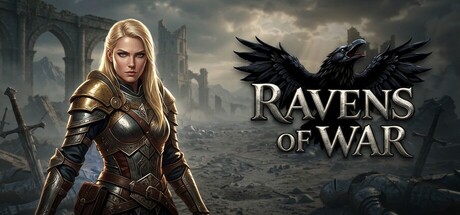
Ravens of War uses generative AI to create some of the artwork and illustrations used in the game, including card artwork. This content is pre-generated and included as part of the game; the game does not generate new AI content during gameplay.
Generative AI tools were used during development to assist with artwork refinement and programming. All character designs were originally hand-drawn by the developer, with AI used only for selected improvements and post-processing. AI was also used as a coding assistant. No AI-generated content is created live during gameplay.
During the development process, we may use procedural- and AI-based tools to assist with content creation. In all such cases, the final product reflects the creativity and expression of our own development team.
All pre-rendered visual artwork was created using generative AI under developer direction. This includes environment backgrounds, interface and menu artwork, branding, icons, and promotional/title-card images.
Generative AI tools were used during development to assist with the creation and iteration of some pre-generated 2D pixel-art assets and promotional imagery. All AI-assisted content was reviewed and selected before being included in the game.
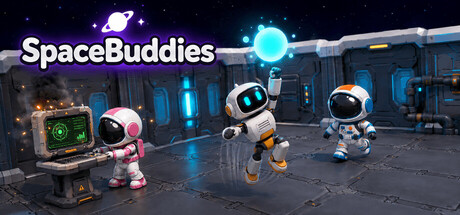
SpaceBuddies uses generative AI tools during development to create pre-rendered content included in the game and on this store page. AI was used to help produce some 3D models (Rodin), marketing/game imagery (ChatGPT), sound effects (Eleven Labs), and background music (Suno). All AI-generated assets were reviewed and edited by the development team before release.
This game does not use generative AI to create content during gameplay, and it does not connect to third-party AI services while you play.
AI tools were used during development to assist with writing the game's code and text content (including UI text, English/Korean localization, and store page text). All AI-assisted content was created under direct developer supervision and reviewed by the developer. No content is generated by AI at runtime.
BACKBITE's in-game visual art — the snakes, power-up icons and other graphics —
was created with generative AI image tools and then prepared as sprites for the
game. In-game text was translated into the supported languages with AI
assistance. All music and sound effects come from licensed, human-made audio
libraries.
Some images in this game are generated using artificial intelligence. AI tools were used to enhance visual effects and create unique scenes, carefully aligned with the game's art style.
Generative AI tools were used during development to create and edit some visual assets and promotional artwork, and to assist with portions of the game's code. All AI-assisted content was reviewed and curated by the developer. The game does not generate AI content during gameplay.
Generative AI tools were utilized during the development process to assist with coding, localization (translations), and early concept drafts for visual assets. All final in-game assets, codebase, and gameplay mechanics were curated, refined, and implemented directly by the developer.
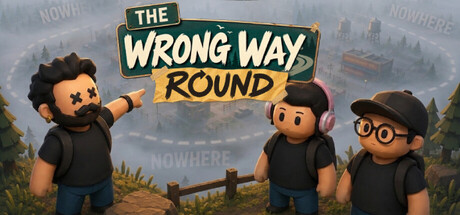
We’d like to be transparent about the localization of THE WRONG WAY ROUND.
Some of the game’s translations have been created with the assistance of AI and then reviewed and adjusted by us. This allows us to make the game available to more players and support more languages than we could otherwise manage.
We’re continuously improving the translations and really appreciate any feedback from native speakers.
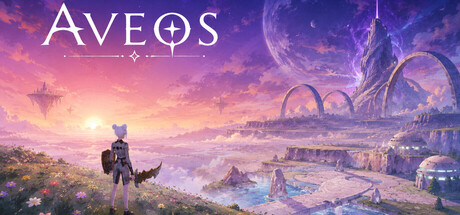
AI has been used to assist in the build process, but has absolutely not been used in thematic creative direction, game play or story direction whatsoever. Aveos is a solo developer project, and nothing has been left for AI to decide. All results have been tailored to fit the output of the vision, and it is used in lieu of a team of developers. Should those resources have been available, they would have been obviously preferred.
During the development of this game, Artificial Intelligence (AI) technologies were utilized as supplementary tools to streamline production and enhance the overall player experience. Specifically, AI-assisted systems were employed during the localization process to translate in-game text into multiple languages, ensuring broader accessibility for a global audience. Furthermore, AI tools were utilized to assist in the editing, generation, and refinement of certain in-game materials and visual assets. All AI-assisted content has been carefully reviewed, modified, and integrated by our development team to ensure it meets our quality standards and artistic vision.
The majority of this game is hand-coded. AI support was used to generate code for CPU player states, modify/rearrange UI elements, create custom shaders, and generate the main menu background image.
Some visual assets, sound effects, and music in Wondernauts were created with the help of generative AI tools during development, then refined, validated, and integrated by the development team. All gameplay logic and game systems are human-authored.
Some 3D models and pictures in the game were created with generative AI tools. Store promotional images were generated with AI and then manually edited.
Some pre-generated visual assets currently used in Forms of War and its store materials were created with generative AI tools. Most in-game visuals are drawn procedurally in code using Phaser. AI-assisted coding tools were used during development. No generative AI is used while the game is running.
Some of this game's assets (e.g., sprites, artwork, and music) were made with the assistance of generative AI tools and were reviewed, curated, and hand-finished by the developer. No content is generated while you play.
AI assistance (a large language model) was used to translate the store page description into English. No in-game assets — 3D models, textures, music, or sound — were created using generative AI.
Generative AI is used to draft the written text on this store page and in our announcement and update posts. A human reads, edits and approves every line before it is published. AI coding assistants are also used while building the game. The game itself does not generate any content with AI while you play, and it does not connect to any AI service.
The music, a few sound effects. And very few of the menus have been created using AI. I know that many communities hate games with AI. And yes, lads, I’ve used it. But I can assure you that 90 per cent of the game has been lovingly crafted by a developer.
Some of the 3D props in this game — the ritual items players carry and place, and a few pieces of set dressing — were created with an AI-assisted 3D generation tool from text prompts. Every generated model was reviewed, cleaned up and integrated by hand before it shipped. Nothing is generated by AI while you play.
AI-assisted development tools were used during production to help write game code, in-game text, and the English localization. All AI-assisted content was reviewed and tested by the developer.
Generative AI tools were used during development to assist with programming, debugging, and selected visual and marketing assets. All AI-assisted code and content were reviewed, tested, and edited by the developer. No content is generated during gameplay.
This game was developed with the assistance of generative AI tools. AI was used during development to help write and refactor portions of the game's code, and to assist with design iteration. Some in-game assets (such as placeholder art, sound effects, or text) may have been created or refined with AI assistance. All AI-assisted content was reviewed and edited by the developer before inclusion. The game does not generate any content using AI at runtime, and no live AI features are present in the released product.
Brainrot Fire uses generative AI to assist with translating in-game text and interface content into multiple languages, helping us support a wider range of players around the world.
Generative AI was used during the development of this game. AI-assisted tools were used to create or assist with visual assets, UI elements, backgrounds, in-game text, localization, and portions of the game's code and development process. Music used in the game was not generated by AI.
All AI-assisted content was created during development. The game does not use generative AI to create content in real time during gameplay.
Some user interface elements (including UI frames, buttons, panels, and HUD background art) were created with the assistance of generative AI image tools during development, then manually edited, composited, and integrated by the development team. Promotional artwork on the store page (capsule, library header/hero images) also used generative AI assistance and was human-reviewed before publication. No AI is used to generate content during gameplay.
Generative AI tools were used during development to assist in creating a limited number of in-game UI design elements and texture assets. Generative AI is not used to create content dynamically during gameplay.
Eternal Rift Defense uses AI-assisted tools during development to help generate and refine certain code, audio, visual assets, and design elements. All AI-assisted content is reviewed, modified, and validated by the developers to ensure quality, security, and consistency with the game’s design.
AI is used only for text translation/localization (in-game and store page), with every line reviewed and edited by the developer.
No AI-generated graphics, music, audio, or live content generation are used in the game.
During the development process, we may use procedural and AI-based tools to assist with content creation. In all such cases, the final product reflects the creativity and expression of our own development team.
All code, game design, maps, and audio behavior were created using AI. AI tools were also used for in-game character 3D models (subsequently hand-optimized and rigged), main menu background videos, store trailer cinematic shots, and store artwork (logo and capsule backgrounds). All content is based on the game's own original characters.
Generative AI was used during development to assist with visual concept exploration and the creation of certain pre-generated art assets. No generative AI content is generated during gameplay.
Ravens of War uses generative AI to create some of the artwork and illustrations used in the game, including card artwork. This content is pre-generated and included as part of the game; the game does not generate new AI content during gameplay.
Generative AI tools were used during development to assist with artwork refinement and programming. All character designs were originally hand-drawn by the developer, with AI used only for selected improvements and post-processing. AI was also used as a coding assistant. No AI-generated content is created live during gameplay.
During the development process, we may use procedural- and AI-based tools to assist with content creation. In all such cases, the final product reflects the creativity and expression of our own development team.
All pre-rendered visual artwork was created using generative AI under developer direction. This includes environment backgrounds, interface and menu artwork, branding, icons, and promotional/title-card images.
Generative AI tools were used during development to assist with the creation and iteration of some pre-generated 2D pixel-art assets and promotional imagery. All AI-assisted content was reviewed and selected before being included in the game.
SpaceBuddies uses generative AI tools during development to create pre-rendered content included in the game and on this store page. AI was used to help produce some 3D models (Rodin), marketing/game imagery (ChatGPT), sound effects (Eleven Labs), and background music (Suno). All AI-generated assets were reviewed and edited by the development team before release.
This game does not use generative AI to create content during gameplay, and it does not connect to third-party AI services while you play.
AI tools were used during development to assist with writing the game's code and text content (including UI text, English/Korean localization, and store page text). All AI-assisted content was created under direct developer supervision and reviewed by the developer. No content is generated by AI at runtime.
BACKBITE's in-game visual art — the snakes, power-up icons and other graphics —
was created with generative AI image tools and then prepared as sprites for the
game. In-game text was translated into the supported languages with AI
assistance. All music and sound effects come from licensed, human-made audio
libraries.
Some images in this game are generated using artificial intelligence. AI tools were used to enhance visual effects and create unique scenes, carefully aligned with the game's art style.
Generative AI tools were used during development to create and edit some visual assets and promotional artwork, and to assist with portions of the game's code. All AI-assisted content was reviewed and curated by the developer. The game does not generate AI content during gameplay.
Generative AI tools were utilized during the development process to assist with coding, localization (translations), and early concept drafts for visual assets. All final in-game assets, codebase, and gameplay mechanics were curated, refined, and implemented directly by the developer.
We’d like to be transparent about the localization of THE WRONG WAY ROUND.
Some of the game’s translations have been created with the assistance of AI and then reviewed and adjusted by us. This allows us to make the game available to more players and support more languages than we could otherwise manage.
We’re continuously improving the translations and really appreciate any feedback from native speakers.
AI has been used to assist in the build process, but has absolutely not been used in thematic creative direction, game play or story direction whatsoever. Aveos is a solo developer project, and nothing has been left for AI to decide. All results have been tailored to fit the output of the vision, and it is used in lieu of a team of developers. Should those resources have been available, they would have been obviously preferred.