

Disclosure
Some in-game posters and signs, the splash screen, and parts of the text and translation were made with the help of generative AI and then edited by hand.
- Creator
- homemadevoxel
- Reviews
- -
- Added
- Oct 12, 2026
Public Steam disclosure research 25,376 disclosures tracked
Search developers’ Steam disclosures, compare classified AI use across games, and follow recorded changes. This index adds cross-game classifications and statistics to statements published on individual store pages.
Code help, debugging and other development work.
Capsule art, trailers and promotional material.
Pre-made art, audio, writing and other game assets.
Interactive or runtime AI features disclosed by the developer.
Groups reflect automatic analysis of public disclosures; mature records are excluded. These counts do not measure AI use across all of Steam. Missing or unclear statements cannot establish whether a game uses AI.
Some in-game posters and signs, the splash screen, and parts of the text and translation were made with the help of generative AI and then edited by hand.
Luckforge was made with the help of generative AI tools, selected and directed by the developer. The title-screen and battle backdrops were generated from our own layout briefs and screenshots, then converted to the game's pixel grid and colour palette. The pixel sprites, in-game text, translations and store text were created with AI assistance. Some promotional materials use AI-generated art or music. Nothing is generated by AI while you play.
Stick Life: Medieval is designed and directed by a solo developer. Some of the game's code, its in-game writing, the artwork the game draws and parts of this store page were made with the help of generative AI tools, and some of its music was made with Suno, an AI music tool. All of it was played, reviewed and edited by the developer. Nothing is generated by AI while you play.
Some weapon images and sound effects in this game were created with the help of generative AI tools and then reviewed and edited by our team.
Everything is AI Assisted only thing that isn't AI Assisted is the Soundtrack, If i release the Soundtracks on Steam they made by my Friends Imogen and Orlando.
Some 2D artwork in the game, such as backgrounds, decoration items and illustrations, was made with the help of generative AI image tools and then edited and adjusted by the developer. Some in-game text translations were also produced with AI assistance. All sound and music are created by the game’s own code. No content is generated by AI while you play.
Generative AI tools were used during development to assist in the creation of some pre-generated visual assets and promotional materials. All AI-assisted content is reviewed, selected, and integrated by the development team. The game does not use generative AI to create content during gameplay.
AI tools were used during development to assist with writing and translating French and English text, creating branding artwork (including the logo, icon and splash screen), and producing some music. Promotional artwork and the voice-over in our gameplay overview videos also use AI-generated content. These assets were prepared in advance and integrated by the developers. The game does not generate AI content during gameplay.
The music was created with Suno and the logo lettering with an AI image tool (DeeVid); both were edited and are fixed assets in the game. The tutorial voice is text-to-speech. Nothing is generated while the game runs.
Generative AI was used to help write the Python code that generates the game's 3D models and synthesized sounds, and to assist with localization.
Generative AI tools were used to create music and visual artwork, including store and promotional images. These assets were generated before release and selected by the developer. No AI content is generated during gameplay.
Generative AI tools were used to assist with the creation and refinement of selected visual assets and promotional materials for Asteroid Watch. All AI-assisted content is reviewed, edited, and integrated by the developer to ensure consistency with the game's visual style and overall design.
Cheese Racers is designed, directed and reviewed by a solo developer and built with an AI assistant, which wrote the code and drafted much of the text. The visuals (maps, cheese skins, crates) are drawn by that code as the game runs, not by AI image generators. No AI-generated music or voices, and nothing is generated by AI while you play.
The built-in starter question packs were drafted with AI assistance, then fact-checked and edited by the developer. Store page and interface text were also drafted with AI help and reviewed. No content is generated by AI while you play.
Steam page arts polished with gen AI (soon my game arts will be done and it will be replaced)
AI tools were used to help prepare sketches for the store capsule artwork.
Generative AI tools were used to help create some visual assets, animated effects, text and translations in the game and its store materials. These assets were prepared in advance and integrated by the developer. The game does not generate AI content during gameplay. Generative AI was also used to create some music and sound effects for the trailers.
AI Disclosure: This game was made with the help of Artificial Intelligence LLM Models. The studio takes transparency seriously, so if the community would like to ask questions, get clarity, or voice concerns over this, please reach out to the development team on our Discord or launch website.
AI was used to create a handful of static images within the game as the developer had no other options at the time. All of this will be replaced as soon as possible.
Generative AI tools are used during the development of MASSVEIL to assist with the creation and refinement of certain pre-generated materials, including selected visual elements, sound effects, voice lines, and text content. All AI-assisted content is reviewed and, where necessary, edited by the developer before being included in the game. Generative AI is not used to create new content during gameplay, and the game does not connect to third-party AI services while running.
Some game code and translations in different languages using AI.
Generative AI was used during development to assist with the creation and refinement of some visual assets, marketing materials and localizations. No content is generated by AI during gameplay.
SlopArena is a non-profit open source game created by a solo developer. AI was used extensively during development for various tasks such as research, brainstorming, planning, coding, analysing. Some assets were bought, some were generated to reduce costs. Generated assets are seen as placeholder, especially character models.
Generative AI was used to assist with game localization and translation.
AI tools assisted the initial translation of P2Peek interface and store text and the early exploration of brand concepts. The chosen brand design was subsequently rebuilt as geometric SVG artwork and outlined lettering, then exported as application icons and store graphics. These assets and translations are prepared in advance. P2Peek does not generate text, images, music or narrative with AI while running, and does not connect to external generative AI services. Optional audio enhancement processes input audio for noise reduction and echo-related enhancement. The Supporter Pack shares this branding and localization.
Generative AI was used to create promotional capsule artwork and library header artwork for the Steam store.
An AI-generated sketch is used as a starting point. Everything else is made by a human: every shipped image is redrawn and retouched by hand, and the code, game design and texts are written by the developer.
All card artwork, graphics and game design were created by the developer. AI tools were used to translate the in-game text and the store page into Spanish, French, German, Portuguese (Brazil). The trailer, GIFs and store capsules were edited with AI assistance, using only the developer's own artwork and real gameplay footage. The game does not generate any content with AI while it is running. Singleplayer opponents are traditional rule-based bots, not generative AI.
Generative AI tools were used during development to create background artwork, images, music, and translations. These are pre-generated assets. No AI content is generated during gameplay.
AI-assisted tools were used during development for programming, debugging, shader work and some store-page text. All output was reviewed and integrated by the developer. No live-generated AI content is used in gameplay.
Generative AI was used during development to assist with some modeling, image creation, and validation tasks.
I use generative AI throughout the development of Brassleaf Tactics, including programming, game design, artwork and store-page content. The game includes AI-generated artwork. I set the creative direction, decide what goes into the game, and make the final design decisions, shaping the experience through playtesting, balancing and ongoing refinement. Generative AI is used during development only; no AI-generated content is created while you play.
Generative AI tools were used to help create promotional artwork and store page images for VoxelCraft. AI is not used to generate in-game content, code, or gameplay at runtime.
Generative AI was used for minor texture touch-ups during development. All AI-assisted content was manually reviewed and finalized by the developer.
Generative tools were used as part of the visual and audio development process. Final assets were reviewed, selected, edited, and refined by human developers before being implemented in the game.
Runemoor was made by a small independent team with the help of generative AI tools. Every AI output was directed, reviewed, edited and integrated by the developer, and checked to keep all designs original. No AI content is generated while you play. - 3D characters: the champion models, their weapons and props were generated with Meshy (image-to-3D), including its auto-rigging and animation clips, then cleaned up and integrated by hand and with our own scripts. - 2D art: concept art, key art and store artwork, the logo and app icon, UI artwork and backgrounds, item and spell icons, and material and terrain textures were generated with an OpenAI image model, then selected, post-processed and composited. - Environment: the map, buildings, rocks and plants are built by our own procedural modeling scripts (no AI model generates the geometry) and use the AI-generated textures listed above. - Voice: the match announcer voice lines are AI-generated speech (Google Gemini text-to-speech). - Music (trailer): the music of the store trailer was generated with Google Lyria and carries Google's inaudible SynthID watermark. The in-game music is not AI-generated: it is synthesized procedurally by our own audio code. - Sound effects and ambience: not AI-generated. They are synthesized procedurally by our own audio code.
Generative AI was used during development to assist with the creation and refinement of selected visual assets and promotional artwork. All AI-assisted content was reviewed and edited by the development team before being included in the game or store materials. The game does not use generative AI to create content during gameplay.
It has been used in the page visuals and logo.
It has been used in the page visuals and logo.
We used AI tools to assist with parts of development: writing some of the game code, changing the colors of existing 2D textures, and localizing the game's text into other languages. All AI-assisted results were reviewed and edited by our team.
Made by one developer with a little help from AI! Some artwork and text started life in generative AI tools, then got edited and polished by hand. Nothing is generated while you play.
Generative AI tools were used during development to create certain content included with the game: Visual Art: Store/capsule art, character portraits, icons, UI illustrations, map visuals, and textures. Audio: Narrator voiceovers generated using text-to-speech (TTS) tools, and select ambient sounds. Music: A portion of the in-game music was generated using AI music tools.
AI tools helped us write parts of the game's code and create some of its art. No content is generated by AI while you play.
AI generated the music for this game
Kepler Ascent was made by an independent developer with the help of generative AI tools. AI was used to write part of the game's text (story and AURA's lines), to compose the music and create AURA's synthesized voice, to build some 3D models and cinematic sets (generated through scripts), and to produce the logo and artwork of this store page (rendered from the game's own models). All of this content was created ahead of time and reviewed by the developer. Nothing is generated by AI while you play.
Some content in this game and its store materials was created with the help of generative AI: - Sound effects and background music were generated with Stable Audio (Stability AI) and edited by the developer. - The trailer narration was generated with ElevenLabs. - The store capsule artwork was created with Google's image-generation AI (Nano Banana) and finished by hand. Cat vocalizations (meows, purrs, hisses) are real recordings, not AI-generated. The game does not generate any content with AI during gameplay.
Some of the artwork and all original background music in this game were created with the assistance of generative AI. All AI-assisted content was manually reviewed and checked for copyright compliance before release. The game does not generate any AI content in real time during gameplay, nor does it connect to any external AI services. All consumable content is pre-generated during development and distributed as part of the game.
The game's sound effects were created with AI audio-generation tools during development, then selected and level-matched by the developer. Nothing is generated by AI while you play.
We used AI tools to help write some of the text in the game and on this store page.
This game contains pre-generated content only: no AI generates content during gameplay. The game's translations (English, German, Italian, Spanish) and the store page texts were produced with the help of AI tools, then reviewed. All in-game visuals are rendered from the game's own 3D models.
| Title⇅ | Disclosure | Creator⇅ | Src | Reviews⇅ | Added↓ |
|---|---|---|---|---|---|
 LIFT In-game content arttext | Some in-game posters and signs, the splash screen, and parts of the text and translation were made with the help of generative AI and then edited by hand. | homemadevoxel | - | Oct 12, 2026 | |
 Luckforge In-game content arttext | Luckforge was made with the help of generative AI tools, selected and directed by the developer. The title-screen and battle backdrops were generated from our own layout briefs and screenshots, then converted to the game's pixel grid and colour palette. The pixel sprites, in-game text, translations and store text were created with AI assistance. Some promotional materials use AI-generated art or music. Nothing is generated by AI while you play. | Kasperzack Games | - | Oct 12, 2026 | |
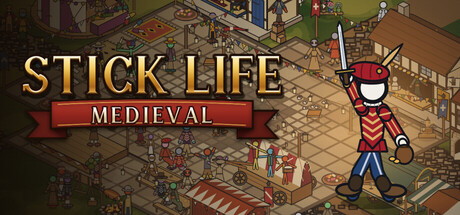 Stick Life: Medieval In-game content arttextcodeaudio | Stick Life: Medieval is designed and directed by a solo developer. Some of the game's code, its in-game writing, the artwork the game draws and parts of this store page were made with the help of generative AI tools, and some of its music was made with Suno, an AI music tool. All of it was played, reviewed and edited by the developer. Nothing is generated by AI while you play. | Drangus Studios | - | Oct 12, 2026 | |
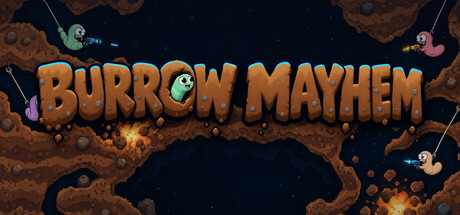 Burrow Mayhem In-game content artaudio | Some weapon images and sound effects in this game were created with the help of generative AI tools and then reviewed and edited by our team. | LEPOR GAMES | - | Oct 12, 2026 | |
 Primal Realms In-game content audio | Everything is AI Assisted
only thing that isn't AI Assisted is the Soundtrack, If i release the Soundtracks on Steam they made by my Friends Imogen and Orlando. | [SG] Static Games | - | Oct 12, 2026 | |
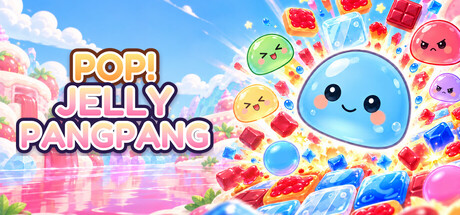 Pop! Jelly PangPang In-game content arttext | Some 2D artwork in the game, such as backgrounds, decoration items and illustrations, was made with the help of generative AI image tools and then edited and adjusted by the developer. Some in-game text translations were also produced with AI assistance. All sound and music are created by the game’s own code. No content is generated by AI while you play. | Jelly PangPang | - | Oct 12, 2026 | |
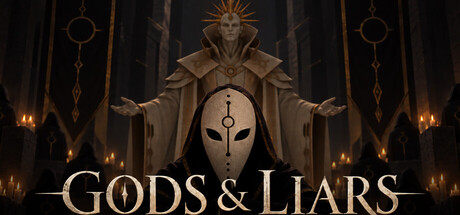 Gods & Liars Store/marketing art | Generative AI tools were used during development to assist in the creation of some pre-generated visual assets and promotional materials. All AI-assisted content is reviewed, selected, and integrated by the development team. The game does not use generative AI to create content during gameplay. | QARAMTA STUDIOS | - | Oct 12, 2026 | |
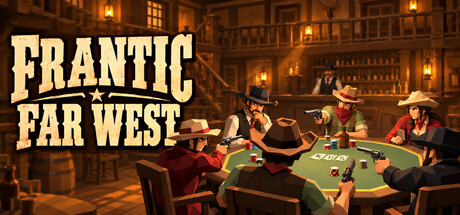 FranticFarWest In-game content textartaudio | AI tools were used during development to assist with writing and translating French and English text, creating branding artwork (including the logo, icon and splash screen), and producing some music. Promotional artwork and the voice-over in our gameplay overview videos also use AI-generated content. These assets were prepared in advance and integrated by the developers. The game does not generate AI content during gameplay. | Topsie Studio | - | Oct 12, 2026 | |
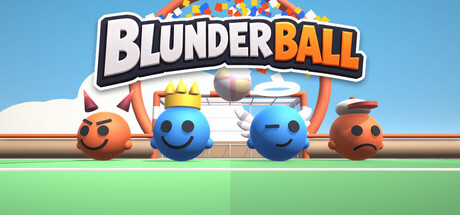 Blunderball In-game content audioart | The music was created with Suno and the logo lettering with an AI image tool (DeeVid); both were edited and are fixed assets in the game. The tutorial voice is text-to-speech. Nothing is generated while the game runs. | Foulplay | - | Oct 12, 2026 | |
 OUTIS In-game content codetext | Generative AI was used to help write the Python code that generates the game's 3D models and synthesized sounds, and to assist with localization. | OUTIS | - | Oct 12, 2026 | |
 Autonomous System Zero In-game content artaudio | Generative AI tools were used to create music and visual artwork, including store and promotional images. These assets were generated before release and selected by the developer. No AI content is generated during gameplay. | OneManSprint | - | Oct 12, 2026 | |
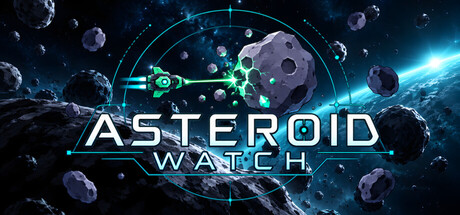 Asteroid Watch Store/marketing art | Generative AI tools were used to assist with the creation and refinement of selected visual assets and promotional materials for Asteroid Watch. All AI-assisted content is reviewed, edited, and integrated by the developer to ensure consistency with the game's visual style and overall design. | Umit Canbolat | - | Oct 12, 2026 | |
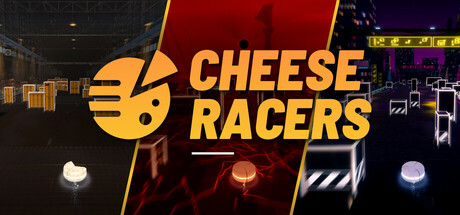 Cheese Racers Live AI arttextcode | Cheese Racers is designed, directed and reviewed by a solo developer and built with an AI assistant, which wrote the code and drafted much of the text. The visuals (maps, cheese skins, crates) are drawn by that code as the game runs, not by AI image generators. No AI-generated music or voices, and nothing is generated by AI while you play. | CheeseSteak | - | Oct 12, 2026 | |
 Buzzwire Store/marketing text | The built-in starter question packs were drafted with AI assistance, then fact-checked and edited by the developer. Store page and interface text were also drafted with AI help and reviewed. No content is generated by AI while you play. | ExaltedPixels | - | Oct 12, 2026 | |
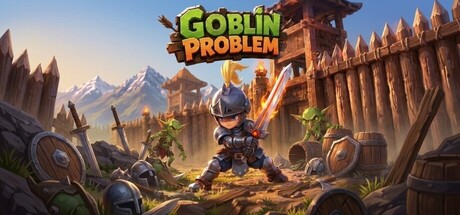 Goblin Problem Store/marketing art | Steam page arts polished with gen AI (soon my game arts will be done and it will be replaced) | Zzpasta Games | - | Oct 12, 2026 | |
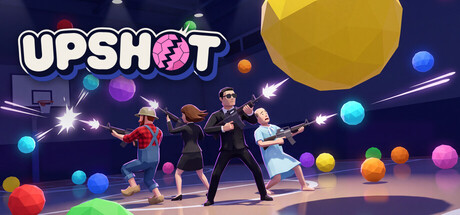 UPSHOT Store/marketing art | AI tools were used to help prepare sketches for the store capsule artwork. | Wazang Games | - | Oct 12, 2026 | |
 GeneJinks: Sports Festival In-game content arttextaudio | Generative AI tools were used to help create some visual assets, animated effects, text and translations in the game and its store materials. These assets were prepared in advance and integrated by the developer. The game does not generate AI content during gameplay. Generative AI was also used to create some music and sound effects for the trailers. | WANG GUAN | - | Oct 12, 2026 | |
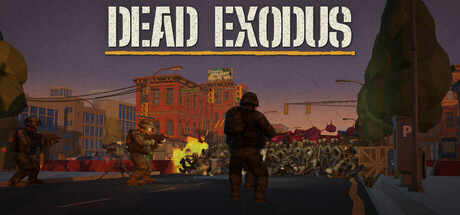 Dead Exodus Unclear | AI Disclosure:
This game was made with the help of Artificial Intelligence LLM Models. The studio takes transparency seriously, so if the community would like to ask questions, get clarity, or voice concerns over this, please reach out to the development team on our Discord or launch website. | Shambler Studios | - | Oct 12, 2026 | |
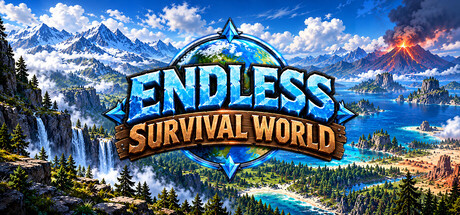 Endless Survival World In-game content art | AI was used to create a handful of static images within the game as the developer had no other options at the time. All of this will be replaced as soon as possible. | Novus Astra | - | Oct 12, 2026 | |
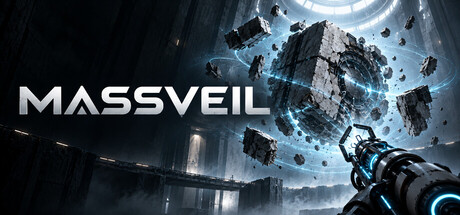 MassVeil In-game content artaudiotext | Generative AI tools are used during the development of MASSVEIL to assist with the creation and refinement of certain pre-generated materials, including selected visual elements, sound effects, voice lines, and text content.
All AI-assisted content is reviewed and, where necessary, edited by the developer before being included in the game.
Generative AI is not used to create new content during gameplay, and the game does not connect to third-party AI services while running. | Who you need | - | Oct 12, 2026 | |
 Kingdom Blackjack In-game content codetext | Some game code and translations in different languages using AI. | Bitmoss | - | Oct 12, 2026 | |
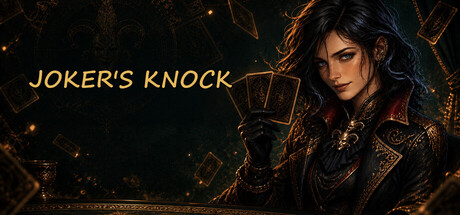 Joker's Knock Store/marketing arttext | Generative AI was used during development to assist with the creation and refinement of some visual assets, marketing materials and localizations. No content is generated by AI during gameplay. | Noxam | - | Oct 12, 2026 | |
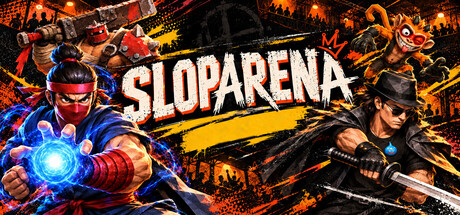 SlopArena Dev only artcode | SlopArena is a non-profit open source game created by a solo developer. AI was used extensively during development for various tasks such as research, brainstorming, planning, coding, analysing. Some assets were bought, some were generated to reduce costs. Generated assets are seen as placeholder, especially character models. | Binoui | - | Oct 12, 2026 | |
 DEEP SEAL In-game content text | Generative AI was used to assist with game localization and translation. | SOS | - | Oct 12, 2026 | |
 P2Peek In-game content textart | AI tools assisted the initial translation of P2Peek interface and store text and the early exploration of brand concepts. The chosen brand design was subsequently rebuilt as geometric SVG artwork and outlined lettering, then exported as application icons and store graphics. These assets and translations are prepared in advance. P2Peek does not generate text, images, music or narrative with AI while running, and does not connect to external generative AI services. Optional audio enhancement processes input audio for noise reduction and echo-related enhancement. The Supporter Pack shares this branding and localization. | P2Peek Team | - | Oct 12, 2026 | |
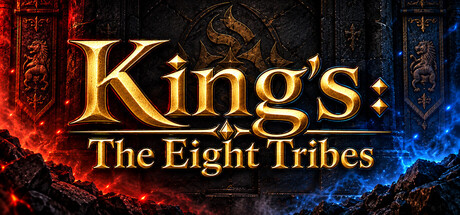 King's : The Eight Tribes Store/marketing art | Generative AI was used to create promotional capsule artwork and library header artwork for the Steam store. | King's : The Eight Tribes | - | Oct 12, 2026 | |
 Idle Legions Dev only art | An AI-generated sketch is used as a starting point. Everything else is made by a human: every shipped image is redrawn and retouched by hand, and the code, game design and texts are written by the developer. | ALPACA TEAM | - | Oct 12, 2026 | |
 MVP - The Card Game In-game content textart | All card artwork, graphics and game design were created by the developer. AI tools were used to translate the in-game text and the store page into Spanish, French, German, Portuguese (Brazil). The trailer, GIFs and store capsules were edited with AI assistance, using only the developer's own artwork and real gameplay footage. The game does not generate any content with AI while it is running. Singleplayer opponents are traditional rule-based bots, not generative AI. | 4L3SS104 | - | Oct 12, 2026 | |
 Pop Pop Arena In-game content artaudiotext | Generative AI tools were used during development to create background artwork, images, music, and translations. These are pre-generated assets. No AI content is generated during gameplay. | Team Monolith Inc. | - | Oct 12, 2026 | |
 ONSIGHT Store/marketing codetext | AI-assisted tools were used during development for programming, debugging, shader work and some store-page text. All output was reviewed and integrated by the developer. No live-generated AI content is used in gameplay. | Fat Set Studios | - | Oct 12, 2026 | |
 Brick Buddies Dev only art | Generative AI was used during development to assist with some modeling, image creation, and validation tasks. | Bunnyhop | - | Oct 11, 2026 | |
 Brassleaf Tactics In-game content arttextcode | I use generative AI throughout the development of Brassleaf Tactics, including programming, game design, artwork and store-page content. The game includes AI-generated artwork. I set the creative direction, decide what goes into the game, and make the final design decisions, shaping the experience through playtesting, balancing and ongoing refinement.
Generative AI is used during development only; no AI-generated content is created while you play. | Luke Lachlan Day | - | Oct 11, 2026 | |
 VoxelCraft Store/marketing art | Generative AI tools were used to help create promotional artwork and store page images for VoxelCraft. AI is not used to generate in-game content, code, or gameplay at runtime. | Pale Static Games | - | Oct 11, 2026 | |
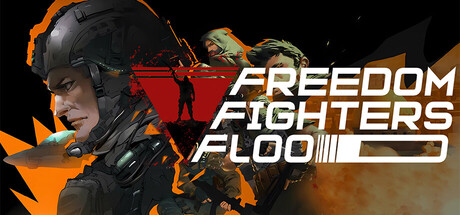 Freedom Fighters Flood In-game content art | Generative AI was used for minor texture touch-ups during development. All AI-assisted content was manually reviewed and finalized by the developer. | Viosama Studios | - | Oct 11, 2026 | |
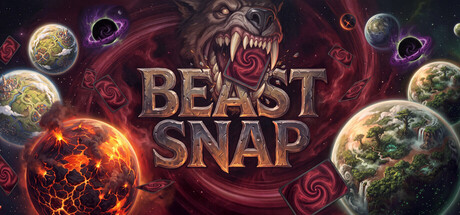 Beast Snap In-game content artaudio | Generative tools were used as part of the visual and audio development process. Final assets were reviewed, selected, edited, and refined by human developers before being implemented in the game. | Alejandro Rives | - | Oct 11, 2026 | |
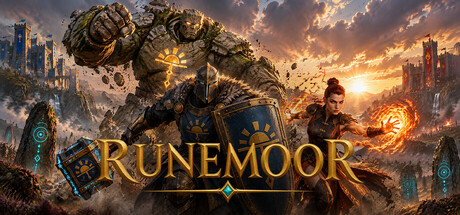 Runemoor In-game content artaudiotext | Runemoor was made by a small independent team with the help of generative AI tools. Every AI output was directed, reviewed, edited and integrated by the developer, and checked to keep all designs original. No AI content is generated while you play.
- 3D characters: the champion models, their weapons and props were generated with Meshy (image-to-3D), including its auto-rigging and animation clips, then cleaned up and integrated by hand and with our own scripts.
- 2D art: concept art, key art and store artwork, the logo and app icon, UI artwork and backgrounds, item and spell icons, and material and terrain textures were generated with an OpenAI image model, then selected, post-processed and composited.
- Environment: the map, buildings, rocks and plants are built by our own procedural modeling scripts (no AI model generates the geometry) and use the AI-generated textures listed above.
- Voice: the match announcer voice lines are AI-generated speech (Google Gemini text-to-speech).
- Music (trailer): the music of the store trailer was generated with Google Lyria and carries Google's inaudible SynthID watermark. The in-game music is not AI-generated: it is synthesized procedurally by our own audio code.
- Sound effects and ambience: not AI-generated. They are synthesized procedurally by our own audio code. | Runemoor | - | Oct 10, 2026 | |
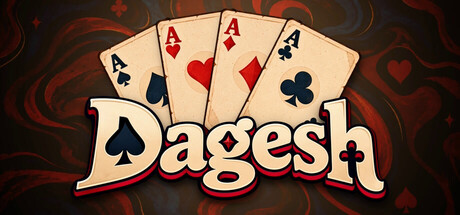 Dagesh In-game content art | Generative AI was used during development to assist with the creation and refinement of selected visual assets and promotional artwork. All AI-assisted content was reviewed and edited by the development team before being included in the game or store materials. The game does not use generative AI to create content during gameplay. | Buggy Code | - | Oct 10, 2026 | |
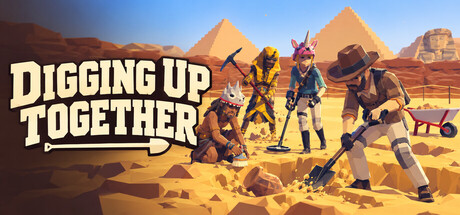 Digging Up Together Store/marketing art | It has been used in the page visuals and logo. | cnsgames | - | Oct 10, 2026 | |
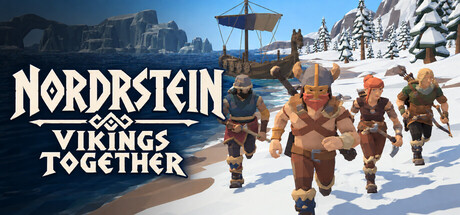 Nordrstein: Vikings Together Store/marketing art | It has been used in the page visuals and logo. | cnsgames | - | Oct 10, 2026 | |
 Robo Dream Party In-game content codearttext | We used AI tools to assist with parts of development: writing some of the game code, changing the colors of existing 2D textures, and localizing the game's text into other languages. All AI-assisted results were reviewed and edited by our team. | thispring studio | - | Oct 10, 2026 | |
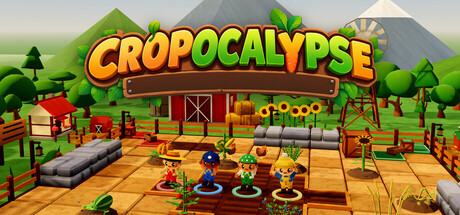 Cropocalypse In-game content arttext | Made by one developer with a little help from AI! Some artwork and text started life in generative AI tools, then got edited and polished by hand. Nothing is generated while you play. | CORS Services | - | Oct 10, 2026 | |
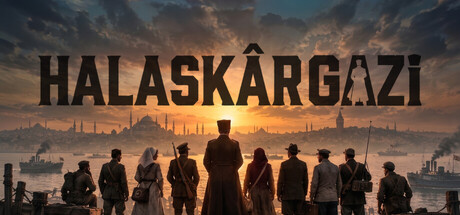 Halaskargazi In-game content artaudiotext | Generative AI tools were used during development to create certain content included with the game:
Visual Art: Store/capsule art, character portraits, icons, UI illustrations, map visuals, and textures.
Audio: Narrator voiceovers generated using text-to-speech (TTS) tools, and select ambient sounds.
Music: A portion of the in-game music was generated using AI music tools. | Sinan Soyalıç | - | Oct 10, 2026 | |
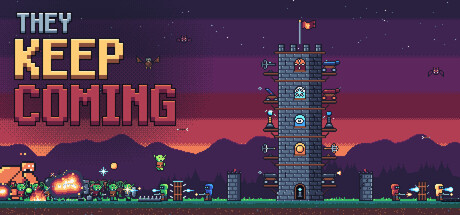 They Keep Coming In-game content artcode | AI tools helped us write parts of the game's code and create some of its art. No content is generated by AI while you play. | McHunter Studio | - | Oct 10, 2026 | |
 Seasonal Reset: Christmas Edition In-game content audio | AI generated the music for this game | Budder Technology LLC | - | Oct 10, 2026 | |
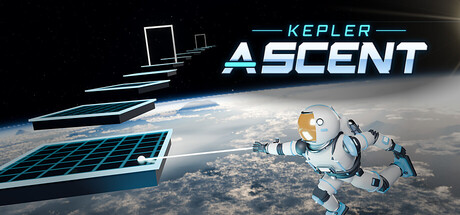 Kepler Ascent In-game content textaudioart | Kepler Ascent was made by an independent developer with the help of generative AI tools. AI was used to write part of the game's text (story and AURA's lines), to compose the music and create AURA's synthesized voice, to build some 3D models and cinematic sets (generated through scripts), and to produce the logo and artwork of this store page (rendered from the game's own models). All of this content was created ahead of time and reviewed by the developer. Nothing is generated by AI while you play. | Sailxe | - | Oct 10, 2026 | |
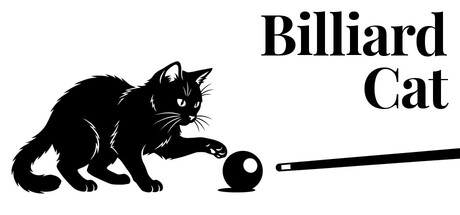 Billiard Cat In-game content audioart | Some content in this game and its store materials was created with the help of generative AI:
- Sound effects and background music were generated with Stable Audio (Stability AI) and edited by the developer.
- The trailer narration was generated with ElevenLabs.
- The store capsule artwork was created with Google's image-generation AI (Nano Banana) and finished by hand.
Cat vocalizations (meows, purrs, hisses) are real recordings, not AI-generated. The game does not generate any content with AI during gameplay. | YOIAO | - | Oct 10, 2026 | |
 WannaRich In-game content artaudio | Some of the artwork and all original background music in this game were created with the assistance of generative AI. All AI-assisted content was manually reviewed and checked for copyright compliance before release.
The game does not generate any AI content in real time during gameplay, nor does it connect to any external AI services. All consumable content is pre-generated during development and distributed as part of the game. | 双击空格 | - | Oct 10, 2026 | |
 CloudBurst In-game content audio | The game's sound effects were created with AI audio-generation tools during development, then selected and level-matched by the developer. Nothing is generated by AI while you play. | GabDsg | - | Oct 10, 2026 | |
 Hole Lotta Loot Store/marketing text | We used AI tools to help write some of the text in the game and on this store page. | HustleGrow AB | - | Oct 10, 2026 | |
 Capital Circuit In-game content textart | This game contains pre-generated content only: no AI generates content during gameplay. The game's translations (English, German, Italian, Spanish) and the store page texts were produced with the help of AI tools, then reviewed. All in-game visuals are rendered from the game's own 3D models. | MLG Productions | - | Oct 10, 2026 |


