








Disclosure
The art used for the Steam storefront contains images generated by AI
- Creator
- PSD Labs LLC
- Reviews
- -
- Added
- May 23, 2026
Public Steam disclosure research 25,380 disclosures tracked
Search developers’ Steam disclosures, compare classified AI use across games, and follow recorded changes. This index adds cross-game classifications and statistics to statements published on individual store pages.
Code help, debugging and other development work.
Capsule art, trailers and promotional material.
Pre-made art, audio, writing and other game assets.
Interactive or runtime AI features disclosed by the developer.
Groups reflect automatic analysis of public disclosures; mature records are excluded. These counts do not measure AI use across all of Steam. Missing or unclear statements cannot establish whether a game uses AI.
The art used for the Steam storefront contains images generated by AI
LLMs were used to review code and help with marketing material
AI tools are used as part of solo development. Just like photoshop was, and javascript, and my own human brain.
This game uses artificial intelligence tools during development. AI was used to assist in generating certain visual assets, including promotional graphics and background elements. All AI-generated content was reviewed, modified, and approved by the developer. AI is not used during gameplay. The game does not generate content dynamically and does not use AI to interact with players.
Generative AI tools were used during development for concept exploration, prototyping, and internal reference materials. All gameplay systems, visuals, text, and audio included in the released game are authored, curated, and reviewed by the developer.
This game uses generative AI only to create some 2D visual assets (e.g. key art, logos, achievement icons and other marketing/store artwork). All AI-generated content is pre-rendered, manually reviewed, and static. The game itself does not perform any live AI generation, does not take user prompts for AI, and does not send any user data to AI services.
Generative AI was used during development to assist with localization and limited code drafting. All final shipped content was reviewed and edited by the developer before release.
AI assist us with idea generation for artwork + assets used in some artwork. We use AI code completion to help us with development of the game.
This game uses generative AI tools for the creation of some non-gameplay content, including portions of promotional artwork, visual concepts, and certain localized translations. All gameplay systems, programming, game design, balancing, and the final integration of assets are created and curated by the developer. AI-generated content is reviewed, edited, and refined before being used in the game or store materials.
This game uses generative AI for its multi-language localization to provide immediate support for French, German, Spanish, Portuguese, Russian, Japanese and Korean. While we strive for accuracy, some linguistic nuances may vary.
AI tools were used to assist in the creation of the trailer and promotional materials displayed on this store page.
AI based translation tools were used to generate draft translations that were manually reviewed and adjusted by human
This game uses generative AI tools to assist with some pre-generated visual assets, including background art, character-related promotional art, item imagery, and store page materials. All AI-assisted content is reviewed, selected, and edited by the developer before release. The game does not generate AI content during gameplay.
AI code assistants were used in incremental development of the game code. No AI art or image assets have been utilized.
We used AI to draft the capsule composition and polish, but all in-game art is hand-made/purchased from artists. The goal was to present the game clearly while staying within a small indie budget.
I'm not an artist so most of the visuals were AI generated, but edited by me.
PhotoGuesser uses generative AI to assist in creating some pre-rendered audio content, such as sound effects and music used in the game. All AI-assisted audio content is reviewed, selected, and integrated by the developer before being included. The game does not use live generative AI during gameplay, and player input is not sent to any generative AI service.
AI-powered translation tools were used for assistance in translation to English. Couple of in-game textures were created with assistance of AI tools too.
This game uses generative artificial intelligence to create some of its visual content, particularly the images shown in cutscenes. These AI-generated visuals help bring the story to life and allow for faster iteration and creative exploration. The cutscene images will be updated regularly as the technology improves and as the game's story evolves. This means you may notice changes in visual quality and storytelling over time, as we continue to refine and enhance the experience.
AI has been used to help generate UI elements and marketing elements.
We want to be transparent about our use of AI: AI is used for: assisting with code development (debugging, refactoring, technical guidance during programming sessions). AI is NOT used for: the story, the dialogue, the music, the illustrations, the character designs, or any creative content. A Piano Tale is a deeply personal project, and its soul comes entirely from human hands.
This game contains visual assets generated using generative AI tools (including some characters, vehicles, and icons). All such assets have been reviewed and integrated by the developer. The game does not use generative AI during gameplay, nor does it generate any content in real time. All gameplay logic and systems are fully developer-created.
Some graphics, music, and translations were initially generated by AI and subsequently revised by humans.
Marketing material such as capsule images, event/news post images and library images have used Generative AI.
Generative Artificial Intelligence tools were used during development to assist in the creation, proofreading, and translation of texts (including the store page and tutorial dialogue), as well as aiding in the ideation and creation of some static 2D visual assets.
Concept art assets.
Generative AI tools were used to assist with some store page localization.
Some backgrounds/jackets/movies use generative AI.
I use AI tools to assist with code generation, brainstorming, and text proofreading during development. Additionally, generative AI is used to create some of the texture assets used in the game.
Some static visual assets in this game were created with the assistance of AI tools during development. All AI-assisted assets have been reviewed, edited, and integrated by the developer to fit the game's art style. No AI-generated content is created during gameplay.
I used generative AI to create the images.
Chat-GPT
AI Assisted graphics and music included.
A small selection (approx. 15-20%) of the environmental wallpapers were AI-assisted to provide visual variety, while the majority of the 30+ artworks and the core 'Dojo' aesthetic are custom-designed. AI was also used to help master and refine the lofi soundtrack and assist with initial marketing drafts.
Remove virus does not use generative AI to generate gameplay content, dialogue, code, or assets during play. The game does not connect to external AI services. All content included in the build is pre-created by the developer.
Some store page artwork and localization/translations were created with the assistance of AI tools. All core game content, including gameplay code, character artwork, and audio, was created without generative AI.
It is used in translations and a very small portion of in-game assets.
Generative AI was trained on an original pixel art style and used to create the bases for props, which were then manually edited into their final forms.
Some of the promotional and storefront images were created with AI tools and then refined by hand. All of the in-game assets were designed by a 3D artist.
AI tools were used to generate early concept artwork and UI references during development. Final in-game assets were created, refined, and implemented by the developer. The game does not include any live-generated AI content.
ASCII-RIFT was developed using generative AI tools as part of the creative process. Music tracks were created using Suno and curated by the developer. Programming and system design were developed with AI-assisted tools under the developer’s direction. No live AI-generated content is used during gameplay.
Some music, portions of the trailer, and select store page images were created with the assistance of AI generation tools.
Generative AI has only been used to create placeholder background music tracks, as a type of "elevator music", while I learn more about sound design and music producing. No AI has been used anywhere else, in art or development. Everything else has been done by one individual, and the hope is to have all the AI generated soundtracks replaced before launch. Sorry for any AI hate, and thanks for the understanding.
AI was used in the creation of some assets.
AI tools were used only to generate background images and music for the title/menu screen.
All visual assets in the game, including character portraits, backgrounds, user interface (UI) elements, icons, and menus, were created using generative Artificial Intelligence tools. Additionally, all the background music and musical tracks were also composed and generated using AI. All of these assets are pre-rendered during development ; there is no live AI generation occurring in real-time while the user is playing.
COALCOM was built by a solo developer with 20+ years in the power industry. Generative AI was used to write and iterate on game code — it's what made finishing a +10-year project idea finally possible. Some written content, including store page copy and the game manual, was drafted with AI assistance and refined by the developer. The game design, mechanics, domain expertise, and voice are entirely human. The visual assets were not AI-generated.
Our team uses generative AI to develop some in-game 2D assets.
Adobe Photoshop and other AI-powered image generation tools were used during the development of this game.
We use AI as a creative assistant to refine our English descriptions and ensure they are easy to read and engaging (since we are not native speakers). In addition, some of the game’s illustrations were created with the help of generative AI tools and later refined by human artists.
| Title⇅ | Disclosure | Creator⇅ | Src | Reviews⇅ | Added↓ |
|---|---|---|---|---|---|
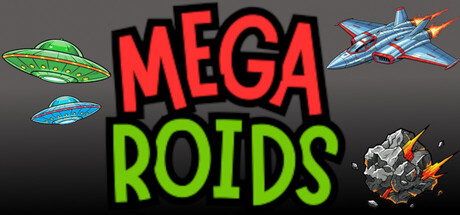 Mega Roids Store/marketing art | The art used for the Steam storefront contains images generated by AI | PSD Labs LLC | - | May 23, 2026 | |
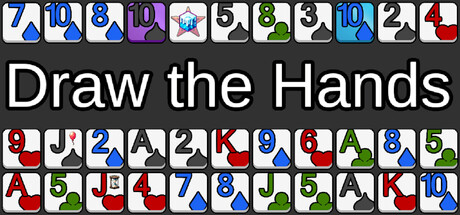 Draw the Hands Store/marketing codeart | LLMs were used to review code and help with marketing material | Liktorus | - | May 23, 2026 | |
 Boba Buba Dev only | AI tools are used as part of solo development. Just like photoshop was, and javascript, and my own human brain. | What To Do!? Games | - | May 23, 2026 | |
 Laser Planet In-game content art | This game uses artificial intelligence tools during development.
AI was used to assist in generating certain visual assets, including promotional graphics and background elements. All AI-generated content was reviewed, modified, and approved by the developer.
AI is not used during gameplay. The game does not generate content dynamically and does not use AI to interact with players. | Laser Planet Games | - | May 23, 2026 | |
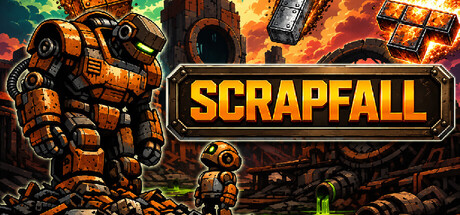 Scrapfall Dev only | Generative AI tools were used during development for concept exploration, prototyping, and internal reference materials. All gameplay systems, visuals, text, and audio included in the released game are authored, curated, and reviewed by the developer. | Zencode | - | May 23, 2026 | |
 Word Charades In-game content art | This game uses generative AI only to create some 2D visual assets (e.g. key art, logos, achievement icons and other marketing/store artwork). All AI-generated content is pre-rendered, manually reviewed, and static.
The game itself does not perform any live AI generation, does not take user prompts for AI, and does not send any user data to AI services. | Howard Greenspan | - | May 23, 2026 | |
 Mine? Tower! In-game content textcode | Generative AI was used during development to assist with localization and limited code drafting.
All final shipped content was reviewed and edited by the developer before release. | CH86 | - | May 23, 2026 | |
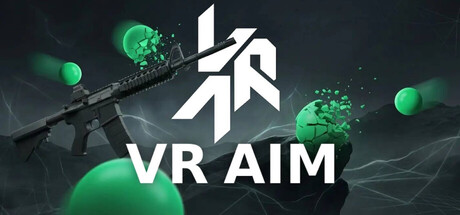 VR AIM In-game content artcode | AI assist us with idea generation for artwork + assets used in some artwork.
We use AI code completion to help us with development of the game. | VR AIM ApS | - | May 23, 2026 | |
 Lost Galaxy: Survivors In-game content arttext | This game uses generative AI tools for the creation of some non-gameplay content, including portions of promotional artwork, visual concepts, and certain localized translations.
All gameplay systems, programming, game design, balancing, and the final integration of assets are created and curated by the developer. AI-generated content is reviewed, edited, and refined before being used in the game or store materials. | Jorge Osbaldo Rodriguez | - | May 23, 2026 | |
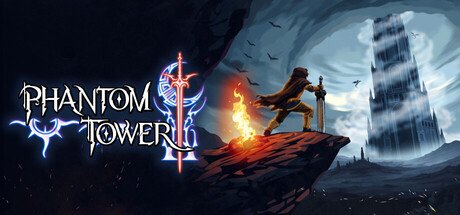 Phantom Tower In-game content text | This game uses generative AI for its multi-language localization to provide immediate support for French, German, Spanish, Portuguese, Russian, Japanese and Korean. While we strive for accuracy, some linguistic nuances may vary. | Horien Studio | - | May 23, 2026 | |
 Critical Minutes Store/marketing art | AI tools were used to assist in the creation of the trailer and promotional materials displayed on this store page. | V GAMES | - | May 23, 2026 | |
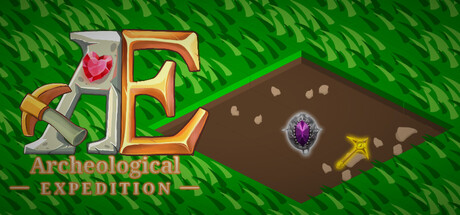 AE: Archeological Expedition In-game content text | AI based translation tools were used to generate draft translations that were manually reviewed and adjusted by human | AKKA | - | May 23, 2026 | |
 Red Ledger Store/marketing art | This game uses generative AI tools to assist with some pre-generated visual assets, including background art, character-related promotional art, item imagery, and store page materials. All AI-assisted content is reviewed, selected, and edited by the developer before release. The game does not generate AI content during gameplay. | Comrade Sovia | - | May 23, 2026 | |
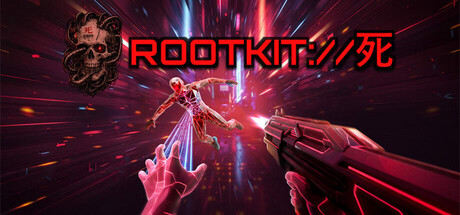 ROOTKIT://死 (ROOTKIT PROTOCOL DEATH) Dev only code | AI code assistants were used in incremental development of the game code. No AI art or image assets have been utilized. | Phiality | - | May 23, 2026 | |
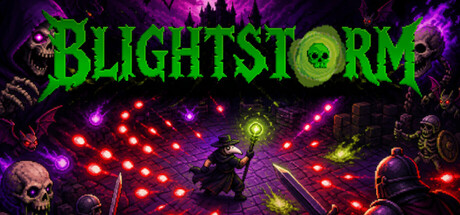 Blightstorm In-game content art | We used AI to draft the capsule composition and polish, but all in-game art is hand-made/purchased from artists. The goal was to present the game clearly while staying within a small indie budget. | Orc Powered Games LLC | - | May 23, 2026 | |
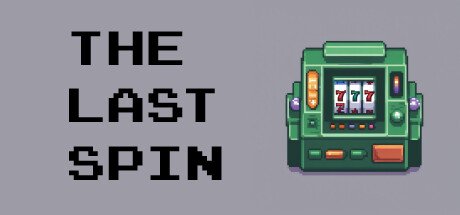 The Last Spin In-game content art | I'm not an artist so most of the visuals were AI generated, but edited by me. | Pack | - | May 23, 2026 | |
 PhotoGuessr In-game content audio | PhotoGuesser uses generative AI to assist in creating some pre-rendered audio content, such as sound effects and music used in the game. All AI-assisted audio content is reviewed, selected, and integrated by the developer before being included.
The game does not use live generative AI during gameplay, and player input is not sent to any generative AI service. | Studio Pakira | - | May 23, 2026 | |
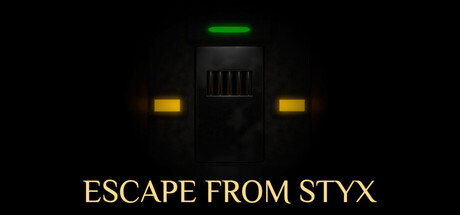 Escape From Styx In-game content textart | AI-powered translation tools were used for assistance in translation to English. Couple of in-game textures were created with assistance of AI tools too. | Konstantin Klimenko | - | May 23, 2026 | |
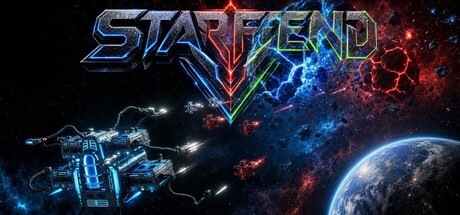 Starfend In-game content art | This game uses generative artificial intelligence to create some of its visual content, particularly the images shown in cutscenes. These AI-generated visuals help bring the story to life and allow for faster iteration and creative exploration.
The cutscene images will be updated regularly as the technology improves and as the game's story evolves. This means you may notice changes in visual quality and storytelling over time, as we continue to refine and enhance the experience. | Ranieri Silva | 10 | May 23, 2026 | |
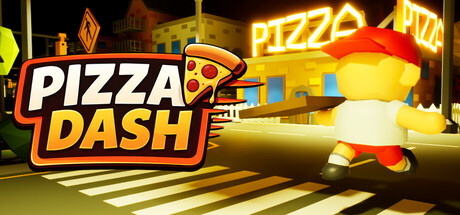 Pizza Dash Store/marketing art | AI has been used to help generate UI elements and marketing elements. | DogHat Games | - | May 23, 2026 | |
 A Piano Tale Dev only code | We want to be transparent about our use of AI:
AI is used for: assisting with code development (debugging, refactoring, technical guidance during programming sessions).
AI is NOT used for: the story, the dialogue, the music, the illustrations, the character designs, or any creative content. A Piano Tale is a deeply personal project, and its soul comes entirely from human hands. | Pianogo Studio | - | May 23, 2026 | |
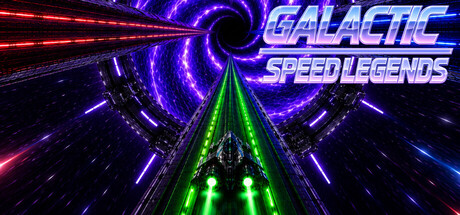 Galactic Speed Legends In-game content art | This game contains visual assets generated using generative AI tools (including some characters, vehicles, and icons). All such assets have been reviewed and integrated by the developer.
The game does not use generative AI during gameplay, nor does it generate any content in real time. All gameplay logic and systems are fully developer-created. | ocasocreations | - | May 23, 2026 | |
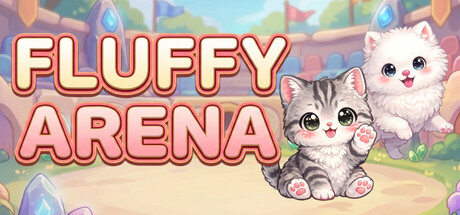 Fluffy Arena In-game content artaudiotext | Some graphics, music, and translations were initially generated by AI and subsequently revised by humans. | Pet Party | - | May 23, 2026 | |
 Power Gunner Store/marketing art | Marketing material such as capsule images, event/news post images and library images have used Generative AI. | Mega Toast Games | 22 | May 23, 2026 | |
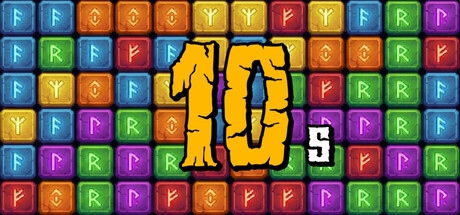 10s In-game content textart | Generative Artificial Intelligence tools were used during development to assist in the creation, proofreading, and translation of texts (including the store page and tutorial dialogue), as well as aiding in the ideation and creation of some static 2D visual assets. | Old Bear Games | - | Mar 18, 2026 | |
 Void Rhythm Store/marketing art | Concept art assets. | DeepStream | - | Mar 18, 2026 | |
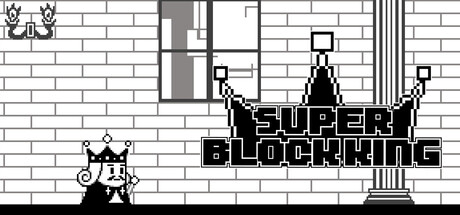 SuperBlockKing In-game content text | Generative AI tools were used to assist with some store page localization. | Shirogane Code | - | Mar 18, 2026 | |
 8ave. Store/marketing art | Some backgrounds/jackets/movies use generative AI. | wata* | - | Mar 18, 2026 | |
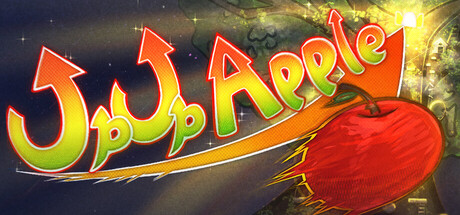 UpUpApple In-game content arttextcode | I use AI tools to assist with code generation, brainstorming, and text proofreading during development. Additionally, generative AI is used to create some of the texture assets used in the game. | Guralab | - | Mar 18, 2026 | |
 SwingCat: Swing Me to the Moon? In-game content art | Some static visual assets in this game were created with the assistance of AI tools during development. All AI-assisted assets have been reviewed, edited, and integrated by the developer to fit the game's art style. No AI-generated content is created during gameplay. | CAEN Games | - | Mar 18, 2026 | |
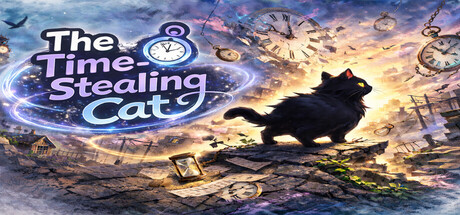 The Time‑Thieving Cat Unclear art | I used generative AI to create the images. | Chaos Cat Games | - | Mar 18, 2026 | |
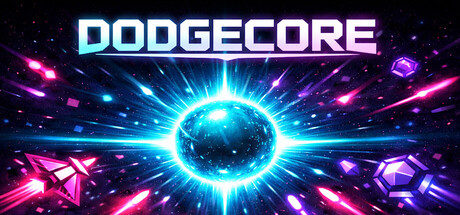 Dodgecore Unclear | Chat-GPT | Schnurksel | - | Mar 18, 2026 | |
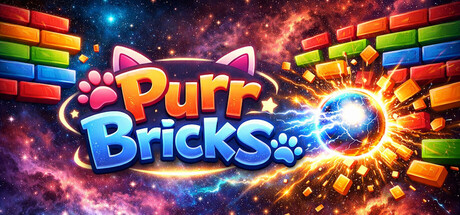 Purr Bricks In-game content artaudio | AI Assisted graphics and music included. | PurrSoft | 13 | Mar 18, 2026 | |
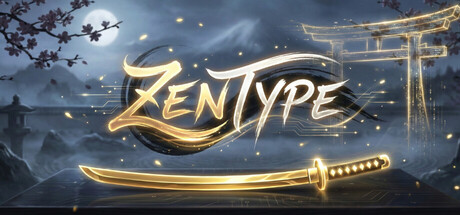 ZenType In-game content artaudio | A small selection (approx. 15-20%) of the environmental wallpapers were AI-assisted to provide visual variety, while the majority of the 30+ artworks and the core 'Dojo' aesthetic are custom-designed. AI was also used to help master and refine the lofi soundtrack and assist with initial marketing drafts. | IRFAN S | - | Mar 18, 2026 | |
 Remove Virus general | Remove virus does not use generative AI to generate gameplay content, dialogue, code, or assets during play. The game does not connect to external AI services. All content included in the build is pre-created by the developer. | Jkong | - | Mar 18, 2026 | |
 Bread Dog Vibe In-game content arttext | Some store page artwork and localization/translations were created with the assistance of AI tools. All core game content, including gameplay code, character artwork, and audio, was created without generative AI. | machinetherapist | - | Mar 18, 2026 | |
 Hyperinflation Dungeon In-game content textart | It is used in translations and a very small portion of in-game assets. | BlinkFox Games | - | Mar 18, 2026 | |
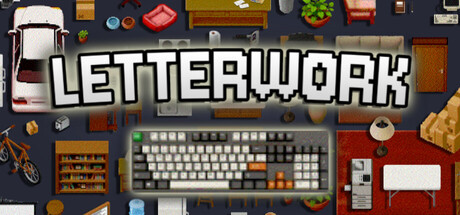 Letterwork In-game content art | Generative AI was trained on an original pixel art style and used to create the bases for props, which were then manually edited into their final forms. | Corban Millican | - | Mar 18, 2026 | |
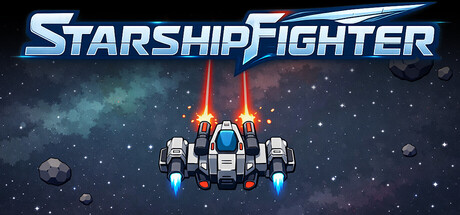 StarshipFighter In-game content art | Some of the promotional and storefront images were created with AI tools and then refined by hand. All of the in-game assets were designed by a 3D artist. | Daniel Walasinski | - | Mar 18, 2026 | |
 PizzaCat In-game content art | AI tools were used to generate early concept artwork and UI references during development. Final in-game assets were created, refined, and implemented by the developer. The game does not include any live-generated AI content. | Jess Makes Games | - | Mar 18, 2026 | |
 ASCII-RIFT In-game content audiocode | ASCII-RIFT was developed using generative AI tools as part of the creative process. Music tracks were created using Suno and curated by the developer. Programming and system design were developed with AI-assisted tools under the developer’s direction. No live AI-generated content is used during gameplay. | End of Line Club | - | Mar 18, 2026 | |
 Comet Busters In-game content audioart | Some music, portions of the trailer, and select store page images were created with the assistance of AI generation tools. | Jason Hall | - | Mar 18, 2026 | |
 <Code Breaker> In-game content audio | Generative AI has only been used to create placeholder background music tracks, as a type of "elevator music", while I learn more about sound design and music producing. No AI has been used anywhere else, in art or development. Everything else has been done by one individual, and the hope is to have all the AI generated soundtracks replaced before launch. Sorry for any AI hate, and thanks for the understanding. | 0x00_0x01_dev | - | Mar 18, 2026 | |
 Chopikoji Gardens In-game content | AI was used in the creation of some assets. | Moleman Studios | - | Mar 18, 2026 | |
 The Fast and the Fallen In-game content artaudio | AI tools were used only to generate background images and music for the title/menu screen. | GraveBound Studios | - | Mar 18, 2026 | |
 Symbolika In-game content artaudio | All visual assets in the game, including character portraits, backgrounds, user interface (UI) elements, icons, and menus, were created using generative Artificial Intelligence tools. Additionally, all the background music and musical tracks were also composed and generated using AI. All of these assets are pre-rendered during development ; there is no live AI generation occurring in real-time while the user is playing. | Romain LGD | - | Mar 18, 2026 | |
 COALCOM: Power Station Dev only codetext | COALCOM was built by a solo developer with 20+ years in the power industry. Generative AI was used to write and iterate on game code — it's what made finishing a +10-year project idea finally possible. Some written content, including store page copy and the game manual, was drafted with AI assistance and refined by the developer. The game design, mechanics, domain expertise, and voice are entirely human. The visual assets were not AI-generated. | Pedro Matos | - | Mar 18, 2026 | |
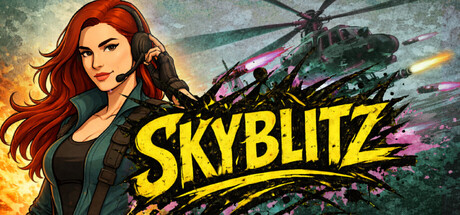 Skyblitz In-game content art | Our team uses generative AI to develop some in-game 2D assets. | Adarna Entertainment LLC | - | Mar 18, 2026 | |
 Alpha Genesis Unclear art | Adobe Photoshop and other AI-powered image generation tools were used during the development of this game. | Estro.Games | - | Mar 18, 2026 | |
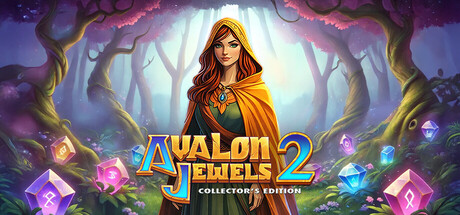 Avalon Jewels 2 Collector's Edition Store/marketing textart | We use AI as a creative assistant to refine our English descriptions and ensure they are easy to read and engaging (since we are not native speakers). In addition, some of the game’s illustrations were created with the help of generative AI tools and later refined by human artists. | Anawiki Games | - | Mar 18, 2026 |


