Public Steam disclosure research25,383 disclosures tracked
Where do games disclose AI use?
Search developers’ Steam disclosures, compare classified AI use across
games, and follow recorded changes.
This index adds cross-game classifications and statistics to
statements published on individual store pages.
Groups reflect automatic analysis of public disclosures; mature records are excluded. These counts do not measure AI use across all of Steam.
Missing or unclear statements cannot establish whether a game uses AI.
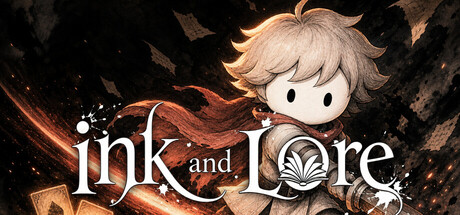
Some visual assets in this game were created with the assistance of generative AI tools, including UI icons, skill and relic icons, character portraits and sprites, combat VFX, dungeon tile art, and menu and interface decoration. All generated images were reviewed, edited, and integrated by the development team.
Generative AI tools were used during development to create and edit some visual assets, including character, unit, action, and background artwork. Generative AI was also used in the creation of some sound and audio assets. All generated materials were reviewed, selected, and edited by the developer before being included in the game or its store assets. The game does not generate AI content during gameplay.
This game utilizes generative AI tools as an assisting tool for creating various assets, including Artwork (Character portraits, backgrounds, and some UI elements), Sound (BGM and effects), and Text (localization).
AI was also used to assist in programming and debugging. All assets were carefully selected by the developer, and the core gameplay systems, balance, boss design, and all strategic features were entirely designed and implemented by hand.
AI DISCLOSURE
Crown of the Vermillion Devil uses AI-generated imagery for its location artwork. All writing, game design, systems, music, and narrative content are original human-authored work. We are a small independent project and have been transparent about this from the start. If that affects your purchasing decision, we respect it.
This game uses generative AI tools during development to create or assist with some pre-generated content. This includes code assistance, visual asset creation, and music creation.
Generative AI tools are used to assist with programming during development, to create or assist with character artwork, background artwork, store page graphics, Steam community assets, and marketing materials, and to create or assist with background music.
AI-assisted assets and code are reviewed, edited, and integrated by the developer before release. The game does not use generative AI to generate real-time content during gameplay, and players do not directly interact with a generative AI system.
The “combat AI” described in the game is a gameplay system that controls enemy behavior and tactical decision-making. It is not generative AI.
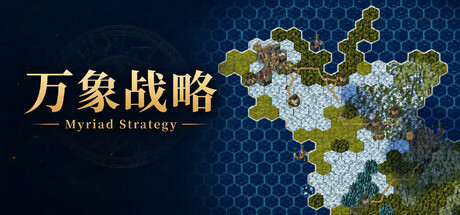
Some store assets (capsules, library art, promotional images) and some in-game terrain sprites (such as mountains and forests) started from drafts produced with AI image tools, then selected, color-graded, composited, and cropped by the developer. All publicly released assets are human-reviewed. UI, fonts, icons, player avatars, faction emblems, and other non-terrain art are drawn directly by the developer or built from licensed fonts / open-source resources — no AI generation involved. Player-to-player text messages produced at runtime by the AI model each player has chosen are disclosed separately under "Live-Generated AI".
This game's development uses generative AI tools in the following ways:
Image assets: generating some artwork and image materials (directed and curated by the developer; final design decisions and adjustments are made by a human).
Coding: assisting with implementation and development (design decisions and final code review are done by a human).
No content is generated by AI at runtime.
The developer used generative AI tools during the development process to assist in creating visual assets and concept art. All content in the final game is pre-rendered and static; the game does not generate new content in real-time or connect to external AI services during execution.
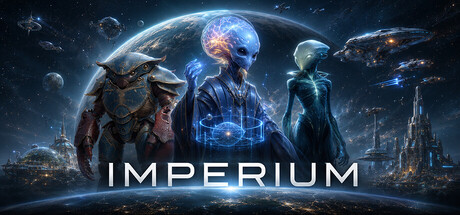
Imperium is a solo-developed game that makes extensive use of generative AI
to create its content:
• Visual art and graphical assets — planet surfaces, buildings, species and
ship artwork, interface art, and store/marketing imagery — were generated
using Midjourney and ChatGPT, then extensively edited, composited, and
refined by hand in Photoshop (including Photoshop's AI tools) to fit the
game's art direction.
• Music was generated using Suno.
• Sound effects were generated using ElevenLabs.
Every asset is reviewed, edited, and approved by the developer before it
ships, and the game's design, systems, and balance are the developer's own.
Imperium's in-game opponents use traditional algorithmic AI, not generative AI.
During development, we used generative AI tools to assist in creating certain game content. This includes using AI to generate base concepts and visual assets for specific in-game items or backgrounds (which were subsequently refined manually), as well as using AI for multilingual localization and text polishing.
Character art and event scene illustrations in this game were created using AI image generation tools. All generated images were curated, edited, and refined by the developer to produce the final in-game assets. No AI content is generated in real time during gameplay.
Our team used generative AI tools to help develop some in-game card images and the images for our Steam Achievements. For any assets acquired from third-party artists, we were not always able to confirm whether generative AI was used in their creation. This is the full extent of our AI usage.
Generative AI tools were used only as programming assistance during development, such as code reference, debugging support, and workflow optimization. No player-facing art, story, audio, localization text, or gameplay content was generated by AI.
Generative AI was used in this game’s development and related asset creation, including the game code, three music tracks, selected visual assets, and multilingual localization translation.
The developers utilize AI tools to assist in the initial concepting and intermediate rendering phases of certain 2D art assets, UI elements, and narrative cutscenes. However, all generated materials are heavily repainted, manually edited, and refined by our artists to ensure they align with the game's dark fantasy aesthetic. No raw, unedited AI generation is used in the final product. All core gameplay mechanics, level design, and technical systems are 100%
This game includes content created with the assistance of generative AI tools. Some character and UI artwork was produced using AI image generation (ChatGPT) and then edited by the developer, and the background music was generated using ACE-Step (an open-source model whose output permits commercial use). All AI-assisted assets were reviewed by the developer to ensure they do not infringe the intellectual property of third parties. No AI is used at runtime—all generation occurred during development (pre-generated).
My game currently uses generative AI only to assist with temporary localization and translation work, mainly as a placeholder until the translations can be reviewed and replaced by professional human translators.
Some in-game assets, including textures / background art / sound effects / narrative texts, were created with the help of generative AI tools during development. All AI-generated content has been reviewed and manually adjusted to ensure it meets the game's quality standards and does not contain any infringing or inappropriate material.
Some of this game's art assets were created with the assistance of generative AI tools during development, then hand-selected, edited, composited, and laid out by the developer before being integrated into the game. All AI-assisted content has been reviewed by the developer to ensure it contains no inappropriate or infringing material. No AI content is generated in real time during gameplay.
This game uses generative AI to create concept art, some background illustrations. All AI-generated content has been reviewed, edited, and refined by human hands to ensure it does not infringe on any copyrights.
All background music used in this game are pre-generated offline AI audio assets sourced from Pixabay (static files only, no real-time generation). All materials fully comply with Pixabay’s free commercial use license with no copyright infringement issues. Full download records of these assets are retained, and there is no mandatory requirement to disclose specific AI generation tools.
Localized texts and tutorial content of the game are created with the assistance of AI tools. All AI-generated content has been reviewed for compliance.
ESTRO Quantum uses generative AI only for some of its 2D/3D visual assets. Card illustrations and cosmetic art (card skins, backdrops, card backs) were created with the help of generative AI image-generation tools, then curated and reviewed by the developer before being included in the game. No AI-generated content is produced live during gameplay; the single-player "AI opponents" are traditional rule-based systems and do not use generative AI.
This game uses generative AI tools as part of its development and content production process. AI-assisted workflows were used for selected visual assets, video materials, music or audio drafts, localization/text drafts, code assistance, and marketing/store page materials. All AI-assisted outputs are reviewed, edited, and integrated by the developer before inclusion.
The game does not generate AI content during gameplay and does not connect to external AI services while the game is running.
Some artwork, text drafts, and development materials were assisted by generative AI tools and then reviewed or edited by the developer. Core gameplay rules, player progress, purchases, and account-related decisions are not generated by AI during play.
As the sole developer of Veridium: Final Pulse, I utilize generative AI tools as development assistants to create pre-rendered assets. AI technologies were used to generate 2D artwork, animations, music, sound effects, coding workflows, and promotional store texts. Crucially, all AI-generated elements have been thoroughly reviewed and curated, and were manually edited, modified, or refined wherever necessary to ensure high quality and artistic cohesion. The game contains no real-time or dynamically generated AI content during gameplay, and all tools are used under valid commercial licenses.
Some Library images are AI generated. Some (small amount) of in-game images are AI generated. 95% of all assets are created by real artists and in future going for the 100%.
This game uses generative artificial intelligence to create portions of its GDScript code, Steam store promotional graphics, character designs, skills, in‑game items, environment maps, sound effects, background audio, and various dynamic content. All AI‑generated content is manually reviewed and adjusted before release to ensure quality, consistency, and safety, and many AI outputs undergo significant hand‑editing.
During game development, some NPC dialogue was first refined and translated using generative AI, after which filtering and moderation mechanisms were applied to ensure the dialogue remained safe, appropriate, and consistent with the game’s world. No unreviewed real‑time AI output is used in the game.
This game uses generative AI to produce certain content, and all AI outputs are subject to human review and filtering to ensure compliance with Steam’s guidelines and the game’s content standards. No unauthorized copyrighted material is included.
This game uses Pre-Generated AI only. AI tools were used during development to create static assets (art, text, sound effects, etc.) that are bundled into the game. No Live-Generated AI is used — no AI model inference or online content generation takes place at runtime.
We translated the game in German and French ourselves. For Japanese, Simplified Chinese, Spanish and Portuguese (BR), we used AI. If you see any translation mistakes, feel free to let us know!
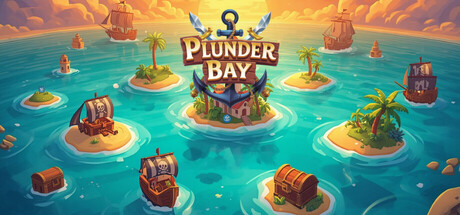
During the development of Plunder Bay, AI-powered tools were used to assist in the creation of the following content:
- Store Page Graphics: Promotional images and capsule art were created with AI image generation tools (Leonardo AI) and edited manually.
- Sound Effects: Some sound effects were generated using AI audio tools (ElevenLabs) for specific game events.
- Menu Background: The main menu background visual was created with AI video generation tools (Runway).
All AI-generated content was reviewed, edited, and curated by the developer to ensure quality and consistency. AI was used as a creative tool to assist a solo developer, not as a replacement for game design decisions.
Some visual assets in this game were created with the assistance of generative AI tools, including UI icons, skill and relic icons, character portraits and sprites, combat VFX, dungeon tile art, and menu and interface decoration. All generated images were reviewed, edited, and integrated by the development team.
Generative AI tools were used during development to create and edit some visual assets, including character, unit, action, and background artwork. Generative AI was also used in the creation of some sound and audio assets. All generated materials were reviewed, selected, and edited by the developer before being included in the game or its store assets. The game does not generate AI content during gameplay.
This game utilizes generative AI tools as an assisting tool for creating various assets, including Artwork (Character portraits, backgrounds, and some UI elements), Sound (BGM and effects), and Text (localization).
AI was also used to assist in programming and debugging. All assets were carefully selected by the developer, and the core gameplay systems, balance, boss design, and all strategic features were entirely designed and implemented by hand.
AI DISCLOSURE
Crown of the Vermillion Devil uses AI-generated imagery for its location artwork. All writing, game design, systems, music, and narrative content are original human-authored work. We are a small independent project and have been transparent about this from the start. If that affects your purchasing decision, we respect it.
This game uses generative AI tools during development to create or assist with some pre-generated content. This includes code assistance, visual asset creation, and music creation.
Generative AI tools are used to assist with programming during development, to create or assist with character artwork, background artwork, store page graphics, Steam community assets, and marketing materials, and to create or assist with background music.
AI-assisted assets and code are reviewed, edited, and integrated by the developer before release. The game does not use generative AI to generate real-time content during gameplay, and players do not directly interact with a generative AI system.
The “combat AI” described in the game is a gameplay system that controls enemy behavior and tactical decision-making. It is not generative AI.
Some store assets (capsules, library art, promotional images) and some in-game terrain sprites (such as mountains and forests) started from drafts produced with AI image tools, then selected, color-graded, composited, and cropped by the developer. All publicly released assets are human-reviewed. UI, fonts, icons, player avatars, faction emblems, and other non-terrain art are drawn directly by the developer or built from licensed fonts / open-source resources — no AI generation involved. Player-to-player text messages produced at runtime by the AI model each player has chosen are disclosed separately under "Live-Generated AI".
This game's development uses generative AI tools in the following ways:
Image assets: generating some artwork and image materials (directed and curated by the developer; final design decisions and adjustments are made by a human).
Coding: assisting with implementation and development (design decisions and final code review are done by a human).
No content is generated by AI at runtime.
The developer used generative AI tools during the development process to assist in creating visual assets and concept art. All content in the final game is pre-rendered and static; the game does not generate new content in real-time or connect to external AI services during execution.
Imperium is a solo-developed game that makes extensive use of generative AI
to create its content:
• Visual art and graphical assets — planet surfaces, buildings, species and
ship artwork, interface art, and store/marketing imagery — were generated
using Midjourney and ChatGPT, then extensively edited, composited, and
refined by hand in Photoshop (including Photoshop's AI tools) to fit the
game's art direction.
• Music was generated using Suno.
• Sound effects were generated using ElevenLabs.
Every asset is reviewed, edited, and approved by the developer before it
ships, and the game's design, systems, and balance are the developer's own.
Imperium's in-game opponents use traditional algorithmic AI, not generative AI.
During development, we used generative AI tools to assist in creating certain game content. This includes using AI to generate base concepts and visual assets for specific in-game items or backgrounds (which were subsequently refined manually), as well as using AI for multilingual localization and text polishing.
Character art and event scene illustrations in this game were created using AI image generation tools. All generated images were curated, edited, and refined by the developer to produce the final in-game assets. No AI content is generated in real time during gameplay.
Our team used generative AI tools to help develop some in-game card images and the images for our Steam Achievements. For any assets acquired from third-party artists, we were not always able to confirm whether generative AI was used in their creation. This is the full extent of our AI usage.
Generative AI tools were used only as programming assistance during development, such as code reference, debugging support, and workflow optimization. No player-facing art, story, audio, localization text, or gameplay content was generated by AI.
Generative AI was used in this game’s development and related asset creation, including the game code, three music tracks, selected visual assets, and multilingual localization translation.
The developers utilize AI tools to assist in the initial concepting and intermediate rendering phases of certain 2D art assets, UI elements, and narrative cutscenes. However, all generated materials are heavily repainted, manually edited, and refined by our artists to ensure they align with the game's dark fantasy aesthetic. No raw, unedited AI generation is used in the final product. All core gameplay mechanics, level design, and technical systems are 100%
This game includes content created with the assistance of generative AI tools. Some character and UI artwork was produced using AI image generation (ChatGPT) and then edited by the developer, and the background music was generated using ACE-Step (an open-source model whose output permits commercial use). All AI-assisted assets were reviewed by the developer to ensure they do not infringe the intellectual property of third parties. No AI is used at runtime—all generation occurred during development (pre-generated).
My game currently uses generative AI only to assist with temporary localization and translation work, mainly as a placeholder until the translations can be reviewed and replaced by professional human translators.
Some in-game assets, including textures / background art / sound effects / narrative texts, were created with the help of generative AI tools during development. All AI-generated content has been reviewed and manually adjusted to ensure it meets the game's quality standards and does not contain any infringing or inappropriate material.
Some of this game's art assets were created with the assistance of generative AI tools during development, then hand-selected, edited, composited, and laid out by the developer before being integrated into the game. All AI-assisted content has been reviewed by the developer to ensure it contains no inappropriate or infringing material. No AI content is generated in real time during gameplay.
This game uses generative AI to create concept art, some background illustrations. All AI-generated content has been reviewed, edited, and refined by human hands to ensure it does not infringe on any copyrights.
All background music used in this game are pre-generated offline AI audio assets sourced from Pixabay (static files only, no real-time generation). All materials fully comply with Pixabay’s free commercial use license with no copyright infringement issues. Full download records of these assets are retained, and there is no mandatory requirement to disclose specific AI generation tools.
Localized texts and tutorial content of the game are created with the assistance of AI tools. All AI-generated content has been reviewed for compliance.
ESTRO Quantum uses generative AI only for some of its 2D/3D visual assets. Card illustrations and cosmetic art (card skins, backdrops, card backs) were created with the help of generative AI image-generation tools, then curated and reviewed by the developer before being included in the game. No AI-generated content is produced live during gameplay; the single-player "AI opponents" are traditional rule-based systems and do not use generative AI.
This game uses generative AI tools as part of its development and content production process. AI-assisted workflows were used for selected visual assets, video materials, music or audio drafts, localization/text drafts, code assistance, and marketing/store page materials. All AI-assisted outputs are reviewed, edited, and integrated by the developer before inclusion.
The game does not generate AI content during gameplay and does not connect to external AI services while the game is running.
Some artwork, text drafts, and development materials were assisted by generative AI tools and then reviewed or edited by the developer. Core gameplay rules, player progress, purchases, and account-related decisions are not generated by AI during play.
As the sole developer of Veridium: Final Pulse, I utilize generative AI tools as development assistants to create pre-rendered assets. AI technologies were used to generate 2D artwork, animations, music, sound effects, coding workflows, and promotional store texts. Crucially, all AI-generated elements have been thoroughly reviewed and curated, and were manually edited, modified, or refined wherever necessary to ensure high quality and artistic cohesion. The game contains no real-time or dynamically generated AI content during gameplay, and all tools are used under valid commercial licenses.
Some Library images are AI generated. Some (small amount) of in-game images are AI generated. 95% of all assets are created by real artists and in future going for the 100%.
This game uses generative artificial intelligence to create portions of its GDScript code, Steam store promotional graphics, character designs, skills, in‑game items, environment maps, sound effects, background audio, and various dynamic content. All AI‑generated content is manually reviewed and adjusted before release to ensure quality, consistency, and safety, and many AI outputs undergo significant hand‑editing.
During game development, some NPC dialogue was first refined and translated using generative AI, after which filtering and moderation mechanisms were applied to ensure the dialogue remained safe, appropriate, and consistent with the game’s world. No unreviewed real‑time AI output is used in the game.
This game uses generative AI to produce certain content, and all AI outputs are subject to human review and filtering to ensure compliance with Steam’s guidelines and the game’s content standards. No unauthorized copyrighted material is included.
This game uses Pre-Generated AI only. AI tools were used during development to create static assets (art, text, sound effects, etc.) that are bundled into the game. No Live-Generated AI is used — no AI model inference or online content generation takes place at runtime.
We translated the game in German and French ourselves. For Japanese, Simplified Chinese, Spanish and Portuguese (BR), we used AI. If you see any translation mistakes, feel free to let us know!
During the development of Plunder Bay, AI-powered tools were used to assist in the creation of the following content:
- Store Page Graphics: Promotional images and capsule art were created with AI image generation tools (Leonardo AI) and edited manually.
- Sound Effects: Some sound effects were generated using AI audio tools (ElevenLabs) for specific game events.
- Menu Background: The main menu background visual was created with AI video generation tools (Runway).
All AI-generated content was reviewed, edited, and curated by the developer to ensure quality and consistency. AI was used as a creative tool to assist a solo developer, not as a replacement for game design decisions.