Public Steam disclosure research25,998 disclosures tracked
Where do games disclose AI use?
Search developers’ Steam disclosures, compare classified AI use across
games, and follow recorded changes.
This index adds cross-game classifications and statistics to
statements published on individual store pages.
Groups reflect automatic analysis of public disclosures; mature records are excluded. These counts do not measure AI use across all of Steam.
Missing or unclear statements cannot establish whether a game uses AI.
Generative AI was used in the creation and editing of some visual assets, promotional materials, and other creative content appearing in the game and on the store page. All final content was reviewed, edited, and implemented by the developer.
Due to the small scale of the project, many visual assets in the current demo were created using AI-assisted image generation tools, with additional manual editing and selection by the developer.
Some assets may be replaced or redrawn in future versions during development.
Character design,character writing, story structure, dialogue, game design, and overall direction were totally created by the developer.
This is a small independent narrative project focused primarily on storytelling and atmosphere.Thank you for playing, reading, and supporting the project.
Some of the in-game 2D textures and visual effects were created using AI-based tools. These elements are modified in terms of art and development throughout the production process to ensure they meet our quality standards and creative vision.
Pixel Q is a local AI assistant that utilizes large language models (LLMs) for real-time conversational AI. All AI models run locally on the user's device. Safety guardrails are enforced through restrictive prompt engineering, output filtering, and the inherent safety features of the underlying open-source models. The AI is designed to refuse requests for illegal, harmful, hateful, or sexually explicit content. No user data is sent to external servers.
This game utilizes pre-generated AI content across multiple disciplines, including visual assets, code optimization, and audio design. These tools were used strictly to assist a solo developer in the production process. All AI-assisted assets have been thoroughly vetted to ensure they adhere to copyright and intellectual property standards, and no live-generation tools are present in the build.
This game uses generative AI to create live in-game dialogue, AI character responses, personality details, and evaluation feedback during gameplay. The generated content is text-based and is produced dynamically through an external AI API.
Grok Imagine was used during development to generate environment backgrounds, level assets, and character concept art. All assets have been curated and integrated manually into the 2D engine.
Suno AI was used to compose the atmospheric music tracks and soundtracks for the different realms of the game.
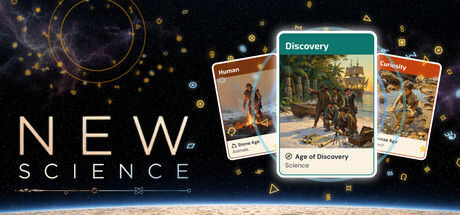
New Science uses generative AI as a core part of its discovery system. When a player attempts a combination, an AI model may be used to determine whether the two selected objects can logically produce a new result. Generative AI is also used to create an illustration for newly discovered objects. Known discoveries are stored and reused, so the same established combination does not need to be generated again for every player. This system allows New Science to support open-ended experimentation beyond a small, completely predefined recipe list. Players may therefore encounter newly generated combinations and images that have not previously been seen by the development team.
The soundtrack and sound effects were made using AI tools, then edited and mixed by hand to fit the game. Localization for non-English languages was AI-translated.
This game uses generative AI to generate NPC dialogue, thoughts, and decisions in real time. The AI model can run locally via the built-in llama.cpp engine,. In local mode, AI content is generated on your device. We have implemented content filtering and anomaly detection, but AI-generated content may occasionally produce unpredictable results.
Generative AI was used during development for two background illustrations and to draft some in-game UI and popup text, which the developer then reviewed and shipped. The game does not use AI to generate content during gameplay.
We used ai to assist us on music and art because we are poor and not capable of this yet. We will strive to remove or reduce ai to a minimum once we are financially capable.
Some visual assets, concept materials, and marketing images may use generative AI during the production process. All final assets used in the game and store page are reviewed, selected, and edited by the developer before publication. The game does not generate AI content during gameplay.
Some visual assets, including certain images and 3D models, were created or assisted using generative AI tools. All assets were reviewed and edited by the developer before being added to the game.
Generative AI was used as support for writing and translating store page text and descriptive material. All content is reviewed before publication. The game does not use generative AI during gameplay.
This game includes the use of generative AI tools in the creation of certain visual and audio elements. All content has been curated and integrated by the developer to ensure a cohesive artistic experience.
This game was developed with the assistance of generative AI tools. AI tools were used during development to help generate or organize code, game text, UI text, data structures, and some visual assets, such as icons or other art resources. All AI-assisted content is pre-generated and reviewed by the developer before being included in the game build. The game does not generate AI content during gameplay and does not connect to any external AI services.
Some pre-rendered 2D monster, card, sprite, icon, and store artwork was created with generative AI tools and then edited and curated by the developer. The game does not use live generative AI during play.
All music was generated by AI.
Anything not covered up with an effect was touched up by AI. We created the original concepts in Piskel.
Ai assisted with some aspects of coding/refactoring/debugging.
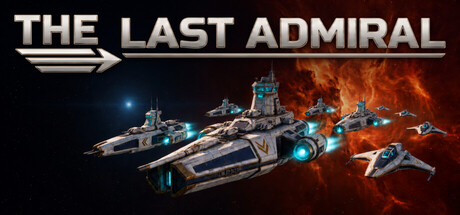
The image in our store media, with the 3 ships, was generated using AI based on our in-game enemy ships and the players "elite" ship. Everything else was created using Canva.
A few in game images and the cover were AI generated using Microsoft's Co-Pilot AI. Nothing in game involves AI. The enemy patterns are enemy movement behavior logic like the old days. In time I might make the images myself. This is just saving me a lot of time. I am not a studio, just one dude.
During the development of this game, artificial intelligence tools were used to assist with various aspects of production, including the creation of the store artwork, menu graphics, team crest images, parts of the C# programming, music composition, and the generation and refinement of game ideas.
As an independent developer, I work alone on every aspect of this project. For quite some time, I have used tools such as ChatGPT and Codex to support my workflow, helping me increase productivity and allowing me to dedicate more time to improving the overall game experience.
Despite this technological assistance, all creative decisions, project direction, final implementation, and supervision of every stage of development were carried out by me.
I believe that artificial intelligence is a valuable tool that can help independent developers bring their ideas to life more efficiently. I hope the use of these tools will be seen as part of a modern development process rather than as a deciding factor in whether or not to purchase the game.
Thank you sincerely for your understanding, your interest in the project, and your support of independent game development.
Some vfx sprite sheets and art were generated and then photoshopped and shaders added. I generated some images 100 plus times to make sure the style didn't drift. I photoshopped AI images to get what I wanted. AI generated images were guided by my thoughts the entire time.
A few visual assets are hand-drawn but most of the assets were created by either Perchance or ChatGPT and then heavily cleaned/edited in photoshop by myself to fit into the game. Music was created by Suno and edited in Audacity.
Coding was done from scratch, no AI used in that at all.
FLATLINE utilizes advanced generative AI technologies to enhance both the visual and interactive experience:
Visual Assets (Pre-generated): To achieve the unique aesthetic of "clean decay" and the massive brutalist landscapes of London 2036, we employed AI-rendering tools (Nanobanana and Veo). All images and video sequences were pre-generated and underwent meticulous manual post-processing to align with the project’s artistic vision.
Interactivity (Live-generated): The episode’s climax features a live dialogue with the system "Anomaly." This character’s responses are generated in real-time using the GPT-4 model, allowing each player to find their own unique arguments in the final confrontation with the network.
We use AI as a force-multiplier for a solo creator, enabling the realization of a world that would otherwise be impossible to build at this scale using traditional methods
Generative AI tools are used in this project. Claude and ChatGPT assist with drafting store page copy and marketing media. Some in-game visual assets are created with AI image generation.
We used generative AI tools to assist with drafting and localizing store page text. All AI-assisted text is reviewed and edited by our team before publication. The game does not use live-generated AI content during gameplay.
Some visual assets and promotional materials for Frozen Christmas Magic: Santa’s Hidden Village were created with the assistance of generative AI tools, then manually directed, selected, edited and integrated by the developer as part of the game’s artistic production pipeline.
No real-time generative AI is used during gameplay.
Generative AI was used in the creation and editing of some visual assets, promotional materials, and other creative content appearing in the game and on the store page. All final content was reviewed, edited, and implemented by the developer.
Due to the small scale of the project, many visual assets in the current demo were created using AI-assisted image generation tools, with additional manual editing and selection by the developer.
Some assets may be replaced or redrawn in future versions during development.
Character design,character writing, story structure, dialogue, game design, and overall direction were totally created by the developer.
This is a small independent narrative project focused primarily on storytelling and atmosphere.Thank you for playing, reading, and supporting the project.
Some of the in-game 2D textures and visual effects were created using AI-based tools. These elements are modified in terms of art and development throughout the production process to ensure they meet our quality standards and creative vision.
Pixel Q is a local AI assistant that utilizes large language models (LLMs) for real-time conversational AI. All AI models run locally on the user's device. Safety guardrails are enforced through restrictive prompt engineering, output filtering, and the inherent safety features of the underlying open-source models. The AI is designed to refuse requests for illegal, harmful, hateful, or sexually explicit content. No user data is sent to external servers.
This game utilizes pre-generated AI content across multiple disciplines, including visual assets, code optimization, and audio design. These tools were used strictly to assist a solo developer in the production process. All AI-assisted assets have been thoroughly vetted to ensure they adhere to copyright and intellectual property standards, and no live-generation tools are present in the build.
This game uses generative AI to create live in-game dialogue, AI character responses, personality details, and evaluation feedback during gameplay. The generated content is text-based and is produced dynamically through an external AI API.
Grok Imagine was used during development to generate environment backgrounds, level assets, and character concept art. All assets have been curated and integrated manually into the 2D engine.
Suno AI was used to compose the atmospheric music tracks and soundtracks for the different realms of the game.
New Science uses generative AI as a core part of its discovery system. When a player attempts a combination, an AI model may be used to determine whether the two selected objects can logically produce a new result. Generative AI is also used to create an illustration for newly discovered objects. Known discoveries are stored and reused, so the same established combination does not need to be generated again for every player. This system allows New Science to support open-ended experimentation beyond a small, completely predefined recipe list. Players may therefore encounter newly generated combinations and images that have not previously been seen by the development team.
The soundtrack and sound effects were made using AI tools, then edited and mixed by hand to fit the game. Localization for non-English languages was AI-translated.
This game uses generative AI to generate NPC dialogue, thoughts, and decisions in real time. The AI model can run locally via the built-in llama.cpp engine,. In local mode, AI content is generated on your device. We have implemented content filtering and anomaly detection, but AI-generated content may occasionally produce unpredictable results.
Generative AI was used during development for two background illustrations and to draft some in-game UI and popup text, which the developer then reviewed and shipped. The game does not use AI to generate content during gameplay.
We used ai to assist us on music and art because we are poor and not capable of this yet. We will strive to remove or reduce ai to a minimum once we are financially capable.
Some visual assets, concept materials, and marketing images may use generative AI during the production process. All final assets used in the game and store page are reviewed, selected, and edited by the developer before publication. The game does not generate AI content during gameplay.
Some visual assets, including certain images and 3D models, were created or assisted using generative AI tools. All assets were reviewed and edited by the developer before being added to the game.
Generative AI was used as support for writing and translating store page text and descriptive material. All content is reviewed before publication. The game does not use generative AI during gameplay.
This game includes the use of generative AI tools in the creation of certain visual and audio elements. All content has been curated and integrated by the developer to ensure a cohesive artistic experience.
This game was developed with the assistance of generative AI tools. AI tools were used during development to help generate or organize code, game text, UI text, data structures, and some visual assets, such as icons or other art resources. All AI-assisted content is pre-generated and reviewed by the developer before being included in the game build. The game does not generate AI content during gameplay and does not connect to any external AI services.
Some pre-rendered 2D monster, card, sprite, icon, and store artwork was created with generative AI tools and then edited and curated by the developer. The game does not use live generative AI during play.
All music was generated by AI.
Anything not covered up with an effect was touched up by AI. We created the original concepts in Piskel.
Ai assisted with some aspects of coding/refactoring/debugging.
The image in our store media, with the 3 ships, was generated using AI based on our in-game enemy ships and the players "elite" ship. Everything else was created using Canva.
A few in game images and the cover were AI generated using Microsoft's Co-Pilot AI. Nothing in game involves AI. The enemy patterns are enemy movement behavior logic like the old days. In time I might make the images myself. This is just saving me a lot of time. I am not a studio, just one dude.
During the development of this game, artificial intelligence tools were used to assist with various aspects of production, including the creation of the store artwork, menu graphics, team crest images, parts of the C# programming, music composition, and the generation and refinement of game ideas.
As an independent developer, I work alone on every aspect of this project. For quite some time, I have used tools such as ChatGPT and Codex to support my workflow, helping me increase productivity and allowing me to dedicate more time to improving the overall game experience.
Despite this technological assistance, all creative decisions, project direction, final implementation, and supervision of every stage of development were carried out by me.
I believe that artificial intelligence is a valuable tool that can help independent developers bring their ideas to life more efficiently. I hope the use of these tools will be seen as part of a modern development process rather than as a deciding factor in whether or not to purchase the game.
Thank you sincerely for your understanding, your interest in the project, and your support of independent game development.
Some vfx sprite sheets and art were generated and then photoshopped and shaders added. I generated some images 100 plus times to make sure the style didn't drift. I photoshopped AI images to get what I wanted. AI generated images were guided by my thoughts the entire time.
A few visual assets are hand-drawn but most of the assets were created by either Perchance or ChatGPT and then heavily cleaned/edited in photoshop by myself to fit into the game. Music was created by Suno and edited in Audacity.
Coding was done from scratch, no AI used in that at all.
FLATLINE utilizes advanced generative AI technologies to enhance both the visual and interactive experience:
Visual Assets (Pre-generated): To achieve the unique aesthetic of "clean decay" and the massive brutalist landscapes of London 2036, we employed AI-rendering tools (Nanobanana and Veo). All images and video sequences were pre-generated and underwent meticulous manual post-processing to align with the project’s artistic vision.
Interactivity (Live-generated): The episode’s climax features a live dialogue with the system "Anomaly." This character’s responses are generated in real-time using the GPT-4 model, allowing each player to find their own unique arguments in the final confrontation with the network.
We use AI as a force-multiplier for a solo creator, enabling the realization of a world that would otherwise be impossible to build at this scale using traditional methods
Generative AI tools are used in this project. Claude and ChatGPT assist with drafting store page copy and marketing media. Some in-game visual assets are created with AI image generation.
We used generative AI tools to assist with drafting and localizing store page text. All AI-assisted text is reviewed and edited by our team before publication. The game does not use live-generated AI content during gameplay.
Some visual assets and promotional materials for Frozen Christmas Magic: Santa’s Hidden Village were created with the assistance of generative AI tools, then manually directed, selected, edited and integrated by the developer as part of the game’s artistic production pipeline.
No real-time generative AI is used during gameplay.