Public Steam disclosure research25,383 disclosures tracked
Where do games disclose AI use?
Search developers’ Steam disclosures, compare classified AI use across
games, and follow recorded changes.
This index adds cross-game classifications and statistics to
statements published on individual store pages.
Groups reflect automatic analysis of public disclosures; mature records are excluded. These counts do not measure AI use across all of Steam.
Missing or unclear statements cannot establish whether a game uses AI.
Generative AI has been used to simulate voices and generate artwork that you find in the game. Additionally AI was used for some text generation. These have been done so purposely alongside the use of generic assets to illustrate overarching points made by the game: namely the use of generative AI in video games as a topic, in keeping with the themes of the game and points it is making.
This game uses a locally-run language model to power live, on-device conversations with an AI character — no data leaves your computer. All visual and audio assets are human-made or commercially licensed. A small number of assets used AI generation as an early drafting tool; each was subsequently revised and finalized by human artists to meet our visual and quality standards.
I use AI-generated pre-rendered images for the Desktop Backgrounds in the game. This is to provide the player with a more unique, customizable experience over their in-game computer.
I also use AI-generated pre-rendered images for character photos/portraits when needed.
All images do not resemble or impersonate any person, living or dead.
I use the service to generate artificial intelligence voices for characters. The voice generation process does not occur in real-time, but rather beforehand, allowing me to test and evaluate the content before using it in the game. Additionally, I implement appropriate preventive measures to ensure that the generated content is suitable and compliant with legal requirements and Steam standards
This game uses AI-assisted tools during development, including text translation and visual enhancement as part of the artwork creation process.
All in-game content and artworks are reviewed, edited, and finalized by the developer. The game does not use AI to generate or modify content during gameplay.
Code: Only when I was absolutely stuck on something and needed help troubleshooting. All the actual development and implementation was hands-on.
Music: The in-game songs were created using AI generation tools.
Some game textures were created using generative AI with supervision and revision by the developers.
Details of this generative AI usage can be found below.
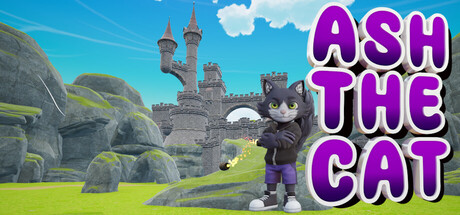
- Tree and leaf textures in the golf courses were created using AI-generated images.
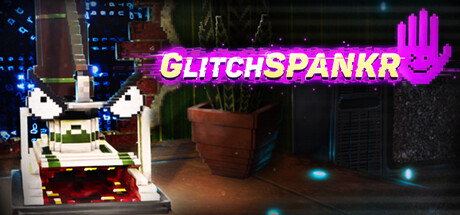
GlitchSPANKR was handcrafted. We used AI audio sparingly and purposefully:
We remixed our own original tracks into ambient variations (e.g. a French-style version of “Friend”).
A handful of songs had lyrics we wrote and used AI to help generate their music, which we refined and often re-recorded ourselves.
One minor joke character uses an AI voice by design.
This game currently features AI-generated voiceovers to bring its characters and story to life. As a solo developer working on my first project, this was the most feasible option during development.
A post-release roadmap will be published, where I plan to transition to fully voiced lines by real voice actors as soon as resources allow.
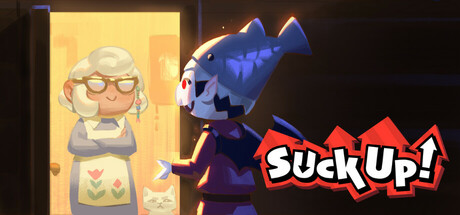
Suck Up! uses advanced AI to create dynamic gameplay. Players interact with AI characters using their voice, and the AI responds in real time based on tone and strategy. With unique personalities and behaviors, the AI challenges players to outwit them, ensuring immersive and unpredictable experiences.
Generative AI has been used to simulate voices and generate artwork that you find in the game. Additionally AI was used for some text generation. These have been done so purposely alongside the use of generic assets to illustrate overarching points made by the game: namely the use of generative AI in video games as a topic, in keeping with the themes of the game and points it is making.
This game uses a locally-run language model to power live, on-device conversations with an AI character — no data leaves your computer. All visual and audio assets are human-made or commercially licensed. A small number of assets used AI generation as an early drafting tool; each was subsequently revised and finalized by human artists to meet our visual and quality standards.
I use AI-generated pre-rendered images for the Desktop Backgrounds in the game. This is to provide the player with a more unique, customizable experience over their in-game computer.
I also use AI-generated pre-rendered images for character photos/portraits when needed.
All images do not resemble or impersonate any person, living or dead.
I use the service to generate artificial intelligence voices for characters. The voice generation process does not occur in real-time, but rather beforehand, allowing me to test and evaluate the content before using it in the game. Additionally, I implement appropriate preventive measures to ensure that the generated content is suitable and compliant with legal requirements and Steam standards
This game uses AI-assisted tools during development, including text translation and visual enhancement as part of the artwork creation process.
All in-game content and artworks are reviewed, edited, and finalized by the developer. The game does not use AI to generate or modify content during gameplay.
Code: Only when I was absolutely stuck on something and needed help troubleshooting. All the actual development and implementation was hands-on.
Music: The in-game songs were created using AI generation tools.
Some game textures were created using generative AI with supervision and revision by the developers.
Details of this generative AI usage can be found below.
- Tree and leaf textures in the golf courses were created using AI-generated images.
GlitchSPANKR was handcrafted. We used AI audio sparingly and purposefully:
We remixed our own original tracks into ambient variations (e.g. a French-style version of “Friend”).
A handful of songs had lyrics we wrote and used AI to help generate their music, which we refined and often re-recorded ourselves.
One minor joke character uses an AI voice by design.
This game currently features AI-generated voiceovers to bring its characters and story to life. As a solo developer working on my first project, this was the most feasible option during development.
A post-release roadmap will be published, where I plan to transition to fully voiced lines by real voice actors as soon as resources allow.
Suck Up! uses advanced AI to create dynamic gameplay. Players interact with AI characters using their voice, and the AI responds in real time based on tone and strategy. With unique personalities and behaviors, the AI challenges players to outwit them, ensuring immersive and unpredictable experiences.