Public Steam disclosure research25,383 disclosures tracked
Where do games disclose AI use?
Search developers’ Steam disclosures, compare classified AI use across
games, and follow recorded changes.
This index adds cross-game classifications and statistics to
statements published on individual store pages.
Groups reflect automatic analysis of public disclosures; mature records are excluded. These counts do not measure AI use across all of Steam.
Missing or unclear statements cannot establish whether a game uses AI.
AI tools were used during the development of this game to assist with programming, and the creation of some sound effects and UI images. All AI-assisted content was reviewed and edited by the developer before being incorporated into the game.
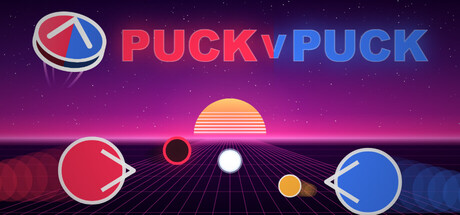
Development of PUCKVPUCK was assisted by an AI coding assistant. It helped write and review the game's code — including the sound effects, which are synthesised mathematically in code rather than recorded or sampled — and it drafted text for this store page. No AI image, audio or video generation models were used: the visuals are drawn procedurally by hand-written code, every screenshot and trailer clip is real captured gameplay, and all music was written and performed by the developers. Nothing is generated live while you play.
Some shipped content was created with the help of generative AI tools and then reviewed and edited by the developer: parts of the store and marketing artwork, the trailer music, and the first drafts of the interface translations (German, Spanish, French, Polish, Brazilian Portuguese). All gameplay, rules logic and code are deterministic and human-reviewed. The game does not generate any AI content at runtime.
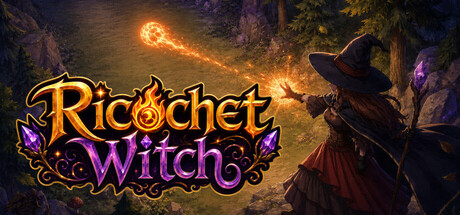
Ricochet Witch includes content created with the assistance of generative AI tools. Every AI-assisted element was directed, selected and edited by the developer, and all of it was reviewed before release.
- 2D artwork (title illustration, game logo, clear end card, scoreboard background, and the application icon, which is a crop of the title illustration): generated with Google Gemini and OpenAI ChatGPT, then selected and edited by the developer.
- Achievement icons: base images generated with OpenAI ChatGPT; the grayscale (locked) versions were made by the developer in Photoshop.
- The player character 3D model: generated with Meshy AI, then adjusted and integrated into the game by the developer.
- English localization text: translated with the assistance of a generative AI tool (Anthropic Claude), then reviewed and adjusted by the developer.
- Store page description text (Simplified Chinese, Korean, Traditional Chinese, Brazilian Portuguese, German and Spanish): translated with the assistance of generative AI tools (OpenAI ChatGPT and Anthropic Claude), then reviewed and adjusted by the developer.
- Store page images: these use the AI-assisted artwork described above.
No content is generated by AI while the game is running.
Some Steam store and library presentation artwork was created with assistance from generative AI tools, then selected and edited by the developer. Localization was completed conventionally, with AI used to assist in verification and quality checks.
Generative AI was used extensively during development to create pre-generated artwork, visual assets, text, and localization included in the game and its store and marketing materials. All AI-generated content was reviewed and edited by the developer. No AI content is generated live during gameplay.
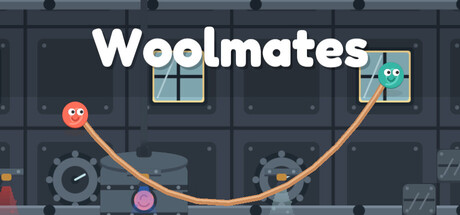
All graphics and sounds in Woolmates are calculated at runtime by the game itself; no AI-generated image, audio, or video files are delivered. AI assistance tools were used in the development of the program code as well as in text and marketing materials. No AI is used during the actual game.
Some textures and audio assets were created using generative AI tools and then reviewed and edited by the developer. The game does not generate AI content during gameplay.
AI-generated content is used in this product. The store page capsule artwork was created using an AI image generation tool. Portions of the store page description text were drafted with the assistance of an AI writing tool and reviewed/edited by the developer.
This work incorporates the use of generative artificial intelligence (AI) in the following areas:
Parts of the artwork, parts of the sound, and localization.
Some in-game artwork (slot machine cabinet art, icons, and store page marketing images) was created with generative AI tools, then reviewed, selected, and post-processed by the developer. The game does not generate any content in real time.
Generative AI tools were used during development to assist with programming and localization. All AI-assisted code and text were reviewed, edited, tested, and integrated by the developer. No generative AI is used while the game is running.
Generative AI was used as an assistive tool in preparing parts of the game’s Steam store presence and marketing materials. This includes some store page artwork and promotional assets, short and long descriptions, store metadata, and localized versions of these materials.
All AI-assisted content was reviewed, edited, and approved by the development team before publication. No content is generated by AI during gameplay.
Certain visual assets incorporated into the final product were subject to a multi-stage development, revision, and production process involving, at intermediate stages of asset preparation, generative AI-assisted material, together with subsequent developer-directed editing, alteration, reconstruction, and final implementation.
Generative tools were used during development to assist with portions of the game's source code and to create or refine some visual assets and promotional artwork. All included content was reviewed and edited by the developer. The game does not generate content during gameplay.
All pixel artwork is hand-made by a human artist (Dani Maccari, licensed and credited). Sound effects are procedurally synthesized from hand-authored code and Suno AI. AI tools were used during development as a programming assistant and to help draft and edit some in-game and store text, all of which was human-directed, reviewed, and curated. No generative AI runs at runtime, and no AI-generated imagery ships with the game.
Background music was generated with Suno. Background images and character sprites were generated with image-generation AI (Google Gemini, Pollo AI), then curated and edited by the developer. Much of the program code was written with an AI coding assistant (Claude Code) under the developer's direction and review. Game design and sound effects are the developer's own work. No content is generated by AI at runtime.
Some pre-rendered visual artwork, promotional material, as well as game elements were created with AI and then selected, edited, and integrated by the developer. The game does not generate AI content during gameplay and does not connect to third-party AI services during gameplay.
This game used generative AI during the development process to assist with the creation and modeling visual assets, including characters designs and environmental textures like buildings.
Generative AI was used to assist with the localization of the game's text into multiple languages. The Portuguese and English localizations were reviewed by the developer, while the Japanese localization received partial human review. Other supported languages were translated with AI assistance and have not yet received full human review, or their review is still in progress.
Some of our store and marketing art started as AI-generated images. We used Midjourney to create the base key art for the Steam capsules, the library hero and the page background, then edited and composited those into the final images ourselves. The logo, wordmark and typography are our own work.
The game itself does not use generative AI. Every in-game asset (art, animation, UI, music, sound, and code) was made by us, by hand or with our own tools.
We’ve reviewed the AI-assisted art, we hold the rights to use it commercially, and as far as we’re aware it doesn’t infringe anyone else’s work.
Petrivore uses AI-assisted tools in parts of its development: some icons and steam assets were made with AI image generation, the in-game text and steam page was translated with AI translation tools. All of it was reviewed and edited by the developer.
No live AI generation is used during gameplay. TinSpring Soccer's boards, characters, textures, and sounds are produced procedurally by game code. AI tools were used under developer direction for implementation, localization, and selected store page artwork.
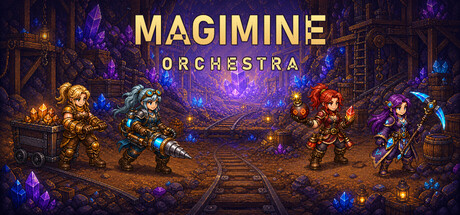
Generative AI was used during development to create some pre-generated 2D pixel art assets, including mine backgrounds, ores, and character artwork. Generative AI was also used to assist with some localization text. All generated output was reviewed, selected, and edited by the developer as needed. The game does not generate content during gameplay and does not connect to any external AI services.
Generative AI was used to assist in the creation of a small number of pre-generated sound effects. All AI-assisted audio was reviewed and curated by the developer. No generative AI is used during gameplay, and the game does not generate content in real time.
AI tools were used during development to assist with coding and to create internal task, references and supporting documentation. The game does not include any player-facing generative AI features.
Some of this game's assets were made with the assistance of generative AI tools and were reviewed, curated and hand-finished by the developer. No content is generated while you play.
Generative AI was used to create the game's artwork, audio, localization, and promotional materials. All AI-generated content was personally reviewed, selected, directed, and refined by the developer before being included in the game. No generative AI is used during gameplay.
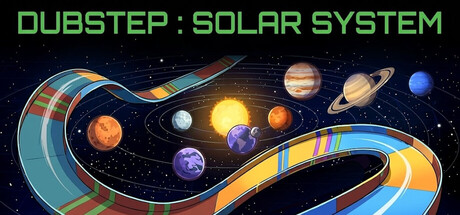
Dubstep: Solar System is an AI-assisted indie game — the studio name, Vibe Coded Reality, wears it proudly. Here is exactly how generative AI was used:
MUSIC: The entire 46-track original dubstep soundtrack was generated with Suno under a paid commercial license, from prompts written by the developer — every track hand-picked from multiple takes and play-tested against the game's beat-gate timing.
CODE: Much of the game's code was written with AI coding assistants working under the developer's direction; all game design, difficulty tuning, and play-testing are human work.
STORE ARTWORK: The cover and capsule artwork were created with AI image tools, then composed and typeset by the developer.
All in-game visuals are drawn procedurally by the game's own code — no AI-generated images appear inside the game itself, and nothing is generated by AI at runtime while you play.
Generative AI tools assisted with English Steam store-page copy, and were used to create pre-generated illustrative key art for Steam store capsules, library artwork, and the store-page background. All AI-assisted outputs are reviewed, edited, integrated, and tested by the developer. The artwork is promotional and is not presented as gameplay footage; screenshots and trailers are captured from the actual game. The game does not use generative AI at runtime or generate live player-facing content.
AI tools were used during the development of this game to assist with programming, and the creation of some sound effects and UI images. All AI-assisted content was reviewed and edited by the developer before being incorporated into the game.
Development of PUCKVPUCK was assisted by an AI coding assistant. It helped write and review the game's code — including the sound effects, which are synthesised mathematically in code rather than recorded or sampled — and it drafted text for this store page. No AI image, audio or video generation models were used: the visuals are drawn procedurally by hand-written code, every screenshot and trailer clip is real captured gameplay, and all music was written and performed by the developers. Nothing is generated live while you play.
Some shipped content was created with the help of generative AI tools and then reviewed and edited by the developer: parts of the store and marketing artwork, the trailer music, and the first drafts of the interface translations (German, Spanish, French, Polish, Brazilian Portuguese). All gameplay, rules logic and code are deterministic and human-reviewed. The game does not generate any AI content at runtime.
Ricochet Witch includes content created with the assistance of generative AI tools. Every AI-assisted element was directed, selected and edited by the developer, and all of it was reviewed before release.
- 2D artwork (title illustration, game logo, clear end card, scoreboard background, and the application icon, which is a crop of the title illustration): generated with Google Gemini and OpenAI ChatGPT, then selected and edited by the developer.
- Achievement icons: base images generated with OpenAI ChatGPT; the grayscale (locked) versions were made by the developer in Photoshop.
- The player character 3D model: generated with Meshy AI, then adjusted and integrated into the game by the developer.
- English localization text: translated with the assistance of a generative AI tool (Anthropic Claude), then reviewed and adjusted by the developer.
- Store page description text (Simplified Chinese, Korean, Traditional Chinese, Brazilian Portuguese, German and Spanish): translated with the assistance of generative AI tools (OpenAI ChatGPT and Anthropic Claude), then reviewed and adjusted by the developer.
- Store page images: these use the AI-assisted artwork described above.
No content is generated by AI while the game is running.
Some Steam store and library presentation artwork was created with assistance from generative AI tools, then selected and edited by the developer. Localization was completed conventionally, with AI used to assist in verification and quality checks.
Generative AI was used extensively during development to create pre-generated artwork, visual assets, text, and localization included in the game and its store and marketing materials. All AI-generated content was reviewed and edited by the developer. No AI content is generated live during gameplay.
All graphics and sounds in Woolmates are calculated at runtime by the game itself; no AI-generated image, audio, or video files are delivered. AI assistance tools were used in the development of the program code as well as in text and marketing materials. No AI is used during the actual game.
Some textures and audio assets were created using generative AI tools and then reviewed and edited by the developer. The game does not generate AI content during gameplay.
AI-generated content is used in this product. The store page capsule artwork was created using an AI image generation tool. Portions of the store page description text were drafted with the assistance of an AI writing tool and reviewed/edited by the developer.
This work incorporates the use of generative artificial intelligence (AI) in the following areas:
Parts of the artwork, parts of the sound, and localization.
Some in-game artwork (slot machine cabinet art, icons, and store page marketing images) was created with generative AI tools, then reviewed, selected, and post-processed by the developer. The game does not generate any content in real time.
Generative AI tools were used during development to assist with programming and localization. All AI-assisted code and text were reviewed, edited, tested, and integrated by the developer. No generative AI is used while the game is running.
Generative AI was used as an assistive tool in preparing parts of the game’s Steam store presence and marketing materials. This includes some store page artwork and promotional assets, short and long descriptions, store metadata, and localized versions of these materials.
All AI-assisted content was reviewed, edited, and approved by the development team before publication. No content is generated by AI during gameplay.
Certain visual assets incorporated into the final product were subject to a multi-stage development, revision, and production process involving, at intermediate stages of asset preparation, generative AI-assisted material, together with subsequent developer-directed editing, alteration, reconstruction, and final implementation.
Generative tools were used during development to assist with portions of the game's source code and to create or refine some visual assets and promotional artwork. All included content was reviewed and edited by the developer. The game does not generate content during gameplay.
All pixel artwork is hand-made by a human artist (Dani Maccari, licensed and credited). Sound effects are procedurally synthesized from hand-authored code and Suno AI. AI tools were used during development as a programming assistant and to help draft and edit some in-game and store text, all of which was human-directed, reviewed, and curated. No generative AI runs at runtime, and no AI-generated imagery ships with the game.
Background music was generated with Suno. Background images and character sprites were generated with image-generation AI (Google Gemini, Pollo AI), then curated and edited by the developer. Much of the program code was written with an AI coding assistant (Claude Code) under the developer's direction and review. Game design and sound effects are the developer's own work. No content is generated by AI at runtime.
Some pre-rendered visual artwork, promotional material, as well as game elements were created with AI and then selected, edited, and integrated by the developer. The game does not generate AI content during gameplay and does not connect to third-party AI services during gameplay.
This game used generative AI during the development process to assist with the creation and modeling visual assets, including characters designs and environmental textures like buildings.
Generative AI was used to assist with the localization of the game's text into multiple languages. The Portuguese and English localizations were reviewed by the developer, while the Japanese localization received partial human review. Other supported languages were translated with AI assistance and have not yet received full human review, or their review is still in progress.
Some of our store and marketing art started as AI-generated images. We used Midjourney to create the base key art for the Steam capsules, the library hero and the page background, then edited and composited those into the final images ourselves. The logo, wordmark and typography are our own work.
The game itself does not use generative AI. Every in-game asset (art, animation, UI, music, sound, and code) was made by us, by hand or with our own tools.
We’ve reviewed the AI-assisted art, we hold the rights to use it commercially, and as far as we’re aware it doesn’t infringe anyone else’s work.
Petrivore uses AI-assisted tools in parts of its development: some icons and steam assets were made with AI image generation, the in-game text and steam page was translated with AI translation tools. All of it was reviewed and edited by the developer.
No live AI generation is used during gameplay. TinSpring Soccer's boards, characters, textures, and sounds are produced procedurally by game code. AI tools were used under developer direction for implementation, localization, and selected store page artwork.
Generative AI was used during development to create some pre-generated 2D pixel art assets, including mine backgrounds, ores, and character artwork. Generative AI was also used to assist with some localization text. All generated output was reviewed, selected, and edited by the developer as needed. The game does not generate content during gameplay and does not connect to any external AI services.
Generative AI was used to assist in the creation of a small number of pre-generated sound effects. All AI-assisted audio was reviewed and curated by the developer. No generative AI is used during gameplay, and the game does not generate content in real time.
AI tools were used during development to assist with coding and to create internal task, references and supporting documentation. The game does not include any player-facing generative AI features.
Some of this game's assets were made with the assistance of generative AI tools and were reviewed, curated and hand-finished by the developer. No content is generated while you play.
Generative AI was used to create the game's artwork, audio, localization, and promotional materials. All AI-generated content was personally reviewed, selected, directed, and refined by the developer before being included in the game. No generative AI is used during gameplay.
Dubstep: Solar System is an AI-assisted indie game — the studio name, Vibe Coded Reality, wears it proudly. Here is exactly how generative AI was used:
MUSIC: The entire 46-track original dubstep soundtrack was generated with Suno under a paid commercial license, from prompts written by the developer — every track hand-picked from multiple takes and play-tested against the game's beat-gate timing.
CODE: Much of the game's code was written with AI coding assistants working under the developer's direction; all game design, difficulty tuning, and play-testing are human work.
STORE ARTWORK: The cover and capsule artwork were created with AI image tools, then composed and typeset by the developer.
All in-game visuals are drawn procedurally by the game's own code — no AI-generated images appear inside the game itself, and nothing is generated by AI at runtime while you play.
Generative AI tools assisted with English Steam store-page copy, and were used to create pre-generated illustrative key art for Steam store capsules, library artwork, and the store-page background. All AI-assisted outputs are reviewed, edited, integrated, and tested by the developer. The artwork is promotional and is not presented as gameplay footage; screenshots and trailers are captured from the actual game. The game does not use generative AI at runtime or generate live player-facing content.