Public Steam disclosure research25,383 disclosures tracked
Where do games disclose AI use?
Search developers’ Steam disclosures, compare classified AI use across
games, and follow recorded changes.
This index adds cross-game classifications and statistics to
statements published on individual store pages.
Groups reflect automatic analysis of public disclosures; mature records are excluded. These counts do not measure AI use across all of Steam.
Missing or unclear statements cannot establish whether a game uses AI.
Some visual assets in this game have been created with the assistance of AI tools, then refined and integrated to fit the artistic direction of the project.
All music featured in the game is original and performed by a real pianist, composed specifically to enhance the emotional experience.
AI tools were used to assist in creating certain promotional/store assets such as capsule images and marketing artwork.
No AI-generated content is included in gameplay, game assets, or user interactions.
This game was developed with the assistance of generative AI tools for portions of code, store text, and some marketing/supporting visual assets. The game does not generate AI content during gameplay.
1. In-game artwork
Some visual assets (e.g., character/decor sprites, UI icons) are generated with Google Gemini and OpenAI ChatGPT
(image generation) and further edited, retouched, and composed by the developer in the final art pipeline.
2. Store page and marketing graphical assets
Capsule art, library hero, library capsule, and promotional images are generated with Google Gemini and OpenAI
ChatGPT, and further edited, retouched, and composed by the developer before upload.
3. In-game localization
Text translations are AI-assisted using Anthropic Claude, with developer review for tone and accuracy.
Runtime behavior:
- No generative AI models are bundled with or called from the shipped game binary.
- All AI-generated content is pre-rendered and baked into final assets at build time.
- No user inputs are sent to any AI service during gameplay.
Some graphical assets, musical assets, localization, and portions of code were partially created with the assistance of generative AI programs and large language models (LLMs).
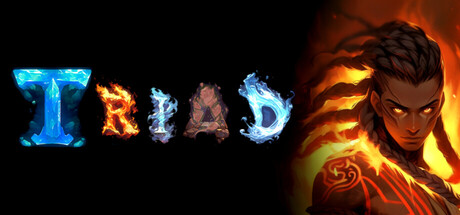
Some visual assets in Triad were created with the assistance of AI tools and further refined by the developer.
Triad is a solo-developed project, and these tools helped make its creation possible.
— Raph, developer of Triad
Generative AI was used for some of the music in game. All in game art was hand drawn and vectorized by the creator. Main Theme music created by Grace Streeter. Trailer voiceover by Grace Streeter.
Some store page artwork, marketing text, and game code were created with the assistance of AI tools (including this text), with direction, editing, and curation by the developer. All game design and creative decisions are human-made.
This game uses generative AI tools during development to create some visual assets, including store capsule artwork, and to assist with localization. All AI-generated content has been reviewed, edited, and refined to ensure consistency and quality.
AI Disclosure
This game uses pre-generated AI assets for specific visual elements:
The beach background featured in branding and the title screen.
Selected environmental details and decorative art within the game world (such as shop window graphics).
AI tools were also used as efficiency aids during the development process (coding and reviews).
I use generative AI tools as a solo developer to enhance the game's scope and immersion. Specifically:
Narrative: I use AI to help brainstorm and draft initial versions of the large volume of news articles, newsletters, and in-game messages. This ensures a diverse and reactive 'living market' feel. All AI-assisted text is manually reviewed and edited by me.
Visual Assets: Some 2D background elements, icons, and character portraits are generated with the help of AI tools to achieve a consistent 1980s aesthetic.
My goal is to use these technologies to deliver a deeper, more systemic simulation than would otherwise be possible for a one-person studio.
The only AI that was used for this game was placeholders and for research into the Norwegian culture. Everything else was designed and produced by humans.
Generative AI is used only to create cartoon-style illustrated artwork for promotional materials and the game's store page. All other assets, including in-game art, models, design elements, and content, were created directly by the developers.
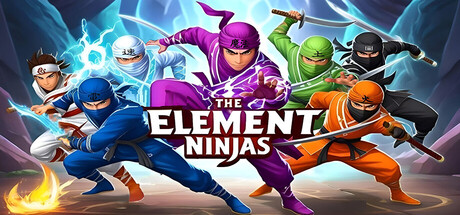
This game was built with the assistance of AI tools. Visual assets including character models, ability icons, and promotional art were generated using AI image generation. Game code, systems design, and implementation were developed with AI coding assistance. All gameplay mechanics, class balance, and game design decisions were directed by the developer.
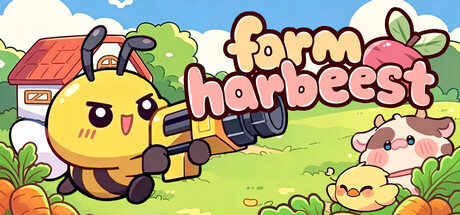
During the development of "Farm Harbeest", we used generative AI to help improve production efficiency, including assistance with some art references, music and sound effect inspiration, and code logic references. All related content was manually reviewed, selected, reworked, edited, tested, and integrated. The final game content is reviewed and controlled by the developers. We confirm that the AI-assisted content does not include any unauthorized copyrighted material.
All character and environmental art began as hand-drawn sketches, which were then refined using generative AI before final pixel-perfect editing in Aseprite and Photoshop. The soundtrack originated as original piano compositions, enhanced through Udio for texture, and professionally mixed in Avid Pro Tools. Our intro sequences were hand-drawn and brought to life through Seedance 2.0 animation technology.
We utilized generative AI tools (such as Midjourney and Stable Diffusion) during the development phase to assist in creating 2D concept art, UI elements, and background textures for the game. We carefully reviewed, edited, and upscaled all generated assets manually to ensure they do not infringe on any existing intellectual property or copyrights. No content is generated in real-time during gameplay.
The Steam store page banners and promotional materials were created with the help of generative AI tools. The in-game assets were either manually created or edited afterward, while certain marketing visuals (such as headers, capsules, and banners) contain AI-generated elements.
During our development, we have used AI tools to assist us in Content creation for the game. As a small team that is still learning and growing, we leverage AI to help us in generating content. But the final product has been shaped by the team's collective hardwork, dedication and creativity.
This game was developed by a solo beginner from the ground up. AI tools were used during development to assist with coding, learn new software, generating some audio, and create in-game product and console artwork. All game design, systems, and creative direction are my own work.
The visual assets in this game, including character sprites, UI elements, and environmental items, were created with the assistance of Generative AI tools. All AI-generated content has been manually curated, edited, and modified by the developer—including manual rigging and frame-by-frame animation—to ensure a cohesive art style and high-quality gameplay experience.
This game uses a local AI language model to generate the NPC's dialogue in real-time during gameplay. All AI processing runs entirely on your device using bundled software, no internet connection is required and no data is ever sent to external servers or third parties.
How does this game use generative AI?
-Musical Content: The soundtrack was generated using AI tools (Suno), then curated and produced to match the game's atmosphere and biomes.
-Visual Content and Assets: AI tools were used as a base for some illustrations and visual elements. All of these assets have been manually reviewed, edited, and refined by the developer to ensure final quality and consistency with the project's art style.
Some visual assets in this game have been created with the assistance of AI tools, then refined and integrated to fit the artistic direction of the project.
All music featured in the game is original and performed by a real pianist, composed specifically to enhance the emotional experience.
AI tools were used to assist in creating certain promotional/store assets such as capsule images and marketing artwork.
No AI-generated content is included in gameplay, game assets, or user interactions.
This game was developed with the assistance of generative AI tools for portions of code, store text, and some marketing/supporting visual assets. The game does not generate AI content during gameplay.
1. In-game artwork
Some visual assets (e.g., character/decor sprites, UI icons) are generated with Google Gemini and OpenAI ChatGPT
(image generation) and further edited, retouched, and composed by the developer in the final art pipeline.
2. Store page and marketing graphical assets
Capsule art, library hero, library capsule, and promotional images are generated with Google Gemini and OpenAI
ChatGPT, and further edited, retouched, and composed by the developer before upload.
3. In-game localization
Text translations are AI-assisted using Anthropic Claude, with developer review for tone and accuracy.
Runtime behavior:
- No generative AI models are bundled with or called from the shipped game binary.
- All AI-generated content is pre-rendered and baked into final assets at build time.
- No user inputs are sent to any AI service during gameplay.
Some graphical assets, musical assets, localization, and portions of code were partially created with the assistance of generative AI programs and large language models (LLMs).
Some visual assets in Triad were created with the assistance of AI tools and further refined by the developer.
Triad is a solo-developed project, and these tools helped make its creation possible.
— Raph, developer of Triad
Generative AI was used for some of the music in game. All in game art was hand drawn and vectorized by the creator. Main Theme music created by Grace Streeter. Trailer voiceover by Grace Streeter.
Some store page artwork, marketing text, and game code were created with the assistance of AI tools (including this text), with direction, editing, and curation by the developer. All game design and creative decisions are human-made.
This game uses generative AI tools during development to create some visual assets, including store capsule artwork, and to assist with localization. All AI-generated content has been reviewed, edited, and refined to ensure consistency and quality.
AI Disclosure
This game uses pre-generated AI assets for specific visual elements:
The beach background featured in branding and the title screen.
Selected environmental details and decorative art within the game world (such as shop window graphics).
AI tools were also used as efficiency aids during the development process (coding and reviews).
I use generative AI tools as a solo developer to enhance the game's scope and immersion. Specifically:
Narrative: I use AI to help brainstorm and draft initial versions of the large volume of news articles, newsletters, and in-game messages. This ensures a diverse and reactive 'living market' feel. All AI-assisted text is manually reviewed and edited by me.
Visual Assets: Some 2D background elements, icons, and character portraits are generated with the help of AI tools to achieve a consistent 1980s aesthetic.
My goal is to use these technologies to deliver a deeper, more systemic simulation than would otherwise be possible for a one-person studio.
The only AI that was used for this game was placeholders and for research into the Norwegian culture. Everything else was designed and produced by humans.
Generative AI is used only to create cartoon-style illustrated artwork for promotional materials and the game's store page. All other assets, including in-game art, models, design elements, and content, were created directly by the developers.
This game was built with the assistance of AI tools. Visual assets including character models, ability icons, and promotional art were generated using AI image generation. Game code, systems design, and implementation were developed with AI coding assistance. All gameplay mechanics, class balance, and game design decisions were directed by the developer.
During the development of "Farm Harbeest", we used generative AI to help improve production efficiency, including assistance with some art references, music and sound effect inspiration, and code logic references. All related content was manually reviewed, selected, reworked, edited, tested, and integrated. The final game content is reviewed and controlled by the developers. We confirm that the AI-assisted content does not include any unauthorized copyrighted material.
All character and environmental art began as hand-drawn sketches, which were then refined using generative AI before final pixel-perfect editing in Aseprite and Photoshop. The soundtrack originated as original piano compositions, enhanced through Udio for texture, and professionally mixed in Avid Pro Tools. Our intro sequences were hand-drawn and brought to life through Seedance 2.0 animation technology.
We utilized generative AI tools (such as Midjourney and Stable Diffusion) during the development phase to assist in creating 2D concept art, UI elements, and background textures for the game. We carefully reviewed, edited, and upscaled all generated assets manually to ensure they do not infringe on any existing intellectual property or copyrights. No content is generated in real-time during gameplay.
The Steam store page banners and promotional materials were created with the help of generative AI tools. The in-game assets were either manually created or edited afterward, while certain marketing visuals (such as headers, capsules, and banners) contain AI-generated elements.
During our development, we have used AI tools to assist us in Content creation for the game. As a small team that is still learning and growing, we leverage AI to help us in generating content. But the final product has been shaped by the team's collective hardwork, dedication and creativity.
This game was developed by a solo beginner from the ground up. AI tools were used during development to assist with coding, learn new software, generating some audio, and create in-game product and console artwork. All game design, systems, and creative direction are my own work.
The visual assets in this game, including character sprites, UI elements, and environmental items, were created with the assistance of Generative AI tools. All AI-generated content has been manually curated, edited, and modified by the developer—including manual rigging and frame-by-frame animation—to ensure a cohesive art style and high-quality gameplay experience.
This game uses a local AI language model to generate the NPC's dialogue in real-time during gameplay. All AI processing runs entirely on your device using bundled software, no internet connection is required and no data is ever sent to external servers or third parties.
How does this game use generative AI?
-Musical Content: The soundtrack was generated using AI tools (Suno), then curated and produced to match the game's atmosphere and biomes.
-Visual Content and Assets: AI tools were used as a base for some illustrations and visual elements. All of these assets have been manually reviewed, edited, and refined by the developer to ensure final quality and consistency with the project's art style.