Public Steam disclosure research25,376 disclosures tracked
Where do games disclose AI use?
Search developers’ Steam disclosures, compare classified AI use across
games, and follow recorded changes.
This index adds cross-game classifications and statistics to
statements published on individual store pages.
Groups reflect automatic analysis of public disclosures; mature records are excluded. These counts do not measure AI use across all of Steam.
Missing or unclear statements cannot establish whether a game uses AI.
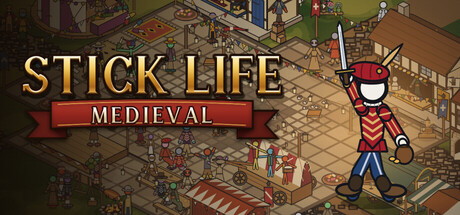
Stick Life: Medieval is designed and directed by a solo developer. Some of the game's code, its in-game writing, the artwork the game draws and parts of this store page were made with the help of generative AI tools, and some of its music was made with Suno, an AI music tool. All of it was played, reviewed and edited by the developer. Nothing is generated by AI while you play.
Generative AI tools were used during development to create some of the game’s 2D artwork, 3D assets, and music, as well as Steam store artwork. These are pre-generated assets. The game does not generate AI content or connect to external AI services during gameplay.
Some 2D artwork in the game, such as backgrounds, decoration items and illustrations, was made with the help of generative AI image tools and then edited and adjusted by the developer. Some in-game text translations were also produced with AI assistance. All sound and music are created by the game’s own code. No content is generated by AI while you play.
The music was created with Suno and the logo lettering with an AI image tool (DeeVid); both were edited and are fixed assets in the game. The tutorial voice is text-to-speech. Nothing is generated while the game runs.
Boop Bay was made by its developer with the help of an AI assistant (Anthropic's Claude). The art (the vector drawings of the places and animals) was drawn by the AI as code and SVG under the developer's direction; no image-generation models were used. The on-screen text in languages other than English was translated with AI. Store page text was drafted with AI and edited by the developer. The animal and instrument sounds are public-domain (CC0) recordings made by people; the other sounds are synthesized by the game.
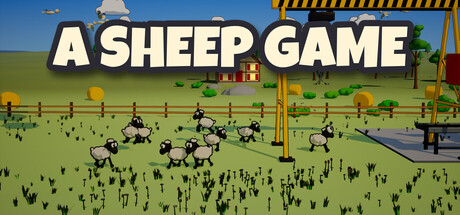
Pre-generated content: Parts of the game were made with generative AI tools and then selected, edited and integrated by the developer: the soundtrack (made with Suno), interface icons and stickers, the painted world illustrations on the level cards and act screens, sound effects and the spoken sheep lines. Some in-game and store texts, including the English translation, were drafted with an AI assistant and edited by the developer. All 3D models, animations and levels are made by the developer's own tools. The game does not generate content with AI while it runs.
The background music tracks were created with the help of generative AI, and the translated in-game text for some languages was produced with AI assistance. The game does not use AI while you play.
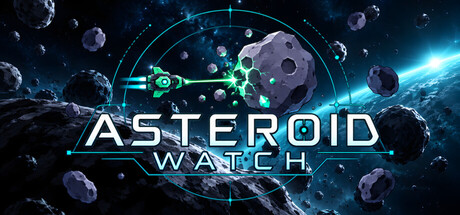
Generative AI tools were used to assist with the creation and refinement of selected visual assets and promotional materials for Asteroid Watch. All AI-assisted content is reviewed, edited, and integrated by the developer to ensure consistency with the game's visual style and overall design.
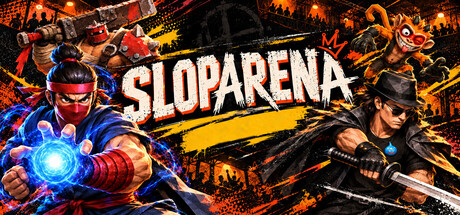
SlopArena is a non-profit open source game created by a solo developer. AI was used extensively during development for various tasks such as research, brainstorming, planning, coding, analysing. Some assets were bought, some were generated to reduce costs. Generated assets are seen as placeholder, especially character models.
Currently, AI‑assisted Photoshop image editing is only used for the Steam store‑page assets. No AI is utilized within the game itself. All image and audio assets are either sourced from free open‑source resources or purchased commercially.
All card artwork, graphics and game design were created by the developer. AI tools were used to translate the in-game text and the store page into Spanish, French, German, Portuguese (Brazil). The trailer, GIFs and store capsules were edited with AI assistance, using only the developer's own artwork and real gameplay footage. The game does not generate any content with AI while it is running. Singleplayer opponents are traditional rule-based bots, not generative AI.
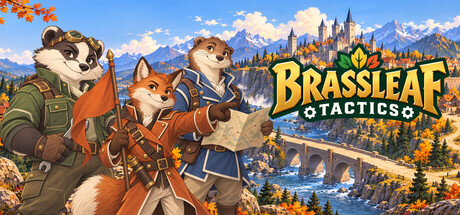
I use generative AI throughout the development of Brassleaf Tactics, including programming, game design, artwork and store-page content. The game includes AI-generated artwork. I set the creative direction, decide what goes into the game, and make the final design decisions, shaping the experience through playtesting, balancing and ongoing refinement.
Generative AI is used during development only; no AI-generated content is created while you play.
Generative AI was used to assist with localization of in-game text from English to Spanish, French, German, Japanese, Korean, Simplified Chinese, Portuguese, and Russian.
Generative AI tools were used during development to create selected visual and audio assets. All AI-generated content was reviewed, edited, and integrated by the development team.
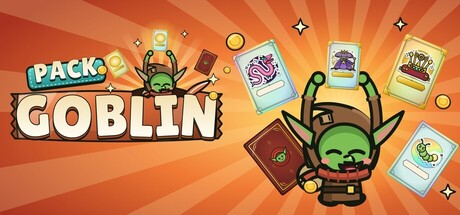
I used AI tools to turn my sketches into clean vector (SVG) art: the goblin, the cards, the decorations, the logo and the store images.
The text of this store page was written with AI help, from my own notes and my own story, and edited by me.
The game does not create any AI content while you play: everything you see was made before release.
Some of this game's assets, including artwork and sound effects, were created with the assistance of generative AI. These assets were selected and integrated by the developer for use in the game and on its Steam store page.
Parts of the game's code, interface art, store artwork and store text were created with the help of AI tools and then reviewed and edited by the developer. Nothing is generated by AI while you play.
Generative AI was used to create some of the game's content. The illustrations and the characters (character designs and artwork and models) were created with the help of generative AI tools, then selected, edited and integrated by the developer. Some English localization text (UI and character descriptions) and the store page description were also drafted with an AI assistant and reviewed and edited by the developer. The game does not generate any content with AI while it is running.
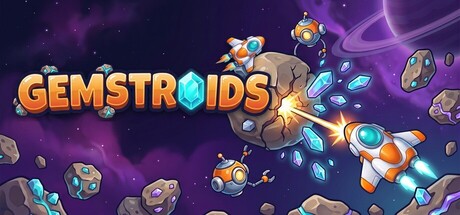
Gemstroids is a solo project, designed and directed by the developer. Art, music, sound effects, the in-game and store page texts and all translations were made with AI tools, then selected, edited and brought into one style by the developer.
Full disclaimer - Some code, artworks have been AI generated, through a custom model trained on images that were built specifically for the game with the kind assistance of a graphic designer friend of mine. I'm a solo dev with limited budget and I'm doing this out of passion - I just wouldn't have been able to build it without these tools
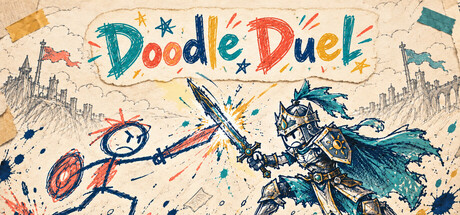
Some promotional materials for Doodle Duel, including animation and music created or assisted by generative AI tools based on game images, were made with generative AI. The game itself does not generate content at runtime and does not connect to external AI services.
AI was used in this game was to compose the images and create the animation. Bird characters are hand drawn. Music and SFX are human engineered.
There is no dynamic use of AI to generate live content.
Character art, UI graphics and icons were created with generative AI image tools, then selected and edited by the developer. Some in-game text, translations and store page text were drafted with AI assistance and reviewed by the developer. Nothing is generated by AI while you play.
Made with AI tools and reviewed and edited by the developer: the character portraits of pilots and controllers, the app icon and the medal artwork (image generation); some 3D props (image-to-3D, then edited); the radio voices, which are original designed voices (not imitating real people) synthesised with text-to-speech. The voices speak only the game's own radio phrases; players cannot make them say other text.
Generative AI was used for a large portion of the game's visual assets, including character artwork, backgrounds, icons, and some promotional materials.
These assets were not used directly without review. Most of them went through repeated generation, selection, editing, and adjustment to keep the characters and overall art style consistent. A significant amount of time was also spent integrating the assets into the game and correcting issues where necessary.
The game design, gameplay systems, balancing, level design, UI design, programming, and overall direction were done by me.
The game does not generate AI content during gameplay.
Some of this game's code, art and music were made with the help of an AI assistant. Everything was reviewed, edited and assembled by hand, and no content is generated while you play.
Generative AI tools were used during development to assist with selected pre-generated text and localization included in the game, its Steam store page and marketing materials. No generative AI content is created during gameplay.
Game source code, videos, images, and music in some parts of the game are initially generated using generative AI and then manually edited and refined.
Some 3D models and character animations were generated with Meshy and then edited by our team in Blender. Some 2D artwork (backdrops, posters, signage art) was generated with Stable Diffusion XL and finished by hand. Some sound effects, ambience and the trailer music were generated with ElevenLabs. The Boss and announcer voice lines use text-to-speech. The game's translations were produced with AI and are being reviewed. No AI content is generated while you play.
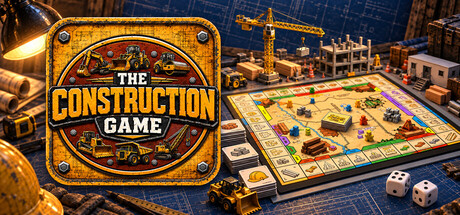
Generative AI tools assisted with programming and development of The Construction Game and were used to create some promotional images. The game does not use generative AI to create content during gameplay.
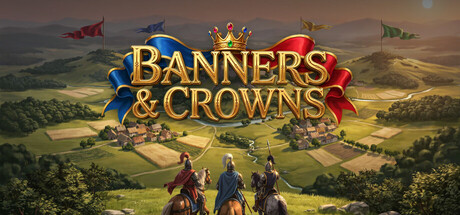
The key art, story illustrations, kingdom portraits, music, opening film, menu video and its narration were produced with generative AI tools (Ideogram, Lyria, Seedance, Kling and ElevenLabs, through Artlist) and then selected, edited and assembled by the developer. The 3D map, units and buildings are procedural low-poly models built in code, and the sound effects are synthesised in the game. The game was written with the help of an AI coding assistant. No content is generated while the game is running; everything is pre-generated and shipped in the build. No real people's likenesses or voices are used.
Stick Life: Medieval is designed and directed by a solo developer. Some of the game's code, its in-game writing, the artwork the game draws and parts of this store page were made with the help of generative AI tools, and some of its music was made with Suno, an AI music tool. All of it was played, reviewed and edited by the developer. Nothing is generated by AI while you play.
Generative AI tools were used during development to create some of the game’s 2D artwork, 3D assets, and music, as well as Steam store artwork. These are pre-generated assets. The game does not generate AI content or connect to external AI services during gameplay.
Some 2D artwork in the game, such as backgrounds, decoration items and illustrations, was made with the help of generative AI image tools and then edited and adjusted by the developer. Some in-game text translations were also produced with AI assistance. All sound and music are created by the game’s own code. No content is generated by AI while you play.
The music was created with Suno and the logo lettering with an AI image tool (DeeVid); both were edited and are fixed assets in the game. The tutorial voice is text-to-speech. Nothing is generated while the game runs.
Boop Bay was made by its developer with the help of an AI assistant (Anthropic's Claude). The art (the vector drawings of the places and animals) was drawn by the AI as code and SVG under the developer's direction; no image-generation models were used. The on-screen text in languages other than English was translated with AI. Store page text was drafted with AI and edited by the developer. The animal and instrument sounds are public-domain (CC0) recordings made by people; the other sounds are synthesized by the game.
Pre-generated content: Parts of the game were made with generative AI tools and then selected, edited and integrated by the developer: the soundtrack (made with Suno), interface icons and stickers, the painted world illustrations on the level cards and act screens, sound effects and the spoken sheep lines. Some in-game and store texts, including the English translation, were drafted with an AI assistant and edited by the developer. All 3D models, animations and levels are made by the developer's own tools. The game does not generate content with AI while it runs.
The background music tracks were created with the help of generative AI, and the translated in-game text for some languages was produced with AI assistance. The game does not use AI while you play.
Generative AI tools were used to assist with the creation and refinement of selected visual assets and promotional materials for Asteroid Watch. All AI-assisted content is reviewed, edited, and integrated by the developer to ensure consistency with the game's visual style and overall design.
SlopArena is a non-profit open source game created by a solo developer. AI was used extensively during development for various tasks such as research, brainstorming, planning, coding, analysing. Some assets were bought, some were generated to reduce costs. Generated assets are seen as placeholder, especially character models.
Currently, AI‑assisted Photoshop image editing is only used for the Steam store‑page assets. No AI is utilized within the game itself. All image and audio assets are either sourced from free open‑source resources or purchased commercially.
All card artwork, graphics and game design were created by the developer. AI tools were used to translate the in-game text and the store page into Spanish, French, German, Portuguese (Brazil). The trailer, GIFs and store capsules were edited with AI assistance, using only the developer's own artwork and real gameplay footage. The game does not generate any content with AI while it is running. Singleplayer opponents are traditional rule-based bots, not generative AI.
I use generative AI throughout the development of Brassleaf Tactics, including programming, game design, artwork and store-page content. The game includes AI-generated artwork. I set the creative direction, decide what goes into the game, and make the final design decisions, shaping the experience through playtesting, balancing and ongoing refinement.
Generative AI is used during development only; no AI-generated content is created while you play.
Generative AI was used to assist with localization of in-game text from English to Spanish, French, German, Japanese, Korean, Simplified Chinese, Portuguese, and Russian.
Generative AI tools were used during development to create selected visual and audio assets. All AI-generated content was reviewed, edited, and integrated by the development team.
I used AI tools to turn my sketches into clean vector (SVG) art: the goblin, the cards, the decorations, the logo and the store images.
The text of this store page was written with AI help, from my own notes and my own story, and edited by me.
The game does not create any AI content while you play: everything you see was made before release.
Some of this game's assets, including artwork and sound effects, were created with the assistance of generative AI. These assets were selected and integrated by the developer for use in the game and on its Steam store page.
Parts of the game's code, interface art, store artwork and store text were created with the help of AI tools and then reviewed and edited by the developer. Nothing is generated by AI while you play.
Generative AI was used to create some of the game's content. The illustrations and the characters (character designs and artwork and models) were created with the help of generative AI tools, then selected, edited and integrated by the developer. Some English localization text (UI and character descriptions) and the store page description were also drafted with an AI assistant and reviewed and edited by the developer. The game does not generate any content with AI while it is running.
Gemstroids is a solo project, designed and directed by the developer. Art, music, sound effects, the in-game and store page texts and all translations were made with AI tools, then selected, edited and brought into one style by the developer.
Full disclaimer - Some code, artworks have been AI generated, through a custom model trained on images that were built specifically for the game with the kind assistance of a graphic designer friend of mine. I'm a solo dev with limited budget and I'm doing this out of passion - I just wouldn't have been able to build it without these tools
Some promotional materials for Doodle Duel, including animation and music created or assisted by generative AI tools based on game images, were made with generative AI. The game itself does not generate content at runtime and does not connect to external AI services.
AI was used in this game was to compose the images and create the animation. Bird characters are hand drawn. Music and SFX are human engineered.
There is no dynamic use of AI to generate live content.
Character art, UI graphics and icons were created with generative AI image tools, then selected and edited by the developer. Some in-game text, translations and store page text were drafted with AI assistance and reviewed by the developer. Nothing is generated by AI while you play.
Made with AI tools and reviewed and edited by the developer: the character portraits of pilots and controllers, the app icon and the medal artwork (image generation); some 3D props (image-to-3D, then edited); the radio voices, which are original designed voices (not imitating real people) synthesised with text-to-speech. The voices speak only the game's own radio phrases; players cannot make them say other text.
Generative AI was used for a large portion of the game's visual assets, including character artwork, backgrounds, icons, and some promotional materials.
These assets were not used directly without review. Most of them went through repeated generation, selection, editing, and adjustment to keep the characters and overall art style consistent. A significant amount of time was also spent integrating the assets into the game and correcting issues where necessary.
The game design, gameplay systems, balancing, level design, UI design, programming, and overall direction were done by me.
The game does not generate AI content during gameplay.
Some of this game's code, art and music were made with the help of an AI assistant. Everything was reviewed, edited and assembled by hand, and no content is generated while you play.
Generative AI tools were used during development to assist with selected pre-generated text and localization included in the game, its Steam store page and marketing materials. No generative AI content is created during gameplay.
Game source code, videos, images, and music in some parts of the game are initially generated using generative AI and then manually edited and refined.
Some 3D models and character animations were generated with Meshy and then edited by our team in Blender. Some 2D artwork (backdrops, posters, signage art) was generated with Stable Diffusion XL and finished by hand. Some sound effects, ambience and the trailer music were generated with ElevenLabs. The Boss and announcer voice lines use text-to-speech. The game's translations were produced with AI and are being reviewed. No AI content is generated while you play.
Generative AI tools assisted with programming and development of The Construction Game and were used to create some promotional images. The game does not use generative AI to create content during gameplay.
The key art, story illustrations, kingdom portraits, music, opening film, menu video and its narration were produced with generative AI tools (Ideogram, Lyria, Seedance, Kling and ElevenLabs, through Artlist) and then selected, edited and assembled by the developer. The 3D map, units and buildings are procedural low-poly models built in code, and the sound effects are synthesised in the game. The game was written with the help of an AI coding assistant. No content is generated while the game is running; everything is pre-generated and shipped in the build. No real people's likenesses or voices are used.