Public Steam disclosure research25,383 disclosures tracked
Where do games disclose AI use?
Search developers’ Steam disclosures, compare classified AI use across
games, and follow recorded changes.
This index adds cross-game classifications and statistics to
statements published on individual store pages.
Groups reflect automatic analysis of public disclosures; mature records are excluded. These counts do not measure AI use across all of Steam.
Missing or unclear statements cannot establish whether a game uses AI.
We use claude/codex to help us translate our story to other languages. Members of the development team speak these languages:
- English
- Romanian
Outside of these languages, all story is translated with the help of AI. The narrative itself is being written by one of the developers and without the help of AI
This game has AI generated images (including the community items) and other AI made components. If you are sensitive about AI generated content please do not purchase this game.
Some of the promotional and storefront images were created with AI tools and then refined by hand. All of the in-game assets were designed by a 3D artist. Some of the audio files are AI generated.
Generative AI (a large language model) was used to assist in drafting text content — store page descriptions, in-game text, and marketing copy — and to assist with code. All output was reviewed and edited by the developer. Game art is from licensed/CC0 asset packs and procedural rendering; audio is procedurally synthesized. No AI-generated imagery or audio ships in the game, and no AI is generated live at runtime.
Everything is AI generated... I built my own Agentic AI harness, and then used it to build this game (as well as generating images, soundtrack, and 1000s of lines of text content etc)... I'm not a developer, I'm a Functional/UX/Graphic Designer that finally found a tool that could help me build my dream games... I wouldn't consider the game "vibe coded", it has been months of obsessive iterations to ensure the functionality and user experience is of the highest level, which was 100% designed and directed by me, using Agentic AI to build to order. It's far from a "one-shot" prompt hope and prayer... and I think you'll be surprised when you see it.
Portions of the game's visual assets were created with the assistance of generative AI and subsequently reviewed, edited, and integrated by the developer. All gameplay systems, game design, programming, balancing, and final implementation were developed by the developer.
EVE Vanguard uses AI-generated text-to-speech (TTS) for certain voice-over content, including character barks and narration. These assets are created under the direction of the development team to support the game's production and player experience. All writing, gameplay, worldbuilding, and overall creative vision are authored and curated by the game’s developers.
We use AI to translate the store steam page to different languages. This will be changed on release and we will hire professional translators for this purpose.
Some promotional artwork and achievement icons were created using generative AI and then manually edited by the developer. No gameplay content is generated by AI.
This game uses generative AI tools for some pre-recorded NPC voice-over audio. Other voice-over audio was recorded in-house by human performers. All voice lines are fixed, reviewed by the developer, and included in the game build. The game does not use AI to generate content during gameplay. All other game content, including gameplay systems, environments, UI, writing, and store assets, is original and created by the development team.
Generative AI may be used for certain promotional materials and future story-related visual content. All AI-assisted content is reviewed and edited by the developer before being included in the game or store page.
During development, some of the game's art assets (including icons, UI elements, scene backgrounds, and character visuals) were created with the help of AI image-generation tools, then curated, adjusted, and integrated by hand. The game does not generate any AI content in real time during play.
Arcadia Unbound does not use AI-generated artwork, music, sound effects, voice acting, story content, quests, localization, or character dialogue.
Arcadia Unbound uses a locally running language model as part of the AURA Framework to interpret player speech during specific conversation sequences. The model analyzes player intent and conversational context, and then selects from developer-authored dialogue responses and narrative outcomes.
All artwork, music, voice acting, story content, character dialogue, and gameplay content presented to players are created and curated by the development team and performed by professional voice actors where applicable. No AI system generates any type of dialogue, story events, artwork, audio, or player-facing content.
Keep Drawing was developed by HuDoes Interactive with AI-assisted tools used as part of our workflow — not as a fully automated production pipeline.
Some in-game visuals and UI elements were created or refined with generative AI during development. All such assets were reviewed, edited, and integrated by the developer before release. Store and marketing graphics (including Steam capsule artwork) were also created with AI assistance and then manually adjusted for quality and consistency.
AI-assisted coding tools were used to help write and refactor parts of the game's source code. The design, game systems, balance, and final implementation remain developer-directed.
This game used generative AI tools as an aid in creating some of its visual assets, such as background illustrations and character/environment pixel art. All AI-generated output was reviewed, refined, and edited by the developer before being included in the game. No content is generated by AI in real time during gameplay.
Some visual assets and artwork used during the development of Shrunk Wilds were created with the assistance of AI image generation tools. All generated assets are manually reviewed, modified, and curated by the developer before being implemented into the game. Players do not interact with AI systems during gameplay, and the game does not generate content in real time.
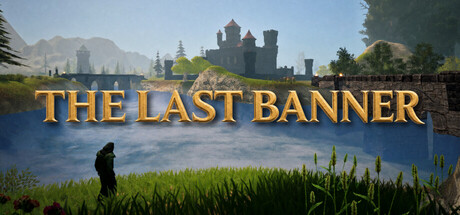
Built by a two-person studio, The Last Banner deploys AI tools as supplements only. All art and code are curated, hand crafted and built by us. We strive to create the best game possible with the best tools of the modern day.
Generative AI was used to assist in the creation of certain UI icons and interface artwork. All generated content was reviewed, modified, and integrated by the developer before being used in the game.
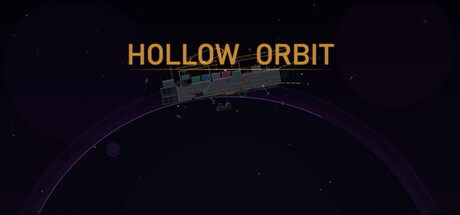
Parts of Hollow Orbit were made with help from generative AI tools — assisting with the game's code, some in-engine visuals and audio, and store/marketing assets like the logo and trailer graphics. All output was reviewed and finalized by the developer, and no content is generated by AI during gameplay.
The developer used generative AI tools during development to help create some of the game's code, sound effects, and music. All AI-assisted content was reviewed and curated by the developer.
While developing this game I used AI Tools to assist in many aspects of the game creation process. I used MidJourney to create background images, Mureka to create the sound track, and Ludo to generate sprites.
All game design, logic, formulas, gameplay modes, powers, balancing, etc. I handled myself over months of development time.
This product uses generative AI for live text-based character dialogue, optional code or technical text generation, and AI-assisted pre-generated visual assets.
Players can interact with an AI desktop character through text chat. AI responses may be generated based on the character profile, the current conversation, limited memory, and optional screen-context summaries. When requested by the user, the AI may also generate programming explanations, code snippets, configuration examples, or technical suggestions.
AI conversation features require an internet connection. In the Steam version, players do not need to create, configure, or manage any third-party AI service accounts or API keys. Access to AI features is managed by the developer’s backend service and uses in-app AI Credits purchased through Steam Wallet.
The artwork used as the basis for the built-in character was created with assistance from ChatGPT and was subsequently manually edited, separated, and rigged by the developer as a Live2D model. Some promotional images, Steam library assets, background art, and key art were also created or refined with the assistance of generative AI tools during development.
The product does not generate images, audio, music, voice, textures, 3D models, or video at runtime. Generated code is not automatically executed, compiled, installed, or applied by the application. Any use of generated code is controlled by the user outside the application.
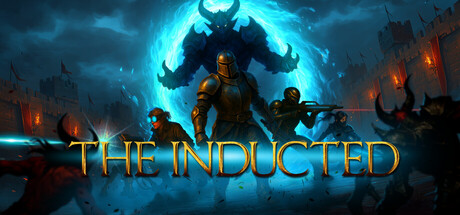
The Inducted uses generative AI tools in a limited capacity. Some user interface icons and elements in-game were created with the assistance of generative AI. Additionally, the store capsule artwork was composed by a professional artist who incorporated some AI-generated elements among hand-crafted components. All gameplay, characters, environments, and audio are created without generative AI.
AI DISCLOSURE
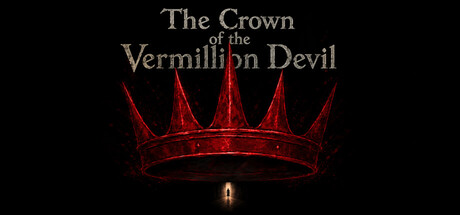
Crown of the Vermillion Devil uses AI-generated imagery for its location artwork. All writing, game design, systems, music, and narrative content are original human-authored work. We are a small independent project and have been transparent about this from the start. If that affects your purchasing decision, we respect it.
This game uses generative AI tools during development to create or assist with some pre-generated content. This includes code assistance, visual asset creation, and music creation.
Generative AI tools are used to assist with programming during development, to create or assist with character artwork, background artwork, store page graphics, Steam community assets, and marketing materials, and to create or assist with background music.
AI-assisted assets and code are reviewed, edited, and integrated by the developer before release. The game does not use generative AI to generate real-time content during gameplay, and players do not directly interact with a generative AI system.
The “combat AI” described in the game is a gameplay system that controls enemy behavior and tactical decision-making. It is not generative AI.
Ashen Crown was built almost entirely with the help of generative AI. The game's code was written through conversation with an AI assistant (Claude), with me directing, correcting, testing, and deciding what the game should be. All in-game visuals are drawn in code rather than created by an artist, and the sound and music were generated with AI as well. No third-party art, audio, or text assets were used. AI was a tool throughout development; the design, direction, and final decisions are mine.
All core assets originate from the creativity of our human artists. The use of AI tools is strictly limited to assisting and refining the environmental background designs.
As a small independent development team, we used generative AI as a supporting production tool during development.
All creative direction, game design, asset selection, editing, integration, and final approval were handled by the development team. AI-generated material was reviewed and modified by the developers before being included in the game.
The game does not generate AI content during gameplay.
Cogfall was developed solo by Nodding Panda Studios. To bring the steampunk Clockwork Kingdom to life, AI tools were used to generate artwork and music under the creative direction of the developer. Every image and track was intentionally prompted, selected, and refined to fit the game's vision — AI served as a creative tool, not a replacement for creative decisions. All gameplay systems, code, game design, writing, and balancing were created entirely by the developer.
We currently use AI for some of the audio dialogue as well as some of the placeholder 2D art assets. Our goal is to get art made for these where possible and we already have a voice actor and musician on board who is working on our audio.
We have carefully crafted a complete set of NPC dialogue without the use of AI. At the same time, we are experimenting with an additional feature powered by AI large language models, allowing players to freely converse with their favorite NPCs. This is an exploratory feature that exists entirely separately from the traditional game content.
These experimental elements are intended to offer players a new additional experience and will not affect the complete single-player experience. Whether this feature will be included in the final release has not yet been decided. Even if it is ultimately implemented, it will be optional rather than required.
AI tools were used to generate store/marketing illustrations (capsule, hero, banners, trailer). All in-game graphics are procedurally generated in real time and do not use AI
We use claude/codex to help us translate our story to other languages. Members of the development team speak these languages:
- English
- Romanian
Outside of these languages, all story is translated with the help of AI. The narrative itself is being written by one of the developers and without the help of AI
This game has AI generated images (including the community items) and other AI made components. If you are sensitive about AI generated content please do not purchase this game.
Some of the promotional and storefront images were created with AI tools and then refined by hand. All of the in-game assets were designed by a 3D artist. Some of the audio files are AI generated.
Generative AI (a large language model) was used to assist in drafting text content — store page descriptions, in-game text, and marketing copy — and to assist with code. All output was reviewed and edited by the developer. Game art is from licensed/CC0 asset packs and procedural rendering; audio is procedurally synthesized. No AI-generated imagery or audio ships in the game, and no AI is generated live at runtime.
Everything is AI generated... I built my own Agentic AI harness, and then used it to build this game (as well as generating images, soundtrack, and 1000s of lines of text content etc)... I'm not a developer, I'm a Functional/UX/Graphic Designer that finally found a tool that could help me build my dream games... I wouldn't consider the game "vibe coded", it has been months of obsessive iterations to ensure the functionality and user experience is of the highest level, which was 100% designed and directed by me, using Agentic AI to build to order. It's far from a "one-shot" prompt hope and prayer... and I think you'll be surprised when you see it.
Portions of the game's visual assets were created with the assistance of generative AI and subsequently reviewed, edited, and integrated by the developer. All gameplay systems, game design, programming, balancing, and final implementation were developed by the developer.
EVE Vanguard uses AI-generated text-to-speech (TTS) for certain voice-over content, including character barks and narration. These assets are created under the direction of the development team to support the game's production and player experience. All writing, gameplay, worldbuilding, and overall creative vision are authored and curated by the game’s developers.
We use AI to translate the store steam page to different languages. This will be changed on release and we will hire professional translators for this purpose.
Some promotional artwork and achievement icons were created using generative AI and then manually edited by the developer. No gameplay content is generated by AI.
This game uses generative AI tools for some pre-recorded NPC voice-over audio. Other voice-over audio was recorded in-house by human performers. All voice lines are fixed, reviewed by the developer, and included in the game build. The game does not use AI to generate content during gameplay. All other game content, including gameplay systems, environments, UI, writing, and store assets, is original and created by the development team.
Generative AI may be used for certain promotional materials and future story-related visual content. All AI-assisted content is reviewed and edited by the developer before being included in the game or store page.
During development, some of the game's art assets (including icons, UI elements, scene backgrounds, and character visuals) were created with the help of AI image-generation tools, then curated, adjusted, and integrated by hand. The game does not generate any AI content in real time during play.
Arcadia Unbound does not use AI-generated artwork, music, sound effects, voice acting, story content, quests, localization, or character dialogue.
Arcadia Unbound uses a locally running language model as part of the AURA Framework to interpret player speech during specific conversation sequences. The model analyzes player intent and conversational context, and then selects from developer-authored dialogue responses and narrative outcomes.
All artwork, music, voice acting, story content, character dialogue, and gameplay content presented to players are created and curated by the development team and performed by professional voice actors where applicable. No AI system generates any type of dialogue, story events, artwork, audio, or player-facing content.
Keep Drawing was developed by HuDoes Interactive with AI-assisted tools used as part of our workflow — not as a fully automated production pipeline.
Some in-game visuals and UI elements were created or refined with generative AI during development. All such assets were reviewed, edited, and integrated by the developer before release. Store and marketing graphics (including Steam capsule artwork) were also created with AI assistance and then manually adjusted for quality and consistency.
AI-assisted coding tools were used to help write and refactor parts of the game's source code. The design, game systems, balance, and final implementation remain developer-directed.
This game used generative AI tools as an aid in creating some of its visual assets, such as background illustrations and character/environment pixel art. All AI-generated output was reviewed, refined, and edited by the developer before being included in the game. No content is generated by AI in real time during gameplay.
Some visual assets and artwork used during the development of Shrunk Wilds were created with the assistance of AI image generation tools. All generated assets are manually reviewed, modified, and curated by the developer before being implemented into the game. Players do not interact with AI systems during gameplay, and the game does not generate content in real time.
Built by a two-person studio, The Last Banner deploys AI tools as supplements only. All art and code are curated, hand crafted and built by us. We strive to create the best game possible with the best tools of the modern day.
Generative AI was used to assist in the creation of certain UI icons and interface artwork. All generated content was reviewed, modified, and integrated by the developer before being used in the game.
Parts of Hollow Orbit were made with help from generative AI tools — assisting with the game's code, some in-engine visuals and audio, and store/marketing assets like the logo and trailer graphics. All output was reviewed and finalized by the developer, and no content is generated by AI during gameplay.
The developer used generative AI tools during development to help create some of the game's code, sound effects, and music. All AI-assisted content was reviewed and curated by the developer.
While developing this game I used AI Tools to assist in many aspects of the game creation process. I used MidJourney to create background images, Mureka to create the sound track, and Ludo to generate sprites.
All game design, logic, formulas, gameplay modes, powers, balancing, etc. I handled myself over months of development time.
This product uses generative AI for live text-based character dialogue, optional code or technical text generation, and AI-assisted pre-generated visual assets.
Players can interact with an AI desktop character through text chat. AI responses may be generated based on the character profile, the current conversation, limited memory, and optional screen-context summaries. When requested by the user, the AI may also generate programming explanations, code snippets, configuration examples, or technical suggestions.
AI conversation features require an internet connection. In the Steam version, players do not need to create, configure, or manage any third-party AI service accounts or API keys. Access to AI features is managed by the developer’s backend service and uses in-app AI Credits purchased through Steam Wallet.
The artwork used as the basis for the built-in character was created with assistance from ChatGPT and was subsequently manually edited, separated, and rigged by the developer as a Live2D model. Some promotional images, Steam library assets, background art, and key art were also created or refined with the assistance of generative AI tools during development.
The product does not generate images, audio, music, voice, textures, 3D models, or video at runtime. Generated code is not automatically executed, compiled, installed, or applied by the application. Any use of generated code is controlled by the user outside the application.
The Inducted uses generative AI tools in a limited capacity. Some user interface icons and elements in-game were created with the assistance of generative AI. Additionally, the store capsule artwork was composed by a professional artist who incorporated some AI-generated elements among hand-crafted components. All gameplay, characters, environments, and audio are created without generative AI.
AI DISCLOSURE
Crown of the Vermillion Devil uses AI-generated imagery for its location artwork. All writing, game design, systems, music, and narrative content are original human-authored work. We are a small independent project and have been transparent about this from the start. If that affects your purchasing decision, we respect it.
This game uses generative AI tools during development to create or assist with some pre-generated content. This includes code assistance, visual asset creation, and music creation.
Generative AI tools are used to assist with programming during development, to create or assist with character artwork, background artwork, store page graphics, Steam community assets, and marketing materials, and to create or assist with background music.
AI-assisted assets and code are reviewed, edited, and integrated by the developer before release. The game does not use generative AI to generate real-time content during gameplay, and players do not directly interact with a generative AI system.
The “combat AI” described in the game is a gameplay system that controls enemy behavior and tactical decision-making. It is not generative AI.
Ashen Crown was built almost entirely with the help of generative AI. The game's code was written through conversation with an AI assistant (Claude), with me directing, correcting, testing, and deciding what the game should be. All in-game visuals are drawn in code rather than created by an artist, and the sound and music were generated with AI as well. No third-party art, audio, or text assets were used. AI was a tool throughout development; the design, direction, and final decisions are mine.
All core assets originate from the creativity of our human artists. The use of AI tools is strictly limited to assisting and refining the environmental background designs.
As a small independent development team, we used generative AI as a supporting production tool during development.
All creative direction, game design, asset selection, editing, integration, and final approval were handled by the development team. AI-generated material was reviewed and modified by the developers before being included in the game.
The game does not generate AI content during gameplay.
Cogfall was developed solo by Nodding Panda Studios. To bring the steampunk Clockwork Kingdom to life, AI tools were used to generate artwork and music under the creative direction of the developer. Every image and track was intentionally prompted, selected, and refined to fit the game's vision — AI served as a creative tool, not a replacement for creative decisions. All gameplay systems, code, game design, writing, and balancing were created entirely by the developer.
We currently use AI for some of the audio dialogue as well as some of the placeholder 2D art assets. Our goal is to get art made for these where possible and we already have a voice actor and musician on board who is working on our audio.
We have carefully crafted a complete set of NPC dialogue without the use of AI. At the same time, we are experimenting with an additional feature powered by AI large language models, allowing players to freely converse with their favorite NPCs. This is an exploratory feature that exists entirely separately from the traditional game content.
These experimental elements are intended to offer players a new additional experience and will not affect the complete single-player experience. Whether this feature will be included in the final release has not yet been decided. Even if it is ultimately implemented, it will be optional rather than required.
AI tools were used to generate store/marketing illustrations (capsule, hero, banners, trailer). All in-game graphics are procedurally generated in real time and do not use AI