Public Steam disclosure research25,383 disclosures tracked
Where do games disclose AI use?
Search developers’ Steam disclosures, compare classified AI use across
games, and follow recorded changes.
This index adds cross-game classifications and statistics to
statements published on individual store pages.
Groups reflect automatic analysis of public disclosures; mature records are excluded. These counts do not measure AI use across all of Steam.
Missing or unclear statements cannot establish whether a game uses AI.
Generative AI was used for some textures and 3D models, as well as for English translation of both the game and its Steam store page.
All original content, including the story, dialogue, archive documents, game design, level design, programming, and Chinese localization, was created by the developer.
Pre-generated AI tools were used to assist in creating portions of the game's music, narration, character assets, and localization. All resulting content was reviewed and edited before being included as fixed game content. The game does not generate content with AI during gameplay or connect to an external AI service while running.
AI tools were used to draft store page text and to translate the in-game text into English, Japanese and Chinese.
AI was also used for part of the art.
All of this was reviewed and edited by the developers.
No AI-generated content is created while the game is running.
All 3D models and textures were created by humans. Some sound assets and UI graphics were created using generative AI and edited and supervised by humans.
Generative AI tools were used during development to support creation of the artwork featured on some of the collectible cards and UI. All AI-generated content was created before release, curated and integrated into the game by the developer. No content is generated by AI during gameplay.
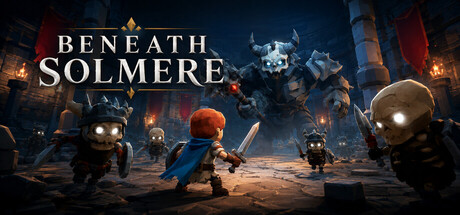
Beneath Solmere includes pre-generated content created with the assistance of generative AI tools. This includes six music tracks created with Google Gemini/Lyria, AI-assisted localization for nine non-English languages, and AI-generated artwork used in Steam Store marketing materials. No generative AI is used during gameplay.
Generative AI tools were used to create voice-over content for the game. The generated voice content was reviewed and edited by the development team before being implemented in the game.
Generative AI tools were used during development to assist with creating a limited number of 2D inventory icons and portions of written text and localization. All AI-assisted content was reviewed, edited, and integrated by the developer. The game does not generate AI content during gameplay.
Generative AI was used during development to generate suspect mugshot photos, dossier case texts, and to assist with language localization. All generated assets are static and pre-packaged into the game.
AI-assisted tools were used for all of the game visuals, audio, and code. No AI generation occurs during gameplay, and no external AI services are used while playing.
AI tools were used during development to assist with asset creation, texture generation, and development workflows. All AI-generated content was reviewed, modified, and curated by the development team.
Environments and environmental artwork are not created using generative AI.
Generative AI is used as part of the early development workflow for prototyping some creature artwork, which is going to be replaced during development.
Generative AI-assisted tools were used in the creation and development of some 3D models, audio, and visual content in the game. All such content was generated in advance during the development process and added to the game as pre-made assets. No content is generated in real time using generative AI during gameplay.
Generative AI was used to create some of the illustrations featured on collectible cards. The card layouts and designs were manually created and edited.
I'm a solo developer, and I'd rather be upfront about where AI tools were used.
The character base meshes and some of their textures were generated with AI.
Every one of them was then brought into Blender and worked over by hand. Cleaned up, edited, re-textured and animated before it went anywhere near the game.
They're all rendered with a toon shader I wrote myself.
Everything else is made by hand.
The tavern, the props and the whole environment are hand modeled.
Other than that, everything else in the game was made by me.
Generative AI tools were used during part of the development process.
Generative AI was used for some 3D models and image assets. AI-generated assets were reviewed and adjusted by the developer before being included in the game.
No content is generated by AI while the game is running.
Select visual artwork used in Comic Shop Tycoon, including some in-game comic and product artwork as well as Steam promotional artwork, was created using generative AI tools. All AI-generated content is pre-generated and fixed. The game does not generate AI content during gameplay or connect to external AI services while running.
AI tools were used to assist in creating the game logo, marketing artwork, and some 2D in-game assets such as item icons and illustrations. All AI-generated content is pre-generated (nothing is generated at runtime) and was manually reviewed and edited. All 3D models, gameplay, code, and game design are hand-crafted.
We use generative AI for text only: writing this store page and translating the game's in-game text into the supported languages. Everything else, including all art, animation and audio, is made by hand, and no content is generated while you play.
Some pre-generated visual assets used in Roulettegeddon, including portions of promotional artwork and certain in-game visual elements, were created or refined with the assistance of generative AI. The game's gameplay, mechanics, and player progression do not rely on AI-generated content during play.
Loop 9 uses generative AI to power text-only dialogue with Dragojlo, a fictional in-game coworker. Player-written messages and limited game-state context are sent through our backend to OpenAI to generate brief in-character replies. Some store marketing artwork was created with AI assistance and reviewed and edited by the developer. Player messages and generated replies are not shared with other players.
A small number of textures in this game were generated with the assistance of AI tools. These are placeholders intended to be replaced with hand-made assets in future updates. As for the rest of the assets, they were hand made using 3D modelling and texturing software.
Generative AI tools were used during the development of Protocol as development assistance. AI was used to help with brainstorming, programming assistance, troubleshooting, and other development-related tasks. The final game content was reviewed, edited, and implemented by the developer.
Generative AI was used to create selected store and library artwork, music, and sound-effect source material. The outputs were curated and edited by the developer before inclusion. No generative AI runs during gameplay, and players cannot generate AI content.
This game includes a small amount of generative AI content used only for optional tutorial and demonstration materials. These pre‑generated, G‑rated assets illustrate how the game’s IN‑OUT‑based timing loop works. They do not appear in normal gameplay and do not influence any game systems. All core mechanics, visuals, audio, and interactive content are fully handcrafted and do not use AI generation during play.
Generative AI tools were used during development to assist in creating some pre-generated 2D visual assets, including character imagery and certain promotional and store page artwork.
All AI-assisted content is pre-generated, reviewed, selected, and edited by the developer before being included in the game or its marketing materials.
The game does not use live generative AI and no content is generated by AI during gameplay.
Most of the game’s art, music, and other audiovisual assets were first generated with AI tools, then hand-picked, cropped, retouched, and reworked by the developer so they fit this game’s look, feel, and systems.
Nothing is generated by AI while you play. Combat, cooking, exploration, and story presentation use only content that shipped with the game after that human edit pass.
Generative AI was used during development as a coding assistant and to assist with drafting and translating store-page and marketing text. Some pixel-art assets were rendered by deterministic drawing code written with AI assistance; the final images were not directly output by a text-to-image or diffusion model. All shipped and published content was reviewed and edited by the developer. No generative AI runs in the game, and no content is generated from player input.
Generative AI was used for some textures and 3D models, as well as for English translation of both the game and its Steam store page.
All original content, including the story, dialogue, archive documents, game design, level design, programming, and Chinese localization, was created by the developer.
Pre-generated AI tools were used to assist in creating portions of the game's music, narration, character assets, and localization. All resulting content was reviewed and edited before being included as fixed game content. The game does not generate content with AI during gameplay or connect to an external AI service while running.
AI tools were used to draft store page text and to translate the in-game text into English, Japanese and Chinese.
AI was also used for part of the art.
All of this was reviewed and edited by the developers.
No AI-generated content is created while the game is running.
All 3D models and textures were created by humans. Some sound assets and UI graphics were created using generative AI and edited and supervised by humans.
Generative AI tools were used during development to support creation of the artwork featured on some of the collectible cards and UI. All AI-generated content was created before release, curated and integrated into the game by the developer. No content is generated by AI during gameplay.
Beneath Solmere includes pre-generated content created with the assistance of generative AI tools. This includes six music tracks created with Google Gemini/Lyria, AI-assisted localization for nine non-English languages, and AI-generated artwork used in Steam Store marketing materials. No generative AI is used during gameplay.
Generative AI tools were used to create voice-over content for the game. The generated voice content was reviewed and edited by the development team before being implemented in the game.
Generative AI tools were used during development to assist with creating a limited number of 2D inventory icons and portions of written text and localization. All AI-assisted content was reviewed, edited, and integrated by the developer. The game does not generate AI content during gameplay.
Generative AI was used during development to generate suspect mugshot photos, dossier case texts, and to assist with language localization. All generated assets are static and pre-packaged into the game.
AI-assisted tools were used for all of the game visuals, audio, and code. No AI generation occurs during gameplay, and no external AI services are used while playing.
AI tools were used during development to assist with asset creation, texture generation, and development workflows. All AI-generated content was reviewed, modified, and curated by the development team.
Environments and environmental artwork are not created using generative AI.
Generative AI is used as part of the early development workflow for prototyping some creature artwork, which is going to be replaced during development.
Generative AI-assisted tools were used in the creation and development of some 3D models, audio, and visual content in the game. All such content was generated in advance during the development process and added to the game as pre-made assets. No content is generated in real time using generative AI during gameplay.
Generative AI was used to create some of the illustrations featured on collectible cards. The card layouts and designs were manually created and edited.
I'm a solo developer, and I'd rather be upfront about where AI tools were used.
The character base meshes and some of their textures were generated with AI.
Every one of them was then brought into Blender and worked over by hand. Cleaned up, edited, re-textured and animated before it went anywhere near the game.
They're all rendered with a toon shader I wrote myself.
Everything else is made by hand.
The tavern, the props and the whole environment are hand modeled.
Other than that, everything else in the game was made by me.
Generative AI tools were used during part of the development process.
Generative AI was used for some 3D models and image assets. AI-generated assets were reviewed and adjusted by the developer before being included in the game.
No content is generated by AI while the game is running.
Select visual artwork used in Comic Shop Tycoon, including some in-game comic and product artwork as well as Steam promotional artwork, was created using generative AI tools. All AI-generated content is pre-generated and fixed. The game does not generate AI content during gameplay or connect to external AI services while running.
AI tools were used to assist in creating the game logo, marketing artwork, and some 2D in-game assets such as item icons and illustrations. All AI-generated content is pre-generated (nothing is generated at runtime) and was manually reviewed and edited. All 3D models, gameplay, code, and game design are hand-crafted.
We use generative AI for text only: writing this store page and translating the game's in-game text into the supported languages. Everything else, including all art, animation and audio, is made by hand, and no content is generated while you play.
Some pre-generated visual assets used in Roulettegeddon, including portions of promotional artwork and certain in-game visual elements, were created or refined with the assistance of generative AI. The game's gameplay, mechanics, and player progression do not rely on AI-generated content during play.
Loop 9 uses generative AI to power text-only dialogue with Dragojlo, a fictional in-game coworker. Player-written messages and limited game-state context are sent through our backend to OpenAI to generate brief in-character replies. Some store marketing artwork was created with AI assistance and reviewed and edited by the developer. Player messages and generated replies are not shared with other players.
A small number of textures in this game were generated with the assistance of AI tools. These are placeholders intended to be replaced with hand-made assets in future updates. As for the rest of the assets, they were hand made using 3D modelling and texturing software.
Generative AI tools were used during the development of Protocol as development assistance. AI was used to help with brainstorming, programming assistance, troubleshooting, and other development-related tasks. The final game content was reviewed, edited, and implemented by the developer.
Generative AI was used to create selected store and library artwork, music, and sound-effect source material. The outputs were curated and edited by the developer before inclusion. No generative AI runs during gameplay, and players cannot generate AI content.
This game includes a small amount of generative AI content used only for optional tutorial and demonstration materials. These pre‑generated, G‑rated assets illustrate how the game’s IN‑OUT‑based timing loop works. They do not appear in normal gameplay and do not influence any game systems. All core mechanics, visuals, audio, and interactive content are fully handcrafted and do not use AI generation during play.
Generative AI tools were used during development to assist in creating some pre-generated 2D visual assets, including character imagery and certain promotional and store page artwork.
All AI-assisted content is pre-generated, reviewed, selected, and edited by the developer before being included in the game or its marketing materials.
The game does not use live generative AI and no content is generated by AI during gameplay.
Most of the game’s art, music, and other audiovisual assets were first generated with AI tools, then hand-picked, cropped, retouched, and reworked by the developer so they fit this game’s look, feel, and systems.
Nothing is generated by AI while you play. Combat, cooking, exploration, and story presentation use only content that shipped with the game after that human edit pass.
Generative AI was used during development as a coding assistant and to assist with drafting and translating store-page and marketing text. Some pixel-art assets were rendered by deterministic drawing code written with AI assistance; the final images were not directly output by a text-to-image or diffusion model. All shipped and published content was reviewed and edited by the developer. No generative AI runs in the game, and no content is generated from player input.