

Disclosure
Some in-game posters and signs, the splash screen, and parts of the text and translation were made with the help of generative AI and then edited by hand.
- Creator
- homemadevoxel
- Reviews
- -
- Added
- Oct 12, 2026
Public Steam disclosure research 25,376 disclosures tracked
Search developers’ Steam disclosures, compare classified AI use across games, and follow recorded changes. This index adds cross-game classifications and statistics to statements published on individual store pages.
Code help, debugging and other development work.
Capsule art, trailers and promotional material.
Pre-made art, audio, writing and other game assets.
Interactive or runtime AI features disclosed by the developer.
Groups reflect automatic analysis of public disclosures; mature records are excluded. These counts do not measure AI use across all of Steam. Missing or unclear statements cannot establish whether a game uses AI.
Some in-game posters and signs, the splash screen, and parts of the text and translation were made with the help of generative AI and then edited by hand.
Pre-generated content: Many 3D models and textures used in the game, including cakes, fruit, items, tools, and environmental/shop assets, were generated using Meshy AI and then edited and integrated by the developer. Generative AI was also used to assist in drafting some store-page text, which was reviewed and edited by the developer. No generative AI is used at runtime. No AI-generated voice or music is used.
Generative AI tools were used to assist with the creation and refinement of some pre-generated sound effects, 3D assets, 2D images, voice lines, and localization. All AI-assisted content was reviewed, edited, and integrated by the developer. The game does not use generative AI to create content during gameplay.
AI is used to translate the store page.
Character voices, and some of the sound effects and music, were pre-generated with AI voice and audio tools and then edited and mixed by the developer. The dialogue, store text and Korean/English translations were written with the help of an AI assistant and reviewed by the developer. All ships, cockpit and environments are in-engine 3D models, and the store images and trailer are in-game captures. No AI content is generated while you play.
Generative AI tools were used during development to assist with some art assets, written content and localization, as well as store and marketing materials. This includes character portraits, cat and scene illustrations, selected textures and UI illustrations, store capsule artwork and promotional illustrations. These materials are generated, selected and integrated as fixed assets before release. The game does not use generative AI during play or generate dialogue, images or audio in real time.
Generative AI was used during development to create and refine some of the game’s visual assets, including certain images and textures.
Some art assets (the board game box covers, in-game posters and the game logo) and the background music were created with the help of generative AI tools, then selected and refined by our small team. Everything else, from the shop itself to the gameplay, was built by hand. No AI content is generated during gameplay.
AI has been utilized to assist with primarily backend systems like the netcode etc. The game's vision and most content are made directly by me.
Pre-generated content: the character voices, some sound effects, ambience and the music were generated with AI audio tools (ElevenLabs), then selected, edited and mixed by the developer. Most 3D models (props, tools, vehicles) and some 2D artwork (signs, posters, in-game documents, interface illustrations and store art) were generated with AI tools and then integrated, adjusted and reviewed in the game by the developer. The people are built with the open-source MakeHuman tools and animated with motion capture (CMU), not with AI. Translations were made with AI assistance and reviewed. The levels and code were built with AI-assisted tools and reviewed and tested by the developer. No content is generated by AI while you play.
Generative AI tools were used during development to create some of the game’s 2D artwork, 3D assets, and music, as well as Steam store artwork. These are pre-generated assets. The game does not generate AI content or connect to external AI services during gameplay.
Generative AI was used to assist in creating some game assets, like certain sound effects, music, and textures.
Generative AI tools were used during development to assist in the creation of some pre-generated visual assets and promotional materials. All AI-assisted content is reviewed, selected, and integrated by the development team. The game does not use generative AI to create content during gameplay.
No generative AI models or services run during gameplay.
AI was used to tailor store page descriptions and grammar correct.
Generative AI was used to help write the Python code that generates the game's 3D models and synthesized sounds, and to assist with localization.
I enjoy code and music, yet I am terrible at art. Therefore, generative AI was used during development to create some game artwork, including interface elements, achievements, and icons, and the Beast Hunt logo used in the game. The game does not generate AI content during gameplay.
We are a team of 3 developers and everything you see in the game including 3D models, textures, and environments were crafted entirely by human hands. We used Generative AI for store capsule images, translations, and the soundtrack.
The game's code, some in-game text (English/Turkish dialogue and UI) and some poster artwork were created with the help of generative AI and then reviewed and edited by the developer. The game does not generate any AI content at runtime.
The ghost's voice lines, lullaby, screams, laughter and some sound effects were generated with AI audio tools (ElevenLabs). The store page description and the layout of the capsule art were prepared with the help of an AI assistant, using screenshots captured from the game. All 3D models, environments and animations are human-made assets licensed from the Fab marketplace.
Generative AI was used as a development assistance tool during the creation of GNOME DOME, including help with gameplay logic, Unreal Engine/Blueprint development, debugging, writing, and concept development. All AI-assisted work was reviewed, edited, and implemented by the developer. Generative AI is not used to create content dynamically during gameplay.
The capsule and logo artwork was created with an AI image generator. Some of the game's code and parts of the written dialogue were produced with the help of an AI assistant, then reviewed and edited by the developer. No content is generated by AI while the game is running.
Some of the images on our store page were created by artificial intelligence and edits were made on the images. and some images in the game were made by artificial intelligence.
Generative AI tools assisted with pre-generated game content, including text and localization, and with store artwork and marketing text. The game uses prepared content. It does not generate content with AI during gameplay or connect to external AI services.
Generative AI tools were used during development to help create code, 2D art and text, including draft translations. The developer directed, selected and assembled all of it into the game. No generative AI runs while you play. Meridian, your companion, is scripted rather than a chatbot, and the game sends nothing to AI services. Planets come from the game's own procedural generator, not an AI model.
Some pre-generated content was made with AI tools: the store key art and capsule images, the localization into 19 languages, and parts of the in-game and store text. 3D models, sound effects and achievement icons are built procedurally by code written with AI assistance. No AI-generated content is created live while you play.
AI tools were used to help prepare sketches for the store capsule artwork.
The game's code, in-game text (item names, objectives, story) and synthesized sound effects were created with the help of an AI coding assistant and reviewed by the developer. Store and library art is composed from in-game screenshots. 3D models, textures, music and recorded sound effects are human-made CC0 assets (Kenney, Poly Haven, OpenGameArt).
During the R&D process, we used AI to assist with scriptwriting, but the content was still reviewed and polished by humans.
The voices, music and sound effects were generated with AI audio tools (ElevenLabs) and then edited and mixed by the developer. The 3D world and the game itself were built with the help of an AI coding assistant. The trailers' narration also uses AI-generated voices. Nothing is generated by AI while you play.
AI tools assisted with translations of some in-game text for localization.
This game contains pre-generated AI content, all reviewed and edited by the developer: - Voice acting: every radio and PA line, in English and Turkish, is text-to-speech generated with ElevenLabs. - Audio: most sound effects and the three music beds were generated with ElevenLabs. - 3D art: some organic growth props were shaped with an image-to-3D pipeline (SDXL + Hunyuan3D), then UV-unwrapped, baked and finished by hand in Blender. - 2D art: the still images in the narrated opening were made with an image model. The game generates nothing with AI while it runs. The trailer, screenshots and capsule art on this page are in-game footage and in-engine captures.
Sound effects, some character voices and music in the game were made with generative AI tools (ElevenLabs). Everything is pre-generated during development; nothing is generated while you play.
Some of the ui and logos use ai
The developer used generative AI to help write and translate (Japanese to English) the in-game and store page text. All text was reviewed and edited by the developer. No graphics, sound or music in the game are AI-generated, and no content is generated by AI while playing.
Generative AI was used to assist with game localization and translation.
Some content was made with generative AI: the game's logo, and much of the in-game writing (tutorial text, shop item names and descriptions, and other on-screen text), which was drafted with an AI assistant and edited by the developer. Parts of this store page were written the same way. Everything else - rooms, props, characters, sound and gameplay - is made procedurally in code or comes from CC0 asset kits. Nothing is generated by AI while you play.
Generative AI was used during development to help create visual assets, including textures and 3D models, as well as music, in-game text, including fictional film titles and catalog descriptions, and translations. AI tools were also used to create store and promotional artwork. All such content was created in advance. The game does not generate AI content during gameplay or connect to external AI services.
We used AI tools a bit to help with some assets, then reworked them ourselves until they felt right for the game.
Generative AI was used for some Steam store and marketing materials only (section banners and draft store copy). These assets were reviewed and edited before publishing. No generative AI is used in the shipped game at runtime. In-game 3D furniture, environments, and gameplay content are created with traditional art and development tools (purchased/licensed assets and original work). AI-assisted coding tools were used during development; they are not used to generate player-facing game content.
Generative AI was used for minor texture touch-ups during development. All AI-assisted content was manually reviewed and finalized by the developer.
It has been used in the page visuals and logo.
The game's code was written with AI assistance. The art is also made by AI.
This game contains content created with the assistance of AI tools. AI was used during development to assist with programming, visual assets, and other creative elements. All generated content was reviewed, edited, and integrated by the dev.
AI tools assisted with in-game text translation.
various visual assets and materials for Too Many Orbs! were created with the assistance of generative AI tools. All AI-generated content was reviewed, refined, and integrated by the developer to ensure consistency with the game's artistic direction and quality standards.
Se han utilizado herramientas de inteligencia artificial generativa durante el desarrollo para ayudar en la creación y adaptación de algunos recursos del juego, como modelos 3D, imágenes, audio y otros elementos gráficos. Todo el contenido generado con IA ha sido revisado y preparado previamente antes de incluirse en el juego. El juego no genera contenido mediante IA en tiempo real ni se conecta a servicios externos de IA durante la partida.
AI generated the music for this game
During development, AI tools assisted with modifying some existing 3D models, procedurally generating some original models and sound effects, coding, and translating the developer's own ending text. All other assets are licensed asset packs, Creative Commons music and real recordings. No AI content is generated during play.
Kepler Ascent was made by an independent developer with the help of generative AI tools. AI was used to write part of the game's text (story and AURA's lines), to compose the music and create AURA's synthesized voice, to build some 3D models and cinematic sets (generated through scripts), and to produce the logo and artwork of this store page (rendered from the game's own models). All of this content was created ahead of time and reviewed by the developer. Nothing is generated by AI while you play.
| Title⇅ | Disclosure | Creator⇅ | Src | Reviews⇅ | Added↓ |
|---|---|---|---|---|---|
 LIFT In-game content arttext | Some in-game posters and signs, the splash screen, and parts of the text and translation were made with the help of generative AI and then edited by hand. | homemadevoxel | - | Oct 12, 2026 | |
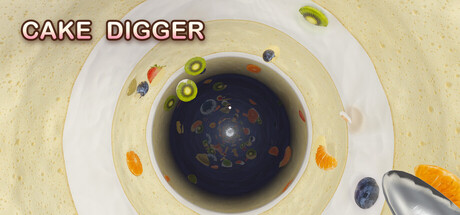 Cake Digger In-game content art | Pre-generated content: Many 3D models and textures used in the game, including cakes, fruit, items, tools, and environmental/shop assets, were generated using Meshy AI and then edited and integrated by the developer. Generative AI was also used to assist in drafting some store-page text, which was reviewed and edited by the developer. No generative AI is used at runtime. No AI-generated voice or music is used. | Iridium Studio | - | Oct 12, 2026 | |
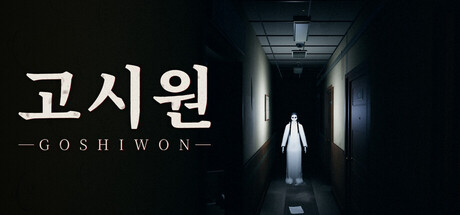 Goshiwon | 고시원 In-game content audioarttext | Generative AI tools were used to assist with the creation and refinement of some pre-generated sound effects, 3D assets, 2D images, voice lines, and localization. All AI-assisted content was reviewed, edited, and integrated by the developer. The game does not use generative AI to create content during gameplay. | Jayhyeon Studio | - | Oct 12, 2026 | |
 Untold Cases - Lot 42 Store/marketing text | AI is used to translate the store page. | Alex Le Mesurier | - | Oct 12, 2026 | |
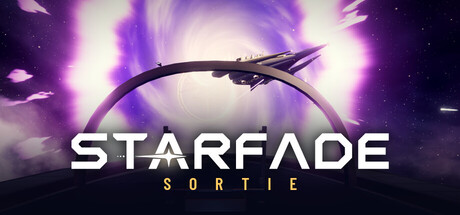 STARFADE: Sortie In-game content audiotext | Character voices, and some of the sound effects and music, were pre-generated with AI voice and audio tools and then edited and mixed by the developer. The dialogue, store text and Korean/English translations were written with the help of an AI assistant and reviewed by the developer. All ships, cockpit and environments are in-engine 3D models, and the store images and trailer are in-game captures. No AI content is generated while you play. | FIVE DUCK GAMES | - | Oct 12, 2026 | |
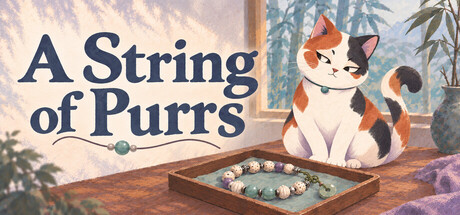 猫隐珠舍 A String of Purrs In-game content arttext | Generative AI tools were used during development to assist with some art assets, written content and localization, as well as store and marketing materials. This includes character portraits, cat and scene illustrations, selected textures and UI illustrations, store capsule artwork and promotional illustrations. These materials are generated, selected and integrated as fixed assets before release. The game does not use generative AI during play or generate dialogue, images or audio in real time. | Lil Wild Studio | - | Oct 12, 2026 | |
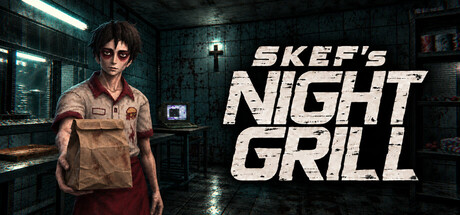 SKEFs Night Grill In-game content art | Generative AI was used during development to create and refine some of the game’s visual assets, including certain images and textures. | SKEF_5XX3 | - | Oct 12, 2026 | |
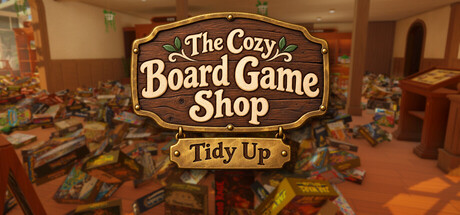 The Cozy Board Game Shop: Tidy Up In-game content artaudio | Some art assets (the board game box covers, in-game posters and the game logo) and the background music were created with the help of generative AI tools, then selected and refined by our small team. Everything else, from the shop itself to the gameplay, was built by hand. No AI content is generated during gameplay. | BoomGames | - | Oct 12, 2026 | |
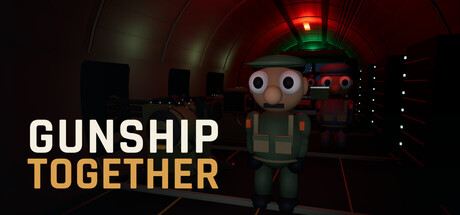 Gunship Together Dev only | AI has been utilized to assist with primarily backend systems like the netcode etc. The game's vision and most content are made directly by me. | TheLaw | - | Oct 12, 2026 | |
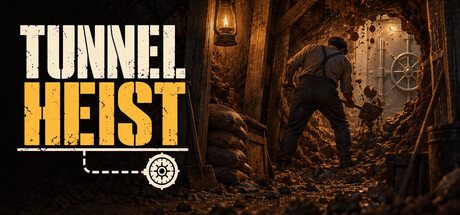 Tunnel Heist In-game content audioarttextcode | Pre-generated content: the character voices, some sound effects, ambience and the music were generated with AI audio tools (ElevenLabs), then selected, edited and mixed by the developer. Most 3D models (props, tools, vehicles) and some 2D artwork (signs, posters, in-game documents, interface illustrations and store art) were generated with AI tools and then integrated, adjusted and reviewed in the game by the developer. The people are built with the open-source MakeHuman tools and animated with motion capture (CMU), not with AI. Translations were made with AI assistance and reviewed. The levels and code were built with AI-assisted tools and reviewed and tested by the developer. No content is generated by AI while you play. | Highlander Interactive | - | Oct 12, 2026 | |
 Sorta High In-game content artaudio | Generative AI tools were used during development to create some of the game’s 2D artwork, 3D assets, and music, as well as Steam store artwork. These are pre-generated assets. The game does not generate AI content or connect to external AI services during gameplay. | Eldara Games | - | Oct 12, 2026 | |
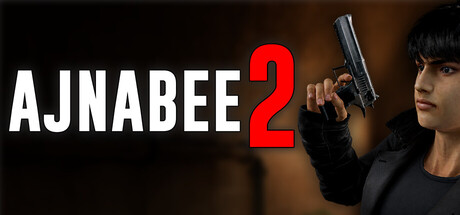 Ajnabee 2 In-game content audioart | Generative AI was used to assist in creating some game assets, like certain sound effects, music, and textures. | Akshat Softwares | - | Oct 12, 2026 | |
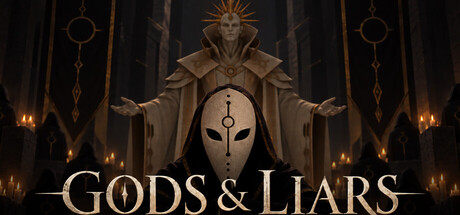 Gods & Liars Store/marketing art | Generative AI tools were used during development to assist in the creation of some pre-generated visual assets and promotional materials. All AI-assisted content is reviewed, selected, and integrated by the development team. The game does not use generative AI to create content during gameplay. | QARAMTA STUDIOS | - | Oct 12, 2026 | |
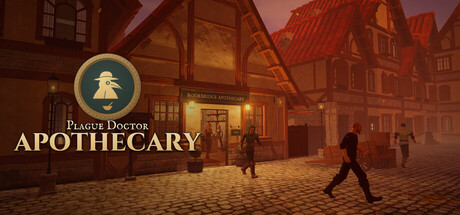 Plague Doctor: Apothecary general | No generative AI models or services run during gameplay. | PolyPixel Interactive | - | Oct 12, 2026 | |
 Burgerama Anomaly Store/marketing text | AI was used to tailor store page descriptions and grammar correct. | Mossy Games Studio | - | Oct 12, 2026 | |
 OUTIS In-game content codetext | Generative AI was used to help write the Python code that generates the game's 3D models and synthesized sounds, and to assist with localization. | OUTIS | - | Oct 12, 2026 | |
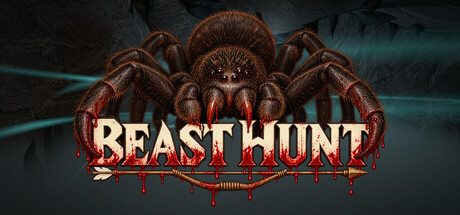 Beast Hunt In-game content art | I enjoy code and music, yet I am terrible at art.
Therefore, generative AI was used during development to create some game artwork, including interface elements, achievements, and icons, and the Beast Hunt logo used in the game. The game does not generate AI content during gameplay. | Thundermagnet | - | Oct 12, 2026 | |
 Fish It!: Sort the Aquarium Shop In-game content artaudiotext | We are a team of 3 developers and everything you see in the game including 3D models, textures, and environments were crafted entirely by human hands. We used Generative AI for store capsule images, translations, and the soundtrack. | Cup Cup Games | - | Oct 12, 2026 | |
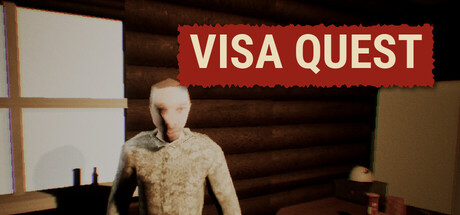 Visa Quest In-game content arttextcode | The game's code, some in-game text (English/Turkish dialogue and UI) and some poster artwork were created with the help of generative AI and then reviewed and edited by the developer. The game does not generate any AI content at runtime. | pin.games | - | Oct 12, 2026 | |
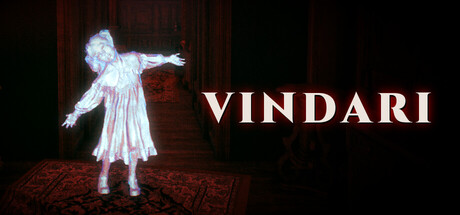 VINDARI In-game content audio | The ghost's voice lines, lullaby, screams, laughter and some sound effects were generated with AI audio tools (ElevenLabs). The store page description and the layout of the capsule art were prepared with the help of an AI assistant, using screenshots captured from the game. All 3D models, environments and animations are human-made assets licensed from the Fab marketplace. | DH | - | Oct 12, 2026 | |
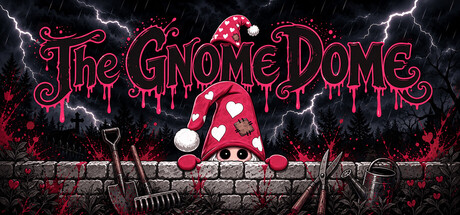 Gnome Dome Dev only codetext | Generative AI was used as a development assistance tool during the creation of GNOME DOME, including help with gameplay logic, Unreal Engine/Blueprint development, debugging, writing, and concept development. All AI-assisted work was reviewed, edited, and implemented by the developer. Generative AI is not used to create content dynamically during gameplay. | TheHiddenRedPanda | - | Oct 12, 2026 | |
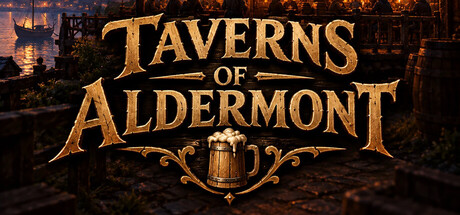 Taverns of Aldermont In-game content arttextcode | The capsule and logo artwork was created with an AI image generator. Some of the game's code and parts of the written dialogue were produced with the help of an AI assistant, then reviewed and edited by the developer. No content is generated by AI while the game is running. | Hamre Games | - | Oct 12, 2026 | |
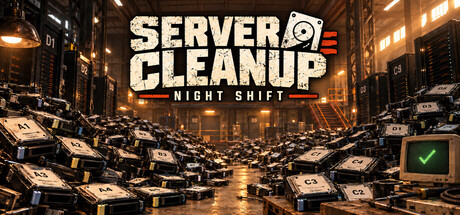 Server Cleanup: Night Shift In-game content art | Some of the images on our store page were created by artificial intelligence and edits were made on the images. and some images in the game were made by artificial intelligence. | BigFish Studio | - | Oct 12, 2026 | |
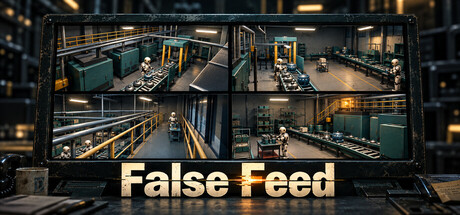 False Feed In-game content textart | Generative AI tools assisted with pre-generated game content, including text and localization, and with store artwork and marketing text. The game uses prepared content. It does not generate content with AI during gameplay or connect to external AI services. | Katarienumono, Inc. | - | Oct 12, 2026 | |
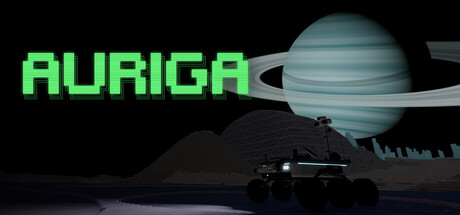 Auriga In-game content arttextcode | Generative AI tools were used during development to help create code, 2D art and text, including draft translations. The developer directed, selected and assembled all of it into the game.
No generative AI runs while you play. Meridian, your companion, is scripted rather than a chatbot, and the game sends nothing to AI services. Planets come from the game's own procedural generator, not an AI model. | NonAverageStudio | - | Oct 12, 2026 | |
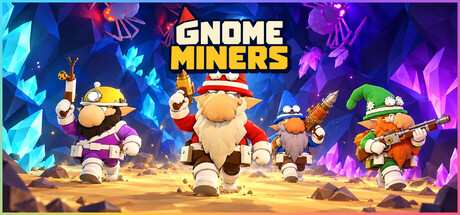 Gnome Miners In-game content arttextcode | Some pre-generated content was made with AI tools: the store key art and capsule images, the localization into 19 languages, and parts of the in-game and store text. 3D models, sound effects and achievement icons are built procedurally by code written with AI assistance. No AI-generated content is created live while you play. | LonhosGames | - | Oct 12, 2026 | |
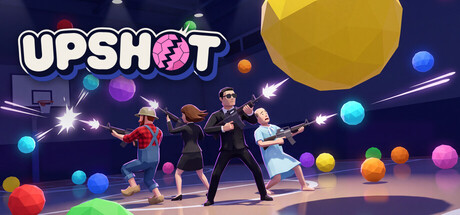 UPSHOT Store/marketing art | AI tools were used to help prepare sketches for the store capsule artwork. | Wazang Games | - | Oct 12, 2026 | |
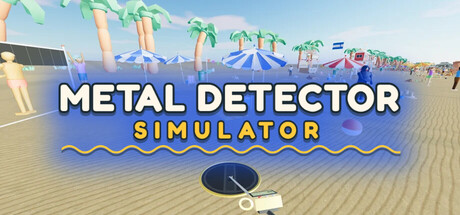 Metal Detector Simulator In-game content textcodeaudio | The game's code, in-game text (item names, objectives, story) and synthesized sound effects were created with the help of an AI coding assistant and reviewed by the developer. Store and library art is composed from in-game screenshots. 3D models, textures, music and recorded sound effects are human-made CC0 assets (Kenney, Poly Haven, OpenGameArt). | Premium AI Slop | - | Oct 12, 2026 | |
 Roswell: Redacted Dev only text | During the R&D process, we used AI to assist with scriptwriting, but the content was still reviewed and polished by humans. | 莓西工作室 | - | Oct 12, 2026 | |
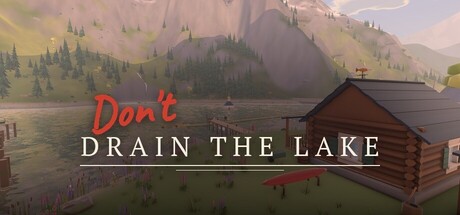 Don't Drain The Lake In-game content audiocode | The voices, music and sound effects were generated with AI audio tools (ElevenLabs) and then edited and mixed by the developer. The 3D world and the game itself were built with the help of an AI coding assistant. The trailers' narration also uses AI-generated voices. Nothing is generated by AI while you play. | LogiK | - | Oct 12, 2026 | |
 SORT THEM ALPACAS: OVERLOAD! In-game content text | AI tools assisted with translations of some in-game text for localization. | Shy Gekko | - | Oct 12, 2026 | |
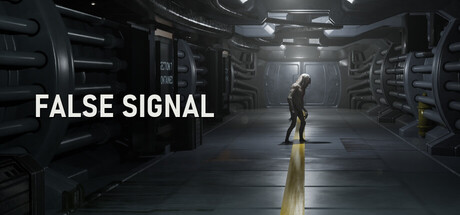 False Signal In-game content audioart | This game contains pre-generated AI content, all reviewed and edited by the developer:
- Voice acting: every radio and PA line, in English and Turkish, is text-to-speech generated with ElevenLabs.
- Audio: most sound effects and the three music beds were generated with ElevenLabs.
- 3D art: some organic growth props were shaped with an image-to-3D pipeline (SDXL + Hunyuan3D), then UV-unwrapped, baked and finished by hand in Blender.
- 2D art: the still images in the narrated opening were made with an image model.
The game generates nothing with AI while it runs. The trailer, screenshots and capsule art on this page are in-game footage and in-engine captures. | Veilward Studios | - | Oct 12, 2026 | |
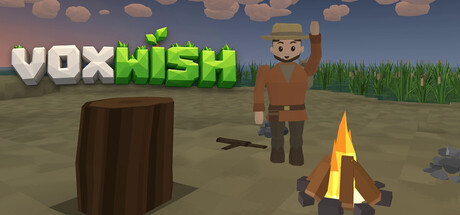 VoxWish In-game content audio | Sound effects, some character voices and music in the game were made with generative AI tools (ElevenLabs). Everything is pre-generated during development; nothing is generated while you play. | VoxWish | - | Oct 12, 2026 | |
 中国厨师模拟器 In-game content art | Some of the ui and logos use ai | egg | - | Oct 12, 2026 | |
 ビジネスホテルに泊まりたくなり In-game content text | The developer used generative AI to help write and translate (Japanese to English) the in-game and store page text. All text was reviewed and edited by the developer. No graphics, sound or music in the game are AI-generated, and no content is generated by AI while playing. | TACTY | - | Oct 12, 2026 | |
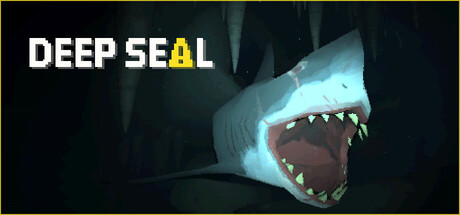 DEEP SEAL In-game content text | Generative AI was used to assist with game localization and translation. | SOS | - | Oct 12, 2026 | |
 Fully Funded In-game content text | Some content was made with generative AI: the game's logo, and much of the in-game writing (tutorial text, shop item names and descriptions, and other on-screen text), which was drafted with an AI assistant and edited by the developer. Parts of this store page were written the same way. Everything else - rooms, props, characters, sound and gameplay - is made procedurally in code or comes from CC0 asset kits. Nothing is generated by AI while you play. | PTL Studios | - | Oct 12, 2026 | |
 The Film Archive In-game content artaudiotext | Generative AI was used during development to help create visual assets, including textures and 3D models, as well as music, in-game text, including fictional film titles and catalog descriptions, and translations. AI tools were also used to create store and promotional artwork. All such content was created in advance. The game does not generate AI content during gameplay or connect to external AI services. | Breakwater Forge | - | Oct 12, 2026 | |
 Bento Express In-game content art | We used AI tools a bit to help with some assets, then reworked them ourselves until they felt right for the game. | Pluvia Nova | - | Oct 12, 2026 | |
 Furniture Store Simulator Store/marketing arttextcode | Generative AI was used for some Steam store and marketing materials only (section banners and draft store copy). These assets were reviewed and edited before publishing.
No generative AI is used in the shipped game at runtime. In-game 3D furniture, environments, and gameplay content are created with traditional art and development tools (purchased/licensed assets and original work). AI-assisted coding tools were used during development; they are not used to generate player-facing game content. | Infrangible Studio | - | Oct 11, 2026 | |
 Freedom Fighters Flood In-game content art | Generative AI was used for minor texture touch-ups during development. All AI-assisted content was manually reviewed and finalized by the developer. | Viosama Studios | - | Oct 11, 2026 | |
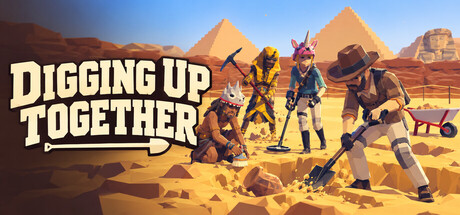 Digging Up Together Store/marketing art | It has been used in the page visuals and logo. | cnsgames | - | Oct 10, 2026 | |
 Aim Tracer In-game content artcode | The game's code was written with AI assistance. The art is also made by AI. | Michael Pascual | - | Oct 10, 2026 | |
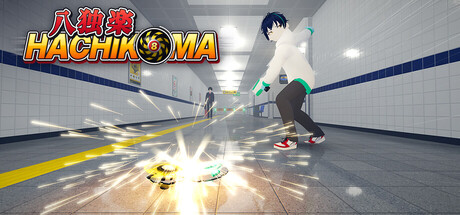 HACHIKOMA: Underground Stadium No. 8 In-game content artcode | This game contains content created with the assistance of AI tools. AI was used during development to assist with programming, visual assets, and other creative elements. All generated content was reviewed, edited, and integrated by the dev. | ISEKAI Games | - | Oct 10, 2026 | |
 The Usual, Please In-game content text | AI tools assisted with in-game text translation. | Hadwa Games | - | Oct 10, 2026 | |
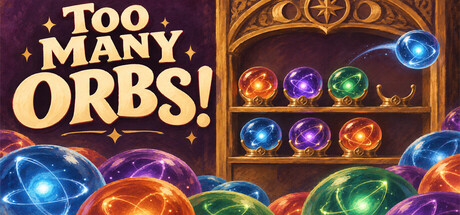 Too Many Orbs! In-game content art | various visual assets and materials for Too Many Orbs! were created with the assistance of generative AI tools.
All AI-generated content was reviewed, refined, and integrated by the developer to ensure consistency with the game's artistic direction and quality standards. | Shahin Mohammadpour | - | Oct 10, 2026 | |
 El Enigma del Colegio Cumbres In-game content artaudio | Se han utilizado herramientas de inteligencia artificial generativa durante el desarrollo para ayudar en la creación y adaptación de algunos recursos del juego, como modelos 3D, imágenes, audio y otros elementos gráficos. Todo el contenido generado con IA ha sido revisado y preparado previamente antes de incluirse en el juego. El juego no genera contenido mediante IA en tiempo real ni se conecta a servicios externos de IA durante la partida. | David Orizaola | - | Oct 10, 2026 | |
 Seasonal Reset: Christmas Edition In-game content audio | AI generated the music for this game | Budder Technology LLC | - | Oct 10, 2026 | |
 Lily or Horse In-game content artaudiotext | During development, AI tools assisted with modifying some existing 3D models, procedurally generating some original models and sound effects, coding, and translating the developer's own ending text. All other assets are licensed asset packs, Creative Commons music and real recordings. No AI content is generated during play. | MetallJellyfish | - | Oct 10, 2026 | |
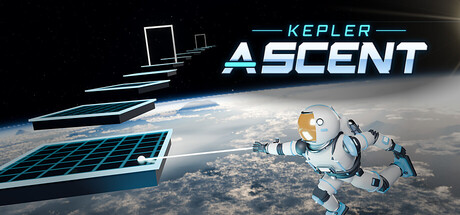 Kepler Ascent In-game content textaudioart | Kepler Ascent was made by an independent developer with the help of generative AI tools. AI was used to write part of the game's text (story and AURA's lines), to compose the music and create AURA's synthesized voice, to build some 3D models and cinematic sets (generated through scripts), and to produce the logo and artwork of this store page (rendered from the game's own models). All of this content was created ahead of time and reviewed by the developer. Nothing is generated by AI while you play. | Sailxe | - | Oct 10, 2026 |


