Public Steam disclosure research25,383 disclosures tracked
Where do games disclose AI use?
Search developers’ Steam disclosures, compare classified AI use across
games, and follow recorded changes.
This index adds cross-game classifications and statistics to
statements published on individual store pages.
Groups reflect automatic analysis of public disclosures; mature records are excluded. These counts do not measure AI use across all of Steam.
Missing or unclear statements cannot establish whether a game uses AI.
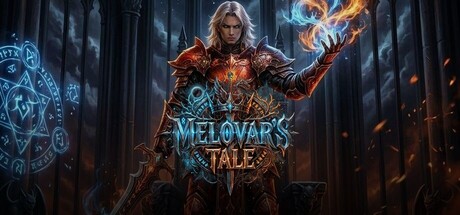
A lot of the artwork in Melovar's Tale, including the card, relic and character illustrations were created with the assistance of AI tools. All AI Generated items were reviewed, curated, and refined to ensure they meet the game visual and thematic standards. There isn't any AI content generated live during the game.
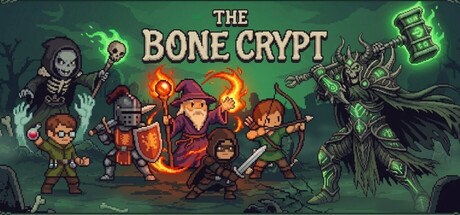
The core concepts, rules, and gameplay mechanics of The Bone Yard are entirely my own original creation. Because this is a solo passion project, I utilized generative AI as a development assistant to help bring my vision to life. AI tools were used to help brainstorm visual design elements, which I then curated and integrated into the game. I also used AI to assist with coding and text localization. The heart of the game, how it plays, how it feels, is 100% USDA Prime Human.
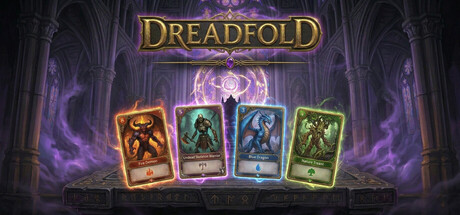
Some artwork used in store page capsule images and card illustrations was created with the assistance of AI image generation tools. All AI-generated assets were reviewed, curated, and edited by the developer. No AI is used during gameplay.
The developer has used generative artificial intelligence tools for assistance during development. This includes code generation and optimization, drafting and translating text for the store page, and creating promotional images and marketing assets. All generated elements have been manually reviewed and edited to fit the project's vision
Some of the artworks, sounds and localizations in the game have been partially or entirely generated with the help of AI.
We strongly believe AI will help videogames reach new heights, not kill jobs nor creativity.
Some content in COURIER GUILD was created with the assistance of AI tools, including visual assets, music, and text. All AI-generated content has been manually reviewed, edited, and refined by the developer to fit the game's style and vision.
This product uses AI tools to assist in generating code, art assets, and other content. All AI-generated materials have been significantly edited, modified, and polished by human developers to ensure originality, quality, and compliance with copyright regulations.
Some item icons, visual assets, and music in this game were created with the assistance of generative AI. In-game text was translated to multiple languages using AI. All AI-generated content was reviewed, edited, and curated by the developer.
This game was built by a solo developer using AI-assisted coding tools throughout development, including for generating SVG code that was rendered into game icons. All creative direction, game design, and visual style decisions were made by the developer. No AI image generation models were used to create artwork.
During development of this game AI was used for code completion, art generation, text descriptions and a psychological/motivational/emotional support as well as release planning. Pretty much at every step of this game dev journey the AI was part of it.
This game was 100% developed using AI (Claude Code by Anthropic) — including game design, programming, balancing, and localization. No AI is used during gameplay.
Generative AI were used only to assist with localization and translation. All localized text is reviewed and edited by the development team.
No art, audio, or code used AI generation.
This game uses pre-generated AI images for card artwork and
character sprites, created with Stable Diffusion. No AI is used
to generate content during gameplay.
Some visual assets such as fictional product packaging, posters, decorative graphics, icons and marketing materials were created with the help of generative AI and then reviewed/edited before being included in the game.
The store page utilizes AI-assisted generation for some of its assets and decorative icons. All such materials have been manually selected and post-processed to ensure they best represent the game's style.
Pre-rendered AI tools were used to generate the base artwork for the Steam store page capsule images and marketing materials. All generated assets were manually edited and combined in image editing software.
This game uses generative AI tools during development to assist with the creation of certain visual assets and concept art. All AI-assisted content has been reviewed, edited, and integrated by the developer to ensure consistency with the game’s artistic style and design.
No generative AI is used in gameplay systems or player interactions.
I used AI for debugging package errors that can generate thousands-lines-long error logs, to point me into the right direction.
I also localized the store page to some languages using LLM.
The developer utilized generative AI tools during the production phase to assist with coding and drafting marketing text. AI was also used to generate foundational 2D promotional artwork for the Steam store page, which was subsequently edited, refined, and polished manually in Photoshop.
Some in-game monster assets were created or refined during development with the help of generative AI tools. These assets were reviewed and edited by the developer before being included in the game.
During the development process, we may use procedural- and AI-based tools to assist with content creation. In all such cases, the final product reflects the creativity and expression of our own development team.
AI tools were used to assist in the creation of some music tracks and visual assets. All AI-generated content was reviewed and refined by the developer.
Some of the character portraits, background images, and item images in this game were generated using niji・journey and Canva AI, and were later refined and edited by an artist.
Generative AI was used to assist with some promotional visuals, such as logo and store page imagery. Tide Fall also includes commercially licensed marketplace assets. All gameplay systems and game development are created and implemented by me
Claude code = Lots of code. Within the game client/server sure, but particularly within our game creation pipeline. It has enabled our artists/unity devs to create their own scripts/tools with blender/unity to streamline our content creation process.
Also, CC used for creating python scripts used for MIDI music composition.
Flux Dev image gen = spell icons.
It did not write this message though :)
Some visual and audio assets were partially generated with the help of AI tools. These elements represent a small portion of the overall content and were further edited and integrated by the developer. AI was also used to assist with minor code optimization and to translate all in-game dialogue.
A part of the in-game sprites and item art in this game were generated using AI. As a solo developer, generative AI tools allow me to create a breadth of visual content that would otherwise not have been possible. All assets were carefully selected, curated, and integrated to ensure they align with the game's vision and quality.
Some visible in-game assets, including but not limited to cutscenes, characters, environments, and UI elements, were created or visually enhanced with the help of AI, including generation based on white model references.
Some store page assets were also created or visually enhanced with the help of AI, including generation based on white model references.
Some music and sound effects were generated with the help of AI.
Some localized language content was translated with the help of AI.
This project incorporates the use of artificial intelligence tools to assist in development. AI was used to help generate portions of the C# codebase, streamlining implementation and problem-solving, as well as to create some textures used within the game. All AI-generated content was reviewed, adapted, and integrated to fit the overall design and functionality of the project
A lot of the artwork in Melovar's Tale, including the card, relic and character illustrations were created with the assistance of AI tools. All AI Generated items were reviewed, curated, and refined to ensure they meet the game visual and thematic standards. There isn't any AI content generated live during the game.
The core concepts, rules, and gameplay mechanics of The Bone Yard are entirely my own original creation. Because this is a solo passion project, I utilized generative AI as a development assistant to help bring my vision to life. AI tools were used to help brainstorm visual design elements, which I then curated and integrated into the game. I also used AI to assist with coding and text localization. The heart of the game, how it plays, how it feels, is 100% USDA Prime Human.
Some artwork used in store page capsule images and card illustrations was created with the assistance of AI image generation tools. All AI-generated assets were reviewed, curated, and edited by the developer. No AI is used during gameplay.
The developer has used generative artificial intelligence tools for assistance during development. This includes code generation and optimization, drafting and translating text for the store page, and creating promotional images and marketing assets. All generated elements have been manually reviewed and edited to fit the project's vision
Some of the artworks, sounds and localizations in the game have been partially or entirely generated with the help of AI.
We strongly believe AI will help videogames reach new heights, not kill jobs nor creativity.
Some content in COURIER GUILD was created with the assistance of AI tools, including visual assets, music, and text. All AI-generated content has been manually reviewed, edited, and refined by the developer to fit the game's style and vision.
This product uses AI tools to assist in generating code, art assets, and other content. All AI-generated materials have been significantly edited, modified, and polished by human developers to ensure originality, quality, and compliance with copyright regulations.
Some item icons, visual assets, and music in this game were created with the assistance of generative AI. In-game text was translated to multiple languages using AI. All AI-generated content was reviewed, edited, and curated by the developer.
This game was built by a solo developer using AI-assisted coding tools throughout development, including for generating SVG code that was rendered into game icons. All creative direction, game design, and visual style decisions were made by the developer. No AI image generation models were used to create artwork.
During development of this game AI was used for code completion, art generation, text descriptions and a psychological/motivational/emotional support as well as release planning. Pretty much at every step of this game dev journey the AI was part of it.
This game was 100% developed using AI (Claude Code by Anthropic) — including game design, programming, balancing, and localization. No AI is used during gameplay.
Generative AI were used only to assist with localization and translation. All localized text is reviewed and edited by the development team.
No art, audio, or code used AI generation.
This game uses pre-generated AI images for card artwork and
character sprites, created with Stable Diffusion. No AI is used
to generate content during gameplay.
Some visual assets such as fictional product packaging, posters, decorative graphics, icons and marketing materials were created with the help of generative AI and then reviewed/edited before being included in the game.
The store page utilizes AI-assisted generation for some of its assets and decorative icons. All such materials have been manually selected and post-processed to ensure they best represent the game's style.
Pre-rendered AI tools were used to generate the base artwork for the Steam store page capsule images and marketing materials. All generated assets were manually edited and combined in image editing software.
This game uses generative AI tools during development to assist with the creation of certain visual assets and concept art. All AI-assisted content has been reviewed, edited, and integrated by the developer to ensure consistency with the game’s artistic style and design.
No generative AI is used in gameplay systems or player interactions.
I used AI for debugging package errors that can generate thousands-lines-long error logs, to point me into the right direction.
I also localized the store page to some languages using LLM.
The developer utilized generative AI tools during the production phase to assist with coding and drafting marketing text. AI was also used to generate foundational 2D promotional artwork for the Steam store page, which was subsequently edited, refined, and polished manually in Photoshop.
Some in-game monster assets were created or refined during development with the help of generative AI tools. These assets were reviewed and edited by the developer before being included in the game.
During the development process, we may use procedural- and AI-based tools to assist with content creation. In all such cases, the final product reflects the creativity and expression of our own development team.
AI tools were used to assist in the creation of some music tracks and visual assets. All AI-generated content was reviewed and refined by the developer.
Some of the character portraits, background images, and item images in this game were generated using niji・journey and Canva AI, and were later refined and edited by an artist.
Generative AI was used to assist with some promotional visuals, such as logo and store page imagery. Tide Fall also includes commercially licensed marketplace assets. All gameplay systems and game development are created and implemented by me
Claude code = Lots of code. Within the game client/server sure, but particularly within our game creation pipeline. It has enabled our artists/unity devs to create their own scripts/tools with blender/unity to streamline our content creation process.
Also, CC used for creating python scripts used for MIDI music composition.
Flux Dev image gen = spell icons.
It did not write this message though :)
Some visual and audio assets were partially generated with the help of AI tools. These elements represent a small portion of the overall content and were further edited and integrated by the developer. AI was also used to assist with minor code optimization and to translate all in-game dialogue.
A part of the in-game sprites and item art in this game were generated using AI. As a solo developer, generative AI tools allow me to create a breadth of visual content that would otherwise not have been possible. All assets were carefully selected, curated, and integrated to ensure they align with the game's vision and quality.
Some visible in-game assets, including but not limited to cutscenes, characters, environments, and UI elements, were created or visually enhanced with the help of AI, including generation based on white model references.
Some store page assets were also created or visually enhanced with the help of AI, including generation based on white model references.
Some music and sound effects were generated with the help of AI.
Some localized language content was translated with the help of AI.
This project incorporates the use of artificial intelligence tools to assist in development. AI was used to help generate portions of the C# codebase, streamlining implementation and problem-solving, as well as to create some textures used within the game. All AI-generated content was reviewed, adapted, and integrated to fit the overall design and functionality of the project