






Disclosure
This game’s store page text has been translated into multiple languages with the assistance of AI translation tools. We review and adjust translations manually.
- Creator
- KIB Games
- Reviews
- -
- Added
- Oct 12, 2026
Public Steam disclosure research 25,376 disclosures tracked
Search developers’ Steam disclosures, compare classified AI use across games, and follow recorded changes. This index adds cross-game classifications and statistics to statements published on individual store pages.
Code help, debugging and other development work.
Capsule art, trailers and promotional material.
Pre-made art, audio, writing and other game assets.
Interactive or runtime AI features disclosed by the developer.
Groups reflect automatic analysis of public disclosures; mature records are excluded. These counts do not measure AI use across all of Steam. Missing or unclear statements cannot establish whether a game uses AI.
This game’s store page text has been translated into multiple languages with the assistance of AI translation tools. We review and adjust translations manually.
Generative AI tools were used extensively during the development of BLACKBELL, including for artwork, writing, audio, code, and production support. All AI-generated content included in the shipped game is pre-generated, selected, edited, and integrated by the developer. The developer is responsible for the game's creative direction, design, curation, quality control, and final implementation.
The music was created with Suno and the logo lettering with an AI image tool (DeeVid); both were edited and are fixed assets in the game. The tutorial voice is text-to-speech. Nothing is generated while the game runs.
Generative AI tools were used during development to create visual assets, including character artwork, environments, and visual effects, as well as in-game music. AI tools also assisted with promotional artwork and the translation of store descriptions. These contents were generated during development. The game does not generate content using AI during gameplay.
Steam page arts polished with gen AI (soon my game arts will be done and it will be replaced)
This game was made using generative AI. Generative AI was used for card illustrations, backgrounds, character videos, music, the story and other text, translations, and promotional materials such as the store page and trailer. All of this content was created in advance; no content is generated by AI during gameplay.
AI was used to create a handful of static images within the game as the developer had no other options at the time. All of this will be replaced as soon as possible.
Game contains AI generated code. Some icons. logos, marketing assets or placeholders may be AI generated. In-game screenshots and footage are displayed as-is and are unaltered by AI.
AI was used responsibly in the making of this game
Tirona's development used AI tools for much of its 2D artwork (character portraits, card and scene illustrations, quest illustrations), some 3D models, the music (ElevenLabs) and the character voice performers' reference voices. All of it was selected, edited and placed by the developer, and ships as fixed game content. While you play, a third-party large language model writes the narration and the dialogue of non-player characters in response to what you type or say. Character voices are synthesised locally on your PC from the generated text. You can optionally generate a portrait for your character from your creation choices. The AI never decides the rules: dice, hit points, gold, items, experience, spells and quest progress change only through the game's own systems. Romance is opt-in, and anything sexual fades to black.
Generative AI was used to assist with localization of in-game text from English to Spanish, French, German, Japanese, Korean, Simplified Chinese, Portuguese, and Russian.
Runemoor was made by a small independent team with the help of generative AI tools. Every AI output was directed, reviewed, edited and integrated by the developer, and checked to keep all designs original. No AI content is generated while you play. - 3D characters: the champion models, their weapons and props were generated with Meshy (image-to-3D), including its auto-rigging and animation clips, then cleaned up and integrated by hand and with our own scripts. - 2D art: concept art, key art and store artwork, the logo and app icon, UI artwork and backgrounds, item and spell icons, and material and terrain textures were generated with an OpenAI image model, then selected, post-processed and composited. - Environment: the map, buildings, rocks and plants are built by our own procedural modeling scripts (no AI model generates the geometry) and use the AI-generated textures listed above. - Voice: the match announcer voice lines are AI-generated speech (Google Gemini text-to-speech). - Music (trailer): the music of the store trailer was generated with Google Lyria and carries Google's inaudible SynthID watermark. The in-game music is not AI-generated: it is synthesized procedurally by our own audio code. - Sound effects and ambience: not AI-generated. They are synthesized procedurally by our own audio code.
various visual assets and materials for Too Many Orbs! were created with the assistance of generative AI tools. All AI-generated content was reviewed, refined, and integrated by the developer to ensure consistency with the game's artistic direction and quality standards.
The game is made by a single developer, with help from two friends. I used generative AI for some of the artwork (backgrounds, portraits, icons, book covers, record sleeves, skies) and for some of the music, selecting, editing and integrating every asset by hand. 3D models were bought from their creators, taken from free libraries or made in Blender, and sound effects come from free sound libraries: all authors are credited in the game.
Generative AI tools were used during development to create some artwork, background music, and monster vocal effects. AI tools also assisted with the writing and translation of store-page text. These materials were prepared in advance. The game does not generate AI content or connect to third-party AI services during gameplay.
Generative AI was used in the creation of images and music in the game. This content was generated and edited during development. No content is generated by AI during gameplay.
Generative AI was used only as a supporting tool for the design of some fictional potions, selected game artwork, and language translation.
Some assets and portions of the game's localization were generated using AI tools.
Generative AI tools were used during development to assist with some UI artwork. The game does not generate new content using generative AI during gameplay.
Steam store and library, including capsule images, the logo and icons Gameplay screenshots were captured directly from the game.
Full disclaimer - Some code, artworks have been AI generated, through a custom model trained on images that were built specifically for the game with the kind assistance of a graphic designer friend of mine. I'm a solo dev with limited budget and I'm doing this out of passion - I just wouldn't have been able to build it without these tools
Generative AI supported the creation of parts of the artwork, sound effects and particular translations, all of which were carefully selected and refined by the developers. No AI content is generated during play.
Generative AI was used during development to assist with artwork and localization, including some store and promotional materials. The game does not generate AI content during gameplay or connect to external AI services.
Pre-generated game artwork, including character, background, card, and interface art, was created with generative AI and edited for the game. Generative AI was also used for Steam store and library artwork, the logo, and icons. Gameplay screenshots were captured directly from the game. No AI content is generated during gameplay.
Some pre-made assets were created with the help of generative AI tools and then selected and edited by the developers: power-up card illustrations, achievement icons, store and key art, and some 3D chess piece models for cosmetic sets. The game does not generate any AI content while you play.
Generative AI was used for some visual and audio assets and text. No content is generated during play.
Some visual assets and promotional materials for this game were created with the assistance of generative AI and were reviewed, edited, and integrated by the developer. The game does not use live AI generation during gameplay.
Some assets and promotional materials for No Map Home were created with help from generative AI tools. I personally reviewed, refined, and integrated all AI-generated content to make sure it fits the game’s visual style and my creative vision for it.
Pre-generated content: some 3D props and models, music tracks, sound effects and some artwork were created with generative AI tools (such as Meshy and ElevenLabs) and then reviewed, edited and integrated by the developer. No content is generated in real time during gameplay.
Pre-generated content: generative AI tools were used during development to help create some of the game's 3D models, concept art and illustrations, music, voice lines and sound effects, as well as part of the store artwork and trailer footage. All of this content was selected, edited, integrated and adjusted by hand by the developer. The game's design, writing, story, code and balance are human-made. No content is generated by AI while the game is running.
Generative AI was used during development to create early drafts of some graphical resources and to help further develop and refine game design concepts. All AI-assisted materials were reviewed and adjusted by the development team before being used in the final game.
用AI来辅助制作宣传素材
Store page capsule art was made with the help of generative AI.
This game uses generative AI tools to assist in creating some content: pixel-art visuals (character, enemy, and card artwork, icons, and backgrounds) via PixelLab, and sound effects via ElevenLabs. All AI-assisted content was reviewed and curated by the developer before being included in the game.
Some item icons, sound effects and translations were created with the help of generative AI tools.
The music, most sound effects and a few sprites and icons were made with AI assistance and reviewed by the team. Store graphics were assembled with AI assistance from the team's own artwork. No AI generates content while you play.
AI tools were used to translate the store page text and some localizations. All in-game art, 3D models, animations, music and sound effects are not AI-generated.
AI tools assisted with localization, store-page text, and preparation of promotional artwork. This content is prepared in advance. The game does not use AI to generate content during gameplay or connect to external AI services.
AI-assisted tools were used during development to create and edit visual assets, including characters, equipment, creatures, environments, UI and store illustrations, and to assist with story text and localization. Music and sound effects were made using AI-assisted synthesis code and composition rules. The game uses prepared assets and predefined effects; it does not generate AI content or connect to generative AI services during play.
Mossgrave was built with an AI coding assistant, directed and reviewed by the developer. The AI wrote the game's code, including the procedural code that generates the 3D models, textures, pixel-art interface, music and sound effects. It also drafted the in-game text (dialogue, quest and item descriptions) and the text on this store page. Store images are captured from the game itself. No AI image or music generation models were used. The trailer's narration is an AI-generated voice; the game itself has no voice acting, and nothing is generated by AI while you play.
AI tools assisted with game development, particularly multiplayer systems, and with the creation of in-game artwork, animations, and music as well as store and marketing visuals, including the logo.
Parts of Tinselwood were made with generative AI during development: its music and sound effects, its interface icons and store art, some of its set-piece models, and parts of its code. All of it was reviewed and reworked by hand, and nothing is generated while you play.
AI was used to create artwork, music, audio and store images. All content is pre-generated; no live AI or external AI services.
All game assets were manually designed in Blender by the developer. Only a small portion of pre-rendered artwork and cinematics involved AI.
Generative AI tools were used during development to create some artwork, 3D assets, music, sound effects and localization text. These assets are prepared before release. The game does not generate AI content during play or connect to external AI services.
AI is used to aid in store page.
The art, sound effects and voicelines are AI generated. Ideally, if the game makes some amount of $ I will replace all AI generate content. Read more about AI usage here: https://www.sdgames.co/blog/shades-of-europa-steam-page-and-demo
Generative AI assisted with some programming and debugging during the development of Daylight Line. Some in-game visual assets, including battle status icons, were also created with the assistance of generative AI and then processed and integrated by the development team. The game does not generate AI content during gameplay.
Generative AI was used during development to create some 3D models, textures, artwork, music, and store marketing materials, including the cinematic teaser. These assets were prepared before release. The game does not generate AI content during play or connect to external AI services.
This project includes promotional images generated by artificial intelligence and simple art elements
| Title⇅ | Disclosure | Creator⇅ | Src | Reviews⇅ | Added↓ |
|---|---|---|---|---|---|
 Desktop Party: An Idle Fantasy RPG Store/marketing text | This game’s store page text has been translated into multiple languages with the assistance of AI translation tools. We review and adjust translations manually. | KIB Games | - | Oct 12, 2026 | |
 BLACKBELL In-game content arttextaudiocode | Generative AI tools were used extensively during the development of BLACKBELL, including for artwork, writing, audio, code, and production support. All AI-generated content included in the shipped game is pre-generated, selected, edited, and integrated by the developer. The developer is responsible for the game's creative direction, design, curation, quality control, and final implementation. | PALE WINDOW STUDIO | - | Oct 12, 2026 | |
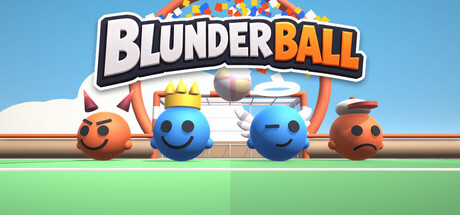 Blunderball In-game content audioart | The music was created with Suno and the logo lettering with an AI image tool (DeeVid); both were edited and are fixed assets in the game. The tutorial voice is text-to-speech. Nothing is generated while the game runs. | Foulplay | - | Oct 12, 2026 | |
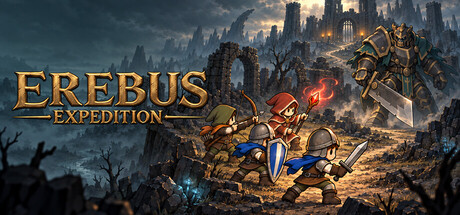 厄瑞博斯征途 In-game content artaudiotext | Generative AI tools were used during development to create visual assets, including character artwork, environments, and visual effects, as well as in-game music. AI tools also assisted with promotional artwork and the translation of store descriptions. These contents were generated during development. The game does not generate content using AI during gameplay. | Huhu Morningwind | - | Oct 12, 2026 | |
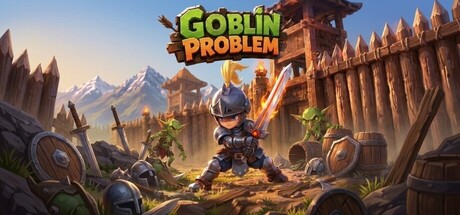 Goblin Problem Store/marketing art | Steam page arts polished with gen AI (soon my game arts will be done and it will be replaced) | Zzpasta Games | - | Oct 12, 2026 | |
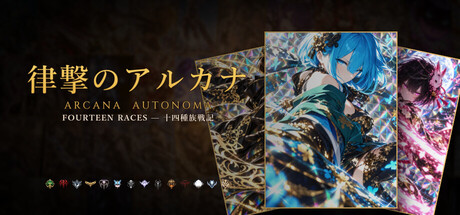 Arcana Autonoma: Fourteen Races In-game content artaudiotext | This game was made using generative AI. Generative AI was used for card illustrations, backgrounds, character videos, music, the story and other text, translations, and promotional materials such as the store page and trailer. All of this content was created in advance; no content is generated by AI during gameplay. | ShadeLurk | - | Oct 12, 2026 | |
 Endless Survival World In-game content art | AI was used to create a handful of static images within the game as the developer had no other options at the time. All of this will be replaced as soon as possible. | Novus Astra | - | Oct 12, 2026 | |
 Mythilus: The Awakening In-game content artcode | Game contains AI generated code. Some icons. logos, marketing assets or placeholders may be AI generated. In-game screenshots and footage are displayed as-is and are unaltered by AI. | Onibox | - | Oct 12, 2026 | |
 Elder Hills Unclear | AI was used responsibly in the making of this game | Darkfoo Games | - | Oct 12, 2026 | |
 Tirona Rebirth Live AI artaudiotext | Tirona's development used AI tools for much of its 2D artwork (character portraits, card and scene illustrations, quest illustrations), some 3D models, the music (ElevenLabs) and the character voice performers' reference voices. All of it was selected, edited and placed by the developer, and ships as fixed game content.
While you play, a third-party large language model writes the narration and the dialogue of non-player characters in response to what you type or say. Character voices are synthesised locally on your PC from the generated text. You can optionally generate a portrait for your character from your creation choices.
The AI never decides the rules: dice, hit points, gold, items, experience, spells and quest progress change only through the game's own systems. Romance is opt-in, and anything sexual fades to black. | Wireloop I.K.E. | - | Oct 11, 2026 | |
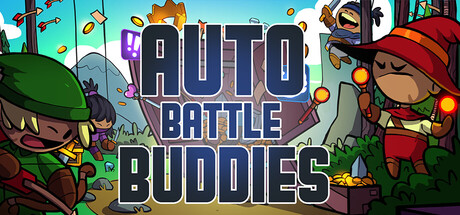 Auto Battle Buddies In-game content text | Generative AI was used to assist with localization of in-game text from English to Spanish, French, German, Japanese, Korean, Simplified Chinese, Portuguese, and Russian. | Casual Clam | - | Oct 11, 2026 | |
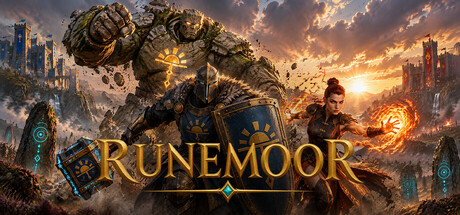 Runemoor In-game content artaudiotext | Runemoor was made by a small independent team with the help of generative AI tools. Every AI output was directed, reviewed, edited and integrated by the developer, and checked to keep all designs original. No AI content is generated while you play.
- 3D characters: the champion models, their weapons and props were generated with Meshy (image-to-3D), including its auto-rigging and animation clips, then cleaned up and integrated by hand and with our own scripts.
- 2D art: concept art, key art and store artwork, the logo and app icon, UI artwork and backgrounds, item and spell icons, and material and terrain textures were generated with an OpenAI image model, then selected, post-processed and composited.
- Environment: the map, buildings, rocks and plants are built by our own procedural modeling scripts (no AI model generates the geometry) and use the AI-generated textures listed above.
- Voice: the match announcer voice lines are AI-generated speech (Google Gemini text-to-speech).
- Music (trailer): the music of the store trailer was generated with Google Lyria and carries Google's inaudible SynthID watermark. The in-game music is not AI-generated: it is synthesized procedurally by our own audio code.
- Sound effects and ambience: not AI-generated. They are synthesized procedurally by our own audio code. | Runemoor | - | Oct 10, 2026 | |
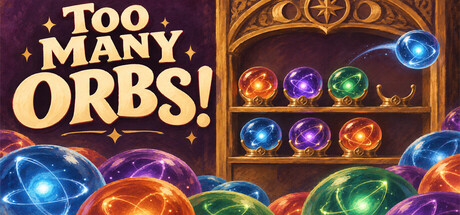 Too Many Orbs! In-game content art | various visual assets and materials for Too Many Orbs! were created with the assistance of generative AI tools.
All AI-generated content was reviewed, refined, and integrated by the developer to ensure consistency with the game's artistic direction and quality standards. | Shahin Mohammadpour | - | Oct 10, 2026 | |
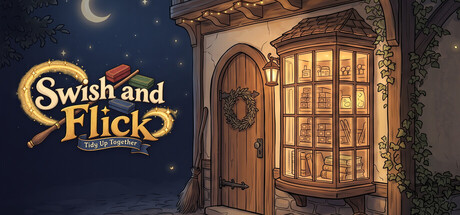 Swish and Flick: Tidy Up Together In-game content artaudio | The game is made by a single developer, with help from two friends. I used generative AI for some of the artwork (backgrounds, portraits, icons, book covers, record sleeves, skies) and for some of the music, selecting, editing and integrating every asset by hand. 3D models were bought from their creators, taken from free libraries or made in Blender, and sound effects come from free sound libraries: all authors are credited in the game. | Sylvanus | - | Oct 10, 2026 | |
 Tactics to the devil dungeon In-game content artaudiotext | Generative AI tools were used during development to create some artwork, background music, and monster vocal effects. AI tools also assisted with the writing and translation of store-page text. These materials were prepared in advance. The game does not generate AI content or connect to third-party AI services during gameplay. | SLOWRAIN GAMES | - | Oct 10, 2026 | |
 FIVEFOLD In-game content artaudio | Generative AI was used in the creation of images and music in the game. This content was generated and edited during development. No content is generated by AI during gameplay. | Taishi Nomiya | - | Oct 10, 2026 | |
 Sort the Magic Potions: Tidy Up and Shelve In-game content arttext | Generative AI was used only as a supporting tool for the design of some fictional potions, selected game artwork, and language translation. | Sleepless Alchemist | - | Oct 10, 2026 | |
 Dungeon Architect: Idle In-game content arttext | Some assets and portions of the game's localization were generated using AI tools. | COGNIVA SL | - | Oct 10, 2026 | |
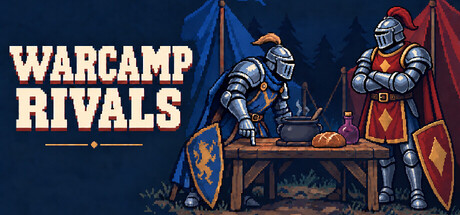 Warcamp Rivals In-game content art | Generative AI tools were used during development to assist with some UI artwork. The game does not generate new content using generative AI during gameplay. | Gergely Osbath | - | Oct 10, 2026 | |
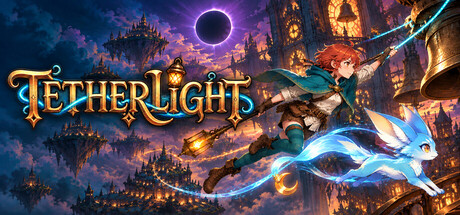 Tetherlight Store/marketing art | Steam store and library, including capsule images, the logo and icons Gameplay screenshots were captured directly from the game. | Tetherlight Studio | - | Oct 10, 2026 | |
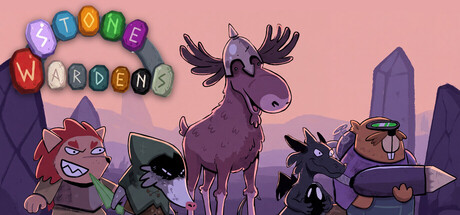 StoneWardens In-game content artcode | Full disclaimer - Some code, artworks have been AI generated, through a custom model trained on images that were built specifically for the game with the kind assistance of a graphic designer friend of mine. I'm a solo dev with limited budget and I'm doing this out of passion - I just wouldn't have been able to build it without these tools | Xatz Games | - | Oct 10, 2026 | |
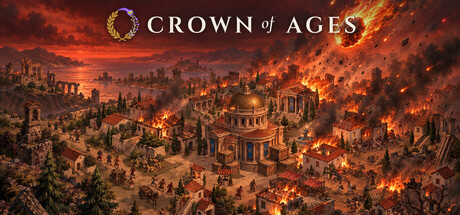 Crown of Ages In-game content artaudiotext | Generative AI supported the creation of parts of the artwork, sound effects and particular translations, all of which were carefully selected and refined by the developers. No AI content is generated during play. | Lunvero Studio | - | Oct 10, 2026 | |
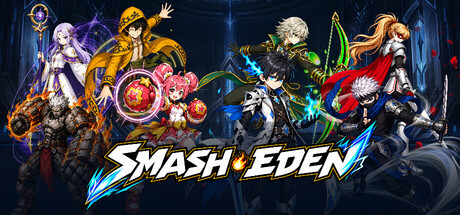 SMASH EDEN In-game content arttext | Generative AI was used during development to assist with artwork and localization, including some store and promotional materials. The game does not generate AI content during gameplay or connect to external AI services. | Hachi Eito | - | Oct 10, 2026 | |
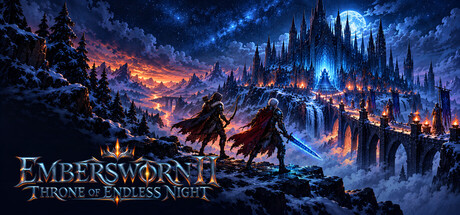 Embersworn II: Throne of Endless Night In-game content art | Pre-generated game artwork, including character, background, card, and interface art, was created with generative AI and edited for the game. Generative AI was also used for Steam store and library artwork, the logo, and icons. Gameplay screenshots were captured directly from the game. No AI content is generated during gameplay. | Embersworn II: Throne of Endless Night Studio | - | Oct 10, 2026 | |
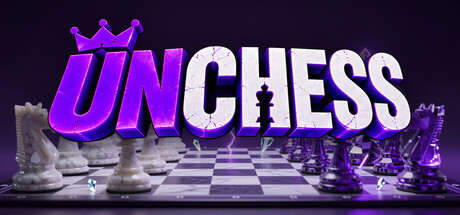 unchess In-game content art | Some pre-made assets were created with the help of generative AI tools and then selected and edited by the developers: power-up card illustrations, achievement icons, store and key art, and some 3D chess piece models for cosmetic sets. The game does not generate any AI content while you play. | Trash Games | - | Oct 10, 2026 | |
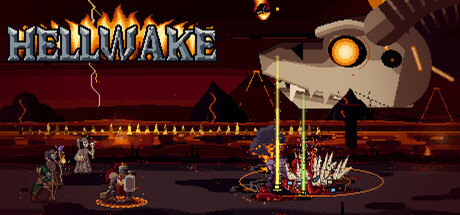 Hellwake In-game content artaudiotext | Generative AI was used for some visual and audio assets and text. No content is generated during play. | Precise Media AB | - | Oct 10, 2026 | |
 123 Halloween Early Learning Games for Kids, Toddlers, Babies 1+ Store/marketing art | Some visual assets and promotional materials for this game were created with the assistance of generative AI and were reviewed, edited, and integrated by the developer. The game does not use live AI generation during gameplay. | McPeppergames | - | Oct 10, 2026 | |
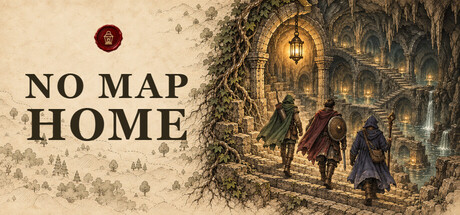 No Map Home Store/marketing art | Some assets and promotional materials for No Map Home were created with help from generative AI tools. I personally reviewed, refined, and integrated all AI-generated content to make sure it fits the game’s visual style and my creative vision for it. | Olav Botterli | - | Oct 10, 2026 | |
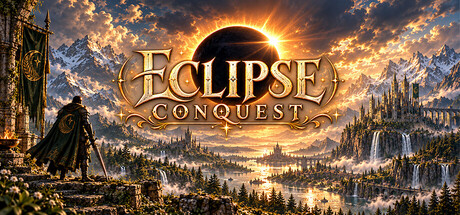 Eclipse Conquest In-game content artaudio | Pre-generated content: some 3D props and models, music tracks, sound effects and some artwork were created with generative AI tools (such as Meshy and ElevenLabs) and then reviewed, edited and integrated by the developer. No content is generated in real time during gameplay. | NoxFern Games | - | Oct 10, 2026 | |
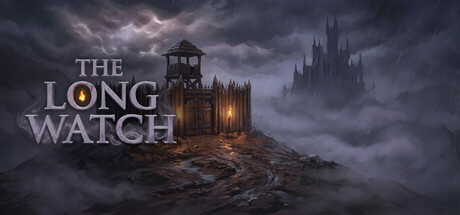 The Long Watch In-game content artaudiotextcode | Pre-generated content: generative AI tools were used during development to help create some of the game's 3D models, concept art and illustrations, music, voice lines and sound effects, as well as part of the store artwork and trailer footage. All of this content was selected, edited, integrated and adjusted by hand by the developer. The game's design, writing, story, code and balance are human-made. No content is generated by AI while the game is running. | Lone Torch Games | - | Oct 10, 2026 | |
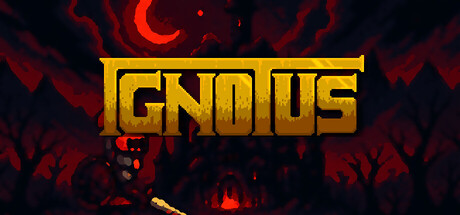 IGNOTUS Dev only art | Generative AI was used during development to create early drafts of some graphical resources and to help further develop and refine game design concepts. All AI-assisted materials were reviewed and adjusted by the development team before being used in the final game. | Nero-Pon | - | Oct 10, 2026 | |
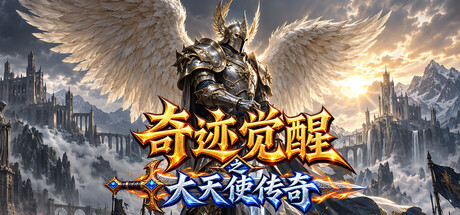 奇迹觉醒之大天使传奇 Store/marketing art | 用AI来辅助制作宣传素材 | 奇迹觉醒 | - | Oct 10, 2026 | |
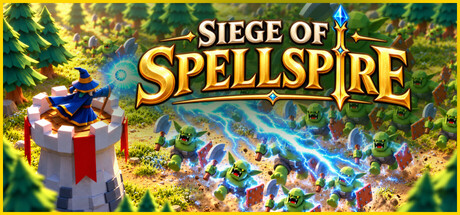 Siege of Spellspire Store/marketing art | Store page capsule art was made with the help of generative AI. | Weekend Almond | - | Oct 10, 2026 | |
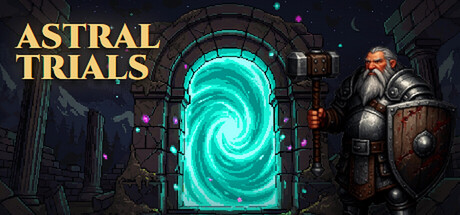 Astral Trials: Ascension In-game content artaudio | This game uses generative AI tools to assist in creating some content: pixel-art visuals (character, enemy, and card artwork, icons, and backgrounds) via PixelLab, and sound effects via ElevenLabs. All AI-assisted content was reviewed and curated by the developer before being included in the game. | Kyle- Ninjutsu Entertainment LLC | - | Oct 10, 2026 | |
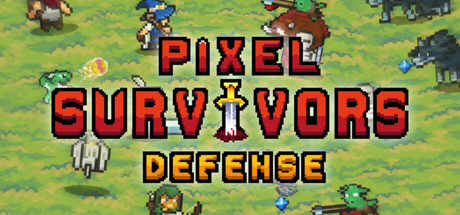 Pixel Survivors : Defense In-game content artaudiotext | Some item icons, sound effects and translations were created with the help of generative AI tools. | Amrita | - | Oct 9, 2026 | |
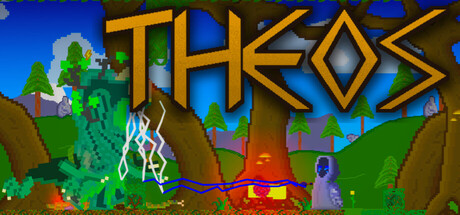 Theos In-game content artaudio | The music, most sound effects and a few sprites and icons were made with AI assistance and reviewed by the team. Store graphics were assembled with AI assistance from the team's own artwork. No AI generates content while you play. | OCoding | - | Oct 9, 2026 | |
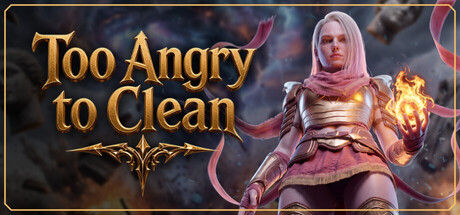 Too Angry to Clean Store/marketing text | AI tools were used to translate the store page text and some localizations. All in-game art, 3D models, animations, music and sound effects are not AI-generated. | Grim Page Studio | - | Oct 9, 2026 | |
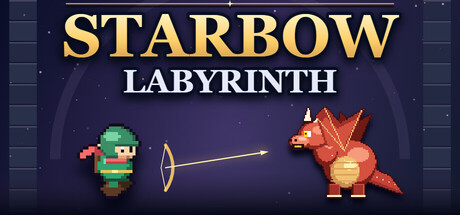 StarbowLabyrinth In-game content textart | AI tools assisted with localization, store-page text, and preparation of promotional artwork. This content is prepared in advance. The game does not use AI to generate content during gameplay or connect to external AI services. | jincycle | - | Oct 9, 2026 | |
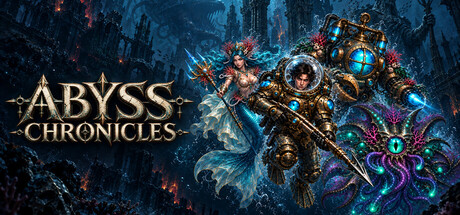 ABYSS CHRONICLES In-game content arttextaudio | AI-assisted tools were used during development to create and edit visual assets, including characters, equipment, creatures, environments, UI and store illustrations, and to assist with story text and localization. Music and sound effects were made using AI-assisted synthesis code and composition rules. The game uses prepared assets and predefined effects; it does not generate AI content or connect to generative AI services during play. | ZOOPITER Soft Corp. | - | Oct 9, 2026 | |
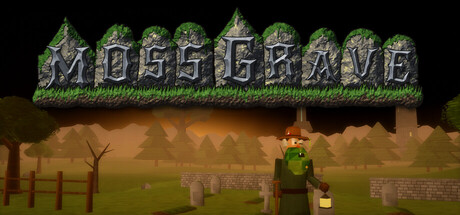 Mossgrave In-game content arttextcodeaudio | Mossgrave was built with an AI coding assistant, directed and reviewed by the developer. The AI wrote the game's code, including the procedural code that generates the 3D models, textures, pixel-art interface, music and sound effects. It also drafted the in-game text (dialogue, quest and item descriptions) and the text on this store page. Store images are captured from the game itself. No AI image or music generation models were used. The trailer's narration is an AI-generated voice; the game itself has no voice acting, and nothing is generated by AI while you play. | Biggietronics | - | Oct 9, 2026 | |
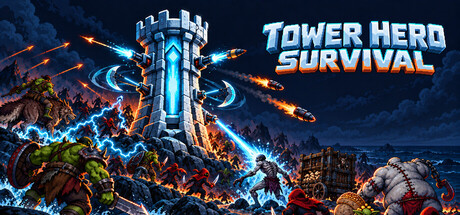 Tower Hero Survival In-game content artaudio | AI tools assisted with game development, particularly multiplayer systems, and with the creation of in-game artwork, animations, and music as well as store and marketing visuals, including the logo. | Polina Tingaeva | - | Oct 9, 2026 | |
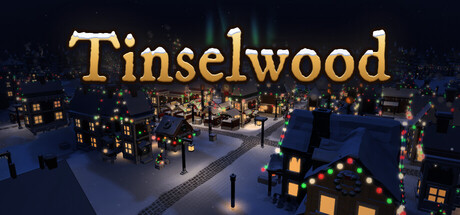 Tinselwood In-game content artaudiocode | Parts of Tinselwood were made with generative AI during development: its music and sound effects, its interface icons and store art, some of its set-piece models, and parts of its code. All of it was reviewed and reworked by hand, and nothing is generated while you play. | Clackety Rock LLC | - | Oct 9, 2026 | |
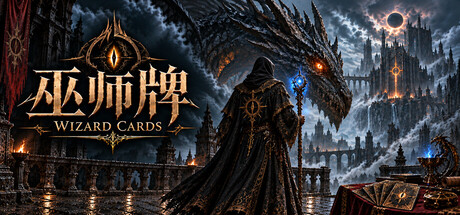 巫师牌《Wizard Cards》 In-game content artaudio | AI was used to create artwork, music, audio and store images. All content is pre-generated; no live AI or external AI services. | fj游界 | - | Oct 9, 2026 | |
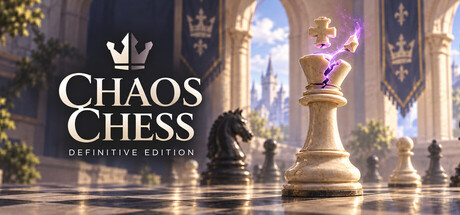 Chaos Chess Definitive Edition Store/marketing art | All game assets were manually designed in Blender by the developer. Only a small portion of pre-rendered artwork and cinematics involved AI. | Camis Publishers | - | Oct 9, 2026 | |
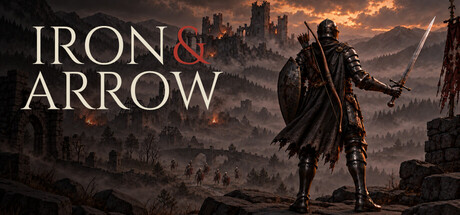 Iron & Arrow In-game content artaudiotext | Generative AI tools were used during development to create some artwork, 3D assets, music, sound effects and localization text. These assets are prepared before release. The game does not generate AI content during play or connect to external AI services. | Mevius Studio | - | Oct 9, 2026 | |
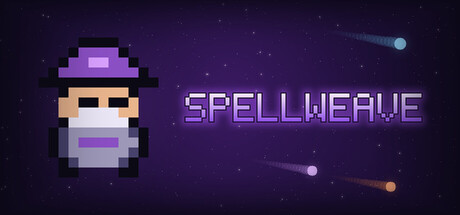 SpellWeave general | AI is used to aid in store page. | Josh Dillion | - | Oct 9, 2026 | |
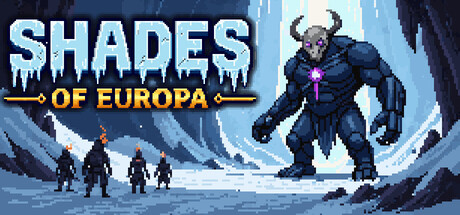 Shades of Europa In-game content artaudio | The art, sound effects and voicelines are AI generated. Ideally, if the game makes some amount of $ I will replace all AI generate content.
Read more about AI usage here: https://www.sdgames.co/blog/shades-of-europa-steam-page-and-demo | sirix | - | Oct 9, 2026 | |
 Daylight Line In-game content artcode | Generative AI assisted with some programming and debugging during the development of Daylight Line. Some in-game visual assets, including battle status icons, were also created with the assistance of generative AI and then processed and integrated by the development team. The game does not generate AI content during gameplay. | Windquill | - | Oct 9, 2026 | |
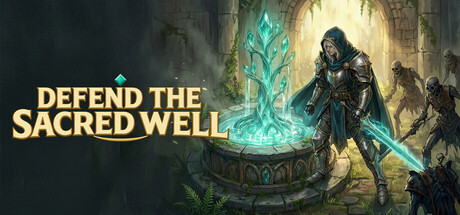 Defend the Sacred Well In-game content artaudio | Generative AI was used during development to create some 3D models, textures, artwork, music, and store marketing materials, including the cinematic teaser. These assets were prepared before release. The game does not generate AI content during play or connect to external AI services. | Yang | - | Oct 9, 2026 | |
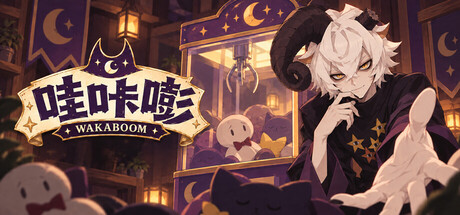 WAKABOOM Store/marketing art | This project includes promotional images generated by artificial intelligence and simple art elements | PAN JIA YU | - | Oct 9, 2026 |


