Public Steam disclosure research25,383 disclosures tracked
Where do games disclose AI use?
Search developers’ Steam disclosures, compare classified AI use across
games, and follow recorded changes.
This index adds cross-game classifications and statistics to
statements published on individual store pages.
Groups reflect automatic analysis of public disclosures; mature records are excluded. These counts do not measure AI use across all of Steam.
Missing or unclear statements cannot establish whether a game uses AI.
Generative AI tools were used in a limited capacity to assist with marketing materials and early concept visuals during development. All AI-assisted content was reviewed and approved by the development team. The final shipped game contains no generative AI content.
Generative AI was used during the development process to assist with code training and performance optimization. This application was strictly internal and for development efficiency, and did not directly generate any final game assets (art, sound, or text) that are shipped to players. All player-facing content in the game is originally created by our team.
This game utilizes a generative AI tool for the creation of its SE and localization.
The data was pre-rendered by the developer during the game's development and integrated as final game assets before release.
The game does not contain any features that generate content in real-time during gameplay. All content has been checked by the developer for compliance with the AI tool's commercial terms, and careful attention has been paid to avoid any copyright infringement or violation of general decency standards.
AI tools were used as a support during development.
- Assistance with coding and English localization
- Some character artwork was initially sketched by the developer, then refined using AI tools and further manually adjusted
All final content was reviewed and edited by the developer.
Character portraits, world objects, and background artwork utilize generative AI as a foundational base. However, every visual asset undergoes heavy, manual editing and refinement through multiple iterations by myself to achieve the game's specific art style.
Some visual assets in this game have been created with the assistance of AI tools, then refined and integrated to fit the artistic direction of the project.
All music featured in the game is original and performed by a real pianist, composed specifically to enhance the emotional experience.
Thunder Infinity was developed by a single person with no resources or financial support.
The artwork for the project was produced by generative AI under strict artistic guidelines.
In the future, if the game is well-received and sells well, a redesign by professional artists could be considered.
The game uses a generative AI model to evaluate the sentences players construct during verbal battles. The AI analyzes the player's input sentence for grammatical coherence and contextual appropriateness, and returns a grade (e.g., 'Good', 'Great', 'Excellent'). The raw AI output is not displayed to players — only the graded result affects gameplay. No AI-generated text, images, or audio is shown directly to the player.
This game uses generative AI tools as part of the creative process, primarily during the creation of certain visual and musical elements.
All assets have been manually edited, adapted and integrated by the developer to ensure artistic consistency and quality within the game.
AI image generation tools were used to create some promotional artwork and store page images. The game does not connect to any AI services or generate AI content during play.
AI disclosure: AI assistants were used during development to help write and refine the game's source code and to edit narrative text (board memos, news headlines, event copy). All AI-assisted output was reviewed, edited, and approved by a human before shipping.
All in-game visual art assets in this title — including item icons, equipment artwork, character portraits, story illustrations, and UI decorative elements (frames, icons, and background textures) — are produced using OpenAI's ChatGPT image generation and xAI's Grok image generation API as core tools within our ink-wash and gongbi-style art pipeline. Every generated asset is reviewed, curated, manually retouched, and compositionally adjusted by the developer before being incorporated into the game. No real person's likeness has been used.
The game's source code is written by the developer, Kevin Chen, with OpenAI Codex and Anthropic Claude Code used as coding assistants during development. In-game narrative and dialogue text are written by the developer, with portions assisted by Anthropic Claude for polishing and proofreading.
Some marketing assets for this game (capsule art) were created with the assistance of AI image generation tools. All gameplay content is procedurally generated by the NAGAS simulation engine — a custom-built system using deterministic algorithms, not generative AI.
This game incorporates generative AI to enhance visual storytelling and character depth in the following ways:
Video Content: A portion of the ending cinematic utilizes footage generated by Sora 2, which can be identified by its watermark.
Character Illustrations: Three soldier profile photos displayed within the Personnel Search Center were created using ChatGPT (DALL-E).
We have used these tools to supplement the creative vision of our team and ensure a more immersive atmosphere for our players.
This game uses pre-generated AI content for its Steam store capsules and some in-game audio elements. These tools were used to support the creative process and maintain the game's aesthetic consistency.
Generative AI was used solely as a supplementary tool for music composition and a small number of non-core textures (such as background patterns and decorative assets). All AI-assisted content has undergone significant manual refinement and human oversight to ensure it meets our artistic standards and visual style. AI was used only to enhance development efficiency; all core character designs, key art, and narrative elements remain 100% human-authored.
Our game uses pre-generated AI content exclusively for audio production. Specifically, we utilize generative AI tools to assist in the creation of our background music tracks and to generate voice-over (VO) dialogue for characters. All AI-assisted audio is pre-rendered during development and baked into the final game files. We do not use live-generated AI at runtime, and we do not use generative AI for visual artwork, 3D models, code, or the written narrative.
AI-assisted tools were used in the creation of some background images included in the game.
AI-assisted translation was also used for the English and Korean localization. The translated text was reviewed and adjusted during development.
There is no content generated by AI in real time during gameplay.
This game utilizes AI-assisted technologies in its development process. Generative AI was used to assist in writing code, refining localized text, and generating certain background ambient music and sound effects. Additionally, AI tools were used to help conceptualize and refine the unique "Shadow Puppetry" and "Ink-wash" artistic style assets to ensure a high-quality visual experience.
The game uses AI voice generation tools to create audio voiceovers for partial narrative texts and dialogue. All underlying text and story are originally created by the developer.
Steam page design and English localization - This is an unusual game. It consists of a huge amount of text. We couldn't translate it with a professional translator due to the enormous cost. Despite this, we really want as many people as possible to play our game. That's why we made the game free. We also hope that this game will become a great experience for our next game.
Visuals: We used generative AI tools (Midjourney, ComfyUI) to assist in creating background illustrations and concept art for characters. All AI-generated outputs were manually refined, overpainted, and edited by human artists to ensure visual consistency and quality.
Text: We utilized AI-powered translation tools to assist in localizing scripts and store page descriptions from Korean to English. All translated text was proofread and edited by a native speaker to maintain the narrative's tone and nuance.
I used AI tools (such as ChatGPT) to assist in writing scripts and optimizing the game code, which helped bridge the technical gap as an individual developer. Additionally, AI was used for English translation and proofreading to ensure a natural and high-quality narrative for global players.
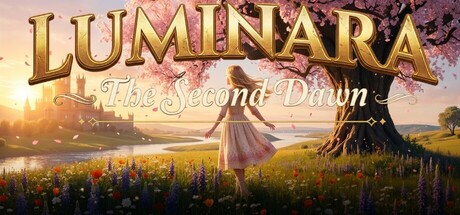
Luminara: The Second Dawn was created by a solo developer with the help of AI tools to bring the game to life. Every piece of content—art, music, story, and code—has been personally reviewed, curated, and directed by me to ensure it fits the game's vision and quality standards.
This game uses AI tools to assist in generating some art assets (card illustrations, character portraits, background images) and audio assets (background music, sound effects) during development. The game does not use any AI services at runtime and does not connect to any external AI APIs. All AI-generated content is completed during development. No AI generation is involved during gameplay.
This game uses generative AI tools in the creation of character illustrations, event CGs, UI icons, logos, and scripts. No real-time AI generation occurs during gameplay.
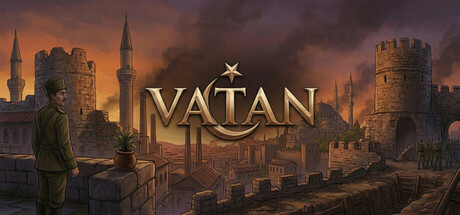
During the development of Vatan, generative AI tools were used exclusively during the visualization phase to create certain in-game artwork and store assets (such as store capsules). AI was not used in any other aspect of the game, such as coding, story writing, or audio design.
We highly value player choice. For players who prefer not to see AI-generated content, we have included a dedicated toggle in the settings menu. By selecting the 'Disable AI' option, players can easily turn off all AI-generated visuals in the game.
Generative AI tools were used in a limited capacity to assist with marketing materials and early concept visuals during development. All AI-assisted content was reviewed and approved by the development team. The final shipped game contains no generative AI content.
Generative AI was used during the development process to assist with code training and performance optimization. This application was strictly internal and for development efficiency, and did not directly generate any final game assets (art, sound, or text) that are shipped to players. All player-facing content in the game is originally created by our team.
This game utilizes a generative AI tool for the creation of its SE and localization.
The data was pre-rendered by the developer during the game's development and integrated as final game assets before release.
The game does not contain any features that generate content in real-time during gameplay. All content has been checked by the developer for compliance with the AI tool's commercial terms, and careful attention has been paid to avoid any copyright infringement or violation of general decency standards.
AI tools were used as a support during development.
- Assistance with coding and English localization
- Some character artwork was initially sketched by the developer, then refined using AI tools and further manually adjusted
All final content was reviewed and edited by the developer.
Character portraits, world objects, and background artwork utilize generative AI as a foundational base. However, every visual asset undergoes heavy, manual editing and refinement through multiple iterations by myself to achieve the game's specific art style.
Some visual assets in this game have been created with the assistance of AI tools, then refined and integrated to fit the artistic direction of the project.
All music featured in the game is original and performed by a real pianist, composed specifically to enhance the emotional experience.
Thunder Infinity was developed by a single person with no resources or financial support.
The artwork for the project was produced by generative AI under strict artistic guidelines.
In the future, if the game is well-received and sells well, a redesign by professional artists could be considered.
The game uses a generative AI model to evaluate the sentences players construct during verbal battles. The AI analyzes the player's input sentence for grammatical coherence and contextual appropriateness, and returns a grade (e.g., 'Good', 'Great', 'Excellent'). The raw AI output is not displayed to players — only the graded result affects gameplay. No AI-generated text, images, or audio is shown directly to the player.
This game uses generative AI tools as part of the creative process, primarily during the creation of certain visual and musical elements.
All assets have been manually edited, adapted and integrated by the developer to ensure artistic consistency and quality within the game.
AI image generation tools were used to create some promotional artwork and store page images. The game does not connect to any AI services or generate AI content during play.
AI disclosure: AI assistants were used during development to help write and refine the game's source code and to edit narrative text (board memos, news headlines, event copy). All AI-assisted output was reviewed, edited, and approved by a human before shipping.
All in-game visual art assets in this title — including item icons, equipment artwork, character portraits, story illustrations, and UI decorative elements (frames, icons, and background textures) — are produced using OpenAI's ChatGPT image generation and xAI's Grok image generation API as core tools within our ink-wash and gongbi-style art pipeline. Every generated asset is reviewed, curated, manually retouched, and compositionally adjusted by the developer before being incorporated into the game. No real person's likeness has been used.
The game's source code is written by the developer, Kevin Chen, with OpenAI Codex and Anthropic Claude Code used as coding assistants during development. In-game narrative and dialogue text are written by the developer, with portions assisted by Anthropic Claude for polishing and proofreading.
Some marketing assets for this game (capsule art) were created with the assistance of AI image generation tools. All gameplay content is procedurally generated by the NAGAS simulation engine — a custom-built system using deterministic algorithms, not generative AI.
This game incorporates generative AI to enhance visual storytelling and character depth in the following ways:
Video Content: A portion of the ending cinematic utilizes footage generated by Sora 2, which can be identified by its watermark.
Character Illustrations: Three soldier profile photos displayed within the Personnel Search Center were created using ChatGPT (DALL-E).
We have used these tools to supplement the creative vision of our team and ensure a more immersive atmosphere for our players.
This game uses pre-generated AI content for its Steam store capsules and some in-game audio elements. These tools were used to support the creative process and maintain the game's aesthetic consistency.
Generative AI was used solely as a supplementary tool for music composition and a small number of non-core textures (such as background patterns and decorative assets). All AI-assisted content has undergone significant manual refinement and human oversight to ensure it meets our artistic standards and visual style. AI was used only to enhance development efficiency; all core character designs, key art, and narrative elements remain 100% human-authored.
Our game uses pre-generated AI content exclusively for audio production. Specifically, we utilize generative AI tools to assist in the creation of our background music tracks and to generate voice-over (VO) dialogue for characters. All AI-assisted audio is pre-rendered during development and baked into the final game files. We do not use live-generated AI at runtime, and we do not use generative AI for visual artwork, 3D models, code, or the written narrative.
AI-assisted tools were used in the creation of some background images included in the game.
AI-assisted translation was also used for the English and Korean localization. The translated text was reviewed and adjusted during development.
There is no content generated by AI in real time during gameplay.
This game utilizes AI-assisted technologies in its development process. Generative AI was used to assist in writing code, refining localized text, and generating certain background ambient music and sound effects. Additionally, AI tools were used to help conceptualize and refine the unique "Shadow Puppetry" and "Ink-wash" artistic style assets to ensure a high-quality visual experience.
The game uses AI voice generation tools to create audio voiceovers for partial narrative texts and dialogue. All underlying text and story are originally created by the developer.
Steam page design and English localization - This is an unusual game. It consists of a huge amount of text. We couldn't translate it with a professional translator due to the enormous cost. Despite this, we really want as many people as possible to play our game. That's why we made the game free. We also hope that this game will become a great experience for our next game.
Visuals: We used generative AI tools (Midjourney, ComfyUI) to assist in creating background illustrations and concept art for characters. All AI-generated outputs were manually refined, overpainted, and edited by human artists to ensure visual consistency and quality.
Text: We utilized AI-powered translation tools to assist in localizing scripts and store page descriptions from Korean to English. All translated text was proofread and edited by a native speaker to maintain the narrative's tone and nuance.
I used AI tools (such as ChatGPT) to assist in writing scripts and optimizing the game code, which helped bridge the technical gap as an individual developer. Additionally, AI was used for English translation and proofreading to ensure a natural and high-quality narrative for global players.
Luminara: The Second Dawn was created by a solo developer with the help of AI tools to bring the game to life. Every piece of content—art, music, story, and code—has been personally reviewed, curated, and directed by me to ensure it fits the game's vision and quality standards.
This game uses AI tools to assist in generating some art assets (card illustrations, character portraits, background images) and audio assets (background music, sound effects) during development. The game does not use any AI services at runtime and does not connect to any external AI APIs. All AI-generated content is completed during development. No AI generation is involved during gameplay.
This game uses generative AI tools in the creation of character illustrations, event CGs, UI icons, logos, and scripts. No real-time AI generation occurs during gameplay.
During the development of Vatan, generative AI tools were used exclusively during the visualization phase to create certain in-game artwork and store assets (such as store capsules). AI was not used in any other aspect of the game, such as coding, story writing, or audio design.
We highly value player choice. For players who prefer not to see AI-generated content, we have included a dedicated toggle in the settings menu. By selecting the 'Disable AI' option, players can easily turn off all AI-generated visuals in the game.