








Disclosure
Generative AI was used to assist in creating a small number of icons.
- Creator
- IDfeng
- Reviews
- -
- Added
- Aug 28, 2026
Public Steam disclosure research 25,383 disclosures tracked
Search developers’ Steam disclosures, compare classified AI use across games, and follow recorded changes. This index adds cross-game classifications and statistics to statements published on individual store pages.
Code help, debugging and other development work.
Capsule art, trailers and promotional material.
Pre-made art, audio, writing and other game assets.
Interactive or runtime AI features disclosed by the developer.
Groups reflect automatic analysis of public disclosures; mature records are excluded. These counts do not measure AI use across all of Steam. Missing or unclear statements cannot establish whether a game uses AI.
Generative AI was used to assist in creating a small number of icons.
Close Enough was built with generative AI. The code, the in-game text, the level layouts and all seven translations were written by an AI assistant (Claude) working to the developer's direction, and most of what you see on screen — the objects, the whole interface — is drawn by that code rather than loaded from image files. The doodle recognition inside the game is not generative. It is a small image classifier bundled with the game, trained on Google's Quick, Draw! dataset of human-drawn doodles. It runs entirely on your own computer, sorts each drawing into one of 100 pre-defined objects and creates nothing. Your drawings are never uploaded, and the release build contains no code that could upload them. The sprites, tiles, music, sound effects and font are licensed assets made by people, not by AI. Every one of them is credited inside the game under Esc → Credits.
Este jogo foi desenvolvido por um único criador com o auxílio de Inteligência Artificial (IA) no processo de programação e na criação de alguns efeitos sonoros e áudios. Todas as artes, imagens, sprites e frames dentro do jogo foram criados inteiramente à mão, sem qualquer uso de IA.
All programming and game music (BGM) are generated by AI.
Generative AI is used in a supplementary capacity, at two points. First, as a drafting step for some of the game's 2D illustrations: every such asset is then rebuilt through our own production pipeline — reduced to a strict 1-bit black-and-white format, curated, and animated frame by frame with in-house tools — so that it matches our art direction. Second, the game is written in French, and its translations into the eight other supported languages are AI-assisted. No generative AI runs in the game itself: all content ships fixed with the build.
AI-enabled tools were used during development to assist with asset creation. Some visual and audio assets in the finished game incorporate AI-assisted or AI-generated source material. For more information, visit https://jetgrave.com/ai-use/
I’m a solo developer doing my first-ever coding project. With no prior coding experience, I relied heavily on tons of tutorials to write the code and used AI to assist when troubleshooting some bugs. I also used AI to generate some of the project's visual content and images but mainly tried to use actual human work. It's been a massive learning experience, so thanks for your time, and I hope you can enjoy my project :)
AI tools were used in a limited way during development to assist with certain aspects of the game's creation. AI was mainly used for occasional assistance and brainstorming, while the majority of the game's design, development, artwork, and content were created and directed by the developer.
AI was used for programming and helping with translation of the game for other languages than Polish.
We used generative AI tools during development to help create pre-rendered assets: part of the visual art (environments, buildings, characters and interface elements), the music, and store page artwork. All AI-generated content was reviewed, edited and assembled by us. Generative AI is not used at runtime — the game generates no AI content while you play.
All art, music, and sound in TOWERPUNK are original to this project, produced by procedural code written specifically for the game. None of it is derived from generative media models. AI coding assistants were used during development to help write the game's source code and some functional interface text (menu labels, status readouts). All narrative and creative writing is authored by the developer.
This game contains AI-generated content, including images and audio. All AI-generated content was pre-generated. No generative AI is used during gameplay.
Some art assets in the game and on the store page (story character portraits, some icons, backgrounds, and capsule images) were created with AI image generation tools, then manually curated and edited by the developer. All gameplay, code, and written story content is human-made. No AI content is generated at runtime.
Certain graphical assets, such as the game’s loading-screen images, were generated using AI.
Generative AI was used to translate (localize) the original Korean text into other languages. The original text was written by the development team, and the AI translations were reviewed before use.
This game makes limited, supplementary use of generative AI tools during development. The primary uses are programming assistance (such as debugging), certain image and audio assets, and assistance with translating text into English. Generated image and audio assets are not used as-is. The development team reviews their content and makes additions, revisions, edits, and other adjustments to ensure that they are appropriately refined and fit the game. For text translated with the assistance of generative AI, the development team reviews the context and content and makes any necessary revisions before using it in the game. Please note that generative AI does not generate any game content during gameplay.
Some sprites started as AI-generated references before being rebuilt in the game's palette and resolution. All English writing is my own; the other nine languages are machine translated. No AI runs in the game itself. Nothing is generated while you play, and it never connects to an AI service.
Some of the placeholder unit and terrain sprites that I'm using while the game is in development were generated with the help of AI (with a lot of manual curation and editing... I promise that you will not be confronted by any noticeably ugly slop). Initial sales will contribute toward creating hand-drawn, unique sprites for as many units as possible.
Some of Card Slay's pre-generated content was created with the help of generative AI tools and then reviewed and finished by hand. No content is generated by AI during gameplay.
This game's music was created with the assistance of generative AI. The interface and Enemy Guide text were also translated into multiple languages with AI assistance, alongside human review. No AI-generated artwork or gameplay code ships in the final game.
Some pre-rendered assets were created with generative AI tools and then curated, edited and integrated by hand: music tracks and their cover art, some sound effects and portions of 2d artwork (weapon, prop, and enemy sprites.) All generated content was reviewed by the developer before inclusion. No content is AI-generated at runtime.
Standard C++ game code, written during development with the assistance of an AI programming assistant, used as a pair-programming tool. This includes gameplay systems (crafting, inventory, world simulation), rendering and UI code, and development tooling. It is ordinary, static game logic. AI assistance was used only during development, directed by myself through specific requests, with every change reviewed, tested, and committed to version control by myself. The shipped game contains no AI models and does not execute or generate any code or content via AI at runtime. The game is a fully offline, single-player experience.
AI was used to assist with writing the game source code. All visual assets are handmade pixel art by the author. All audio assets are licensed from 3rd party sample banks.
Generative AI was used for programming assistance and to create some BGM. The generated music was edited and remastered by the developer. All visual assets were created manually without generative AI. No live-generated AI is used during gameplay.
During development we used generative AI tools to create the some of this game's assets. This includes 2D art and audios. All AI-generated assets were produced during development, reviewed by us, and ship as fixed files in the build. Some were hand-edited, recoloured, composited or retimed afterwards. Game code, design, writing and dialogue are authored by us.
Game creatives and descriptions for Steam Store were created with AI support.
There is no AI-generated art or audio anywhere in this game. Every sprite, animation and character design is hand-drawn by me. The game has no audio at all, and the music in the trailer is my own work too. Nothing is generated while the game runs, and it never connects to an AI service. AI was used to help with text, in three places. The store page description and short description, in all 11 languages. Translating the interface labels into the 10 languages other than English. There are only 24 strings in the whole game and no prose of any kind: 11 are labels like "Clear all" and "Cancel", and the other 13 are bird names, which are the real common names of each species, looked up per language rather than made up. Some of our Steam community and marketing posts. Chinese (both) I checked myself, and Japanese was checked at N2. Korean, Spanish, Russian, Brazilian Portuguese and German have not been checked by a native speaker.
Translations for the game are generated with the help of artificial intelligence.
The localization for this game in languages other than English uses AI translations.
Placeholder art assets for the demo are ai-generated, but will be replaced with human art at the earliest reasonable opportunity.
Generative AI was used during development as a coding assistant and to assist with drafting and translating store-page and marketing text. Some pixel-art assets were rendered by deterministic drawing code written with AI assistance; the final images were not directly output by a text-to-image or diffusion model. All shipped and published content was reviewed and edited by the developer. No generative AI runs in the game, and no content is generated from player input.
Some images and content powered by generative artificial intelligence.
Generative AI was used during development as a coding assistant and to assist with drafting and translating store-page and marketing text. Some pixel-art assets were rendered by deterministic drawing code written with AI assistance; the final images were not directly output by a text-to-image or diffusion model. All shipped and published content was reviewed and edited by the developer. No generative AI runs in the game, and no content is generated from player input.
Pixel art assets (characters, monsters, bosses, projectiles, spirits, tiles) were created with PixelLab, an AI pixel-art tool, and then edited by hand to fit the game. No AI is used at runtime. All code, game design, sound effects and music are human-authored (audio is synthesized in code).
Generative AI was used in the creation of some artwork and music. No content is generated by AI during gameplay.
The Steam graphics and promotional visuals were made using AI. However, no AI was used for any of the in-game designs or assets.
All artwork (characters, monsters, environments, visual effects) and much of the game's code were created with generative AI tools. No content is AI-generated while the game runs.
AI was used for inspiration in logos and lore refinement.
This game uses generative AI tools in the creation of some of its pre-rendered content, including parts of its artwork and store page assets. All AI-assisted material was reviewed, edited, and approved by the development team before being included in the final product. No content is generated by AI during gameplay, and the game does not connect to any external AI service while running.
The pixel art in Taskforge — character and enemy sprites, animation frames, item and UI icons, scenery pieces and the game's emblem — was produced with the help of an AI image generation tool during development. Every generated asset was reviewed, selected, edited and assembled by hand, and ships as a fixed image file. Nothing is generated while you play: the game contains only static assets and never calls an AI service at runtime. Code, game design, balance data and all written text were made by the developer.
Skill icons, character portraits, and similar assets were generated using AI. All other content was created manually.
Generative AI tools were used during development to assist with selected 2D and 3D visual assets, sounds, localization, and marketing materials. All AI-assisted content was reviewed, edited, and integrated by the developer to ensure consistency with the game's visual style and intended design.
Some pre-generated visual and audio assets used in TOWERPULSE were created with the assistance of generative AI tools during development. These assets were selected, edited, and integrated by the developer. TOWERPULSE does not use generative AI at runtime. No player prompts, gameplay content, dialogue, or other assets are generated live while the game is running.
The pixel art in this game was created with an AI image generation tool (Pixellab). Generated art is never used as-is: the style, proportions and palette standards are set by a human, every sprite is reviewed by eye, and anything off-standard is rejected and redone. Grounding, animation continuity and color consistency are likewise human-checked before adoption. Game design, balance and specification decisions are made by a human. AI-assisted tools are also used in the development process. Nothing is generated by AI at runtime (pre-generated content only).
Generative AI tools were used during development to assist with certain pre-generated visual elements and sequences in the game. All such materials were reviewed, selected, edited, and integrated into the final video content by the Dev team. The game’s narrative, interactive structure, gameplay logic, and final presentation are created and controlled by the Dev team. No generative AI is used during gameplay, and no content is generated dynamically for players.
Some of this game's assets were made with the assistance of generative AI tools and were reviewed, curated and hand-finished by the developer. No content is generated while you play.
AI-assisted translation tools are used to help localize this game's text for international audiences, including English and any additional languages added in the future. No AI-generated content is used for graphics, sound, or narrative/story content.
This game heavily uses generative AI to generate the initial world and direct events and experiences for the player in real time.
Generative AI Disclosure: During the development of Farm Idle, generative AI tools were utilized to assist with creating and conceptualizing some 2D UI icons, menu graphics, and localized text. All generated assets were reviewed, cleaned, edited, and integrated by the development team to fit the game's pixel-art aesthetic. No AI content is generated in real-time while playing the game.
AI generated mood pictures, atmosphere, characters, some background images
| Title⇅ | Disclosure | Creator⇅ | Src | Reviews⇅ | Added↓ |
|---|---|---|---|---|---|
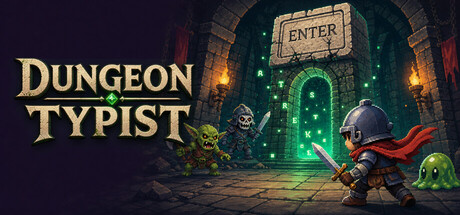 Dungeon Typist In-game content art | Generative AI was used to assist in creating a small number of icons. | IDfeng | - | Aug 28, 2026 | |
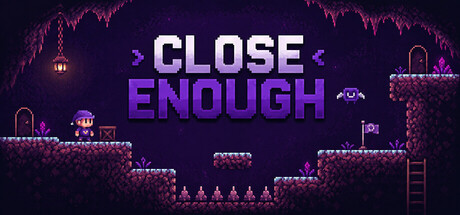 Close Enough In-game content arttextcode | Close Enough was built with generative AI. The code, the in-game text, the level layouts and all seven translations were written by an AI assistant (Claude) working to the developer's direction, and most of what you see on screen — the objects, the whole interface — is drawn by that code rather than loaded from image files.
The doodle recognition inside the game is not generative. It is a small image classifier bundled with the game, trained on Google's Quick, Draw! dataset of human-drawn doodles. It runs entirely on your own computer, sorts each drawing into one of 100 pre-defined objects and creates nothing. Your drawings are never uploaded, and the release build contains no code that could upload them.
The sprites, tiles, music, sound effects and font are licensed assets made by people, not by AI. Every one of them is credited inside the game under Esc → Credits. | dodnd | - | Aug 28, 2026 | |
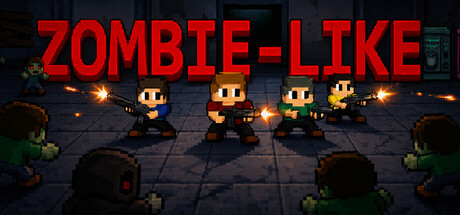 Zombie-Like In-game content audiocode | Este jogo foi desenvolvido por um único criador com o auxílio de Inteligência Artificial (IA) no processo de programação e na criação de alguns efeitos sonoros e áudios.
Todas as artes, imagens, sprites e frames dentro do jogo foram criados inteiramente à mão, sem qualquer uso de IA. | code_1s1k | - | Aug 28, 2026 | |
 Nozile In-game content codeaudio | All programming and game music (BGM) are generated by AI. | Masanori Chida | - | Aug 28, 2026 | |
 Randventure In-game content arttext | Generative AI is used in a supplementary capacity, at two points. First, as a drafting step for some of the game's 2D illustrations: every such asset is then rebuilt through our own production pipeline — reduced to a strict 1-bit black-and-white format, curated, and animated frame by frame with in-house tools — so that it matches our art direction. Second, the game is written in French, and its translations into the eight other supported languages are AI-assisted. No generative AI runs in the game itself: all content ships fixed with the build. | Epreyn | - | Aug 28, 2026 | |
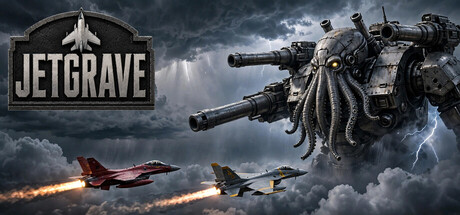 JETGRAVE In-game content artaudio | AI-enabled tools were used during development to assist with asset creation. Some visual and audio assets in the finished game incorporate AI-assisted or AI-generated source material. For more information, visit https://jetgrave.com/ai-use/ | Losers And Nerds Party LLC | - | Aug 28, 2026 | |
 SILENT TRACKS Dev only art | I’m a solo developer doing my first-ever coding project. With no prior coding experience, I relied heavily on tons of tutorials to write the code and used AI to assist when troubleshooting some bugs. I also used AI to generate some of the project's visual content and images but mainly tried to use actual human work. It's been a massive learning experience, so thanks for your time, and I hope you can enjoy my project :) | POLLO LABs | - | Aug 28, 2026 | |
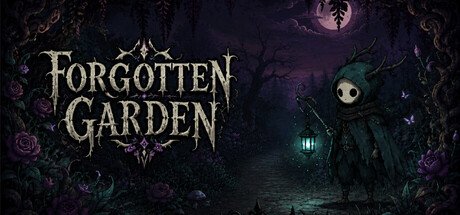 Forgotten Garden Dev only | AI tools were used in a limited way during development to assist with certain aspects of the game's creation. AI was mainly used for occasional assistance and brainstorming, while the majority of the game's design, development, artwork, and content were created and directed by the developer. | Sontex Studios | - | Aug 28, 2026 | |
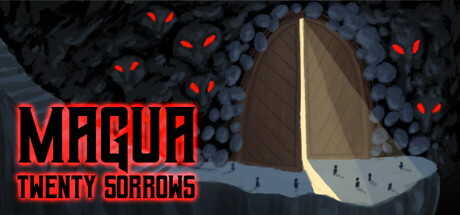 Magua: Twenty Sorrows In-game content textcode | AI was used for programming and helping with translation of the game for other languages than Polish. | Magua Games | - | Aug 28, 2026 | |
 A Vila Sobre o Poço In-game content artaudio | We used generative AI tools during development to help create pre-rendered assets: part of the visual art (environments, buildings, characters and interface elements), the music, and store page artwork. All AI-generated content was reviewed, edited and assembled by us. Generative AI is not used at runtime — the game generates no AI content while you play. | STREAM ON | - | Aug 28, 2026 | |
 TOWERPUNK Dev only codetext | All art, music, and sound in TOWERPUNK are original to this project, produced by procedural code written specifically for the game. None of it is derived from generative media models. AI coding assistants were used during development to help write the game's source code and some functional interface text (menu labels, status readouts). All narrative and creative writing is authored by the developer. | TESSERAX GAMES | - | Aug 28, 2026 | |
 Sand Bingo In-game content artaudio | This game contains AI-generated content, including images and audio.
All AI-generated content was pre-generated.
No generative AI is used during gameplay. | Naihoby | - | Aug 28, 2026 | |
 Just a Rescue, Bro! In-game content art | Some art assets in the game and on the store page (story character portraits, some icons, backgrounds, and capsule images) were created with AI image generation tools, then manually curated and edited by the developer. All gameplay, code, and written story content is human-made. No AI content is generated at runtime. | XiLing Games | - | Aug 28, 2026 | |
 Abyssal Descent In-game content art | Certain graphical assets, such as the game’s loading-screen images, were generated using AI. | Trident Studio | - | Aug 28, 2026 | |
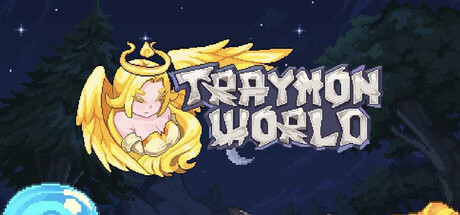 Traymon World: Taskbar Monster RPG In-game content text | Generative AI was used to translate (localize) the original Korean text into other languages. The original text was written by the development team, and the AI translations were reviewed before use. | Kniv Studio Co., Ltd. | - | Aug 28, 2026 | |
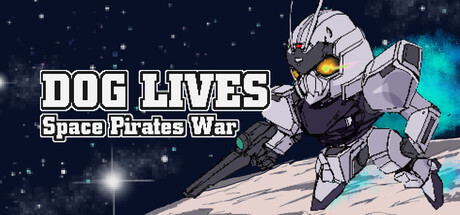 DOG LIVES: Space Pirates War In-game content artaudiotext | This game makes limited, supplementary use of generative AI tools during development. The primary uses are programming assistance (such as debugging), certain image and audio assets, and assistance with translating text into English.
Generated image and audio assets are not used as-is. The development team reviews their content and makes additions, revisions, edits, and other adjustments to ensure that they are appropriately refined and fit the game.
For text translated with the assistance of generative AI, the development team reviews the context and content and makes any necessary revisions before using it in the game. Please note that generative AI does not generate any game content during gameplay. | Space Corgi Games | - | Aug 28, 2026 | |
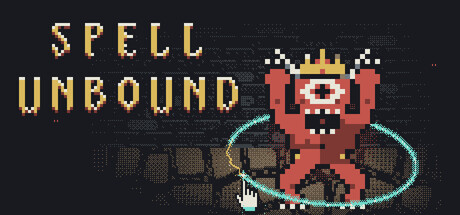 Spell Unbound In-game content arttext | Some sprites started as AI-generated references before being rebuilt in the game's palette and resolution. All English writing is my own; the other nine languages are machine translated. No AI runs in the game itself. Nothing is generated while you play, and it never connects to an AI service. | Alk Games | - | Aug 28, 2026 | |
 Steel Company In-game content art | Some of the placeholder unit and terrain sprites that I'm using while the game is in development were generated with the help of AI (with a lot of manual curation and editing... I promise that you will not be confronted by any noticeably ugly slop).
Initial sales will contribute toward creating hand-drawn, unique sprites for as many units as possible. | Gyr Software | - | Aug 28, 2026 | |
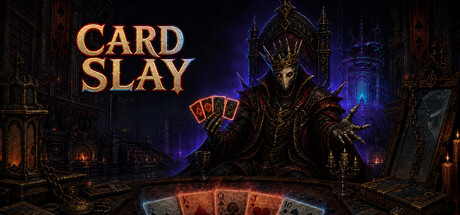 Card Slay In-game content arttext | Some of Card Slay's pre-generated content was created with the help of generative AI tools and then reviewed and finished by hand. No content is generated by AI during gameplay. | Vibe Apps LLC | - | Aug 28, 2026 | |
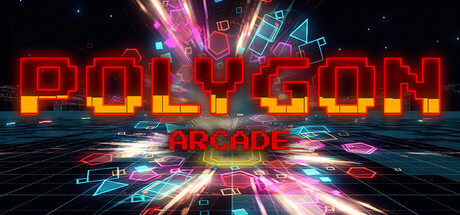 Polygon Arcade In-game content audiotext | This game's music was created with the assistance of generative AI. The interface and Enemy Guide text were also translated into multiple languages with AI assistance, alongside human review. No AI-generated artwork or gameplay code ships in the final game. | Daniel Korican | - | Aug 28, 2026 | |
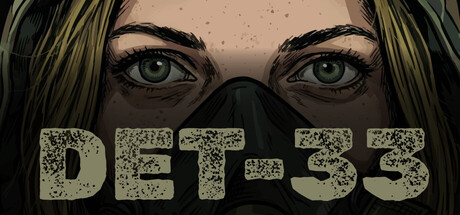 DET-33 In-game content artaudio | Some pre-rendered assets were created with generative AI tools and then curated, edited and integrated by hand: music tracks and their cover art, some sound effects and portions of 2d artwork (weapon, prop, and enemy sprites.) All generated content was reviewed by the developer before inclusion. No content is AI-generated at runtime. | Twinspear | - | Aug 28, 2026 | |
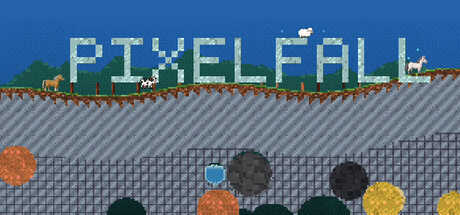 PixelFall Dev only code | Standard C++ game code, written during development with the assistance of an AI programming assistant, used as a pair-programming tool. This includes gameplay systems (crafting, inventory, world simulation), rendering and UI code, and development tooling. It is ordinary, static game logic.
AI assistance was used only during development, directed by myself through specific requests, with every change reviewed, tested, and committed to version control by myself.
The shipped game contains no AI models and does not execute or generate any code or content via AI at runtime. The game is a fully offline, single-player experience. | Miguel Benavides | - | Aug 28, 2026 | |
 One More Wave Dev only code | AI was used to assist with writing the game source code.
All visual assets are handmade pixel art by the author.
All audio assets are licensed from 3rd party sample banks. | Juha Kiili | - | Aug 28, 2026 | |
 DevilCompany In-game content audio | Generative AI was used for programming assistance and to create some BGM. The generated music was edited and remastered by the developer. All visual assets were created manually without generative AI. No live-generated AI is used during gameplay. | minimir | - | Aug 28, 2026 | |
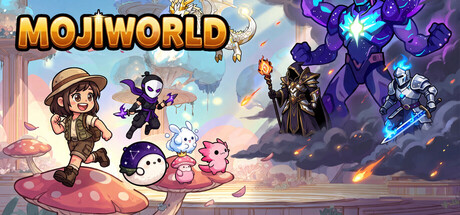 Mojiworld In-game content artaudio | During development we used generative AI tools to create the some of this game's assets. This includes 2D art and audios. All AI-generated assets were produced during development, reviewed by us, and ship as fixed files in the build. Some were hand-edited, recoloured, composited or retimed afterwards. Game code, design, writing and dialogue are authored by us. | Moji-studios | - | Aug 28, 2026 | |
 Hunters Origin Store/marketing text | Game creatives and descriptions for Steam Store were created with AI support. | BoomBit | - | Aug 28, 2026 | |
 Birch In-game content text | There is no AI-generated art or audio anywhere in this game. Every sprite, animation and character design is hand-drawn by me. The game has no audio at all, and the music in the trailer is my own work too. Nothing is generated while the game runs, and it never connects to an AI service.
AI was used to help with text, in three places.
The store page description and short description, in all 11 languages.
Translating the interface labels into the 10 languages other than English. There are only 24 strings in the whole game and no prose of any kind: 11 are labels like "Clear all" and "Cancel", and the other 13 are bird names, which are the real common names of each species, looked up per language rather than made up.
Some of our Steam community and marketing posts.
Chinese (both) I checked myself, and Japanese was checked at N2. Korean, Spanish, Russian, Brazilian Portuguese and German have not been checked by a native speaker. | ANYMACTION STUDIO | - | Aug 28, 2026 | |
 Paragon's Hand In-game content text | Translations for the game are generated with the help of artificial intelligence. | Myriad Tales | - | Aug 27, 2026 | |
 Hippo Hop In-game content text | The localization for this game in languages other than English uses AI translations. | Hyperreality Entertainment | - | Aug 26, 2026 | |
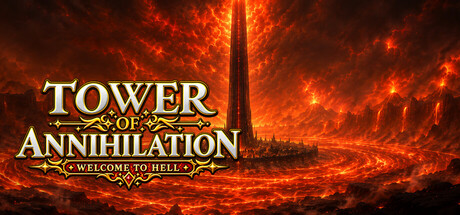 Tower of Annihilation: Welcome to Hell In-game content art | Placeholder art assets for the demo are ai-generated, but will be replaced with human art at the earliest reasonable opportunity. | Aaron Clark | - | Aug 26, 2026 | |
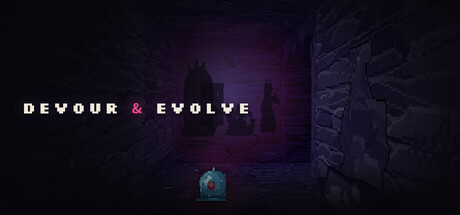 Devour & Evolve Dev only textcode | Generative AI was used during development as a coding assistant and to assist with drafting and translating store-page and marketing text. Some pixel-art assets were rendered by deterministic drawing code written with AI assistance; the final images were not directly output by a text-to-image or diffusion model. All shipped and published content was reviewed and edited by the developer. No generative AI runs in the game, and no content is generated from player input. | sasoriken-games | - | Aug 26, 2026 | |
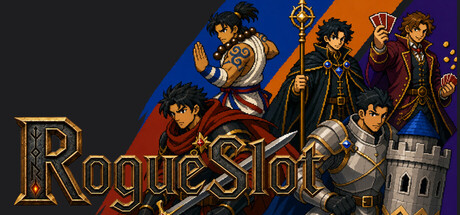 RogueSlot Unclear art | Some images and content powered by generative artificial intelligence. | appointed. | - | Aug 26, 2026 | |
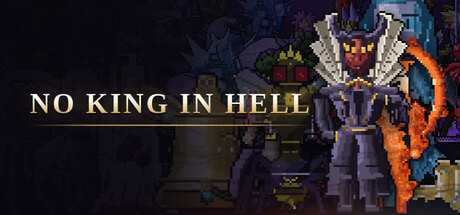 NO KING IN HELL Dev only textcode | Generative AI was used during development as a coding assistant and to assist with drafting and translating store-page and marketing text. Some pixel-art assets were rendered by deterministic drawing code written with AI assistance; the final images were not directly output by a text-to-image or diffusion model. All shipped and published content was reviewed and edited by the developer. No generative AI runs in the game, and no content is generated from player input. | sasoriken-games | - | Aug 26, 2026 | |
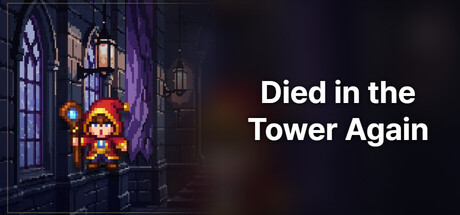 Died in the Tower Again In-game content art | Pixel art assets (characters, monsters, bosses, projectiles, spirits, tiles) were created with PixelLab, an AI pixel-art tool, and then edited by hand to fit the game. No AI is used at runtime. All code, game design, sound effects and music are human-authored (audio is synthesized in code). | BANANAK | - | Aug 26, 2026 | |
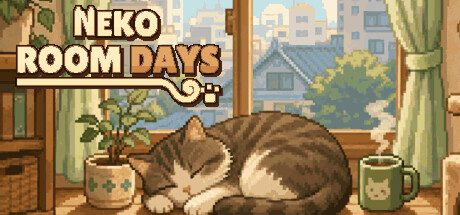 ねこ部屋日和 In-game content artaudio | Generative AI was used in the creation of some artwork and music. No content is generated by AI during gameplay. | Icycozy Games | - | Aug 26, 2026 | |
 Dicepot Store/marketing art | The Steam graphics and promotional visuals were made using AI. However, no AI was used for any of the in-game designs or assets. | Unmei Studio | - | Aug 26, 2026 | |
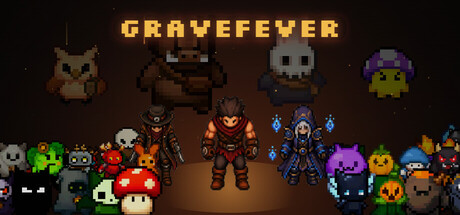 Gravefever In-game content artcode | All artwork (characters, monsters, environments, visual effects) and much of the game's code were created with generative AI tools. No content is AI-generated while the game runs. | Rinami | - | Aug 26, 2026 | |
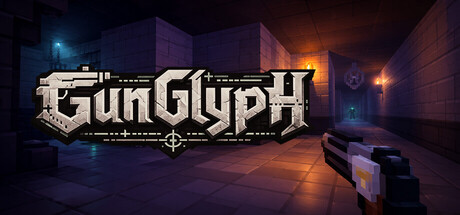 GunGlyph Unclear arttext | AI was used for inspiration in logos and lore refinement. | Aspect Digital Software Ltd | - | Aug 26, 2026 | |
 Mudang In-game content art | This game uses generative AI tools in the creation of some of its pre-rendered content, including parts of its artwork and store page assets. All AI-assisted material was reviewed, edited, and approved by the development team before being included in the final product. No content is generated by AI during gameplay, and the game does not connect to any external AI service while running. | Berrybell Games | - | Aug 26, 2026 | |
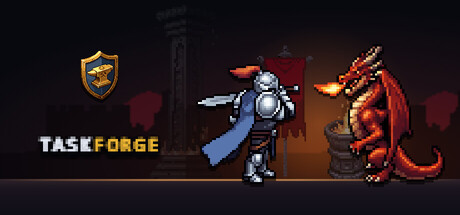 Taskforge In-game content art | The pixel art in Taskforge — character and enemy sprites, animation frames, item and UI icons, scenery pieces and the game's emblem — was produced with the help of an AI image generation tool during development. Every generated asset was reviewed, selected, edited and assembled by hand, and ships as a fixed image file. Nothing is generated while you play: the game contains only static assets and never calls an AI service at runtime. Code, game design, balance data and all written text were made by the developer. | Marcos Araponga | - | Aug 26, 2026 | |
 星海余烬:联合舰队 In-game content art | Skill icons, character portraits, and similar assets were generated using AI. All other content was created manually. | SOT烈 | - | Aug 26, 2026 | |
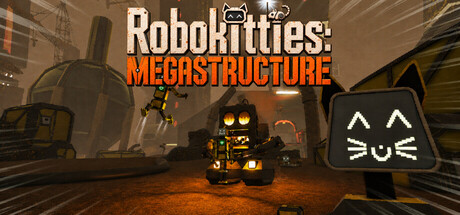 Robokitties: MEGASTRUCTURE In-game content artaudiotext | Generative AI tools were used during development to assist with selected 2D and 3D visual assets, sounds, localization, and marketing materials.
All AI-assisted content was reviewed, edited, and integrated by the developer to ensure consistency with the game's visual style and intended design. | Artem Dreadwire | - | Aug 26, 2026 | |
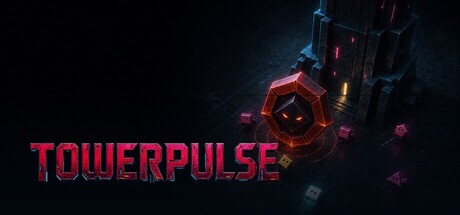 TOWERPULSE In-game content artaudio | Some pre-generated visual and audio assets used in TOWERPULSE were created with the assistance of generative AI tools during development. These assets were selected, edited, and integrated by the developer.
TOWERPULSE does not use generative AI at runtime. No player prompts, gameplay content, dialogue, or other assets are generated live while the game is running. | Greg HAT | - | Aug 26, 2026 | |
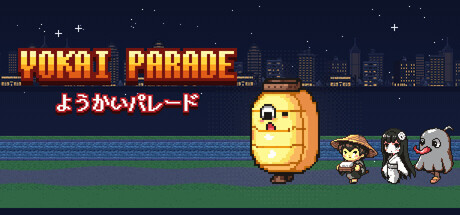 Yokai Parade In-game content art | The pixel art in this game was created with an AI image generation tool (Pixellab).
Generated art is never used as-is: the style, proportions and palette standards are set by a human,
every sprite is reviewed by eye, and anything off-standard is rejected and redone. Grounding,
animation continuity and color consistency are likewise human-checked before adoption.
Game design, balance and specification decisions are made by a human. AI-assisted tools are also
used in the development process.
Nothing is generated by AI at runtime (pre-generated content only). | CITTA FOX | - | Aug 26, 2026 | |
 The Lies: Impostor Heiress In-game content art | Generative AI tools were used during development to assist with certain pre-generated visual elements and sequences in the game. All such materials were reviewed, selected, edited, and integrated into the final video content by the Dev team. The game’s narrative, interactive structure, gameplay logic, and final presentation are created and controlled by the Dev team.
No generative AI is used during gameplay, and no content is generated dynamically for players. | Zhejiang Versatile Media Co., Ltd. | - | Aug 26, 2026 | |
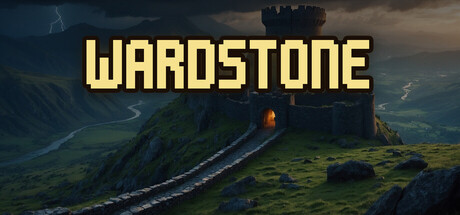 Wardstone In-game content art | Some of this game's assets were made with the assistance of generative AI tools and were reviewed, curated and hand-finished by the developer. No content is generated while you play. | Meridian Studios | - | Aug 25, 2026 | |
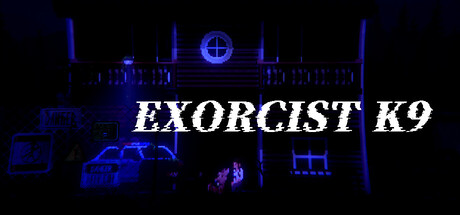 EXORCIST K9 In-game content text | AI-assisted translation tools are used to help localize this game's text for international audiences, including English and any additional languages added in the future.
No AI-generated content is used for graphics, sound, or narrative/story content. | EXEX Games | - | Aug 25, 2026 | |
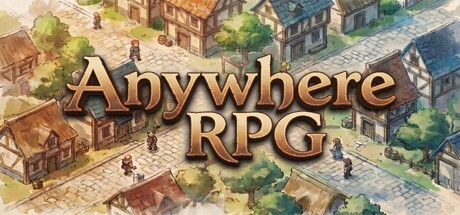 Anywhere RPG Live AI arttext | This game heavily uses generative AI to generate the initial world and direct events and experiences for the player in real time. | Max Loh | - | Aug 25, 2026 | |
 Farmbound In-game content arttext | Generative AI Disclosure: During the development of Farm Idle, generative AI tools were utilized to assist with creating and conceptualizing some 2D UI icons, menu graphics, and localized text. All generated assets were reviewed, cleaned, edited, and integrated by the development team to fit the game's pixel-art aesthetic. No AI content is generated in real-time while playing the game. | North Coast Studio | - | Aug 25, 2026 | |
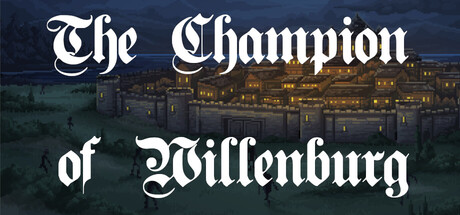 Der Champion von Willenburg In-game content art | AI generated mood pictures, atmosphere, characters, some background images | Dark Ninja Alien Goat Mother | - | Aug 25, 2026 |


