Public Steam disclosure research25,376 disclosures tracked
Where do games disclose AI use?
Search developers’ Steam disclosures, compare classified AI use across
games, and follow recorded changes.
This index adds cross-game classifications and statistics to
statements published on individual store pages.
Groups reflect automatic analysis of public disclosures; mature records are excluded. These counts do not measure AI use across all of Steam.
Missing or unclear statements cannot establish whether a game uses AI.
Generative AI was used only for localization. As a solo developer, I used AI tools to translate the game's text into other languages, which would not have been possible for me otherwise. All artwork, audio, and gameplay content were created without generative AI.
This game’s store page text has been translated into multiple languages with the assistance of AI translation tools. We review and adjust translations manually.
The character, hat, background and icon artwork in the game, and the artwork on this store page, were created with AI image generation and then selected, cut out and adjusted by the developer. In-game text and translations were written with the help of AI tools. Nothing is generated by AI while you play.
Luckforge was made with the help of generative AI tools, selected and directed by the developer. The title-screen and battle backdrops were generated from our own layout briefs and screenshots, then converted to the game's pixel grid and colour palette. The pixel sprites, in-game text, translations and store text were created with AI assistance. Some promotional materials use AI-generated art or music. Nothing is generated by AI while you play.
Game text translations and parts of the store page and marketing text were created with AI assistance. All art, music and sound effects are made without generative AI.
Generative AI was used during development to help create some in-game visual assets, store and promotional artwork, and store description text and translations. These materials were generated in advance.
Some of the game's artwork (cards, bosses, mascot, icons) and music were initially created with generative AI tools, then reworked, edited and integrated by the developer. All code, game design, writing and balancing were made by the developer. No content is generated by AI while the game is running.
AI tools were used during development to create the pixel art, the game's text and promotional images. Pawnbroke does not generate AI content during gameplay.
AI tools helped during development with the concept mocks, UI layout drafts and the store artwork. All of it was directed, chosen and refined by the developer. The in-game sprites, characters, levels and game design are mixed of AI tools generated, others were hand-made or from licensed asset packs. Some code was written with an AI coding assistant and then reviewed and tested by the developer.
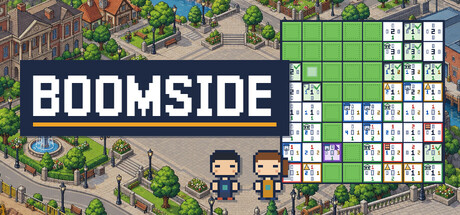
Boomside's background artwork, including the title-screen city and the district backgrounds, was created with the help of generative AI image tools. The developer then selected, edited and integrated it into the game. The game does not use AI to generate any content while you play.
The core art direction and a portion of the artwork were hand-drawn by the developer, and AI was used to produce additional assets in a matching style, which were then reviewed, edited and integrated by hand. The game's music was generated with AI tools. No AI content is generated live while the game is running.
AI tools assisted in creating and revising the ending illustrations, narrative and explanatory text, English localization, and some visuals and sound effects produced through code. AI tools also assisted with store descriptions and promotional artwork. The game contains fixed, completed content and does not generate new content or connect to external AI services during play.
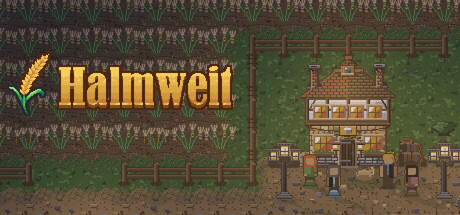
Halmweit is a one-person project, and I've had a little help from some tools along the way. AI helped with writing and translating the texts and with programming. What goes into the game is my decision. The music was written by hand by a composer. While you play, the game doesn't generate anything with AI.
Generative AI was used to help write the text in the game and on the store page, including their translations. The game does not generate any AI content during play.
This game was made by a solo developer with the help of AI tools. Some of the pixel art was drawn by hand by the developer and then revised with AI tools. Other art (including the logo, interface icons, menu backgrounds and some terrain tiles) was created with an AI pixel-art tool and then edited by the developer. The music and sound effects are synthesized in code, and were composed and designed with the help of an AI assistant. Some in-game text, such as the Field Guide and tutorial tips, was drafted with AI assistance and edited by the developer. No AI is used while you play: nothing is generated live, and the game never connects to an AI service.
The translations used on the current store page and in the upcoming demo were created using generative AI. For the full release, these translations will be reviewed by human translators or replaced with complete human translations, and we will faithfully announce any changes.
All other artwork, sound, and narrative in the game are created entirely by the developer.
Pre-generated voice audio in the game was created using VOICEPEAK speech synthesis. Generative AI was used for brainstorming and idea development during scenario creation. No AI-generated artwork or visual assets are used in the game.
AI tools assisted in developing some procedural animations and sound effects. These elements were reviewed and refined to match the game’s artistic direction.
All in-game graphical assets were handcrafted by artists.
An AI-generated sketch is used as a starting point. Everything else is made by a human: every shipped image is redrawn and retouched by hand, and the code, game design and texts are written by the developer.
Currently, AI‑assisted Photoshop image editing is only used for the Steam store‑page assets. No AI is utilized within the game itself. All image and audio assets are either sourced from free open‑source resources or purchased commercially.
Some in-game text (event and dilemma card writing, UI copy) and the store description were drafted with AI assistance and then reviewed and edited by the developer. The game's non-English translations (French, Italian, German, Spanish, Portuguese-Brazil, Polish, Ukrainian, Japanese) were AI-translated drafts and are being reviewed. No AI generates content while the game is running, and the game makes no network calls to AI services. The logo/key art was created with AI image tools and edited by the developer
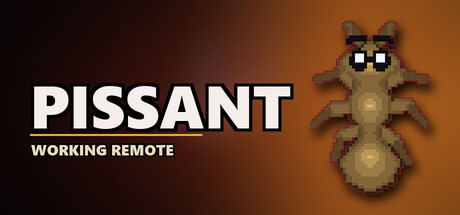
Pissant is built with AI-assisted code. The developer directs and edits everything; an AI assistant helps write the game's code, its in-game text, the music scores and the store and marketing text. No AI image, video or voice generator made anything in the game: every visual is drawn by the game's own procedural code, and every sound and note of music comes from its own synthesis engine. No generative AI runs during gameplay, and the game does not connect to any AI service.
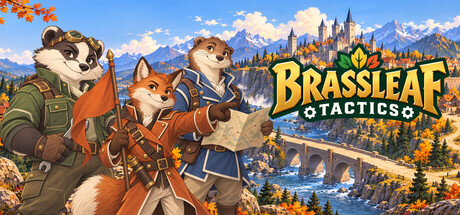
I use generative AI throughout the development of Brassleaf Tactics, including programming, game design, artwork and store-page content. The game includes AI-generated artwork. I set the creative direction, decide what goes into the game, and make the final design decisions, shaping the experience through playtesting, balancing and ongoing refinement.
Generative AI is used during development only; no AI-generated content is created while you play.
Generative AI is used solely to assist with localization and translation work; all texts are reviewed and modified by the developers. This work does not use AI-generated art, audio, or real-time AI-generated content within the game.
The promotional image of the game, as well as NPCs and a small number of scene components, are generated by AI.And the opening and closing of the promotional video
Generative AI tools were used during the development of Exodus Survivors to create some of the game's visual assets and music. AI was also used as a development tool to assist with programming and other aspects of production. The game was developed and assembled by the developer, with the final content selected, edited, integrated, and reviewed as part of the development process.
The game's pixel art, sound effects and music, in-game text (including translation), program code, and the store page text and images were created using an AI tool (Anthropic's Claude) under the developer's direction and review. The game does not generate any content with AI while it is running.
Some of the in-game text (dialogue and descriptions) was written with the help of AI and reviewed and edited line by line by the developer. All pixel art and music are drawn and synthesized in real time by the game's own code, which was written with AI assistance; no AI image or audio generation models were used.
Generative AI tools were used during development to create and refine pre-made visual assets, music and sound assets, and localized text. These assets are bundled with the game. No content is generated by AI during gameplay.
Generative AI was used to help create pre-generated character and enemy artwork, scene backgrounds, and store promotional illustrations. These assets were selected, prepared, and integrated by the developer. No AI content is generated during gameplay.
Pre-generated content: AI tools assisted during development. Some in-game text (commentary, TV show dialogue), the translations and the store page text were written with AI assistance, and the pixel art, music and sound effects are generated by scripts written with AI assistance. All of this content has been reviewed, approved and modified by the developer. No content is generated by AI while the game is running.
This game was made by one developer working with an AI coding assistant.
No image, audio or video generators were used — there are no model-generated assets in the files. Every sprite is drawn by the game's own art generator, and all music and sound effects are synthesised at runtime from square, triangle and noise waves. However, the code that draws and synthesises them was written with the AI assistant, as was much of the in-game text and the English localisation. All of it was directed, reviewed and revised by the developer.
No AI runs while you play, and the game never connects to an external service.
AI tools were used to create artwork and assist with coding. The game's writing and planning were created by the developer. No generative AI runs during gameplay.
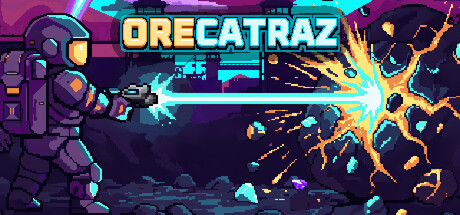
The songs currently featured in the ORECATRAZ demo and playtest were created using AI. During the playtest phase, we aim to connect with musicians who enjoy the game and share our creative vision. Our goal is to replace these AI-generated songs with original music composed specifically for Orecatraz.
A few in-game images were generated with an AI image tool and edited by the developer. The game's translations were drafted with AI tools and reviewed by the developer. All other art, sound and design were made by the developer.
Generative AI was used only for localization. As a solo developer, I used AI tools to translate the game's text into other languages, which would not have been possible for me otherwise. All artwork, audio, and gameplay content were created without generative AI.
This game’s store page text has been translated into multiple languages with the assistance of AI translation tools. We review and adjust translations manually.
The character, hat, background and icon artwork in the game, and the artwork on this store page, were created with AI image generation and then selected, cut out and adjusted by the developer. In-game text and translations were written with the help of AI tools. Nothing is generated by AI while you play.
Luckforge was made with the help of generative AI tools, selected and directed by the developer. The title-screen and battle backdrops were generated from our own layout briefs and screenshots, then converted to the game's pixel grid and colour palette. The pixel sprites, in-game text, translations and store text were created with AI assistance. Some promotional materials use AI-generated art or music. Nothing is generated by AI while you play.
Game text translations and parts of the store page and marketing text were created with AI assistance. All art, music and sound effects are made without generative AI.
Generative AI was used during development to help create some in-game visual assets, store and promotional artwork, and store description text and translations. These materials were generated in advance.
Some of the game's artwork (cards, bosses, mascot, icons) and music were initially created with generative AI tools, then reworked, edited and integrated by the developer. All code, game design, writing and balancing were made by the developer. No content is generated by AI while the game is running.
AI tools were used during development to create the pixel art, the game's text and promotional images. Pawnbroke does not generate AI content during gameplay.
AI tools helped during development with the concept mocks, UI layout drafts and the store artwork. All of it was directed, chosen and refined by the developer. The in-game sprites, characters, levels and game design are mixed of AI tools generated, others were hand-made or from licensed asset packs. Some code was written with an AI coding assistant and then reviewed and tested by the developer.
Boomside's background artwork, including the title-screen city and the district backgrounds, was created with the help of generative AI image tools. The developer then selected, edited and integrated it into the game. The game does not use AI to generate any content while you play.
The core art direction and a portion of the artwork were hand-drawn by the developer, and AI was used to produce additional assets in a matching style, which were then reviewed, edited and integrated by hand. The game's music was generated with AI tools. No AI content is generated live while the game is running.
AI tools assisted in creating and revising the ending illustrations, narrative and explanatory text, English localization, and some visuals and sound effects produced through code. AI tools also assisted with store descriptions and promotional artwork. The game contains fixed, completed content and does not generate new content or connect to external AI services during play.
Halmweit is a one-person project, and I've had a little help from some tools along the way. AI helped with writing and translating the texts and with programming. What goes into the game is my decision. The music was written by hand by a composer. While you play, the game doesn't generate anything with AI.
Generative AI was used to help write the text in the game and on the store page, including their translations. The game does not generate any AI content during play.
This game was made by a solo developer with the help of AI tools. Some of the pixel art was drawn by hand by the developer and then revised with AI tools. Other art (including the logo, interface icons, menu backgrounds and some terrain tiles) was created with an AI pixel-art tool and then edited by the developer. The music and sound effects are synthesized in code, and were composed and designed with the help of an AI assistant. Some in-game text, such as the Field Guide and tutorial tips, was drafted with AI assistance and edited by the developer. No AI is used while you play: nothing is generated live, and the game never connects to an AI service.
The translations used on the current store page and in the upcoming demo were created using generative AI. For the full release, these translations will be reviewed by human translators or replaced with complete human translations, and we will faithfully announce any changes.
All other artwork, sound, and narrative in the game are created entirely by the developer.
Pre-generated voice audio in the game was created using VOICEPEAK speech synthesis. Generative AI was used for brainstorming and idea development during scenario creation. No AI-generated artwork or visual assets are used in the game.
AI tools assisted in developing some procedural animations and sound effects. These elements were reviewed and refined to match the game’s artistic direction.
All in-game graphical assets were handcrafted by artists.
An AI-generated sketch is used as a starting point. Everything else is made by a human: every shipped image is redrawn and retouched by hand, and the code, game design and texts are written by the developer.
Currently, AI‑assisted Photoshop image editing is only used for the Steam store‑page assets. No AI is utilized within the game itself. All image and audio assets are either sourced from free open‑source resources or purchased commercially.
Some in-game text (event and dilemma card writing, UI copy) and the store description were drafted with AI assistance and then reviewed and edited by the developer. The game's non-English translations (French, Italian, German, Spanish, Portuguese-Brazil, Polish, Ukrainian, Japanese) were AI-translated drafts and are being reviewed. No AI generates content while the game is running, and the game makes no network calls to AI services. The logo/key art was created with AI image tools and edited by the developer
Pissant is built with AI-assisted code. The developer directs and edits everything; an AI assistant helps write the game's code, its in-game text, the music scores and the store and marketing text. No AI image, video or voice generator made anything in the game: every visual is drawn by the game's own procedural code, and every sound and note of music comes from its own synthesis engine. No generative AI runs during gameplay, and the game does not connect to any AI service.
I use generative AI throughout the development of Brassleaf Tactics, including programming, game design, artwork and store-page content. The game includes AI-generated artwork. I set the creative direction, decide what goes into the game, and make the final design decisions, shaping the experience through playtesting, balancing and ongoing refinement.
Generative AI is used during development only; no AI-generated content is created while you play.
Generative AI is used solely to assist with localization and translation work; all texts are reviewed and modified by the developers. This work does not use AI-generated art, audio, or real-time AI-generated content within the game.
The promotional image of the game, as well as NPCs and a small number of scene components, are generated by AI.And the opening and closing of the promotional video
Generative AI tools were used during the development of Exodus Survivors to create some of the game's visual assets and music. AI was also used as a development tool to assist with programming and other aspects of production. The game was developed and assembled by the developer, with the final content selected, edited, integrated, and reviewed as part of the development process.
The game's pixel art, sound effects and music, in-game text (including translation), program code, and the store page text and images were created using an AI tool (Anthropic's Claude) under the developer's direction and review. The game does not generate any content with AI while it is running.
Some of the in-game text (dialogue and descriptions) was written with the help of AI and reviewed and edited line by line by the developer. All pixel art and music are drawn and synthesized in real time by the game's own code, which was written with AI assistance; no AI image or audio generation models were used.
Generative AI tools were used during development to create and refine pre-made visual assets, music and sound assets, and localized text. These assets are bundled with the game. No content is generated by AI during gameplay.
Generative AI was used to help create pre-generated character and enemy artwork, scene backgrounds, and store promotional illustrations. These assets were selected, prepared, and integrated by the developer. No AI content is generated during gameplay.
Pre-generated content: AI tools assisted during development. Some in-game text (commentary, TV show dialogue), the translations and the store page text were written with AI assistance, and the pixel art, music and sound effects are generated by scripts written with AI assistance. All of this content has been reviewed, approved and modified by the developer. No content is generated by AI while the game is running.
This game was made by one developer working with an AI coding assistant.
No image, audio or video generators were used — there are no model-generated assets in the files. Every sprite is drawn by the game's own art generator, and all music and sound effects are synthesised at runtime from square, triangle and noise waves. However, the code that draws and synthesises them was written with the AI assistant, as was much of the in-game text and the English localisation. All of it was directed, reviewed and revised by the developer.
No AI runs while you play, and the game never connects to an external service.
AI tools were used to create artwork and assist with coding. The game's writing and planning were created by the developer. No generative AI runs during gameplay.
The songs currently featured in the ORECATRAZ demo and playtest were created using AI. During the playtest phase, we aim to connect with musicians who enjoy the game and share our creative vision. Our goal is to replace these AI-generated songs with original music composed specifically for Orecatraz.
A few in-game images were generated with an AI image tool and edited by the developer. The game's translations were drafted with AI tools and reviewed by the developer. All other art, sound and design were made by the developer.