Public Steam disclosure research25,383 disclosures tracked
Where do games disclose AI use?
Search developers’ Steam disclosures, compare classified AI use across
games, and follow recorded changes.
This index adds cross-game classifications and statistics to
statements published on individual store pages.
Groups reflect automatic analysis of public disclosures; mature records are excluded. These counts do not measure AI use across all of Steam.
Missing or unclear statements cannot establish whether a game uses AI.
Generative AI was not used for in-game art, gameplay assets, systems, or core game content.
AI translation tools were used only for some additional text added later during development. Most localization was handled by a professional translation vendor.
The only AI-generated visual assets currently used are the Steam header capsule and library logo illustrations, which were manually retouched. They are not used inside the actual game, and I plan to replace them after release if the game earns enough revenue.
This product uses pre-generated AI-assisted content during development. AI tools were used to help create some promotional artwork, selected visual assets, and some development-support content such as text or localization assistance. The game does not use live-generated AI during gameplay.
We use generative AI tools during development to create certain pre-rendered audio assets (sound effects and background music). We ensure that prompts do not reference copyrighted works, artists, or specific intellectual property. We use commercially licensed AI services and comply with their terms of service.
What parts AI applied to are: pictures like icon, button, background; language translation. And no more other visual elements like, objects rendering, model, post process effect have used AI.
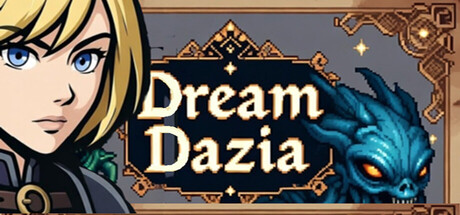
Grok AI was used in order to make some of the pictures in the library, game store page, and some intro./outro. picture in the game representing Dream Dazia.
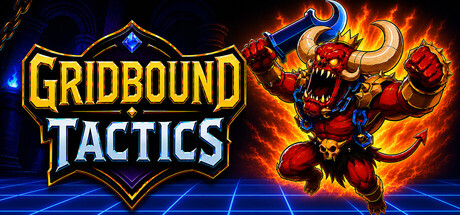
A few pieces of art were generated: the battle background, the fire aura on the marketing assets, and a few projectiles for units like the white beetle.
During the development process, we utilized generative AI to assist in creating preliminary assets for backgrounds, characters, UI concepts, as well as initial drafts for music and video elements. All related assets were subsequently refined and manually adjusted by our professional art, sound, and video teams to ensure they align perfectly with the game’s unique artistic style and meet our high-quality standards.
We use generative AI as an assistive tool in the following areas of development:
Art (Character Portraits) — AI is used to generate initial draft sketches for character portraits. All AI-generated drafts are manually refined, redrawn, and finalized by our artists to meet our quality and style standards.
Art (UI Icons) — AI is used to generate a portion of UI icons for the game interface.,
All AI-generated outputs are reviewed, modified, and approved by our team before inclusion in the final product. We ensure that no AI-generated content infringes on third-party intellectual property rights.
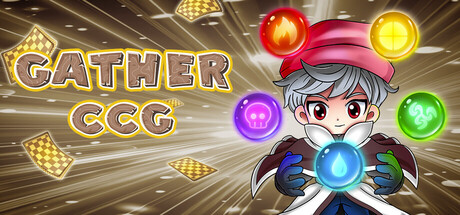
A portion of the card art in Gather CCG was created with the assistance of generative AI. Every piece of AI-generated content has been hand-selected and verified by the developer to maintain high quality and ensure full compliance with copyright standards.
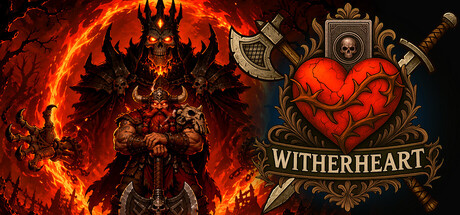
Some assets in Witherheart, including visuals and audio, were created with the assistance of generative AI tools. All content has been curated and integrated by the development team.
About localization
Please note:The English localization is AI-assisted and human-verified.
We are continuously refining the text, so please feel free to join us and share any feedback !
Generative AI was used during development to assist with localization and limited code drafting.
All final shipped content was reviewed and edited by the developer before release.
In the demo version, to support development, we use AI-assisted tools to create PLACEHOLDER CONTENT ONLY. These assets are temporary and will NOT appear in the final version of the game.
The current version of the game utilizes a variety of AI-assisted / AI-generated assets to support its development. My intent is to eventually replace or further polish as many of these assets as is feasible during the Early Access journey, though this remains a long-term aspiration.
- 2D Assets: Some character portraits, backgrounds, minor textures, and store artwork are generated or enhanced using AI (e.g. style transfer from custom 3D renders and upscaling). These assets are further edited and integrated manually.
- Narrative Slides: Images used in story sequences are AI-generated and used with minimal or no manual modification.
- Voice Acting: Dialogue voiceovers use text-to-speech (TTS).
- Text: Store descriptions, in-game text, and dialogue are written by the developer and refined using AI tools for clarity, consistency, and phrasing (e.g. tooltips and ability descriptions).
I use AI in this project for generation of some static art assets such as title screens, UI elements, Steam store assets, item images in inventory, and the large world map.
AI is NOT used for generating the engine-rendered gameplay, with exception of an image of an item dropped to the ground.
All environment tiles, objects and decorations, as well as animated entities (humans, monsters, etc) are generated by human artists.
This is a very demanding project; should I get more money and access to artists, ideally I would replace all AI assets. Ideally...
Some illustrations such as backgrounds or monsters were created using AI-based tools during development, and were modified before use.
No live generation or AI-based interaction is included in the gameplay itself.
We use AI technologies in a limited capacity during development. AI-assisted tools are used for localization (translation into multiple languages) and for generating some visual assets, such as preview images. The core game content, gameplay design, and the majority of assets are created without the use of AI.
The capsule artwork is hand-drawn, with some AI-assisted touch-ups to the face. AI is also used for some minor background textures in the demo. All these elements are planned to be updated at a future date.
Dice Tech Dominion was developed as a solo indie project with the help of several AI tools during production.
Meshy.ai was used to create temporary 3D monster model assets. Midjourney was used to create temporary monster portrait images and related visual concept material. Claude and Codex were used as coding assistants for implementation support, debugging help, project organization, documentation, and assistance with some visual effect and animation logic.
All gameplay design decisions, balancing decisions, final implementation choices, editing, integration, testing, and publishing decisions are made by the developer.
Some current visual assets are AI-generated or AI-assisted. My goal is to replace the AI-generated imagery and temporary visual assets with original artwork and models created by human artists as the project grows. I am opening paid work opportunities and commissions for artists to help create final human-made monster artwork, illustrations, and visual assets for the game.
No AI tool is used to generate live gameplay content during play. The AI tools were used during development as production assistance and temporary asset creation tools.
Our game was hand-crafted with love, however we use newer AI technologies, limited to the Arena Tactics' Enhanced Auto Battler mode, to enable a feature whereby players can write plain-text instructions to inform the Computer/AI's realtime gameplay.
We used AI to generate game icon, in-game start menu background and all promotional images (except for in-game screenshots) for the store page, including cover, banner, library cover, game icon, and character illustration in the description.
Some visual assets used in the store page and marketing materials may include AI-assisted elements. These assets are reviewed and modified by the development team to ensure quality and consistency with the game's art direction.
Some scenery/environment visual elements (map backgrounds) were created with the assistance of generative AI tools during development and were later reviewed, edited, and integrated manually by the team. All other game content — characters, UI, icons, gameplay sprites, tilesets, audio and text — was produced without generative AI, using original artwork and/or licensed third-party assets.
We don't use "black box" models trained on stolen art. Our generative models are trained exclusively on our own proprietary assets, sketches, and source material. If the AI didn't learn it from our own artists, it doesn't exist in our pipeline. No scraping, no copyright infringement, no "oops, that looks like a famous illustrator's style" moments.
We aren't using AI to write our stories or paint our worlds we still prefer the human touch for that. Generative technology is strictly limited to in-game animations.
We built our own "brain," fed it only our own art, and it only helps with the "wiggly bits" (animations). Everything else is pure, unadulterated human effort.
Some minor assets in this game were created or assisted using AI tools. Where possible, assets were sourced or created by real people, with AI used only where needed. Everything here was chosen to help bring this project to life.
AI was used to generate some basic art assets, which were then modified by humans.AI was used to generate some basic art assets, which were then modified by humans.
During the game's development, we may use tools that make use of procedural generation or AI. In every case, the final product reflects the creativity and artistic direction of the development team.
Some store artwork and promotional images were created with the assistance of AI image generation tools. All game logic, commentary text, fight simulation, and gameplay content are authored by the developer using traditional programming — no generative AI is used during gameplay.
During development, generative AI tools were used to assist in creating the following content:
Image Assets: Some enemy characters, backgrounds, and scene elements were created with the assistance of AI tools. All images have undergone extensive manual illustration, style integration, and post-processing to ensure consistency with the game's overall art direction.
Music & Sound Effects: Prototypes for some background music tracks and ambient sound effects were created with the assistance of AI tools.
Generative AI was not used for in-game art, gameplay assets, systems, or core game content.
AI translation tools were used only for some additional text added later during development. Most localization was handled by a professional translation vendor.
The only AI-generated visual assets currently used are the Steam header capsule and library logo illustrations, which were manually retouched. They are not used inside the actual game, and I plan to replace them after release if the game earns enough revenue.
This product uses pre-generated AI-assisted content during development. AI tools were used to help create some promotional artwork, selected visual assets, and some development-support content such as text or localization assistance. The game does not use live-generated AI during gameplay.
We use generative AI tools during development to create certain pre-rendered audio assets (sound effects and background music). We ensure that prompts do not reference copyrighted works, artists, or specific intellectual property. We use commercially licensed AI services and comply with their terms of service.
What parts AI applied to are: pictures like icon, button, background; language translation. And no more other visual elements like, objects rendering, model, post process effect have used AI.
Grok AI was used in order to make some of the pictures in the library, game store page, and some intro./outro. picture in the game representing Dream Dazia.
A few pieces of art were generated: the battle background, the fire aura on the marketing assets, and a few projectiles for units like the white beetle.
During the development process, we utilized generative AI to assist in creating preliminary assets for backgrounds, characters, UI concepts, as well as initial drafts for music and video elements. All related assets were subsequently refined and manually adjusted by our professional art, sound, and video teams to ensure they align perfectly with the game’s unique artistic style and meet our high-quality standards.
We use generative AI as an assistive tool in the following areas of development:
Art (Character Portraits) — AI is used to generate initial draft sketches for character portraits. All AI-generated drafts are manually refined, redrawn, and finalized by our artists to meet our quality and style standards.
Art (UI Icons) — AI is used to generate a portion of UI icons for the game interface.,
All AI-generated outputs are reviewed, modified, and approved by our team before inclusion in the final product. We ensure that no AI-generated content infringes on third-party intellectual property rights.
A portion of the card art in Gather CCG was created with the assistance of generative AI. Every piece of AI-generated content has been hand-selected and verified by the developer to maintain high quality and ensure full compliance with copyright standards.
Some assets in Witherheart, including visuals and audio, were created with the assistance of generative AI tools. All content has been curated and integrated by the development team.
About localization
Please note:The English localization is AI-assisted and human-verified.
We are continuously refining the text, so please feel free to join us and share any feedback !
Generative AI was used during development to assist with localization and limited code drafting.
All final shipped content was reviewed and edited by the developer before release.
In the demo version, to support development, we use AI-assisted tools to create PLACEHOLDER CONTENT ONLY. These assets are temporary and will NOT appear in the final version of the game.
The current version of the game utilizes a variety of AI-assisted / AI-generated assets to support its development. My intent is to eventually replace or further polish as many of these assets as is feasible during the Early Access journey, though this remains a long-term aspiration.
- 2D Assets: Some character portraits, backgrounds, minor textures, and store artwork are generated or enhanced using AI (e.g. style transfer from custom 3D renders and upscaling). These assets are further edited and integrated manually.
- Narrative Slides: Images used in story sequences are AI-generated and used with minimal or no manual modification.
- Voice Acting: Dialogue voiceovers use text-to-speech (TTS).
- Text: Store descriptions, in-game text, and dialogue are written by the developer and refined using AI tools for clarity, consistency, and phrasing (e.g. tooltips and ability descriptions).
I use AI in this project for generation of some static art assets such as title screens, UI elements, Steam store assets, item images in inventory, and the large world map.
AI is NOT used for generating the engine-rendered gameplay, with exception of an image of an item dropped to the ground.
All environment tiles, objects and decorations, as well as animated entities (humans, monsters, etc) are generated by human artists.
This is a very demanding project; should I get more money and access to artists, ideally I would replace all AI assets. Ideally...
Some illustrations such as backgrounds or monsters were created using AI-based tools during development, and were modified before use.
No live generation or AI-based interaction is included in the gameplay itself.
We use AI technologies in a limited capacity during development. AI-assisted tools are used for localization (translation into multiple languages) and for generating some visual assets, such as preview images. The core game content, gameplay design, and the majority of assets are created without the use of AI.
The capsule artwork is hand-drawn, with some AI-assisted touch-ups to the face. AI is also used for some minor background textures in the demo. All these elements are planned to be updated at a future date.
Dice Tech Dominion was developed as a solo indie project with the help of several AI tools during production.
Meshy.ai was used to create temporary 3D monster model assets. Midjourney was used to create temporary monster portrait images and related visual concept material. Claude and Codex were used as coding assistants for implementation support, debugging help, project organization, documentation, and assistance with some visual effect and animation logic.
All gameplay design decisions, balancing decisions, final implementation choices, editing, integration, testing, and publishing decisions are made by the developer.
Some current visual assets are AI-generated or AI-assisted. My goal is to replace the AI-generated imagery and temporary visual assets with original artwork and models created by human artists as the project grows. I am opening paid work opportunities and commissions for artists to help create final human-made monster artwork, illustrations, and visual assets for the game.
No AI tool is used to generate live gameplay content during play. The AI tools were used during development as production assistance and temporary asset creation tools.
Our game was hand-crafted with love, however we use newer AI technologies, limited to the Arena Tactics' Enhanced Auto Battler mode, to enable a feature whereby players can write plain-text instructions to inform the Computer/AI's realtime gameplay.
We used AI to generate game icon, in-game start menu background and all promotional images (except for in-game screenshots) for the store page, including cover, banner, library cover, game icon, and character illustration in the description.
Some visual assets used in the store page and marketing materials may include AI-assisted elements. These assets are reviewed and modified by the development team to ensure quality and consistency with the game's art direction.
Some scenery/environment visual elements (map backgrounds) were created with the assistance of generative AI tools during development and were later reviewed, edited, and integrated manually by the team. All other game content — characters, UI, icons, gameplay sprites, tilesets, audio and text — was produced without generative AI, using original artwork and/or licensed third-party assets.
We don't use "black box" models trained on stolen art. Our generative models are trained exclusively on our own proprietary assets, sketches, and source material. If the AI didn't learn it from our own artists, it doesn't exist in our pipeline. No scraping, no copyright infringement, no "oops, that looks like a famous illustrator's style" moments.
We aren't using AI to write our stories or paint our worlds we still prefer the human touch for that. Generative technology is strictly limited to in-game animations.
We built our own "brain," fed it only our own art, and it only helps with the "wiggly bits" (animations). Everything else is pure, unadulterated human effort.
Some minor assets in this game were created or assisted using AI tools. Where possible, assets were sourced or created by real people, with AI used only where needed. Everything here was chosen to help bring this project to life.
AI was used to generate some basic art assets, which were then modified by humans.AI was used to generate some basic art assets, which were then modified by humans.
During the game's development, we may use tools that make use of procedural generation or AI. In every case, the final product reflects the creativity and artistic direction of the development team.
Some store artwork and promotional images were created with the assistance of AI image generation tools. All game logic, commentary text, fight simulation, and gameplay content are authored by the developer using traditional programming — no generative AI is used during gameplay.
During development, generative AI tools were used to assist in creating the following content:
Image Assets: Some enemy characters, backgrounds, and scene elements were created with the assistance of AI tools. All images have undergone extensive manual illustration, style integration, and post-processing to ensure consistency with the game's overall art direction.
Music & Sound Effects: Prototypes for some background music tracks and ambient sound effects were created with the assistance of AI tools.