








Disclosure
AI tools were used to generate store page capsule images, trailers, and Videos.
- Creator
- ALPHALOTA
- Reviews
- -
- Added
- Jun 27, 2026
Public Steam disclosure research 25,383 disclosures tracked
Search developers’ Steam disclosures, compare classified AI use across games, and follow recorded changes. This index adds cross-game classifications and statistics to statements published on individual store pages.
Code help, debugging and other development work.
Capsule art, trailers and promotional material.
Pre-made art, audio, writing and other game assets.
Interactive or runtime AI features disclosed by the developer.
Groups reflect automatic analysis of public disclosures; mature records are excluded. These counts do not measure AI use across all of Steam. Missing or unclear statements cannot establish whether a game uses AI.
AI tools were used to generate store page capsule images, trailers, and Videos.
Some image assets are generated by AI.
Artwork note: some visuals were generated with AI models in this early version. For now the focus is on mechanics, so they are placeholders. Over time I will make the style more consistent and replace them with assets designed specifically for AoNW.
AI was used to help find bugs, create some art, music, and game content. The game itself was designed and made by humans.
ESTRO Quantum uses generative AI only for some of its 2D/3D visual assets. Card illustrations and cosmetic art (card skins, backdrops, card backs) were created with the help of generative AI image-generation tools, then curated and reviewed by the developer before being included in the game. No AI-generated content is produced live during gameplay; the single-player "AI opponents" are traditional rule-based systems and do not use generative AI.
Utilize AI to generate certain UI elements within the game
This game uses generative AI tools as part of its development and content production process. AI-assisted workflows were used for selected visual assets, video materials, music or audio drafts, localization/text drafts, code assistance, and marketing/store page materials. All AI-assisted outputs are reviewed, edited, and integrated by the developer before inclusion. The game does not generate AI content during gameplay and does not connect to external AI services while the game is running.
Some Library images are AI generated. Some (small amount) of in-game images are AI generated. 95% of all assets are created by real artists and in future going for the 100%.
OUTWORKS was developed with the help of AI-based coding assistants, which we used to write parts of the game's source code. Everything you see and hear in the game is then generated procedurally by that code — all graphics are drawn in code (SVG/CSS) and all sound is synthesized in code (Web Audio). The game contains no AI-generated image or audio assets, and no generative AI runs while you play.
Chessferatu Graphics were generated using AI tools. Codex was used in the process of creating and refining code and in the porting of the code to different systems (Mobile to PC).
During the development of Plunder Bay, AI-powered tools were used to assist in the creation of the following content: - Store Page Graphics: Promotional images and capsule art were created with AI image generation tools (Leonardo AI) and edited manually. - Sound Effects: Some sound effects were generated using AI audio tools (ElevenLabs) for specific game events. - Menu Background: The main menu background visual was created with AI video generation tools (Runway). All AI-generated content was reviewed, edited, and curated by the developer to ensure quality and consistency. AI was used as a creative tool to assist a solo developer, not as a replacement for game design decisions.
Some of this game's assets were created with the assistance of generative AI tools. Character, enemy, and background artwork was created using Stable Diffusion and then manually edited and retouched by the developer. Background music and the ending theme songs were generated using ACE-Step v1.5. All AI-assisted assets were reviewed and curated by the developer. No content is generated by AI during gameplay.
This game contains AI-generated content. Some in-game assets were created or assisted by AI tools and reviewed by the developer.
Only used helping debug code
Some of the images in this game are created using artificial intelligence.
Unit sprites and game sound tracks were generated using AI.
Some game assets and content were created with the assistance of generative AI tools during development. AI-assisted content was reviewed, curated, edited, and integrated into the final game by the developer. Generative AI is not used to create content during gameplay.
We use generative AI as part of our development workflow to accelerate our production pipeline. Our artists use generative AI to quickly produce concept artwork. They then manually rework the selected pieces in Photoshop and other tools as needed, refining the work and adding or removing elements to reach the quality we require. Our Art Director gives final approval on all artwork. All AI-assisted content is generated during development and reworked by our team before it ships; no content is generated by AI at runtime. We have taken care to ensure this content does not include illegal or infringing material.
Generative AI was used to create some initial concept imagery during development and marketing. All AI generated content is reviewed, heavily modified, edited and incorporated into final artwork by our art team before use. No AI generated content is produced during gameplay.
I complete the insufficient parts of my artwork using artificial intelligence.
Some of the artwork uses legitimate generative AI.
Some placeholder assets have been AI generated. We are actively working with human artists to replace all of the AI art in the game with human made art.
I'm not an artist, I used generative ai to help make the art for the game
AI-generated content is used only during the concept art and asset planning phase to generate initial creative ideas. No AI-generated content is present in the final game.
AI tools are used to generate multilingual translations of game text for playtests.
This game uses generative AI-assisted tools for some pre-generated art and audio assets, including portions of Steam store artwork, character and background assets, the application icon, and some BGM / SFX. All assets are selected, edited, integrated, and tested by the developer. The game does not include live-generated AI content during gameplay, and players will not encounter dynamically generated AI text, images, audio, or other content.
Some visual and audio assets in this game were created with the assistance of generative AI tools and then reviewed, edited, and curated by the developer. The game does not use live generative AI during gameplay and does not generate content from player input.
Generative AI tools (including Tripo3D and Meshy) were used during development to generate base 3D models for characters and environment assets, which were then manually adjusted and refined. AI tools were also used to create ambient background textures for marketing materials and Steam capsule illustrations. No live-generated AI content is used during runtime.
Generative AI was used to update all my existing art.
Generative AI was used as part of the art production process for selected store page visuals, story illustrations, and some card artwork. All AI-assisted assets were reviewed and refined before being included in the game.
This game uses generative artificial intelligence during gameplay to generate text and data based on player input and game context. The game does not use generative AI to generate artwork, audio, voice, music, videos, or other visual or sound assets. AI-generated content is limited to text and data used as part of the gameplay experience.
Generative AI was used to create portions of the game's logo, character icon artwork, and promotional/store page images. Some marketing images were created using in-game screenshots as references and combined with AI-assisted artwork.
As a solo developer handling the entire scope of code, systems architecture, and design, generative AI tools were utilized during development to handle the massive volume of graphic assets. This includes illustrative 2D artwork for specific field environments, background landscapes, UI map layouts, and card illustration frames. Leveraging these tools allowed me to focus my full energy on what matters most: creating deep tactical gameplay, tight mechanical balance, and a compelling narrative. Every asset generated was extensively curated, manually edited, and visually polished to align perfectly with the game's aesthetic, storytelling, and tactical user interface. No live generative AI is used while the game is running.
During development, generative AI tools were used as supplementary assistance for document writing, draft store page text, UI text, localization drafts, and the planning of some concept visual materials. All final content included in the release build, store page, and marketing materials is reviewed, selected, and edited by the developer before use. JULPAE does not use real-time generative AI during gameplay, does not generate player-facing content with AI at runtime, and does not connect players to any external generative AI service.
Portions of in-game art assets were initially generated with generative AI, followed by extensive manual hand-drawn revision, restructuring and detailed painting by the developer. Game text and localization drafts were AI-assisted then fully proofread and revised manually. All background music and sound effects are licensed free commercial assets downloaded from authorized resource websites; no generative AI was used for audio production. Source code was written with coding assistant tools.
This game made extensive use of generative AI during development. Most of the images in the game were created with the assistance of generative AI. Generative AI was also used for concept work, visual drafts, UI text, translation drafts, and promotional materials. All AI-assisted content was reviewed and edited by the developer before being included in the game. Generative AI is not used during gameplay to create real-time content or player-specific responses. This disclosure message was also written with the assistance of generative AI.
We have utilized open-source, self-hosted AI tools for our localization process to make the game available to as many players as possible. Additionally, local AI tooling was used during development to assist with codebase navigation and a single instance of asset recovery for a lost legacy logo. No proprietary or cloud-based AI services were used.
This game store page is generated by AI Some background images in the game are created with AI assistance
This game is developed using the commercial engine RPG Bakin. The core game logic, systems, and all promotional videos are 100% handcrafted and created without the use of any AI tools. To enhance the overall experience of this indie project, generative AI tools were utilized to assist in specific asset creation, video sequences, and localization: Pre-rendered Content & Video Sequences: The introductory cinematic video showcasing the game’s backstory was generated with the assistance of AI and manually edited. The short animations for the item forging and dismantling systems were generated using AI and manually refined. Some 2D character portraits, equipment icons (initial concepts), and background music (BGM) were generated with the assistance of AI and subsequently polished. Character Voiceovers: The Japanese battle voice lines for characters were created using modern AI voice generation tools. Language & Localization: The English translation and localization of the game's scripts and dialogues were assisted by AI translation tools. We ensure that all AI-assisted processes and content comply with legal standards, aiming to deliver an authentic wuxia RPG experience with rich audio-visuals and smooth language accessibility for players worldwide.
We only use artificial intelligence tools to generate background music for the game (such as the background music for starting the game interface), promotional videos (CG promotional videos), and some UI background images (background images for the backpack interface), which are directly embedded into the game's assets. During the game, no artificial intelligence models were used to create or generate new content in real-time. No AI generated code was used either.
Generative AI was used to assist in the creation of some art assets. All AI-assisted content was reviewed and edited by the developer before being included in the game.
Generative AI tools were utilized to assist in the creation of promotional materials. The game itself does not contain any live AI generation.
Note on AI-generated content: Some of the visual assets used in our store page, including certain game scenes and character illustrations, were created with the assistance of AI generation tools. Please rest assured that the core gameplay design, storyline, character development, and all game mechanics are entirely handcrafted by our solo developer. We believe in transparency and honesty. If you have any questions about our development process, feel free to reach out. Thank you for your understanding and support.
The C# code behind is created by the developer with the assistance of AI. The translation from English is also created by AI.
Generative AI tools were used to assist in the creation of certain illustrations, backgrounds, music, and translations. All final content has been reviewed by the developer.
The game uses AI-generated content only for music and translation.
Some marketing materials may include AI-generated background music. Tile Blast Royale does not use generative AI to create content during gameplay.
Scourge of the Necromancer makes significant use of generative AI in its production. We want to be fully upfront about it. Visual assets (2D images + video) — all AI-generated, then human-curated and human-edited. Every shipped image and video in the game and on the Steam store page was produced with AI tools, then reviewed, edited, and selected by hand by the developer. This covers: Steam store capsules and library art, the store-page background, all in-game achievement icons, hero portraits, the Necromancer concept art, decorative UI elements, all real-time cinematics (the defeat sequence and all victory variants), and the marketing trailer's atmospheric segments. Image models used: Google Imagen 4, Google Veo 3.1 (video), Nano Banana Pro / Gemini 3 Pro Image (Google), Black Forest Labs FLUX.2, Recraft V4 Pro, Ideogram V3, and Bria RMBG-2.0 (background removal). Final assets received human editing — compositing, color correction, retouching, frame extraction, masking, and rejection of unusable outputs. 3D models — AI-generated base meshes, then human-edited in Blender. The in-game hero character models (Knight, Cleric, Ranger, Wizard, Warrior, Alchemist) started as outputs from Tripo AI's generative 3D model service (FBX + texture PNGs), but each model was then opened in Blender by the developer for hand editing — mesh cleanup, geometry adjustments, and texture fixes — before being exported for use in the game. Each finished model was imported into Unity with hand-tuned scale, rotation, material configuration, and import-setting curation. Unsatisfactory generations were discarded and re-prompted; the Blender editing step is substantial enough that the shipped models are not pure AI output. Music — AI-generated, then human-curated and post-processed. All music tracks in the game (menu, gameplay layers, boss phases, victory, defeat) were produced with Google Gemini's music generation, then human-selected, trimmed, looped, and mixed by the developer. Necromancer voice — AI-generated, then human-edited. The Necromancer's spoken syllables were synthesized with ElevenLabs Text-to-Speech (Eleven Multilingual v2 model), then pitch-shifted, EQ'd, and processed with reverb in Audacity by the developer to produce the final in-game delivery. No other character has spoken voice lines in the shipped game. Sound effects — all AI-generated. Every SFX in the game (ability sounds, ambient layers, UI sounds, footsteps, kill/spawn cues, tile state cues, boss audio) was produced with ElevenLabs Sound Effects, then human-selected, trimmed, processed, and mixed by the developer. The Necromancer voice lines use ElevenLabs Text-to-Speech (covered separately above). Runtime behavior. The game does NOT use live-generated AI content at runtime. Every shipped asset is a fixed, pre-rendered file. Player-facing text, dialogue, narrative, lore, and game design were written by the developer without AI generation. Code. Code development used Claude (Anthropic) as an AI coding assistant. This is behind-the-scenes efficiency tooling not consumed by players, but we mention it here for full transparency.
We believe that no person should be replaced by AI. All Primals — their models, animation, rigging, textures, SFX, and VFX — have been handcrafted by skilled artists. Our developers may choose to use generative AI as part of an iterative, exploratory development process, but how and when is left to individual team members, and the final product always reflects the creativity and expression of our own development team. As a small team, we have licensed some icons and 2D assets from external creators, and it is possible that some of these creators have used generative AI.
just for art
| Title⇅ | Disclosure | Creator⇅ | Src | Reviews⇅ | Added↓ |
|---|---|---|---|---|---|
 Bunker Buster Store/marketing art | AI tools were used to generate store page capsule images, trailers, and Videos. | ALPHALOTA | - | Jun 27, 2026 | |
 WARONOMY In-game content art | Some image assets are generated by AI. | Aventine Legends | - | Jun 27, 2026 | |
 Age of New Worlds In-game content art | Artwork note: some visuals were generated with AI models in this early version. For now the focus is on mechanics, so they are placeholders. Over time I will make the style more consistent and replace them with assets designed specifically for AoNW. | ernest.dev | - | Jun 27, 2026 | |
 Upgradia In-game content artaudio | AI was used to help find bugs, create some art, music, and game content.
The game itself was designed and made by humans. | Mytharia | 29 | Jun 27, 2026 | |
 ESTRO Quantum In-game content art | ESTRO Quantum uses generative AI only for some of its 2D/3D visual assets. Card illustrations and cosmetic art (card skins, backdrops, card backs) were created with the help of generative AI image-generation tools, then curated and reviewed by the developer before being included in the game. No AI-generated content is produced live during gameplay; the single-player "AI opponents" are traditional rule-based systems and do not use generative AI. | Estro.Games | - | Jun 27, 2026 | |
 仙路烟尘 In-game content art | Utilize AI to generate certain UI elements within the game | GameRich | - | Jun 27, 2026 | |
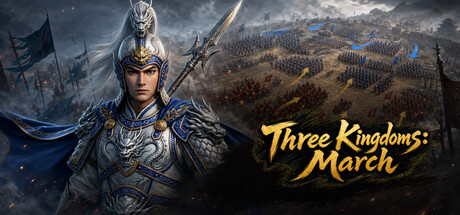 Three Kingdoms: March In-game content artaudiocodetext | This game uses generative AI tools as part of its development and content production process. AI-assisted workflows were used for selected visual assets, video materials, music or audio drafts, localization/text drafts, code assistance, and marketing/store page materials. All AI-assisted outputs are reviewed, edited, and integrated by the developer before inclusion.
The game does not generate AI content during gameplay and does not connect to external AI services while the game is running. | Doldori Games | - | Jun 27, 2026 | |
 apochess In-game content art | Some Library images are AI generated. Some (small amount) of in-game images are AI generated. 95% of all assets are created by real artists and in future going for the 100%. | AvoGames | - | Jun 27, 2026 | |
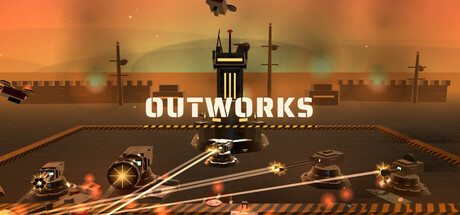 OUTWORKS In-game content artaudiocode | OUTWORKS was developed with the help of AI-based coding assistants, which we used to write parts of the game's source code. Everything you see and hear in the game is then generated procedurally by that code — all graphics are drawn in code (SVG/CSS) and all sound is synthesized in code (Web Audio). The game contains no AI-generated image or audio assets, and no generative AI runs while you play. | QUENCH FORGE | - | Jun 27, 2026 | |
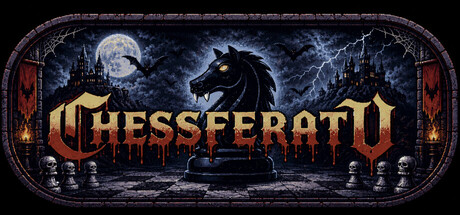 Chessferatu In-game content artcode | Chessferatu Graphics were generated using AI tools. Codex was used in the process of creating and refining code and in the porting of the code to different systems (Mobile to PC). | Half-Cocked Studios | - | Jun 27, 2026 | |
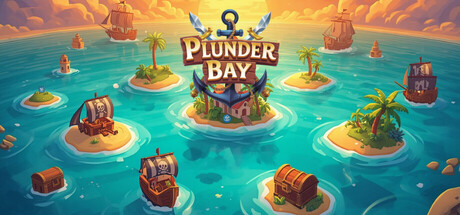 Plunder Bay In-game content artaudio | During the development of Plunder Bay, AI-powered tools were used to assist in the creation of the following content:
- Store Page Graphics: Promotional images and capsule art were created with AI image generation tools (Leonardo AI) and edited manually.
- Sound Effects: Some sound effects were generated using AI audio tools (ElevenLabs) for specific game events.
- Menu Background: The main menu background visual was created with AI video generation tools (Runway).
All AI-generated content was reviewed, edited, and curated by the developer to ensure quality and consistency. AI was used as a creative tool to assist a solo developer, not as a replacement for game design decisions. | MustDev | - | Jun 16, 2026 | |
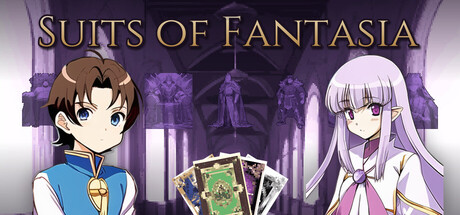 Suits of Fantasia In-game content artaudio | Some of this game's assets were created with the assistance of generative AI tools. Character, enemy, and background artwork was created using Stable Diffusion and then manually edited and retouched by the developer. Background music and the ending theme songs were generated using ACE-Step v1.5. All AI-assisted assets were reviewed and curated by the developer. No content is generated by AI during gameplay. | kero | - | Jun 16, 2026 | |
 Gold Admiral In-game content | This game contains AI-generated content. Some in-game assets were created or assisted by AI tools and reviewed by the developer. | Headhunter Games | - | Jun 16, 2026 | |
 Diamond-Die Dev only code | Only used helping debug code | Steel City Games | - | Jun 16, 2026 | |
 Calculus of Rot In-game content art | Some of the images in this game are created using artificial intelligence. | Kazakov Studios | - | Jun 16, 2026 | |
 Tile Conquest In-game content artaudio | Unit sprites and game sound tracks were generated using AI. | Jectvisor Games | - | Jun 16, 2026 | |
 Way of the Wind In-game content arttext | Some game assets and content were created with the assistance of generative AI tools during development. AI-assisted content was reviewed, curated, edited, and integrated into the final game by the developer. Generative AI is not used to create content during gameplay. | WastedWaffle | - | Jun 16, 2026 | |
 Alembix TCG In-game content art | We use generative AI as part of our development workflow to accelerate our production pipeline. Our artists use generative AI to quickly produce concept artwork. They then manually rework the selected pieces in Photoshop and other tools as needed, refining the work and adding or removing elements to reach the quality we require. Our Art Director gives final approval on all artwork. All AI-assisted content is generated during development and reworked by our team before it ships; no content is generated by AI at runtime. We have taken care to ensure this content does not include illegal or infringing material. | DFT Games Studios | - | Jun 15, 2026 | |
 SolPlex: Dominion Store/marketing art | Generative AI was used to create some initial concept imagery during development and marketing. All AI generated content is reviewed, heavily modified, edited and incorporated into final artwork by our art team before use. No AI generated content is produced during gameplay. | Stratis Group Europe S.L. | - | Jun 15, 2026 | |
 Chaosborne In-game content art | I complete the insufficient parts of my artwork using artificial intelligence. | Mehmet Keskin | - | Jun 14, 2026 | |
 觀淵決:Abyss run In-game content art | Some of the artwork uses legitimate generative AI. | Ink Abyss Studio | - | Jun 14, 2026 | |
 Pact or Peril: World Domination In-game content art | Some placeholder assets have been AI generated. We are actively working with human artists to replace all of the AI art in the game with human made art. | Grumpy Giraffe | - | Jun 14, 2026 | |
 Mercy's Edge In-game content art | I'm not an artist, I used generative ai to help make the art for the game | Pieter Barone | - | Jun 13, 2026 | |
 Zeitnot Dev only art | AI-generated content is used only during the concept art and asset planning phase to generate initial creative ideas. No AI-generated content is present in the final game. | Emremefa | - | Jun 13, 2026 | |
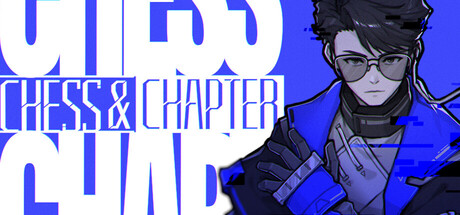 Chess & Chapter In-game content text | AI tools are used to generate multilingual translations of game text for playtests. | 游际线 | - | Jun 13, 2026 | |
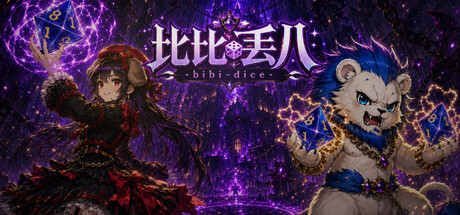 BIBI DICE In-game content artaudio | This game uses generative AI-assisted tools for some pre-generated art and audio assets, including portions of Steam store artwork, character and background assets, the application icon, and some BGM / SFX. All assets are selected, edited, integrated, and tested by the developer. The game does not include live-generated AI content during gameplay, and players will not encounter dynamically generated AI text, images, audio, or other content. | 雷爪獅 | - | Jun 13, 2026 | |
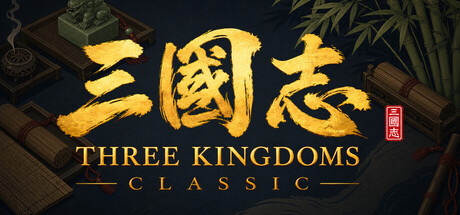 삼국지 클래식 (Three Kingdoms Classic) In-game content artaudio | Some visual and audio assets in this game were created with the assistance of generative AI tools
and then reviewed, edited, and curated by the developer. The game does not use live generative AI
during gameplay and does not generate content from player input. | SEEAT | 122 | Jun 13, 2026 | |
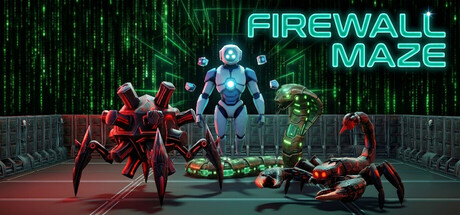 Firewall Maze In-game content art | Generative AI tools (including Tripo3D and Meshy) were used during development to generate base 3D models for characters and environment assets, which were then manually adjusted and refined. AI tools were also used to create ambient background textures for marketing materials and Steam capsule illustrations. No live-generated AI content is used during runtime. | TwistedBob Games | - | Jun 12, 2026 | |
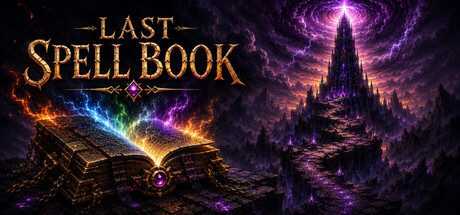 Last Spell Book In-game content art | Generative AI was used to update all my existing art. | Rachop Studios | - | Jun 12, 2026 | |
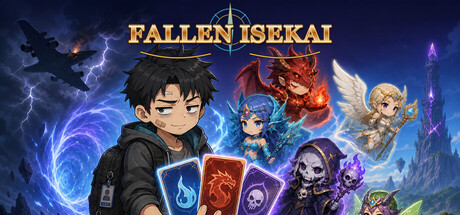 Fallen Isekai In-game content art | Generative AI was used as part of the art production process for selected store page visuals, story illustrations, and some card artwork. All AI-assisted assets were reviewed and refined before being included in the game. | Meet Future | - | Jun 12, 2026 | |
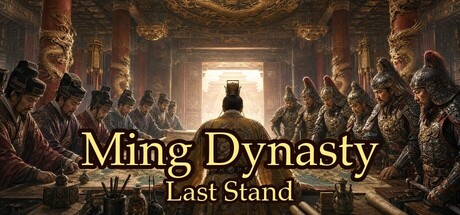 明末:力挽狂澜 Live AI text | This game uses generative artificial intelligence during gameplay to generate text and data based on player input and game context.
The game does not use generative AI to generate artwork, audio, voice, music, videos, or other visual or sound assets. AI-generated content is limited to text and data used as part of the gameplay experience. | YING WANGWEI | - | Jun 12, 2026 | |
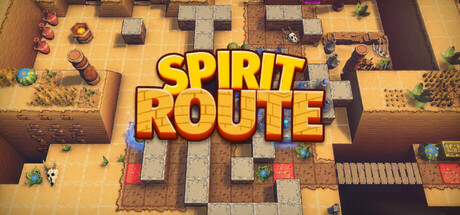 Spirit Route In-game content art | Generative AI was used to create portions of the game's logo, character icon artwork, and promotional/store page images. Some marketing images were created using in-game screenshots as references and combined with AI-assisted artwork. | Curious Forge | - | Jun 12, 2026 | |
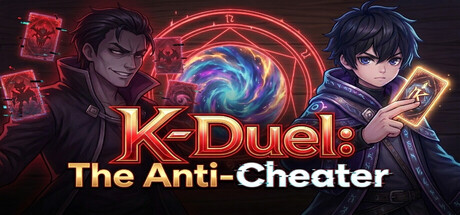 K-Duel: The Anti-Cheater In-game content art | As a solo developer handling the entire scope of code, systems architecture, and design, generative AI tools were utilized during development to handle the massive volume of graphic assets. This includes illustrative 2D artwork for specific field environments, background landscapes, UI map layouts, and card illustration frames. Leveraging these tools allowed me to focus my full energy on what matters most: creating deep tactical gameplay, tight mechanical balance, and a compelling narrative. Every asset generated was extensively curated, manually edited, and visually polished to align perfectly with the game's aesthetic, storytelling, and tactical user interface. No live generative AI is used while the game is running. | luan nguyen | - | Jun 12, 2026 | |
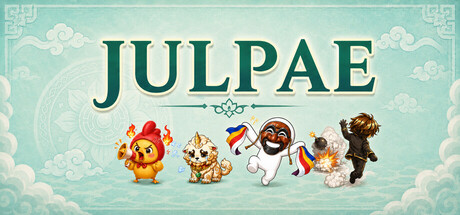 JULPAE Store/marketing textart | During development, generative AI tools were used as supplementary assistance for document writing, draft store page text, UI text, localization drafts, and the planning of some concept visual materials.
All final content included in the release build, store page, and marketing materials is reviewed, selected, and edited by the developer before use.
JULPAE does not use real-time generative AI during gameplay, does not generate player-facing content with AI at runtime, and does not connect players to any external generative AI service. | LoGosLaB | - | Jun 12, 2026 | |
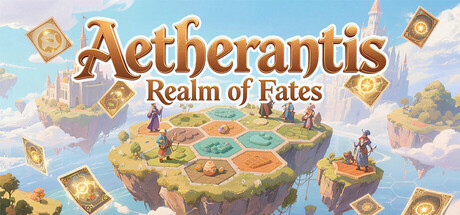 Aetherantis Realm of Fates In-game content arttextcode | Portions of in-game art assets were initially generated with generative AI, followed by extensive manual hand-drawn revision, restructuring and detailed painting by the developer. Game text and localization drafts were AI-assisted then fully proofread and revised manually. All background music and sound effects are licensed free commercial assets downloaded from authorized resource websites; no generative AI was used for audio production. Source code was written with coding assistant tools. | qiongwan | - | Jun 12, 2026 | |
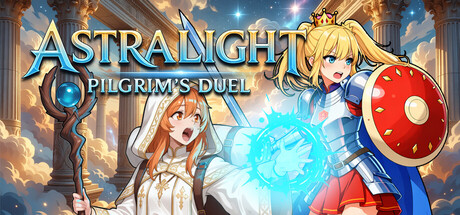 Astralight: Pilgrim's Duel In-game content arttext | This game made extensive use of generative AI during development.
Most of the images in the game were created with the assistance of generative AI. Generative AI was also used for concept work, visual drafts, UI text, translation drafts, and promotional materials.
All AI-assisted content was reviewed and edited by the developer before being included in the game.
Generative AI is not used during gameplay to create real-time content or player-specific responses.
This disclosure message was also written with the assistance of generative AI. | ShootingStar | - | Jun 11, 2026 | |
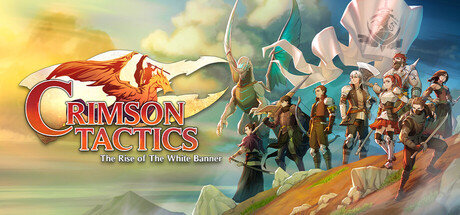 Crimson Tactics: The Rise of The White Banner In-game content textartcode | We have utilized open-source, self-hosted AI tools for our localization process to make the game available to as many players as possible. Additionally, local AI tooling was used during development to assist with codebase navigation and a single instance of asset recovery for a lost legacy logo. No proprietary or cloud-based AI services were used. | Black March Studios | 242 | Jun 11, 2026 | |
 黯渊崛起 Store/marketing art | This game store page is generated by AI
Some background images in the game are created with AI assistance | 攸缘游戏 | - | Jun 11, 2026 | |
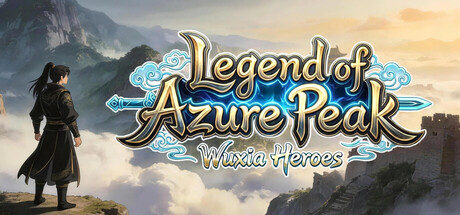 Legend of Azure Peak : Wuxia Heroes In-game content artaudiotext | This game is developed using the commercial engine RPG Bakin. The core game logic, systems, and all promotional videos are 100% handcrafted and created without the use of any AI tools.
To enhance the overall experience of this indie project, generative AI tools were utilized to assist in specific asset creation, video sequences, and localization:
Pre-rendered Content & Video Sequences:
The introductory cinematic video showcasing the game’s backstory was generated with the assistance of AI and manually edited.
The short animations for the item forging and dismantling systems were generated using AI and manually refined.
Some 2D character portraits, equipment icons (initial concepts), and background music (BGM) were generated with the assistance of AI and subsequently polished.
Character Voiceovers: The Japanese battle voice lines for characters were created using modern AI voice generation tools.
Language & Localization: The English translation and localization of the game's scripts and dialogues were assisted by AI translation tools.
We ensure that all AI-assisted processes and content comply with legal standards, aiming to deliver an authentic wuxia RPG experience with rich audio-visuals and smooth language accessibility for players worldwide. | Azure Peak Studio | - | Jun 11, 2026 | |
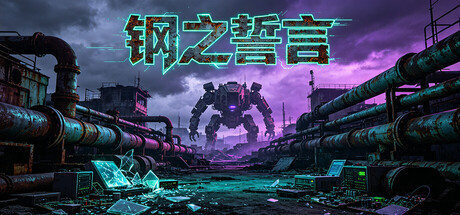 钢之誓言 In-game content audioart | We only use artificial intelligence tools to generate background music for the game (such as the background music for starting the game interface), promotional videos (CG promotional videos), and some UI background images (background images for the backpack interface), which are directly embedded into the game's assets. During the game, no artificial intelligence models were used to create or generate new content in real-time. No AI generated code was used either. | Ling Jun | - | Jun 11, 2026 | |
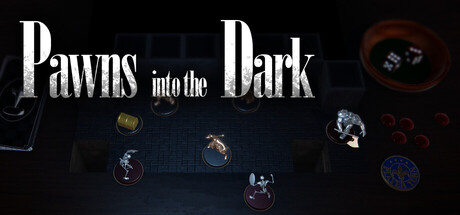 Pawns into the Dark In-game content art | Generative AI was used to assist in the creation of some art assets. All AI-assisted content was reviewed and edited by the developer before being included in the game. | FLYING CAT INC. | - | Jun 10, 2026 | |
 Crystal Wars Store/marketing art | Generative AI tools were utilized to assist in the creation of promotional materials. The game itself does not contain any live AI generation. | Vertex Noord | - | Jun 10, 2026 | |
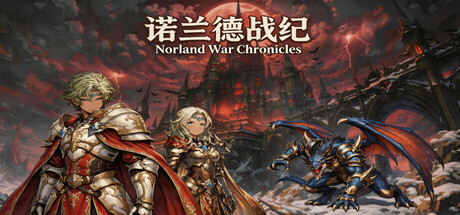 Norland War Chronicles Store/marketing art | Note on AI-generated content:
Some of the visual assets used in our store page, including certain game scenes and character illustrations, were created with the assistance of AI generation tools.
Please rest assured that the core gameplay design, storyline, character development, and all game mechanics are entirely handcrafted by our solo developer.
We believe in transparency and honesty. If you have any questions about our development process, feel free to reach out. Thank you for your understanding and support. | LuoMuStudio | - | Jun 10, 2026 | |
 Medieval Fantasy In-game content codetext | The C# code behind is created by the developer with the assistance of AI. The translation from English is also created by AI. | Tsz Hin Tsang | - | Jun 10, 2026 | |
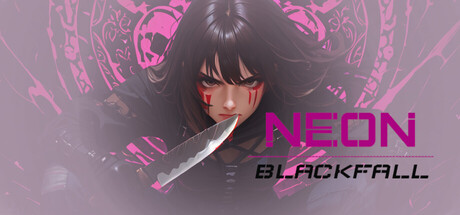 Neon Blackfall In-game content artaudiotext | Generative AI tools were used to assist in the creation of certain illustrations, backgrounds, music, and translations. All final content has been reviewed by the developer. | Alejandro Rodríguez Fernández | - | Jun 9, 2026 | |
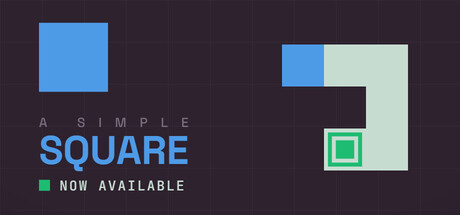 A Simple Square In-game content audiotext | The game uses AI-generated content only for music and translation. | Antharuu | - | Jun 9, 2026 | |
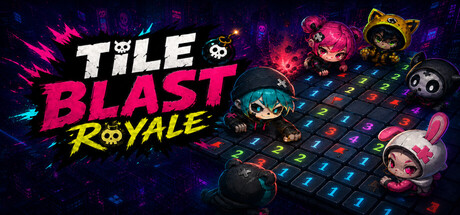 Tile Blast Royale In-game content audio | Some marketing materials may include AI-generated background music. Tile Blast Royale does not use generative AI to create content during gameplay. | Redping Games | - | Jun 9, 2026 | |
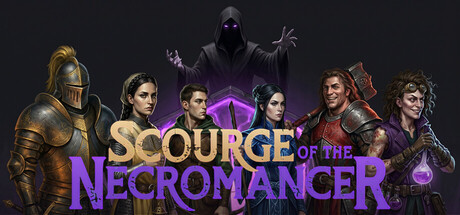 Scourge of the Necromancer In-game content artaudiotext | Scourge of the Necromancer makes significant use of generative AI in its production. We want to be fully upfront about it.
Visual assets (2D images + video) — all AI-generated, then human-curated and human-edited. Every shipped image and video in the game and on the Steam store page was produced with AI tools, then reviewed, edited, and selected by hand by the developer. This covers: Steam store capsules and library art, the store-page background, all in-game achievement icons, hero portraits, the Necromancer concept art, decorative UI elements, all real-time cinematics (the defeat sequence and all victory variants), and the marketing trailer's atmospheric segments. Image models used: Google Imagen 4, Google Veo 3.1 (video), Nano Banana Pro / Gemini 3 Pro Image (Google), Black Forest Labs FLUX.2, Recraft V4 Pro, Ideogram V3, and Bria RMBG-2.0 (background removal). Final assets received human editing — compositing, color correction, retouching, frame extraction, masking, and rejection of unusable outputs.
3D models — AI-generated base meshes, then human-edited in Blender. The in-game hero character models (Knight, Cleric, Ranger, Wizard, Warrior, Alchemist) started as outputs from Tripo AI's generative 3D model service (FBX + texture PNGs), but each model was then opened in Blender by the developer for hand editing — mesh cleanup, geometry adjustments, and texture fixes — before being exported for use in the game. Each finished model was imported into Unity with hand-tuned scale, rotation, material configuration, and import-setting curation. Unsatisfactory generations were discarded and re-prompted; the Blender editing step is substantial enough that the shipped models are not pure AI output.
Music — AI-generated, then human-curated and post-processed. All music tracks in the game (menu, gameplay layers, boss phases, victory, defeat) were produced with Google Gemini's music generation, then human-selected, trimmed, looped, and mixed by the developer.
Necromancer voice — AI-generated, then human-edited. The Necromancer's spoken syllables were synthesized with ElevenLabs Text-to-Speech (Eleven Multilingual v2 model), then pitch-shifted, EQ'd, and processed with reverb in Audacity by the developer to produce the final in-game delivery. No other character has spoken voice lines in the shipped game.
Sound effects — all AI-generated. Every SFX in the game (ability sounds, ambient layers, UI sounds, footsteps, kill/spawn cues, tile state cues, boss audio) was produced with ElevenLabs Sound Effects, then human-selected, trimmed, processed, and mixed by the developer. The Necromancer voice lines use ElevenLabs Text-to-Speech (covered separately above).
Runtime behavior. The game does NOT use live-generated AI content at runtime. Every shipped asset is a fixed, pre-rendered file. Player-facing text, dialogue, narrative, lore, and game design were written by the developer without AI generation.
Code. Code development used Claude (Anthropic) as an AI coding assistant. This is behind-the-scenes efficiency tooling not consumed by players, but we mention it here for full transparency. | Ember Logic LLC | - | Jun 8, 2026 | |
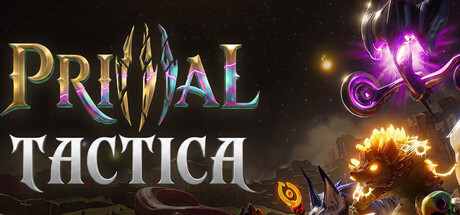 Primal Tactica In-game content art | We believe that no person should be replaced by AI. All Primals — their models, animation, rigging, textures, SFX, and VFX — have been handcrafted by skilled artists.
Our developers may choose to use generative AI as part of an iterative, exploratory development process, but how and when is left to individual team members, and the final product always reflects the creativity and expression of our own development team.
As a small team, we have licensed some icons and 2D assets from external creators, and it is possible that some of these creators have used generative AI. | Errata Studio Ltd | - | Jun 8, 2026 | |
 Collector Store/marketing art | just for art | hubel | - | Jun 8, 2026 |


