Public Steam disclosure research25,994 disclosures tracked
Where do games disclose AI use?
Search developers’ Steam disclosures, compare classified AI use across
games, and follow recorded changes.
This index adds cross-game classifications and statistics to
statements published on individual store pages.
Groups reflect automatic analysis of public disclosures; mature records are excluded. These counts do not measure AI use across all of Steam.
Missing or unclear statements cannot establish whether a game uses AI.
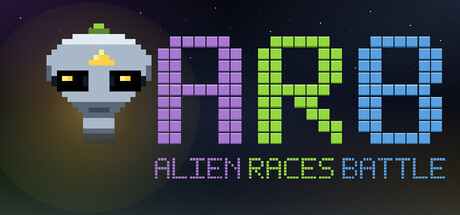
ARB: Alien Races Battle is developed by a solo human author (Raphael Tremblay) with assistance from Anthropic's Claude AI as a coding, art, and writing collaborator throughout production. Specifically:
- Some pixel-art unit sprites, ability icons, and UI elements were generated as SVG code with Claude's help, then reviewed, edited, and approved by the developer.
- In-game ability descriptions, Field Manual codex entries, and supplementary lore text were written with Claude as a writing collaborator, all building on the existing canon of The Alien Races Book (a separate, fully human-authored book by the same author that predates this game by years).
- Game code (gameplay engine, multiplayer infrastructure, UI logic) was developed with Claude as a coding-pair assistant.
Every piece of AI-assisted content was reviewed and edited by the human developer before shipping. The game's core IP — the 60+ documented alien races, their homeworlds, and their first-contact records — comes from The Alien Races Book and is entirely human-authored.
ARB does not use AI to generate content live during gameplay. All in-game content (units, sprites, abilities, sound, text, music) is finalized at build time and shipped as static assets.
This game utilizes AI-assisted tools to help compose background assets for certain scenes. All AI-generated elements have been meticulously reviewed and refined by our development team to ensure they fully align with the game's atmospheric theme, narrative tone, and artistic vision.
Some visual assets in this game were created with the help of generative AI tools. As a solo developer with a programming background I used AI to generate graphics. This allowed me to develop and present the game despite not having access to a dedicated graphic designer. All AI-generated content has been reviewed and integrated into the game by the developer.
This game contains some AI-generated background artwork in in-game scenes.
All AI-generated assets have been manually refined, edited and integrated by our development team to fit the game's art style and narrative design.
The developer utilized AI tools to assist in the development process. AI was used to help generate concept art, some minor 2D environmental textures/UI elements, and to assist with structuring the game's programming framework. All AI-assisted content has been reviewed, heavily modified, and manually integrated by the developer to match the game's specific artistic vision and mechanics.
This game contains certain content generated by artificial intelligence, including:
Video Content
- Animation clips and memory replay videos created using Seedance AI video generation platform
- All AI-generated video materials have undergone human review, editing, and post-processing
Music Content
- Background music and ambient sound effects composed using Suno AI music generation platform
- All AI-generated music materials have undergone human selection, mixing, and copyright verification
Copyright Statement
- All AI-generated content has obtained legal usage authorization
- The game development team holds complete usage and modification rights for these materials
- For any copyright concerns, please contact the game's official customer support
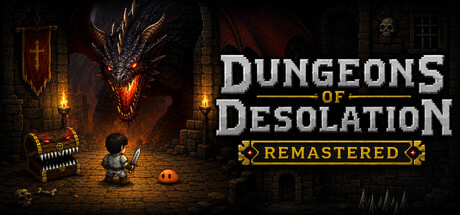
Dungeons of Desolation Remastered is based on my original 2012 Xbox Live Indie Games release. The original artwork, music, sound effects, code, game design, story, systems, and overall creative direction were created by me as an individual developer.
For this remastered PC version, I have used generative AI tools as part of the development process to assist with asset upscaling/enhancement and with porting/refactoring the original XNA codebase to a modern MonoGame version. AI-assisted work is reviewed, edited, and integrated by me.
Generative AI is not used to dynamically generate gameplay, story, dialogue, items, levels, or player-facing content at runtime.
Generative AI tools were used to assist with selected static visual assets, such as artwork, store/library assets, and some icon-style graphics. These assets were reviewed, edited, and manually integrated by the developer. No generative AI is used during gameplay, and no content is generated by AI while the game is running.
Artificial intelligence was used as an auxiliary tool in production, including the creation of pre-generated voices and dubbing. The game does not use real-time generative AI and does not contain AI-generated images, 3D models, or animations.
Some visual assets and parts of the development workflow for Forest of Numbers were created with the assistance of generative artificial intelligence tools. All content was curated, reviewed, and refined by the developer before being included in the final game.
- Soundtrack: Most of the in-game music consists of original, human-composed tracks, utilizing AI tools for upscaling purposes such as mixing and mastering. A few specific tracks were generated using AI, but these were also extensively arranged and edited by a human before inclusion.
- Artwork: Character and background assets were developed using Image-to-Image (i2i) technology based on the developers' initial drafts. All generated drafts underwent comprehensive manual retouching, modification, and final polishing using image editing software.
Generative AI was used to assist in the creation of the game's soundtrack and audio assets. All AI-generated content has been reviewed and edited to ensure it meets quality standards and does not infringe on existing copyrights.
Billionaire MAX is an indie game where the core game design, mechanics, balance, and creative direction were authored by the developer, while the implementation work was assisted by AI tools.
The following content was created with AI assistance:
- Source code: Game logic, UI, networking, and other code was written with the help of AI coding assistants. All code was reviewed, tested, and integrated by the developer.
- Visual assets: Achievement icons, sector illustrations, and in-game card art were generated with AI image generation tools. The developer curated, edited, and selected every asset before inclusion.
- Sound effects: Created with AI audio generation tools. The developer curated and selected each sound effect before inclusion.
- Localization: Initial drafts of English, Korean, and Simplified Chinese translations were produced with AI assistance, then proofread and refined by the developer.
The following content was NOT created with AI:
- Game design and rules
- Music
- Final QA and gameplay tuning
No AI generation occurs at runtime. The game does not invoke any AI service during gameplay; players never see content produced live by AI.
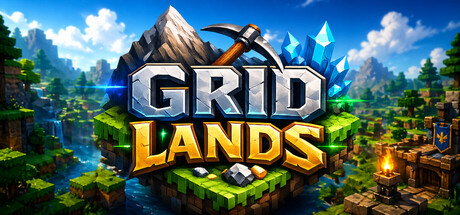
Grid Lands uses generative AI during development in three areas: some in-game illustrations and icons are produced with AI image-generation tools, some player-facing text (in-game copy and store-page text) is drafted with AI writing assistance, and our developers use AI coding assistants while writing the game. All assets, text, and code are reviewed and refined by our team before release. The game itself does not use generative AI at runtime — no player data is sent to AI services during play, and no in-game content is generated live.
The promotional visuals and banners on the Steam store page were created with the support of generative AI tools. In contrast, the in-game assets were either manually created or later edited. However, certain marketing materials, such as headers, capsules, and banners, contain AI-generated components.
Some of the art is generated, and Localization was done by AI as well.
These usages are all temporary and will be replaced with real art, and localization by launch
Some image assets and visual resources were created with the assistance of generative AI, then reviewed, edited, and refined by the developer. No live generative AI content is included during gameplay.
Some of the background music in this game was created with the assistance of generative AI.
All AI-generated music is sourced from Pixabay in accordance with its Content License.
This game utilizes a generative AI tool for the creation of its SE and localization.
The data was pre-rendered by the developer during the game's development and integrated as final game assets before release.
The game does not contain any features that generate content in real-time during gameplay. All content has been checked by the developer for compliance with the AI tool's commercial terms, and careful attention has been paid to avoid any copyright infringement or violation of general decency standards.
Generative AI tools may be used during development to assist with translations for supported languages. These translations may appear as in-game text. The game does not use live-generated AI content during gameplay.
AI tools were used to assist with certain visual marketing assets, localized text translations, and music production. All generated content was reviewed, edited, and integrated by the developer before inclusion in the game and store materials.
This game uses generative AI to create and support fictional in-game content, including graphic assets, marketing materials, text, creator names, portraits, and related world-building elements. AI-generated content is used only for fictional game purposes and does not represent real people, companies, or events.
Some arranged versions of the background music include sounds generated with AI assistance. All original compositions and other content, including graphics and game design, were created entirely by the developer.
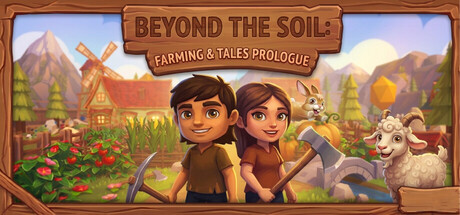
During the development of Beyond the Soil: Farming & Tales Prologue, generative AI technologies were used to optimize localization texts and assist in the design phase of certain visual marketing materials.
AI tools were used as a support during development.
- Assistance with coding and English localization
- Some character artwork was initially sketched by the developer, then refined using AI tools and further manually adjusted
All final content was reviewed and edited by the developer.
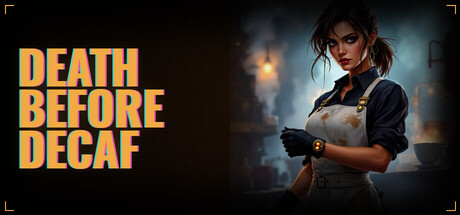
Death Before Decaf uses generative AI tools to assist with visual asset production. This includes character and enemy sprites, environment art, and marketing capsule images, all created using a fine-tuned model trained on reference materials owned by Overdose Interactive (Scenario.gg with a custom DBD LoRA, plus Replicate/Flux for select assets). All AI-generated outputs are reviewed, edited, and approved by a human art director before being shipped in the game.
The game itself does not generate any AI content at runtime: all assets are pre-rendered and bundled with the build. The game does not connect to any external AI services during gameplay.
ARB: Alien Races Battle is developed by a solo human author (Raphael Tremblay) with assistance from Anthropic's Claude AI as a coding, art, and writing collaborator throughout production. Specifically:
- Some pixel-art unit sprites, ability icons, and UI elements were generated as SVG code with Claude's help, then reviewed, edited, and approved by the developer.
- In-game ability descriptions, Field Manual codex entries, and supplementary lore text were written with Claude as a writing collaborator, all building on the existing canon of The Alien Races Book (a separate, fully human-authored book by the same author that predates this game by years).
- Game code (gameplay engine, multiplayer infrastructure, UI logic) was developed with Claude as a coding-pair assistant.
Every piece of AI-assisted content was reviewed and edited by the human developer before shipping. The game's core IP — the 60+ documented alien races, their homeworlds, and their first-contact records — comes from The Alien Races Book and is entirely human-authored.
ARB does not use AI to generate content live during gameplay. All in-game content (units, sprites, abilities, sound, text, music) is finalized at build time and shipped as static assets.
This game utilizes AI-assisted tools to help compose background assets for certain scenes. All AI-generated elements have been meticulously reviewed and refined by our development team to ensure they fully align with the game's atmospheric theme, narrative tone, and artistic vision.
Some visual assets in this game were created with the help of generative AI tools. As a solo developer with a programming background I used AI to generate graphics. This allowed me to develop and present the game despite not having access to a dedicated graphic designer. All AI-generated content has been reviewed and integrated into the game by the developer.
This game contains some AI-generated background artwork in in-game scenes.
All AI-generated assets have been manually refined, edited and integrated by our development team to fit the game's art style and narrative design.
The developer utilized AI tools to assist in the development process. AI was used to help generate concept art, some minor 2D environmental textures/UI elements, and to assist with structuring the game's programming framework. All AI-assisted content has been reviewed, heavily modified, and manually integrated by the developer to match the game's specific artistic vision and mechanics.
This game contains certain content generated by artificial intelligence, including:
Video Content
- Animation clips and memory replay videos created using Seedance AI video generation platform
- All AI-generated video materials have undergone human review, editing, and post-processing
Music Content
- Background music and ambient sound effects composed using Suno AI music generation platform
- All AI-generated music materials have undergone human selection, mixing, and copyright verification
Copyright Statement
- All AI-generated content has obtained legal usage authorization
- The game development team holds complete usage and modification rights for these materials
- For any copyright concerns, please contact the game's official customer support
Dungeons of Desolation Remastered is based on my original 2012 Xbox Live Indie Games release. The original artwork, music, sound effects, code, game design, story, systems, and overall creative direction were created by me as an individual developer.
For this remastered PC version, I have used generative AI tools as part of the development process to assist with asset upscaling/enhancement and with porting/refactoring the original XNA codebase to a modern MonoGame version. AI-assisted work is reviewed, edited, and integrated by me.
Generative AI is not used to dynamically generate gameplay, story, dialogue, items, levels, or player-facing content at runtime.
Generative AI tools were used to assist with selected static visual assets, such as artwork, store/library assets, and some icon-style graphics. These assets were reviewed, edited, and manually integrated by the developer. No generative AI is used during gameplay, and no content is generated by AI while the game is running.
Artificial intelligence was used as an auxiliary tool in production, including the creation of pre-generated voices and dubbing. The game does not use real-time generative AI and does not contain AI-generated images, 3D models, or animations.
Some visual assets and parts of the development workflow for Forest of Numbers were created with the assistance of generative artificial intelligence tools. All content was curated, reviewed, and refined by the developer before being included in the final game.
- Soundtrack: Most of the in-game music consists of original, human-composed tracks, utilizing AI tools for upscaling purposes such as mixing and mastering. A few specific tracks were generated using AI, but these were also extensively arranged and edited by a human before inclusion.
- Artwork: Character and background assets were developed using Image-to-Image (i2i) technology based on the developers' initial drafts. All generated drafts underwent comprehensive manual retouching, modification, and final polishing using image editing software.
Generative AI was used to assist in the creation of the game's soundtrack and audio assets. All AI-generated content has been reviewed and edited to ensure it meets quality standards and does not infringe on existing copyrights.
Billionaire MAX is an indie game where the core game design, mechanics, balance, and creative direction were authored by the developer, while the implementation work was assisted by AI tools.
The following content was created with AI assistance:
- Source code: Game logic, UI, networking, and other code was written with the help of AI coding assistants. All code was reviewed, tested, and integrated by the developer.
- Visual assets: Achievement icons, sector illustrations, and in-game card art were generated with AI image generation tools. The developer curated, edited, and selected every asset before inclusion.
- Sound effects: Created with AI audio generation tools. The developer curated and selected each sound effect before inclusion.
- Localization: Initial drafts of English, Korean, and Simplified Chinese translations were produced with AI assistance, then proofread and refined by the developer.
The following content was NOT created with AI:
- Game design and rules
- Music
- Final QA and gameplay tuning
No AI generation occurs at runtime. The game does not invoke any AI service during gameplay; players never see content produced live by AI.
Grid Lands uses generative AI during development in three areas: some in-game illustrations and icons are produced with AI image-generation tools, some player-facing text (in-game copy and store-page text) is drafted with AI writing assistance, and our developers use AI coding assistants while writing the game. All assets, text, and code are reviewed and refined by our team before release. The game itself does not use generative AI at runtime — no player data is sent to AI services during play, and no in-game content is generated live.
The promotional visuals and banners on the Steam store page were created with the support of generative AI tools. In contrast, the in-game assets were either manually created or later edited. However, certain marketing materials, such as headers, capsules, and banners, contain AI-generated components.
Some of the art is generated, and Localization was done by AI as well.
These usages are all temporary and will be replaced with real art, and localization by launch
Some image assets and visual resources were created with the assistance of generative AI, then reviewed, edited, and refined by the developer. No live generative AI content is included during gameplay.
Some of the background music in this game was created with the assistance of generative AI.
All AI-generated music is sourced from Pixabay in accordance with its Content License.
This game utilizes a generative AI tool for the creation of its SE and localization.
The data was pre-rendered by the developer during the game's development and integrated as final game assets before release.
The game does not contain any features that generate content in real-time during gameplay. All content has been checked by the developer for compliance with the AI tool's commercial terms, and careful attention has been paid to avoid any copyright infringement or violation of general decency standards.
Generative AI tools may be used during development to assist with translations for supported languages. These translations may appear as in-game text. The game does not use live-generated AI content during gameplay.
AI tools were used to assist with certain visual marketing assets, localized text translations, and music production. All generated content was reviewed, edited, and integrated by the developer before inclusion in the game and store materials.
This game uses generative AI to create and support fictional in-game content, including graphic assets, marketing materials, text, creator names, portraits, and related world-building elements. AI-generated content is used only for fictional game purposes and does not represent real people, companies, or events.
Some arranged versions of the background music include sounds generated with AI assistance. All original compositions and other content, including graphics and game design, were created entirely by the developer.
During the development of Beyond the Soil: Farming & Tales Prologue, generative AI technologies were used to optimize localization texts and assist in the design phase of certain visual marketing materials.
AI tools were used as a support during development.
- Assistance with coding and English localization
- Some character artwork was initially sketched by the developer, then refined using AI tools and further manually adjusted
All final content was reviewed and edited by the developer.
Death Before Decaf uses generative AI tools to assist with visual asset production. This includes character and enemy sprites, environment art, and marketing capsule images, all created using a fine-tuned model trained on reference materials owned by Overdose Interactive (Scenario.gg with a custom DBD LoRA, plus Replicate/Flux for select assets). All AI-generated outputs are reviewed, edited, and approved by a human art director before being shipped in the game.
The game itself does not generate any AI content at runtime: all assets are pre-rendered and bundled with the build. The game does not connect to any external AI services during gameplay.