Public Steam disclosure research25,997 disclosures tracked
Where do games disclose AI use?
Search developers’ Steam disclosures, compare classified AI use across
games, and follow recorded changes.
This index adds cross-game classifications and statistics to
statements published on individual store pages.
Groups reflect automatic analysis of public disclosures; mature records are excluded. These counts do not measure AI use across all of Steam.
Missing or unclear statements cannot establish whether a game uses AI.
This game uses generative artificial intelligence tools during parts of the development process. AI-assisted tools were used by the solo creator, Hamood , to support portions of programming workflow and improve development efficiency as part of our independent game production pipeline. All implementation, design decisions, gameplay structure, and final integration were directed and reviewed by human developers.
Some early-stage visual assets and concept materials were also created with AI-assisted tools during prototyping and pre-production. These assets were subsequently modified, optimized, and refined inside Unreal Engine and through additional work by human artists to ensure artistic consistency and product integrity.
No live AI-generated content is produced during gameplay. All gameplay content presented to players is pre-authored and curated by the development team.
Pre-generated AI-assisted artwork was used for some branding, splash screen, icon, and Steam store/library promotional assets. The game does not use live generative AI during gameplay.
Some visual assets and promotional/store artwork were created or assisted with generative AI tools during development and then manually edited, selected, and assembled by the developer. The game does not use live generative AI during gameplay. Gameplay code, online services, scoring, achievements, purchases, and multiplayer rules are developer-authored.
Some images in the game are generated by ai. I am aiming to replace these images with hand-drawn images once the game makes enough money to afford artist drawings. Contact me if you volunteer.
Some assets in Pulsewave were created with the help of generative AI tools:
- Background music tracks were composed using AI music generation tools, then reviewed and curated by the developer before inclusion.
- Select store-page artwork (capsule images, marketing visuals) was AI-generated.
All gameplay, game code, in-game graphics, and game design are human-made. No AI runs during gameplay - Pulsewave does not generate content in real time and does not connect to external AI services. All AI-generated assets were reviewed before inclusion to ensure they meet our quality and content standards.
- Two in-game images have been upscaled/enhanced using generative AI: the NeuroLink portrait and one UI border asset.
- Achievement icon art is AI assisted.
While we prefer to avoid the use of generative AI, its limited use helped improve presentation given the constraints of our team.
Some visual, audio, and creative assets used during development were created or assisted with generative AI tools. All content was reviewed, edited, and integrated into the final game experience by the developer.
AI tools were used to create some promotional visual assets displayed on the Steam store page. The game itself does not contain AI-generated content or any AI-driven features.
The developers describe how their game uses AI Generated Content like this:
We used generative AI to help create the level layouts and parts of the game code. Everything was then tweaked, edited, and put together by us.
All gameplay and design decisions are fully human-made.
Some backgrounds, characters, and items were created with the help of AI image generation tools. All AI-generated assets were carefully reviewed, edited, and refined by the developer to fit the game's art style and quality standards.
This game is a solo-developed hobby project. Generative AI tools were used as part of the production workflow, including assistance with code, audio, and base visual assets. No generative AI output is used as a final in-game asset; all assets were manually edited, and integrated by the developer. The story, dialogue, and all other written in-game content were written by the developer. All gameplay design, creative direction, balancing, and final content decisions were made by the developer.
Generative AI tools were used during the development process to assist in 2D artwork (such as UI elements, icons, and promotional images). All AI-generated assets are pre-rendered and have been manually reviewed and modified by the developer before being integrated into the final game.
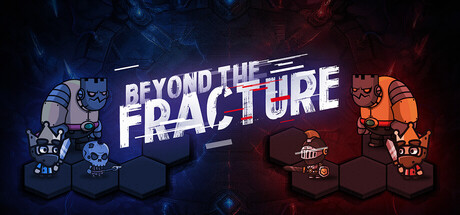
Beyond the Fracture contains both pre-generated and live-generated AI content.
Pre-generated AI content:
Some visual, audio, and voice assets were generated with AI tools during development and reviewed, edited, and curated by the developers before being included in the game. This includes selected construct opponent portraits, spoken name clips, character histories, and HERALD-7 commentary voice clips in German and English.
Live-generated AI content:
During first-time onboarding, the game uses external AI services to generate three candidate player identities live. Each identity includes a generated profile portrait and a generated spoken name introduction. The profile portraits are additionally guided by internal short character descriptions generated from predefined archetypes and prompt templates.
This live generation is constrained by predefined prompts, fixed character archetypes, a controlled name system, and no free-form text input from players. The player selects one of the three generated identities. The chosen identity cannot be changed during the current Playtest, and repeated regeneration is not available during normal gameplay.
No live AI generation occurs during normal matches after onboarding.
This game uses generative AI to improve both the development process and gameplay features. During development, AI tools were utilized to generate certain text, visual, and audio assets.
All AI-generated content is reviewed and controlled to ensure it aligns with the game's design and provides a safe experience for players.
Some visual assets and promotional images for the store page were created with the assistance of generative AI tools. AI-generated content is used for marketing purposes only and is not part of the gameplay experience.
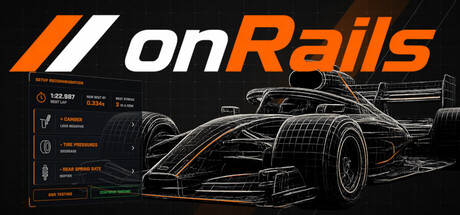
Some images and visual assets used on this store page and in onRails, were created or enhanced with the assistance of AI-generated imagery tools. These materials are used for promotional and illustrative purposes only and may not represent final in-application visuals.
A note on AI-generated content
Tilting is a solo project. The code, design, gameplay systems, AI opponents, game logic, and writing are entirely my own. The visual and audio content is not. Virtually all of it originated in generative AI tools.
Specifically, AI was used for: store-page artwork (capsules, library art, hero), in-game art (character portraits, card art, venue art, UI elements), achievement icons, music, and sound effects.
My role on the non-code side was overwhelmingly that of a curator — prompting, regenerating, and iterating across different AI tools until the output fit the game's identity. I draw enough to make minor tweaks here and there on individual visual pieces; for the music it was mostly tool-shopping until something landed right. But the volume of art and audio this game ships with is far beyond what I could produce or commission as a solo developer, and the bulk of every non-code asset originated in AI.
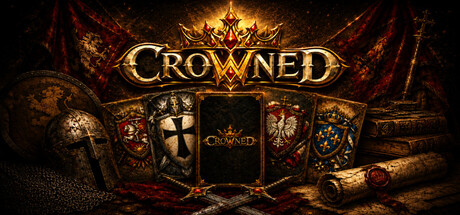
Some artwork and visual assets in Crowned, including
card illustrations and background graphics, were created with the assistance of generative AI tools. All content was
reviewed, curated and integrated by the developer.
Our team's Generative AI policy is that we cannot use it at all for Assets, Sounds, and Arts. The only thing we have allowed ourselves to use Gen AI for is coding, although we have agreed we won't use Gen AI the first time we attempt to solve a problem. We only use Gen AI after having already attempted to fix a problem through YouTube videos, asking peers, etc.
Most of this game is AI-generated. In-game text (UI, game names, descriptions), graphics (player icons, vector elements), code and the majority of the micro-game implementations — all AI, then reviewed and curated by the developer. Localization to all non-English languages is AI-translated. No AI runs at runtime; everything is pre-generated and shipped statically.
Some game and store page text or visual assets were created or refined with generative AI during development. This content is pre-generated and included in the shipped game or store materials. The game does not generate AI content during gameplay and does not connect to external AI services during gameplay.
Generative AI was used as a development assistant during this project. It helped with brainstorming gameplay mechanics, coding/debugging support, level design ideas, marketing copy, store description text, and some promotional/store artwork.
The game itself is a 2D platformer developed in Unity. Gameplay does not use live generative AI, and no content is generated dynamically during gameplay.
During the development process, I used generative AI tools to assist in creating certain art assets and sound effects. All AI-generated content has been reviewed and refined to ensure quality and consistency. The final product reflects my creative vision , and no illegal or infringing content is included.
Generative AI tools were used as supportive assistance in the creation of certain promotional materials, concept art, temporary text, and marketing content during development.
All final in-game content is manually reviewed, edited, and integrated by the development team.
This game uses generative artificial intelligence tools during parts of the development process. AI-assisted tools were used by the solo creator, Hamood , to support portions of programming workflow and improve development efficiency as part of our independent game production pipeline. All implementation, design decisions, gameplay structure, and final integration were directed and reviewed by human developers.
Some early-stage visual assets and concept materials were also created with AI-assisted tools during prototyping and pre-production. These assets were subsequently modified, optimized, and refined inside Unreal Engine and through additional work by human artists to ensure artistic consistency and product integrity.
No live AI-generated content is produced during gameplay. All gameplay content presented to players is pre-authored and curated by the development team.
Pre-generated AI-assisted artwork was used for some branding, splash screen, icon, and Steam store/library promotional assets. The game does not use live generative AI during gameplay.
Some visual assets and promotional/store artwork were created or assisted with generative AI tools during development and then manually edited, selected, and assembled by the developer. The game does not use live generative AI during gameplay. Gameplay code, online services, scoring, achievements, purchases, and multiplayer rules are developer-authored.
Some images in the game are generated by ai. I am aiming to replace these images with hand-drawn images once the game makes enough money to afford artist drawings. Contact me if you volunteer.
Some assets in Pulsewave were created with the help of generative AI tools:
- Background music tracks were composed using AI music generation tools, then reviewed and curated by the developer before inclusion.
- Select store-page artwork (capsule images, marketing visuals) was AI-generated.
All gameplay, game code, in-game graphics, and game design are human-made. No AI runs during gameplay - Pulsewave does not generate content in real time and does not connect to external AI services. All AI-generated assets were reviewed before inclusion to ensure they meet our quality and content standards.
- Two in-game images have been upscaled/enhanced using generative AI: the NeuroLink portrait and one UI border asset.
- Achievement icon art is AI assisted.
While we prefer to avoid the use of generative AI, its limited use helped improve presentation given the constraints of our team.
Some visual, audio, and creative assets used during development were created or assisted with generative AI tools. All content was reviewed, edited, and integrated into the final game experience by the developer.
AI tools were used to create some promotional visual assets displayed on the Steam store page. The game itself does not contain AI-generated content or any AI-driven features.
The developers describe how their game uses AI Generated Content like this:
We used generative AI to help create the level layouts and parts of the game code. Everything was then tweaked, edited, and put together by us.
All gameplay and design decisions are fully human-made.
Some backgrounds, characters, and items were created with the help of AI image generation tools. All AI-generated assets were carefully reviewed, edited, and refined by the developer to fit the game's art style and quality standards.
This game is a solo-developed hobby project. Generative AI tools were used as part of the production workflow, including assistance with code, audio, and base visual assets. No generative AI output is used as a final in-game asset; all assets were manually edited, and integrated by the developer. The story, dialogue, and all other written in-game content were written by the developer. All gameplay design, creative direction, balancing, and final content decisions were made by the developer.
Generative AI tools were used during the development process to assist in 2D artwork (such as UI elements, icons, and promotional images). All AI-generated assets are pre-rendered and have been manually reviewed and modified by the developer before being integrated into the final game.
Beyond the Fracture contains both pre-generated and live-generated AI content.
Pre-generated AI content:
Some visual, audio, and voice assets were generated with AI tools during development and reviewed, edited, and curated by the developers before being included in the game. This includes selected construct opponent portraits, spoken name clips, character histories, and HERALD-7 commentary voice clips in German and English.
Live-generated AI content:
During first-time onboarding, the game uses external AI services to generate three candidate player identities live. Each identity includes a generated profile portrait and a generated spoken name introduction. The profile portraits are additionally guided by internal short character descriptions generated from predefined archetypes and prompt templates.
This live generation is constrained by predefined prompts, fixed character archetypes, a controlled name system, and no free-form text input from players. The player selects one of the three generated identities. The chosen identity cannot be changed during the current Playtest, and repeated regeneration is not available during normal gameplay.
No live AI generation occurs during normal matches after onboarding.
This game uses generative AI to improve both the development process and gameplay features. During development, AI tools were utilized to generate certain text, visual, and audio assets.
All AI-generated content is reviewed and controlled to ensure it aligns with the game's design and provides a safe experience for players.
Some visual assets and promotional images for the store page were created with the assistance of generative AI tools. AI-generated content is used for marketing purposes only and is not part of the gameplay experience.
Some images and visual assets used on this store page and in onRails, were created or enhanced with the assistance of AI-generated imagery tools. These materials are used for promotional and illustrative purposes only and may not represent final in-application visuals.
A note on AI-generated content
Tilting is a solo project. The code, design, gameplay systems, AI opponents, game logic, and writing are entirely my own. The visual and audio content is not. Virtually all of it originated in generative AI tools.
Specifically, AI was used for: store-page artwork (capsules, library art, hero), in-game art (character portraits, card art, venue art, UI elements), achievement icons, music, and sound effects.
My role on the non-code side was overwhelmingly that of a curator — prompting, regenerating, and iterating across different AI tools until the output fit the game's identity. I draw enough to make minor tweaks here and there on individual visual pieces; for the music it was mostly tool-shopping until something landed right. But the volume of art and audio this game ships with is far beyond what I could produce or commission as a solo developer, and the bulk of every non-code asset originated in AI.
Some artwork and visual assets in Crowned, including
card illustrations and background graphics, were created with the assistance of generative AI tools. All content was
reviewed, curated and integrated by the developer.
Our team's Generative AI policy is that we cannot use it at all for Assets, Sounds, and Arts. The only thing we have allowed ourselves to use Gen AI for is coding, although we have agreed we won't use Gen AI the first time we attempt to solve a problem. We only use Gen AI after having already attempted to fix a problem through YouTube videos, asking peers, etc.
Most of this game is AI-generated. In-game text (UI, game names, descriptions), graphics (player icons, vector elements), code and the majority of the micro-game implementations — all AI, then reviewed and curated by the developer. Localization to all non-English languages is AI-translated. No AI runs at runtime; everything is pre-generated and shipped statically.
Some game and store page text or visual assets were created or refined with generative AI during development. This content is pre-generated and included in the shipped game or store materials. The game does not generate AI content during gameplay and does not connect to external AI services during gameplay.
Generative AI was used as a development assistant during this project. It helped with brainstorming gameplay mechanics, coding/debugging support, level design ideas, marketing copy, store description text, and some promotional/store artwork.
The game itself is a 2D platformer developed in Unity. Gameplay does not use live generative AI, and no content is generated dynamically during gameplay.
During the development process, I used generative AI tools to assist in creating certain art assets and sound effects. All AI-generated content has been reviewed and refined to ensure quality and consistency. The final product reflects my creative vision , and no illegal or infringing content is included.
Generative AI tools were used as supportive assistance in the creation of certain promotional materials, concept art, temporary text, and marketing content during development.
All final in-game content is manually reviewed, edited, and integrated by the development team.