Public Steam disclosure research25,992 disclosures tracked
Where do games disclose AI use?
Search developers’ Steam disclosures, compare classified AI use across
games, and follow recorded changes.
This index adds cross-game classifications and statistics to
statements published on individual store pages.
Groups reflect automatic analysis of public disclosures; mature records are excluded. These counts do not measure AI use across all of Steam.
Missing or unclear statements cannot establish whether a game uses AI.
Temporary pre-rendered visual assets were created with the assistance of generative AI tools. The game does not use generative AI during gameplay and does not connect to external AI services while running.
This game contains pre-generated content created with the assistance of generative AI tools during development.
Some icons were assisted by ChatGPT, some music was assisted by Suno, and some voice content was assisted by IndexTTS.
The game does not use generative AI during gameplay and does not generate text, images, music, voice, or other content in real time based on player input.
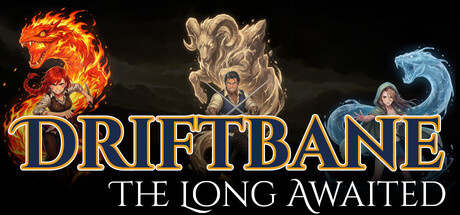
Driftbane: The Long Awaited uses generative AI tools during development for some character art, 3D character base meshes, music tracks, and as a coding assistant. The developer refines, integrates, and curates AI outputs by hand. All creative direction, narrative, design decisions, and gameplay are authored by the developer. No AI content runs at runtime in the game.
Generative AI tools were used to assist with writing, reviewing, and improving parts of the game's code.
All models, textures, images, sounds, and music used in Single Note are created through human work. The game does not use AI-generated visual assets, audio assets, music, or 3D models.
Single Note is developed by a small independent studio, and AI tools were used as development assistance during production. All final implementation decisions, testing, integration, and creative direction are handled by Fanjoy Studio. The game does not use live-generated AI content during gameplay.
Some visual assets, including the application icon and logo, were created with the assistance of generative AI tools. AI-assisted tools were also used during parts of the development process for coding support.
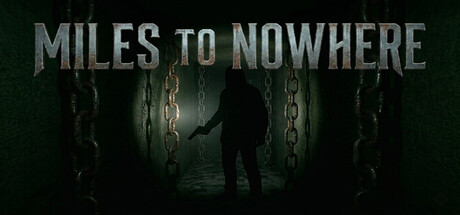
Artificial intelligence tools were used solely for the creation of marketing materials and specific 2D visual assets, such as the game's capsule art and promotional banners. Please note that all core gameplay mechanics, coding, level design, and narrative elements of Miles to Nowhere have been developed manually without the use of AI. Our use of AI is limited to enhancing the game's visual presentation on the Steam storefront to better reflect the intended atmosphere.
The Steam store page banners and promotional creatives for the app were created with the assistance of generative AI tools. The in-game assets were either created manually or edited afterwards, but the visual materials used for marketing (such as header images, capsules, and promotional banners) include AI-generated elements.
This game uses generative AI tools during development to assist with certain assets such as artwork, text, and design elements. All AI-assisted content has been reviewed, edited, and curated by the developer to ensure quality and appropriateness.
The game does not use AI to generate content during gameplay, and no external AI services are accessed while playing.
This game uses generative AI to assist in creating 2D graphical assets (such as item sprites and UI icons) and localizing in-game text. These tools were used as part of a human-led workflow to improve development efficiency for a solo studio. The developer maintains full creative control and has curated all final assets to ensure a high-quality experience for players.
AI was used to accelerate the creation of this game, specifically, the audio, graphics, and code for the game to function. The idea came from a man with many years of dating experience, and looking to create a fun game to share with the world.
Graphics & Art: Original asset concepts, sketches, and draft designs were created by the developer and subsequently rendered or refined using generative AI tools. While the underlying concepts and designs are original creations, generative AI may occasionally produce visual similarities to existing artistic styles or works.
Voice Acting: Character voices and audio narration were generated using ElevenLabs voice synthesis technology and are used in accordance with the applicable licensing and usage terms.
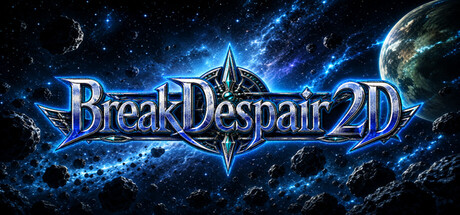
BreakDespair2D uses Stable Diffusion for some character portraits and background images.
No AI-generated content is created during gameplay.
The game design, programming, balancing, story, and implementation were created by HappyLuckyRainbowGames.
I used AI for voice-over only and all generated audio assets are pre-rendered, fully vetted, and do not contain any illegal or infringing material. No AI content is generated live or dynamically during gameplay.
Generative AI tools were used during development to assist with coding, game design ideas, music, dialogue writing, and select texture assets. All content has been reviewed and approved by the developer.
This game utilizes artificial intelligence without incorporating third-party resources. Its primary function is to assist in game functionality implementation, creative refinement, and saving human time through algorithms.
Generative AI tools were used during the development of Final Life Simulator to create various static graphic assets. This includes promotional store images, marketing artwork, and certain UI icons and visual elements. All AI-generated content has been reviewed and curated by the developer to ensure it aligns with the game's artistic direction and quality standards. No live-generated AI content is used during gameplay.
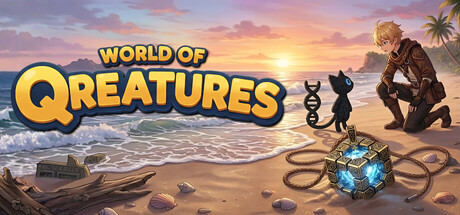
World of Qreatures features a cutting-edge 'Qreature Lab' where players can scan real-world QR codes or breed existing creatures to discover entirely new species.
The game utilizes a custom generative AI pipeline to create these unique assets at runtime, including 3D meshes, textures, procedural audio cries, and combat statistics. Additionally, some wild monsters found in the handcrafted world are pre-generated using this same pipeline and carefully curated by the developer to ensure high-quality gameplay and visual consistency. Every Qreature generated is a unique biological signature within the game's ecosystem.
This game uses generative AI technology to assist in creating some 2D art assets. All content has been reviewed and edited by humans to ensure it meets our design specifications and is free from inappropriate material.
We live in an era where every developer uses generative AI. We see it as just another tool that helps with development, and we'll continue to use it more actively going forward.
Generative AI tools may be used during the development of SKEW to assist in the creation of pre-rendered environmental assets, 3D models, ambient music, and sound effects. All AI assisted content is manually curated, refined, and integrated by the developer to ensure it aligns with the game's specific artistic vision and quality standards.
This game uses generative AI tools during development.
All voice-over audio is generated using AI tools.
The game does not use live generative AI during gameplay.
This product uses pre-generated AI-assisted content created during development, including selected visual assets, localization support, store text support, and voice lines. All AI-assisted content is reviewed and edited by the developer before being included in the game.
Some elements of the game were generated with AI :
- Scripts : parts of systems were generated or implemented using AI models
- Images : some Images were generated or edited using AI Models
This game was developed with the assistance of AI tools including Claude (Anthropic) for code generation, game logic, and music composition. All game design decisions, creative direction, and publishing were made by the human developer.
This game uses generative AI in its visuals and music to provide players with the best possible experience. On the visual side, AI is particularly utilized in character and environment design.
Temporary pre-rendered visual assets were created with the assistance of generative AI tools. The game does not use generative AI during gameplay and does not connect to external AI services while running.
This game contains pre-generated content created with the assistance of generative AI tools during development.
Some icons were assisted by ChatGPT, some music was assisted by Suno, and some voice content was assisted by IndexTTS.
The game does not use generative AI during gameplay and does not generate text, images, music, voice, or other content in real time based on player input.
Driftbane: The Long Awaited uses generative AI tools during development for some character art, 3D character base meshes, music tracks, and as a coding assistant. The developer refines, integrates, and curates AI outputs by hand. All creative direction, narrative, design decisions, and gameplay are authored by the developer. No AI content runs at runtime in the game.
Generative AI tools were used to assist with writing, reviewing, and improving parts of the game's code.
All models, textures, images, sounds, and music used in Single Note are created through human work. The game does not use AI-generated visual assets, audio assets, music, or 3D models.
Single Note is developed by a small independent studio, and AI tools were used as development assistance during production. All final implementation decisions, testing, integration, and creative direction are handled by Fanjoy Studio. The game does not use live-generated AI content during gameplay.
Some visual assets, including the application icon and logo, were created with the assistance of generative AI tools. AI-assisted tools were also used during parts of the development process for coding support.
Artificial intelligence tools were used solely for the creation of marketing materials and specific 2D visual assets, such as the game's capsule art and promotional banners. Please note that all core gameplay mechanics, coding, level design, and narrative elements of Miles to Nowhere have been developed manually without the use of AI. Our use of AI is limited to enhancing the game's visual presentation on the Steam storefront to better reflect the intended atmosphere.
The Steam store page banners and promotional creatives for the app were created with the assistance of generative AI tools. The in-game assets were either created manually or edited afterwards, but the visual materials used for marketing (such as header images, capsules, and promotional banners) include AI-generated elements.
This game uses generative AI tools during development to assist with certain assets such as artwork, text, and design elements. All AI-assisted content has been reviewed, edited, and curated by the developer to ensure quality and appropriateness.
The game does not use AI to generate content during gameplay, and no external AI services are accessed while playing.
This game uses generative AI to assist in creating 2D graphical assets (such as item sprites and UI icons) and localizing in-game text. These tools were used as part of a human-led workflow to improve development efficiency for a solo studio. The developer maintains full creative control and has curated all final assets to ensure a high-quality experience for players.
AI was used to accelerate the creation of this game, specifically, the audio, graphics, and code for the game to function. The idea came from a man with many years of dating experience, and looking to create a fun game to share with the world.
Graphics & Art: Original asset concepts, sketches, and draft designs were created by the developer and subsequently rendered or refined using generative AI tools. While the underlying concepts and designs are original creations, generative AI may occasionally produce visual similarities to existing artistic styles or works.
Voice Acting: Character voices and audio narration were generated using ElevenLabs voice synthesis technology and are used in accordance with the applicable licensing and usage terms.
BreakDespair2D uses Stable Diffusion for some character portraits and background images.
No AI-generated content is created during gameplay.
The game design, programming, balancing, story, and implementation were created by HappyLuckyRainbowGames.
I used AI for voice-over only and all generated audio assets are pre-rendered, fully vetted, and do not contain any illegal or infringing material. No AI content is generated live or dynamically during gameplay.
Generative AI tools were used during development to assist with coding, game design ideas, music, dialogue writing, and select texture assets. All content has been reviewed and approved by the developer.
This game utilizes artificial intelligence without incorporating third-party resources. Its primary function is to assist in game functionality implementation, creative refinement, and saving human time through algorithms.
Generative AI tools were used during the development of Final Life Simulator to create various static graphic assets. This includes promotional store images, marketing artwork, and certain UI icons and visual elements. All AI-generated content has been reviewed and curated by the developer to ensure it aligns with the game's artistic direction and quality standards. No live-generated AI content is used during gameplay.
World of Qreatures features a cutting-edge 'Qreature Lab' where players can scan real-world QR codes or breed existing creatures to discover entirely new species.
The game utilizes a custom generative AI pipeline to create these unique assets at runtime, including 3D meshes, textures, procedural audio cries, and combat statistics. Additionally, some wild monsters found in the handcrafted world are pre-generated using this same pipeline and carefully curated by the developer to ensure high-quality gameplay and visual consistency. Every Qreature generated is a unique biological signature within the game's ecosystem.
This game uses generative AI technology to assist in creating some 2D art assets. All content has been reviewed and edited by humans to ensure it meets our design specifications and is free from inappropriate material.
We live in an era where every developer uses generative AI. We see it as just another tool that helps with development, and we'll continue to use it more actively going forward.
Generative AI tools may be used during the development of SKEW to assist in the creation of pre-rendered environmental assets, 3D models, ambient music, and sound effects. All AI assisted content is manually curated, refined, and integrated by the developer to ensure it aligns with the game's specific artistic vision and quality standards.
This game uses generative AI tools during development.
All voice-over audio is generated using AI tools.
The game does not use live generative AI during gameplay.
This product uses pre-generated AI-assisted content created during development, including selected visual assets, localization support, store text support, and voice lines. All AI-assisted content is reviewed and edited by the developer before being included in the game.
Some elements of the game were generated with AI :
- Scripts : parts of systems were generated or implemented using AI models
- Images : some Images were generated or edited using AI Models
This game was developed with the assistance of AI tools including Claude (Anthropic) for code generation, game logic, and music composition. All game design decisions, creative direction, and publishing were made by the human developer.
This game uses generative AI in its visuals and music to provide players with the best possible experience. On the visual side, AI is particularly utilized in character and environment design.